Comprehensive Coverage for a Keyed Car
Comprehensive coverage pays to repair or replace your car when something other than a collision damages it, including vandalism like a keyed paint job.
What comprehensive coverage pays for
Covers
- Vandalism and keying Scratches, scrawled words, keyed paint and similar damage someone deliberately did to your car are covered.
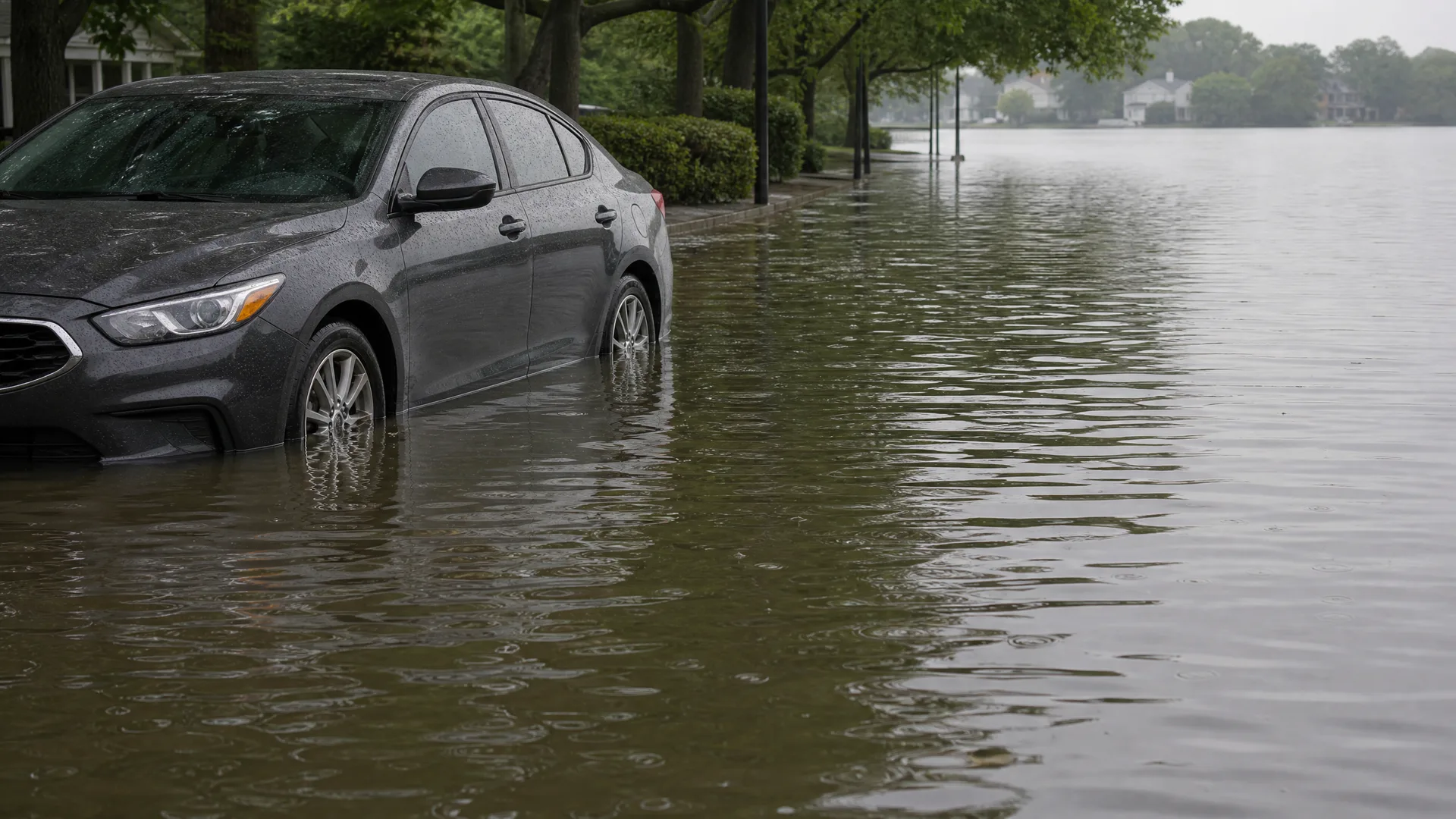
- Weather damage Hail, falling branches, flooding and windstorms that dent or damage the car while it's parked or driving are covered.
- Animal collisions Hitting a deer or other animal is treated as comprehensive, not a collision claim, even though you were driving.
- Theft of the car If the car itself is stolen, this coverage pays out based on its value at the time.
- Fire and falling objects Damage from fire, or from something falling on the car like a tree limb, is covered the same way.
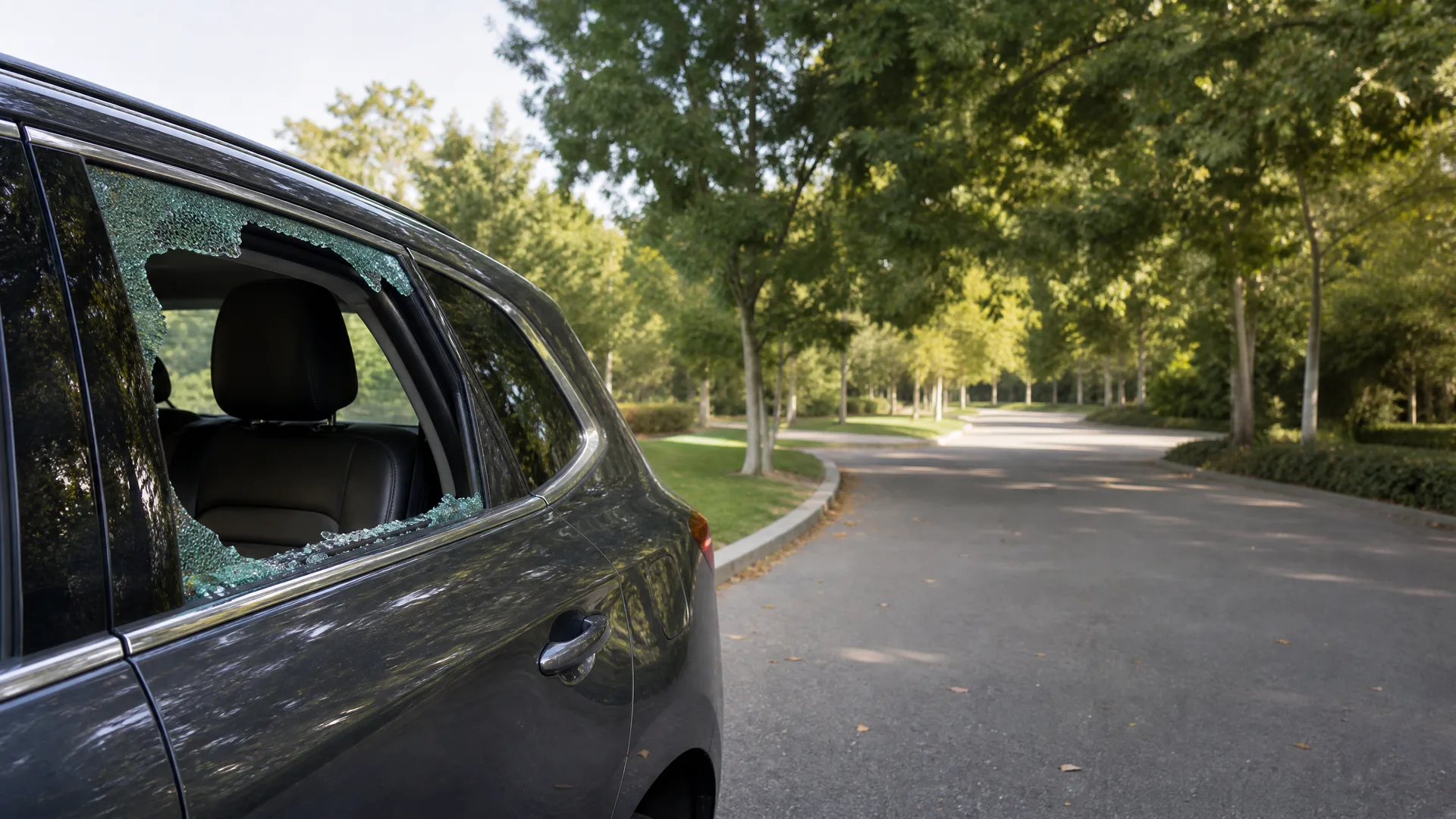
- Broken glass A cracked windshield or shattered window from a rock, a storm or vandalism falls under this coverage too.
Doesn't cover
- Hitting another car That's collision coverage, a separate line on your policy that handles crashes with another vehicle or object.
- Stuff stolen from inside the car A stolen purse, tools or electronics taken from inside the car usually fall under homeowners or renters insurance, not this coverage.
- Mechanical breakdowns A failed transmission, a dead battery or normal wear has nothing to do with comprehensive, no matter how sudden it feels.
- Your own medical bills Injuries to you or your passengers are handled by medical payments or health coverage, not this line.
- Rental car while yours is fixed You need separate rental reimbursement coverage for a loaner car during repairs, it doesn't come bundled in.
- Damage you did on purpose Any damage you caused intentionally isn't covered, the whole point is paying for things done to you or by accident.
Worth keeping if your car still has real value, worth dropping if it doesn't
The deciding number is what the car is worth, not how old you are. If a hailstorm or a keyed hood would cost real money to fix and the car is worth repairing, this coverage is doing its job. If the car is old enough that repairs would run close to its value, you're paying for coverage that will barely pay out.
Whether the car is paid off matters less than people think, since this isn't about a loan, it's about whether you'd rather pay a deductible than pay the whole repair bill yourself. If you have enough set aside that a bad repair bill wouldn't bother you, you can self-insure and drop this coverage without much risk.
How much you drive and where the car sits overnight matter more as the car ages. A car kept in a garage in a quiet neighborhood faces less exposure to hail, break-ins and vandalism than one parked on the street or in a shared lot. If your driving has dropped to short local trips, your exposure to deer strikes and highway debris has dropped with it.
If you're on the fence, look at what you'd actually do after a bad hailstorm. Some people would pay for the dent repair themselves without blinking. Others would feel the loss. That answer tells you more than any rule of thumb.
How a comprehensive claim actually goes
You pay a deductible, and the coverage pays the rest of the covered repair cost up to the car's value. For something like a keyed car, you'll usually get an estimate from a body shop, the insurer reviews it, and once it's approved you pay your deductible and they cover the remainder directly or reimburse you.
If the damage is bad enough that repairs would cost more than the car is worth, the insurer may declare it a total loss instead of fixing it. In that case you get a payout based on the car's value, minus your deductible, rather than a repair.
Have photos of the damage, a police report if vandalism was involved, and your vehicle information ready when you file. A repair estimate from a shop you trust also speeds things along and gives you a second opinion if the insurer's estimate seems low.
The payment covers the physical damage to the car itself. It won't cover your time, a rental car unless you added that separately, or anything taken from inside the vehicle.
Comprehensive versus collision
Comprehensive coverage
This pays for damage from things other than a crash, like vandalism, weather, theft and animals. It's what responds when someone keys your car in a parking lot.
Collision coverage
This pays for damage from hitting another car or object, or from your car rolling or flipping, regardless of who caused it. It's the coverage that responds after an actual crash.
Most people who keep one keep both, since they cover different kinds of bad luck, but if you're cutting coverage on an older car, collision is usually the one to drop first since crash risk often matters more to younger or higher-mileage drivers.
Real situations
You come out of church on a Sunday to find someone scratched a long line down your car's door with a key.
This pays for the repair, once you've paid your deductible, since deliberate vandalism is exactly what this coverage handles.
You're driving home at dusk on a county road and a deer runs into the side of your car.
This pays for it, since animal collisions fall under comprehensive even though you were behind the wheel.
You back into a parked car in a grocery store lot and dent your bumper.
This doesn't pay for it, since that's a collision with another vehicle and falls under collision coverage instead.
Once you know whether this coverage still fits your car and how you drive it, you're ready to compare quotes with that answer already in hand.
Questions people ask about this
Does comprehensive coverage cover a cracked windshield from a rock on the highway?
Yes, a windshield cracked by road debris is a comprehensive claim. Some policies handle glass with a separate, lower deductible, so check your own policy for how glass claims are treated before you file.
Will my rates go up after a comprehensive claim for vandalism?
It depends on your insurer and your state, since rules about surcharging for comprehensive claims vary. Many insurers treat comprehensive claims more gently than at-fault collision claims since you didn't cause the damage, but it's worth asking your agent directly.
Can I choose a different deductible for comprehensive than for collision?
Yes, most policies let you set these separately. A lot of older drivers set a higher deductible on comprehensive, since smaller claims like minor vandalism are easier to cover out of pocket, while keeping a lower one on collision.
Is comprehensive coverage required by law?
No, it's generally not required by law the way liability coverage often is, though this varies by state and by whether you still have a loan or lease on the car. If you own the car outright, check your own policy to see how it's set up.
What happens if my car is stolen and never recovered?
Comprehensive coverage pays out the car's value at the time it was stolen, minus your deductible, if it's never found. If it's recovered later but damaged, the claim shifts to covering the repair or, if the damage is severe enough, a total loss payout instead.