Comprehensive Only Coverage for a Stored Car
Comprehensive only coverage pays for damage to a parked or stored car from things other than a collision, like fire, theft, weather or animals, without paying for crash damage or liability.
What it pays for
Covers
- Weather and storm damage Hail, wind, falling branches or flooding while the car sits in a driveway or garage are covered.
- Fire and explosion If the car burns in a garage fire or other blaze, the damage is covered under this part of the policy.
- Theft of the whole car If the car is stolen while stored, this coverage pays out based on its value at the time.
- Vandalism Keyed paint, broken windows or slashed tires from vandalism while parked are covered.
- Animal strikes Damage from an animal, like a deer wandering into a carport, is covered even though the car never moved under its own power.
- Falling objects A tree limb, part of a roof or anything else that falls on the car while it's parked is covered.
Doesn't cover
- Collision damage If the car is moved and hits something, or something hits it while it's being driven, that's a separate coverage that this one doesn't include.
- Liability to others If the car somehow causes injury or damage to someone else, liability coverage handles that, not this.
- Mechanical breakdown A battery that dies, a fuel system that gums up, or a tire that rots from sitting are wear and maintenance issues, not something this coverage touches.
- Damage from being driven Once the car is back on the road regularly, incidents that happen while driving fall outside what comprehensive only is meant to cover.
- Interior wear or mold Gradual deterioration from humidity or time isn't a covered loss, since it isn't a sudden event.

For most stored cars, this is the coverage worth keeping even after everything else gets dropped
If the car is paid off and worth enough that losing it would hurt, comprehensive only protects that value for a fraction of what full coverage costs, since there's no driving risk to price in. A car that sits in a garage or carport most of the year still faces fire, theft and weather, and those risks don't go away just because the car isn't moving.
The math changes if the car is old enough or rough enough that it wouldn't be worth much in a claim. At that point you're paying a premium every year for a payout that might not cover much more than a tow and a tank of gas. If you could absorb that loss yourself without much strain, dropping this coverage and setting that money aside instead can make more sense.
How rarely the car moves matters too. A car that leaves the garage for an errand once a month is a different risk than one that gets driven daily in summer and stored only in winter. If it's truly stored and barely driven, this is usually the one coverage that still earns its keep even when everything else on the policy gets trimmed back.
Where the car sits also factors in. A locked garage in a quiet area is a different risk than an open carport near a busier street. If you've already got a secure place to keep it, that lowers the odds you'll ever need this coverage, but it doesn't erase them.
What happens when you actually use it
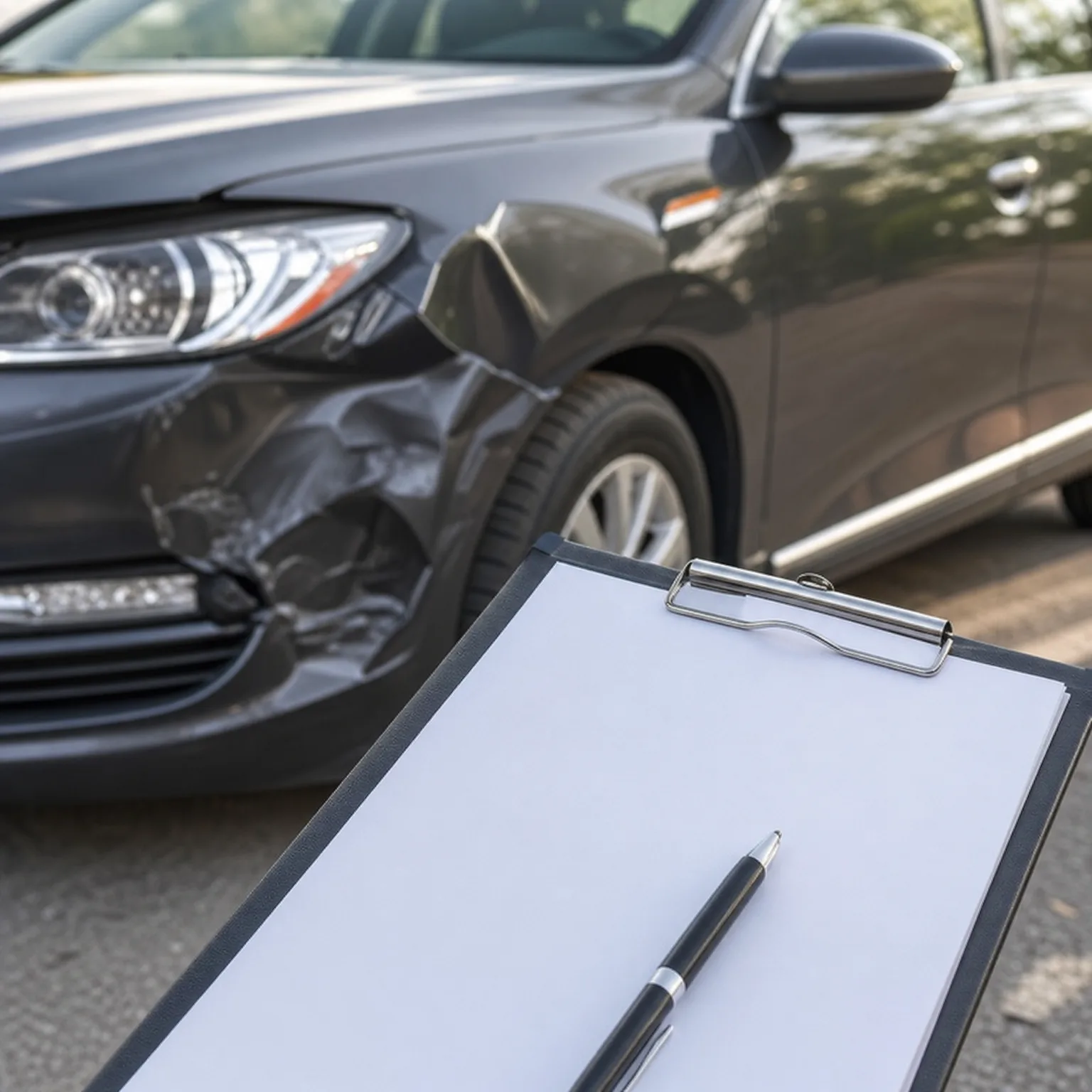
A deductible applies first, meaning you pay a set amount out of pocket and the coverage pays the rest, up to the value of the car. There's no separate deductible for different causes, so hail damage and theft are treated the same way once a claim is filed.
To file a claim, you'll typically need to show when and where the damage happened, and for theft, a police report is usually required before anything moves forward. An adjuster will look at the damage or the circumstances of the loss and determine whether to repair the car or pay out its value if it's declared a total loss.
The payment covers the car itself, not anything that happened to you or anyone else, and it won't cover a rental car or towing unless those were added separately. Keep registration, loan or title information, and any maintenance records handy, since they help establish the car's condition and value quickly.
If the car is stored somewhere other than your main address, let the company know, since where a car is kept can affect both the risk and how a claim is reviewed.
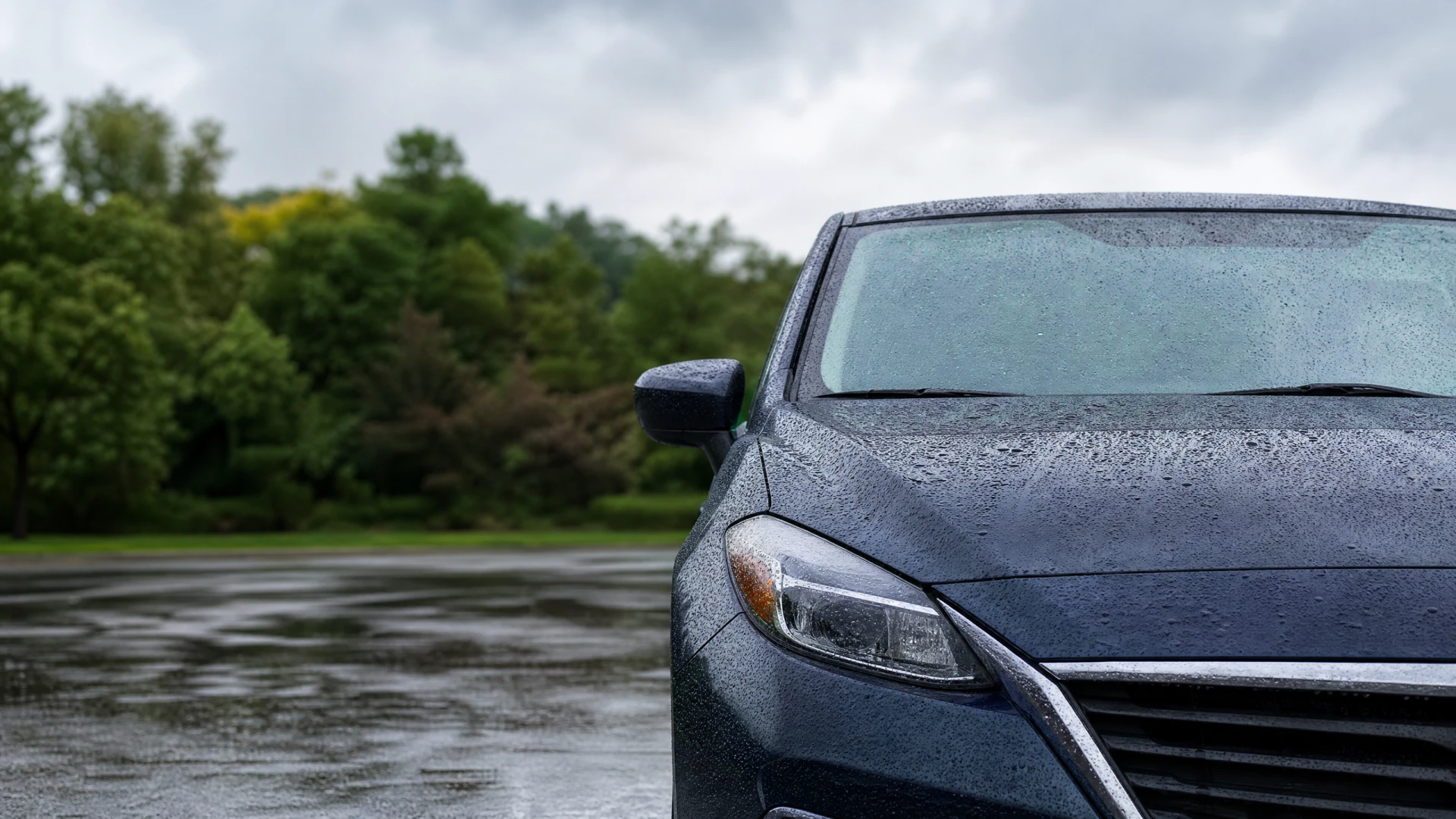
Comprehensive only versus collision
Comprehensive only
This pays for damage from events other than driving, like weather, fire, theft or animals. It's built for a car that mostly sits still and faces the risks of simply existing in a garage or driveway.
Collision coverage
Collision pays when the car is in motion and hits something, or something hits it while being driven, regardless of who's at fault. It only matters once the car is actually back on the road.
If the car is driven occasionally, it's worth adding collision back; if it's truly parked and stored, comprehensive only is usually enough.
Real situations
A hailstorm rolls through while the car sits in the driveway because the garage is full of other things that week.
This pays, since hail damage to a parked car is exactly what comprehensive only covers.
A grandchild borrows the car for an afternoon and backs into a mailbox at low speed.
This doesn't pay, since that's collision damage from driving, not a covered event.
A deer wanders into the carport overnight and damages the front bumper before anyone notices.
This pays, since an animal causing damage to a parked car falls under this coverage.
Once you know whether comprehensive only covers enough for how and where you keep the car, you can compare quotes with that decision already settled.
Questions people ask about this
How do I know if my car counts as stored for insurance purposes?
It usually comes down to how often the car is driven and where it's kept, not a strict rule. Companies generally define it by low mileage and consistent, secure parking rather than a specific number of trips. Check your own policy or ask directly, since the definition can vary.
Does comprehensive only coverage affect my rate if I start driving the car again?
Yes, because the rate is based partly on how much the car is expected to be driven. If you start using it regularly again, letting the company know keeps the policy accurate and keeps a claim from being questioned later. This is also when adding collision back usually makes sense.
Can I switch to comprehensive only coverage mid policy or do I have to wait for renewal?
Many policies allow a change mid-term, but it depends on the company and the state you're in. Some require it to happen at renewal instead. Ask directly, since this varies.
Is comprehensive only coverage required to keep a car registered while it's stored?
This depends entirely on where you live, since some states tie registration to proof of insurance and others don't. It varies by state, so check your own requirements before dropping coverage entirely. A lender, if the car is financed, may also require it regardless of state rules.
What happens to comprehensive only coverage if I move the stored car to a different state seasonally?
The coverage itself generally continues, but the rules around it, like what's required or offered, can change based on where the car is physically kept. Let the company know if the car spends part of the year elsewhere. This is worth checking directly, since it varies.