Comprehensive Coverage for Seniors
Comprehensive coverage pays to repair or replace your car when something other than a collision damages it, like weather, theft, fire, or an animal strike.
What comprehensive coverage pays for
Covers
- Weather damage Hail, flooding, wind, and falling tree limbs are covered if they damage your parked or moving car.
- Animal collisions Hitting a deer or other animal falls under comprehensive, not collision coverage.
- Theft and vandalism If your car is stolen or someone keys it, breaks a window, or keys it in a parking lot, this coverage responds.
- Fire damage A fire that starts in the engine or spreads from somewhere else is covered.
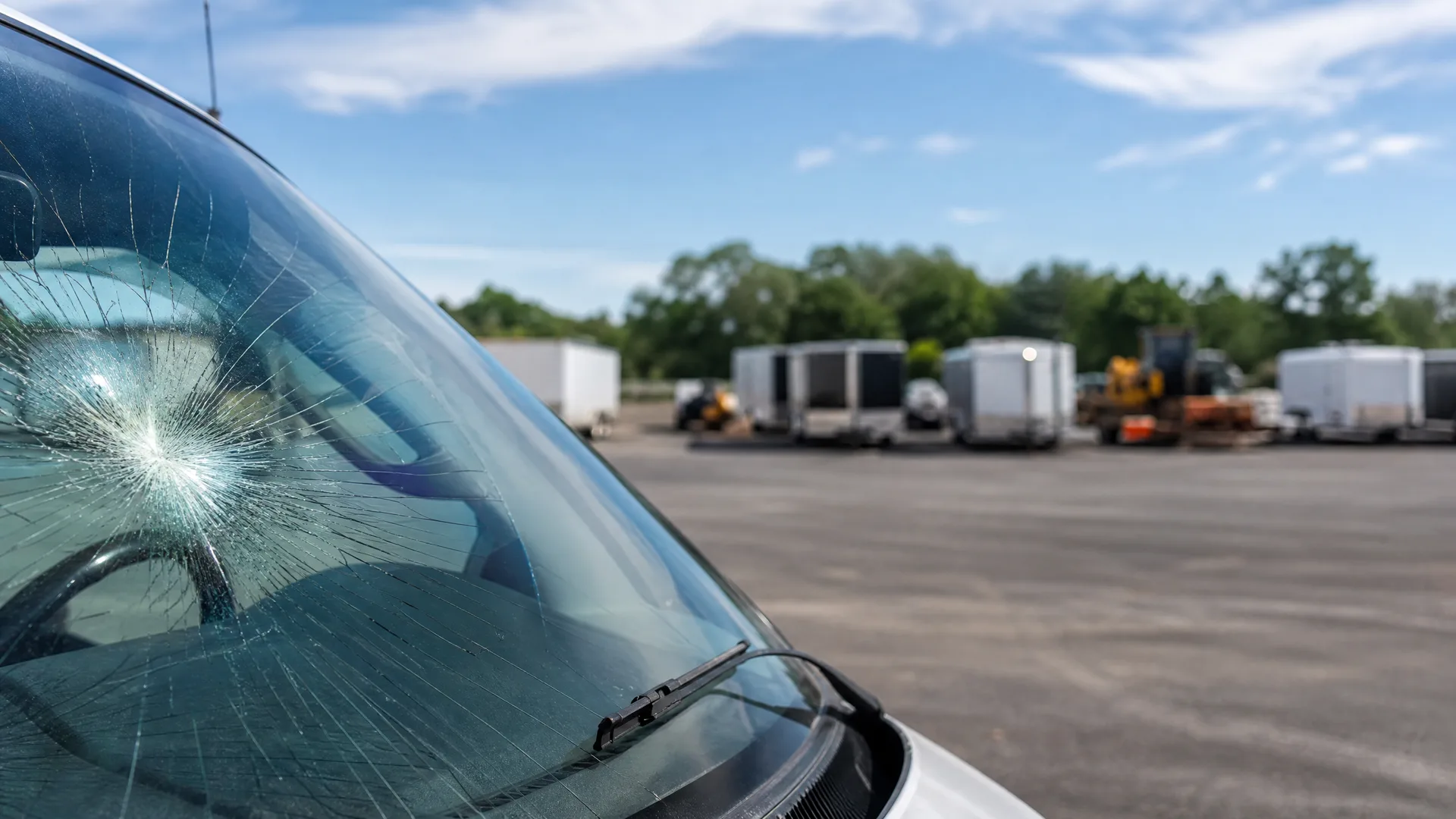
- Broken glass A cracked windshield from a rock on the highway is handled under comprehensive, often with its own rules.
- Civil disturbance damage Riots, falling objects, and similar events that damage your car while it's parked are included.
Doesn't cover
- Collision with another car That's collision coverage, a separate line on your policy with its own deductible.
- Your medical bills Injuries to you or your passengers are handled by medical payments coverage or your health insurance.
- Mechanical breakdown A transmission that fails from normal wear isn't an accident, so comprehensive doesn't apply.
- Damage from your own neglect Worn tires or a battery that dies aren't sudden events, so they fall outside this coverage.
- The other driver's car If you cause damage to someone else's vehicle or property, that's liability coverage.
- Items stolen from inside the car A stolen phone or bag is usually a homeowners or renters insurance claim, not a car insurance one.
Worth it for most older drivers, but check your specific car first
The math depends mostly on what the car is worth and whether you could absorb a full loss yourself. If your car is older and worth little, the payout after a deductible may be small enough that carrying this coverage doesn't make sense anymore.
If the car is paid off and worth a meaningful amount, comprehensive protects a real asset you'd otherwise have to replace out of pocket. For a car still being financed, the lender usually requires this coverage anyway, so the decision isn't yours to make.
How much you drive matters less here than it does for collision coverage, since hail, theft, and animal strikes can happen to a car that barely leaves the garage. Where the car sits overnight matters more. A car parked on the street in a area with wildlife, hail, or break-ins is a different risk than one parked in a closed garage.
If you could write a check to replace the car without strain, dropping this coverage is a reasonable choice once the car's value drops low enough. If that loss would hurt, keeping it usually makes sense even as the car ages.
How a comprehensive claim actually works
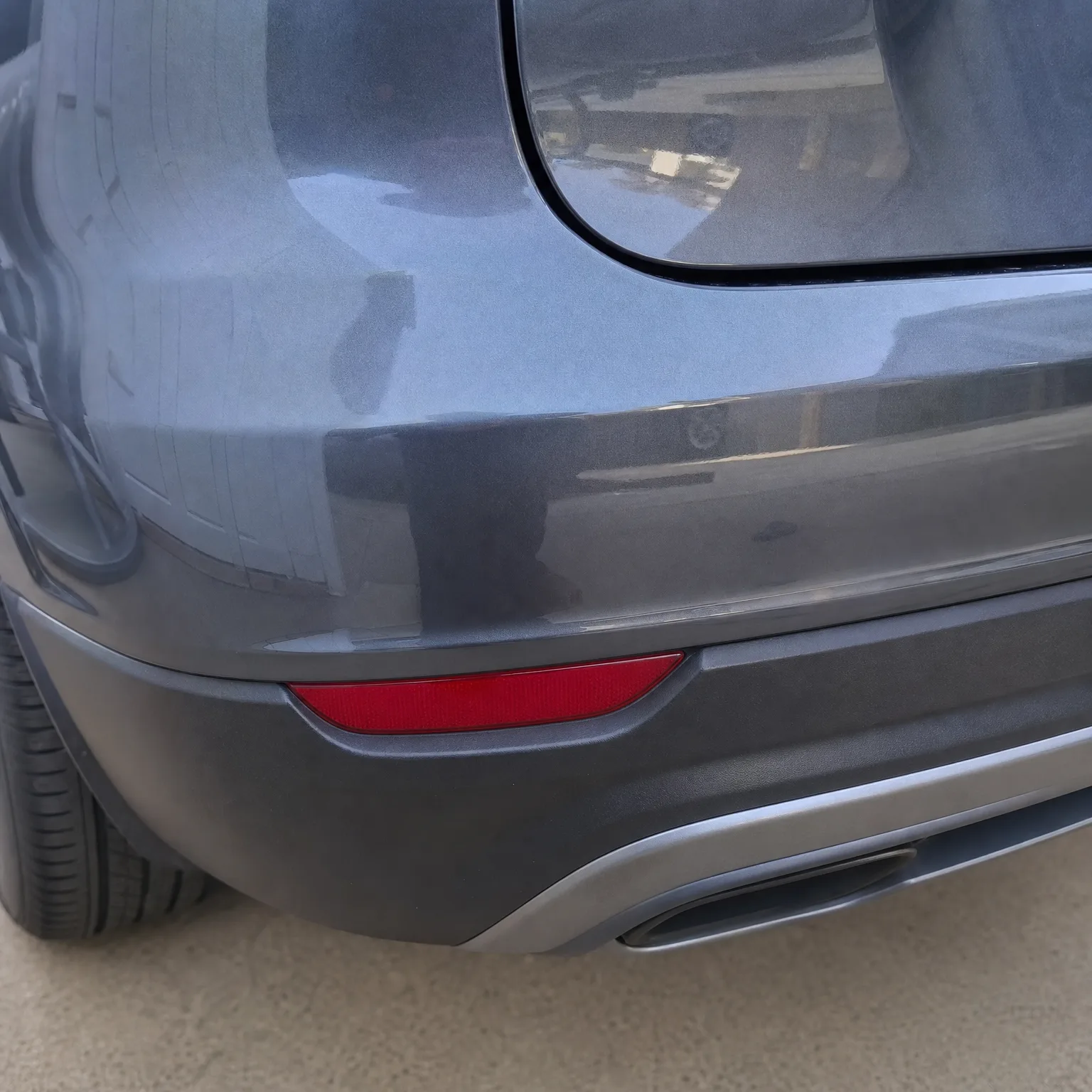
You pay your deductible first, and the coverage pays the rest, up to the value of your car. If the repair costs less than your deductible, there's no real reason to file a claim at all, since you'd be paying it yourself either way.
After an incident like a hailstorm or a break-in, you file a claim, and an adjuster evaluates the damage, either in person or through photos you submit. For something like a cracked windshield, many insurers let you handle it without raising your rate the way an at-fault accident would.
If the damage costs more to fix than the car is worth, the insurer will likely declare it a total loss and pay you the car's value instead of repairing it. That payout is based on what similar cars are selling for, not what you paid years ago or what you feel it's worth.
Have your policy number, photos of the damage, and a police report ready if theft or vandalism was involved. A repair estimate from a shop you trust also helps the process move faster.
Comprehensive vs. collision coverage
Comprehensive coverage
This pays for damage from events other than a crash with another vehicle, like weather, animals, theft, or fire. It applies whether your car is parked or moving at the time.
Collision coverage
This pays for damage when your car hits another vehicle or object, or rolls over, regardless of who caused it. It's the coverage that applies in most everyday accidents.
Drivers who worry about deer, storms, or theft lean toward keeping comprehensive, while those more concerned about fender benders focus on collision.
Real situations
A hailstorm hits while your car is parked in the lot during a church service, leaving dents across the hood and roof.
This pays, since hail damage to a parked car falls squarely under comprehensive coverage.
A deer runs into the road at dusk on a county highway and you can't stop in time.
This pays, because collisions with animals are treated as comprehensive claims, not collision claims.
You back out of your driveway and clip the mailbox, denting your rear bumper.
This doesn't pay, since hitting a stationary object you're driving into is a collision claim instead.
Now that you know what comprehensive coverage does and doesn't cover, compare quotes to see what keeping or adjusting it would actually cost.
Questions people ask about this
Do I need comprehensive coverage if my car is paid off?
No, once a car is paid off, carrying comprehensive coverage is entirely your choice. Lenders require it only while they have a financial stake in the car. After that, the decision comes down to the car's value and how much of a loss you could absorb yourself.
Does comprehensive coverage cover a cracked windshield?
Yes, glass damage is typically handled under comprehensive coverage. Some policies offer a separate glass option with different deductible rules, so it's worth checking your own policy for how windshield claims are handled.
Will filing a comprehensive claim raise my rates?
It depends on the insurer and the situation, since comprehensive claims are usually treated differently from at-fault accidents. Many companies don't raise rates for weather or theft claims the way they would for a collision you caused, but this varies by policy and state, so check with your insurer.
What is considered a total loss on an older car?
A car is usually declared a total loss when the cost to repair it is close to or more than what the car is worth. For older cars with lower values, even moderate damage can trigger a total loss decision, since repair costs add up quickly compared to the payout.
Can I drop comprehensive coverage on an old car?
Yes, if the car isn't financed, you can drop comprehensive coverage at any time. It makes the most sense once the car's value has dropped low enough that a payout, minus your deductible, would be fairly small.