Comprehensive Coverage for Catalytic Converter Theft
Comprehensive coverage is the part of your policy that pays to replace a stolen catalytic converter, minus your deductible.
What this coverage pays for
Covers
- The stolen converter itself It pays to replace the part that was cut out from under your car.
- Related exhaust damage Thieves often cut pipes and wiring to get the converter out, and that repair work is included.
- A rental car during repairs If your policy has rental coverage added, it can cover a car while yours sits in the shop.
- Towing to a shop If the car can't be driven safely without the converter, towing is typically covered under this same claim.
- Repeat theft There's no limit on how many times you can file, though each claim carries its own deductible.
Doesn't cover
- Your deductible amount You pay that part yourself no matter how the theft happened.
- A converter that fails on its own Comprehensive covers theft and damage, not normal wear or a part that simply stops working.
- Lost wages from missing work This coverage pays for the car and its parts, not for time you lose waiting on repairs.
- Upgrades beyond the original part You get the converter replaced as it was, not upgraded to a more expensive aftermarket version.
- Theft from a car you no longer own Coverage follows the vehicle on your policy, so a car you sold or gave away isn't protected under your plan.
For most older drivers still using their car daily, this coverage is worth keeping
Start with what the car is worth. If you still owe money on it, your lender almost certainly requires comprehensive coverage anyway, so there's no real decision to make. If the car is paid off and worth very little, replacing a converter out of pocket might cost close to what the car itself is worth, and that math changes things.
Think about what you could absorb from savings without stress. A converter theft isn't the kind of repair most people plan for, and trucks and hybrids tend to be bigger targets because their converters are worth more to thieves. If an unplanned repair bill would force you to put off other things, the coverage is doing real work for you.
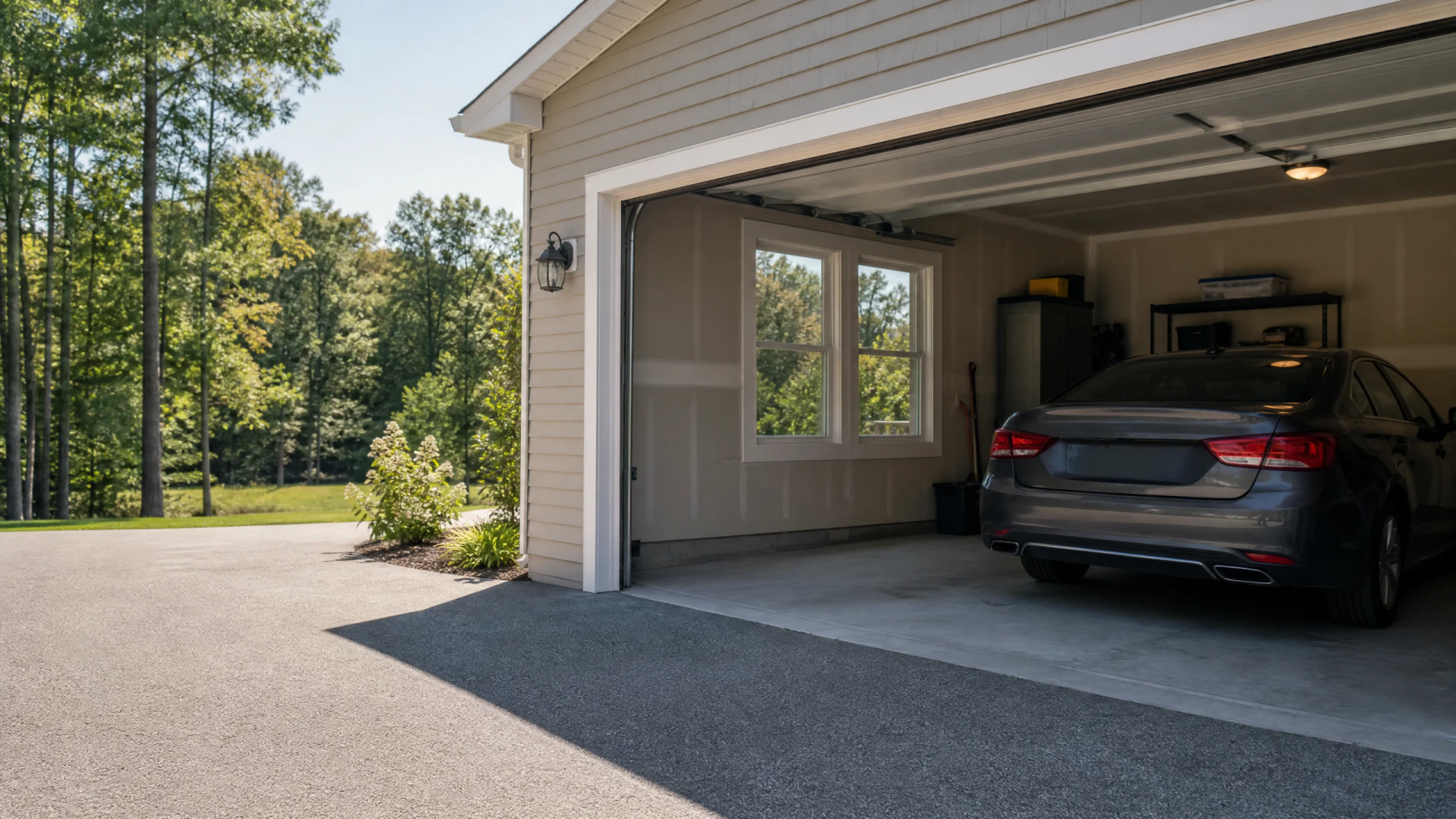
Where the car spends its nights matters too. A car parked on a street or in an open lot overnight is at higher risk than one parked in a closed garage. If you drive less than you used to and the car sits parked for long stretches in a public lot, that's exactly the pattern thieves look for.
If you're down to a car you drive occasionally, keep in a locked garage, and could replace or repair without much strain, dropping comprehensive is a reasonable choice. For most people still driving regularly and parking outside, the coverage earns its keep.
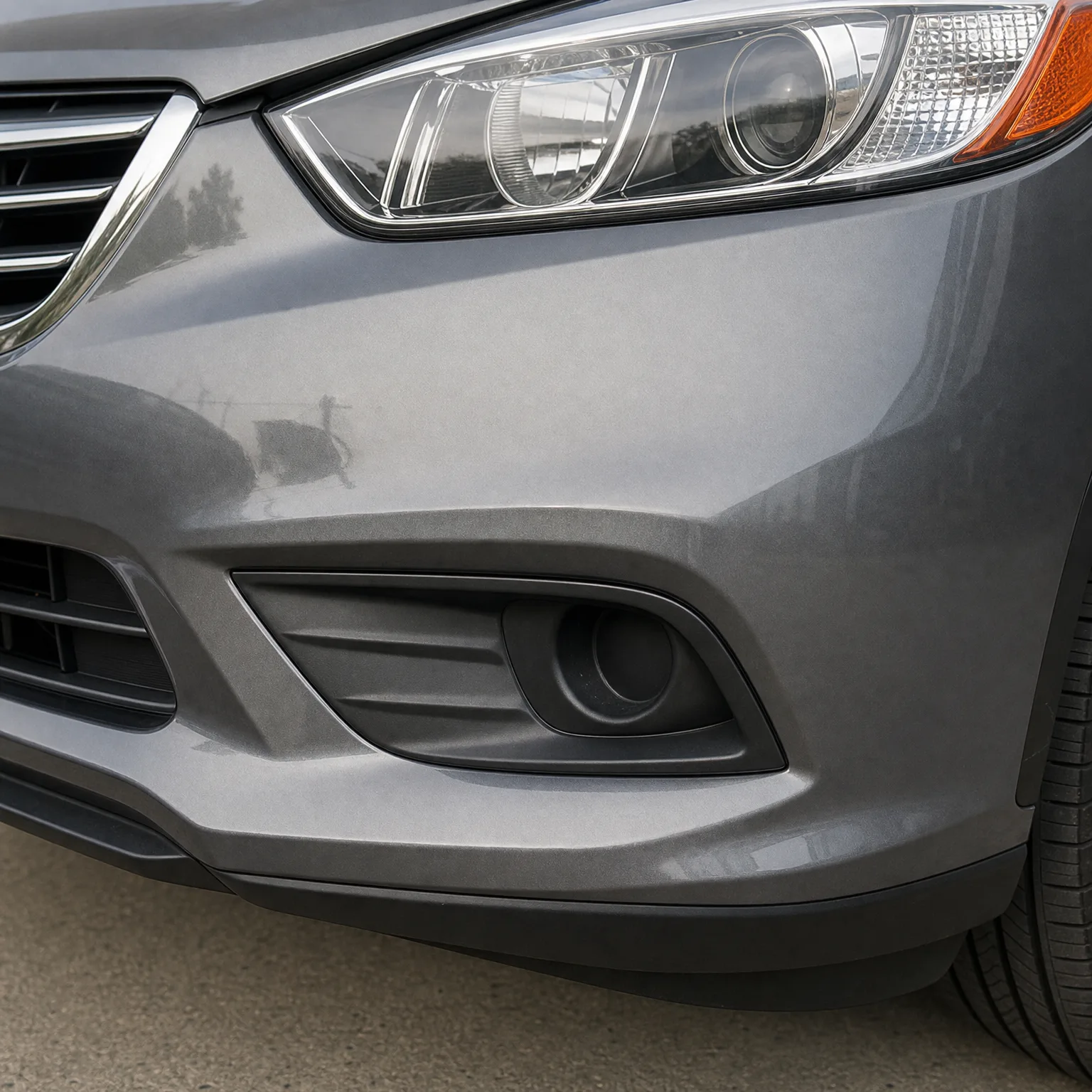
What happens when you file a claim
You pay your deductible first, and the coverage pays the rest up to the value of the repair. The deductible is set on your policy already, so check that number before you decide whether filing even makes sense for a smaller repair.
You'll typically file a police report first, since insurers want that on record for a theft claim. Then you call your insurer, describe what happened, and they'll either send you to a shop or ask you to get an estimate.
The payment covers the part and the labor to install it, along with any exhaust damage from the theft itself. It won't cover a rental car unless you added that coverage separately, so it helps to know ahead of time whether you have it.
Have your policy number, the police report, and photos of the damage ready when you call. A shop estimate speeds things along too, especially if you already have a mechanic you trust.
Comprehensive vs. collision coverage
Comprehensive coverage
This pays for damage to your car from things other than a crash, like theft, fire, falling branches, or hail. Catalytic converter theft falls under this coverage specifically.
Collision coverage
This pays for damage from hitting another car or object, or from rolling your own vehicle. It has nothing to do with theft or vandalism.
If what worries you is someone stealing parts off your car while it's parked, comprehensive is the one that matters, not collision.
Real situations
You park at church on a Sunday morning and come out to find your car running loud, with the converter cut out from underneath.
This pays, since converter theft is exactly what comprehensive covers.
A hailstorm rolls through while your car sits in the driveway overnight and dents the hood and roof.
This also pays, since hail damage falls under the same comprehensive coverage as theft.
You back out of a parking space and clip a shopping cart corral, denting your bumper.
This doesn't pay, since that's collision damage from your own driving, not theft or weather.

Now that you know what comprehensive coverage does for catalytic converter theft, compare quotes with your deductible and coverage level already decided.
Questions people ask about this
How much does it cost to replace a stolen catalytic converter?
The cost depends on your vehicle and the type of converter it uses, since some are worth far more to thieves and far more to replace than others. Trucks, SUVs, and hybrids tend to have pricier converters. Check with a local shop for an estimate specific to your make and model.
Does adding an anti-theft device lower my insurance cost?
It can, since many insurers offer a discount for verified anti-theft equipment, though this varies by policy and by state. A catalytic converter shield or etching kit may qualify. Ask your insurer directly what devices they recognize.
Will my insurance rate go up after a catalytic converter theft claim?
It's possible, though comprehensive claims typically affect rates less than at-fault accidents do. How much it affects you depends on your insurer and your overall claims history. Ask your agent how a comprehensive claim specifically factors into your renewal.
Can I get my catalytic converter engraved to prevent theft?
Yes, many auto shops and some police departments offer engraving or etching services that mark the converter with your vehicle identification number. This makes the part harder to sell and can deter theft. Some insurers also recognize this as a discount-qualifying anti-theft measure.
Is catalytic converter theft covered if I park in a garage I rent elsewhere?
Yes, comprehensive coverage follows the vehicle regardless of where it's parked, whether that's your home, a rented garage, or a public lot. What changes is your risk level, not your coverage. A locked, enclosed space generally lowers the chance of theft happening in the first place.