Collision Coverage on an Older Car
Collision coverage pays to repair or replace your car after it hits, or is hit by, another vehicle or object, no matter who caused it.
What collision coverage pays for
Covers
- Hitting another vehicle If you collide with another car, this pays to fix or replace yours regardless of fault.
- Hitting a fixed object Running into a mailbox, fence, guardrail or garage door is covered the same way as hitting another car.
- Single car rollovers If you lose control and roll or flip without hitting anything else, the damage is still covered.
- Potholes and road damage Collision covers the kind of impact damage a bad pothole or loose piece of road debris can cause.
- Replacement if it's totaled If repair costs more than the car is worth, this pays out its value instead so you can replace it.
Doesn't cover
- Theft or vandalism Someone breaking a window or stealing the car falls under comprehensive coverage, not collision.
- Weather and animals Hail, flooding, or hitting a deer are also comprehensive claims, even though they involve the car getting damaged.
- Your medical bills Injuries to you or your passengers are handled by medical payments or personal injury protection, not this coverage.
- The other driver's car Damage you cause to someone else's vehicle is paid by your liability coverage, a separate part of your policy.
- Mechanical breakdown A failed transmission or dead battery isn't a collision and isn't covered here at all.
For a lot of older cars, this coverage isn't worth the cost
The first question is simple: what is the car actually worth right now. If it's an older model with high mileage, its value may be low enough that a payout wouldn't cover much after the deductible is taken out. At some point you're paying every year for a payout that barely matters.
Whether the car is paid off matters too. If there's still a loan or lease, the lender almost certainly requires this coverage, so the decision isn't really yours to make yet. Once it's paid off, you're free to drop it if the math doesn't work in your favor anymore.
Think about what you could absorb from savings without strain. If losing the car tomorrow and paying out of pocket for a replacement wouldn't set you back much, carrying this coverage is optional protection rather than a necessity. If it would be a real hardship, that tips the other way even on an older car.
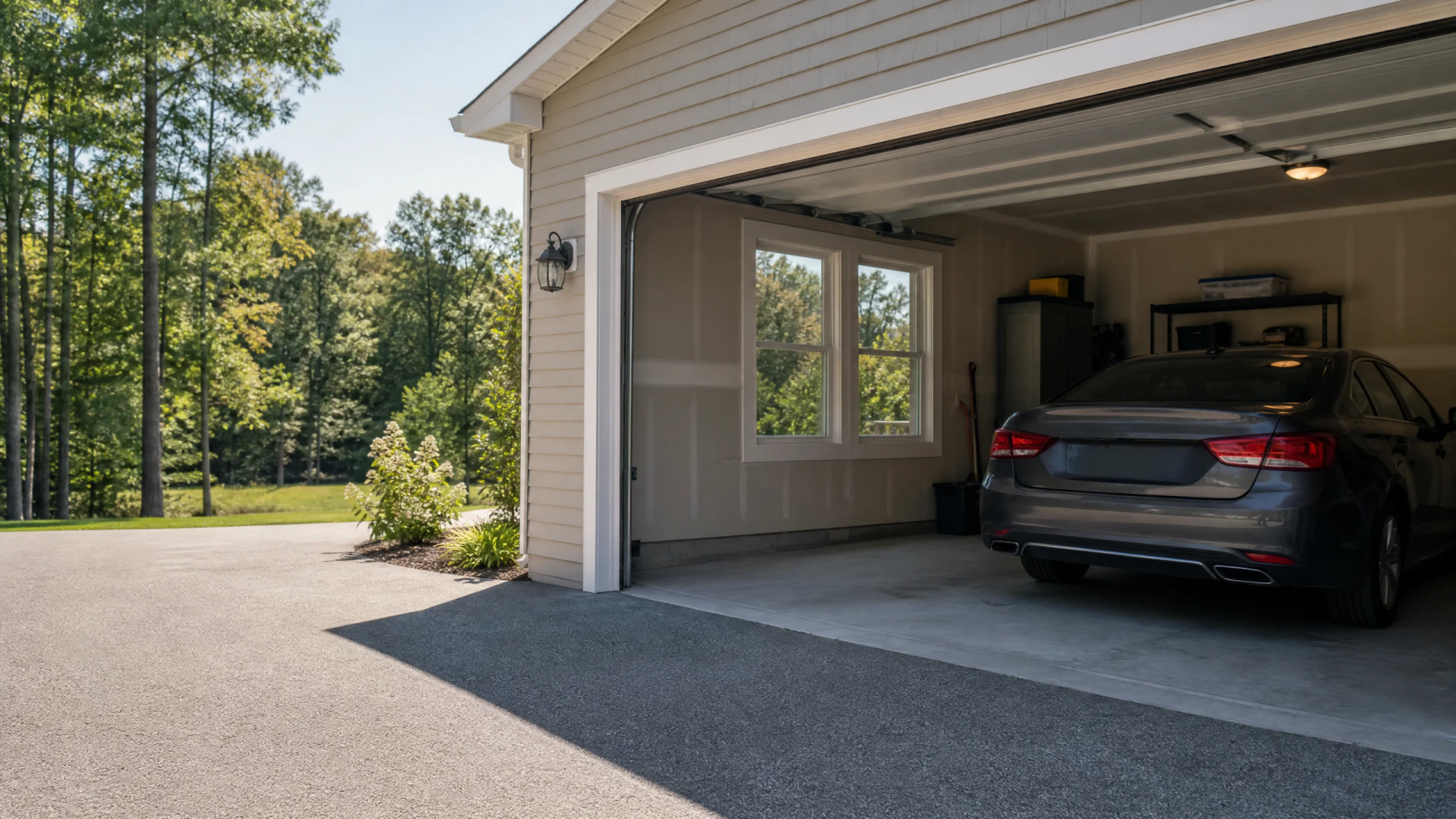
How much you drive and where the car spends its time also plays in. A car driven daily on busy roads carries more risk than one that mostly sits in a garage and makes short trips to church or the store. Less driving and safer parking both lower the odds you'll ever need this coverage at all.
What happens when you actually file a claim
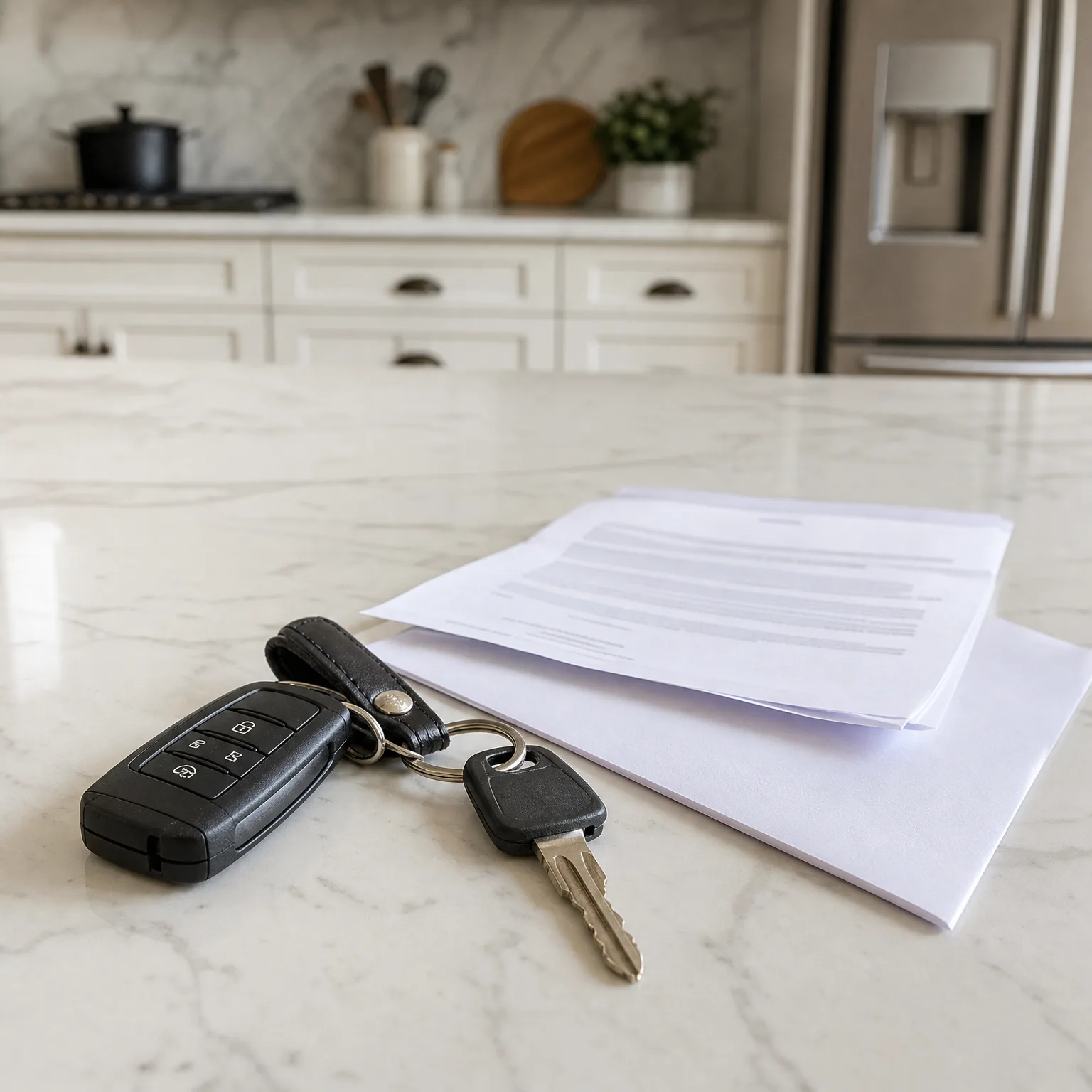
You pay a deductible first, and the coverage pays the rest of the approved repair cost up to the car's value. You choose that deductible amount when you set up the policy, and a higher one lowers your premium but means more out of pocket if something happens. After an accident, you report it, an adjuster looks at the damage or reviews photos and a repair estimate, and the insurer either approves a repair shop payment or declares the car a total loss.
If it's a total loss, the payout is based on the car's actual value right before the accident, not what you paid for it years ago or what you'd need to buy something comparable today. That number often surprises people with an older car, since value drops a lot over time even if the car still runs fine.
Have your policy number, photos of the damage, and a written estimate or two ready when you file. If another driver was clearly at fault, your insurer may pursue their insurer afterward to recover what it paid out, which can reduce or eliminate the impact on your own claims history.
Collision versus comprehensive coverage
Collision coverage
This pays for damage from hitting another car or object, or from rolling your own vehicle, regardless of who's at fault. It only applies to actual collisions and impacts.
Comprehensive coverage
This pays for damage that isn't a collision, like theft, vandalism, fire, hail, flooding, or hitting an animal. The two are usually sold together but cover different kinds of events.
If you're deciding whether to carry coverage at all on an older car, weigh them separately, since your risk from weather or theft may be very different from your risk of an actual collision.
Real situations
A hailstorm rolls through while your car is parked at church and dents the hood and roof.
This doesn't pay, since hail damage falls under comprehensive coverage, not collision.
A deer runs into the road at dusk on a county highway and you can't stop in time.
This doesn't pay either, since hitting an animal is also a comprehensive claim.
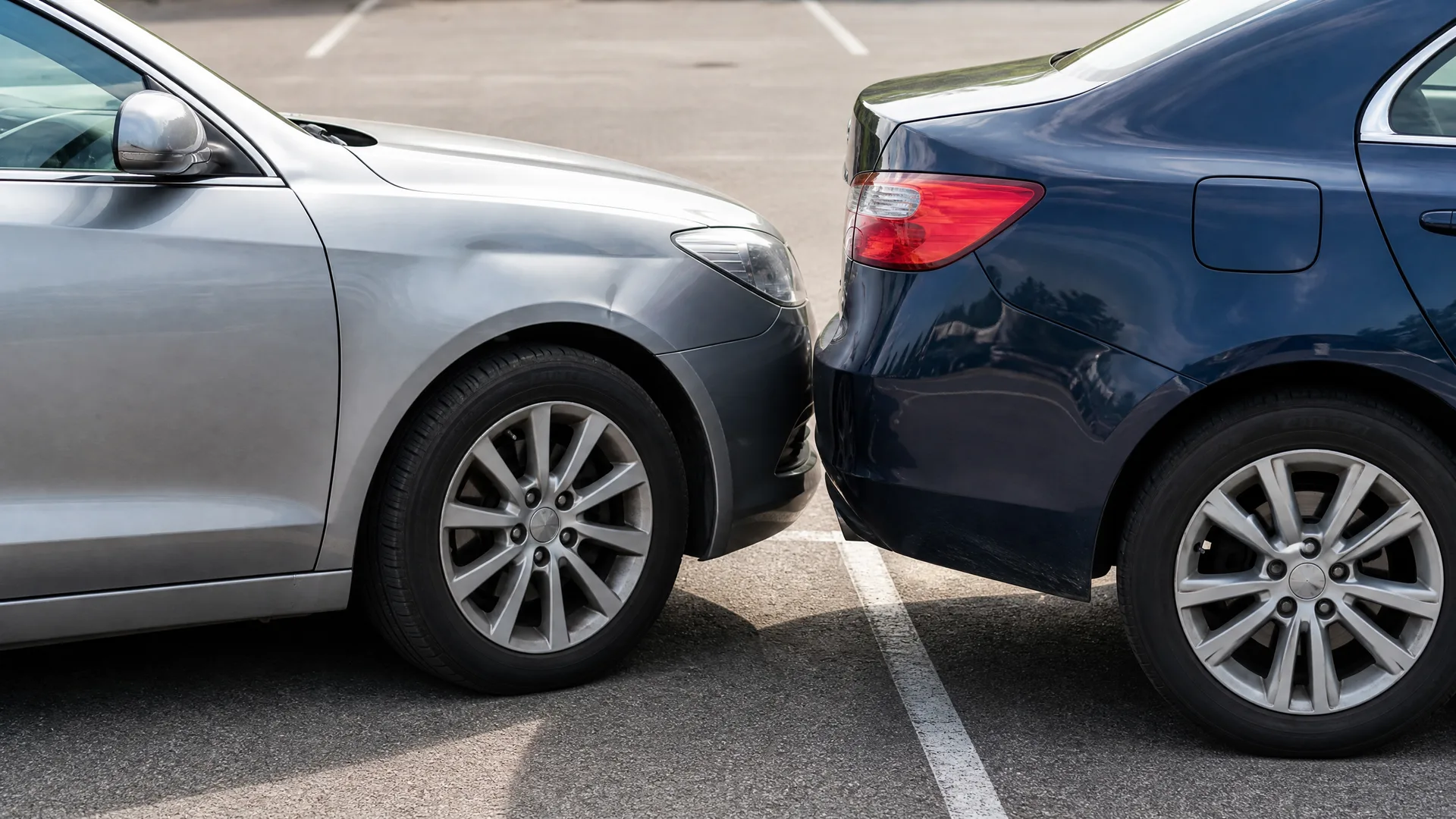
You back out of a parking space at the grocery store and clip a concrete post.
This pays, since hitting a fixed object is exactly what collision coverage is for.
Once you've decided whether to keep, drop, or adjust this coverage, compare quotes with that choice already in mind so you're only paying for what still makes sense.
Questions people ask about this
How do I find out what my car is worth for insurance purposes?
Your insurer calculates this using sources like recent sale prices for similar cars in your area, condition, and mileage at the time of a claim. You can get a rough sense beforehand by checking listings for the same year, make and model near you. Your agent can also walk through how they'd value your specific car if you ask.
Can I drop collision coverage and keep comprehensive?
Yes, the two are separate and you can carry one without the other once the car is paid off. Many people keep comprehensive for theft and weather risk while dropping collision once the car's value drops low enough. Check with your insurer on how dropping one affects your premium for the other, since they're sometimes bundled with a discount.
What happens if I cause an accident and don't have this coverage?
Your liability coverage would still pay for the other driver's damage, but you'd pay out of pocket to repair or replace your own car. This is the real tradeoff of dropping collision coverage, so it only makes sense if you could comfortably absorb that cost yourself. Whether this coverage is required at all can vary by state if you have a loan, so check your own policy.
Does my premium go up after a collision claim?
It often does, though by how much depends on your insurer, your history, and whether you were at fault. Some insurers offer forgiveness for a first accident or reduce the impact for long-time policyholders, so it's worth asking directly. If another driver was clearly at fault and their insurer reimburses yours, the effect on your rate may be smaller or nonexistent.
Is it cheaper to raise my deductible on an older car?
Raising your deductible usually lowers your premium, since you're agreeing to cover more of any claim yourself. On an older car this can make sense if the car's value is already low, since a high deductible combined with a low payout may leave little benefit from the coverage at all. Weigh the savings against what you could actually afford to pay if you needed to file a claim.