Collision Coverage on an Electric Car
Collision coverage pays to repair or replace your electric car after it hits another vehicle or object, or flips over, no matter who caused it.
What this coverage pays for
Covers
- Collision with another vehicle If you hit another car, or another car hits you and it's unclear who's at fault, this pays toward fixing your electric car.
- Hitting a fixed object A mailbox, a guardrail, a parked car in a lot, a tree you back into, all of it falls under this coverage.
- Single-car accidents If you slide off the road or roll the car with nobody else involved, this is the coverage that responds.
- Battery and drivetrain damage from impact The battery pack, motor and charging port are part of the car, so collision damage to them is covered the same as any other part.
- A rental car while yours is repaired Many policies include this as an add-on alongside collision, worth checking since electric car repairs often take longer.
- Total loss payout If repair costs more than the car is worth, this coverage pays out the car's value instead of fixing it.
Doesn't cover
- Hail, fire, flooding or theft Damage with no collision involved is handled by comprehensive coverage, not this one.
- Hitting a deer or other animal Animal strikes are treated as comprehensive claims in most policies even though they feel like a collision.
- Battery degradation over time Normal loss of range or battery life has nothing to do with an accident, so no collision coverage applies to it.
- Mechanical breakdown A failed motor, software glitch or charging system fault with no impact involved isn't a collision and isn't covered here.
- Medical bills from the crash Your own injuries and the other driver's are handled under separate medical or liability coverages, not this one.
- Damage to the other car What you owe the other driver for their vehicle comes out of your liability coverage, not this one.
Whether it's worth keeping depends on the car, not your age
The math here has nothing to do with how old you are and everything to do with what the car is worth and what you could absorb yourself. If the car is paid off and worth a modest amount, you're choosing between paying a premium every year or self-insuring the risk of a total loss. Many electric cars lose value quickly in the first several years, so a car that cost a great deal new may not be worth protecting at the same level a few years in.
Think about what you'd do the day after a bad accident. If you have enough set aside to replace the car outright, dropping this coverage frees up money you're otherwise paying every year for a payout you could cover yourself. If replacing the car would strain your savings, keeping the coverage is the more comfortable choice even if you rarely drive.
How much you drive and where the car spends its time matters too. A car that sits in a garage and only goes out for errands carries less risk than one driven daily on highways or unfamiliar roads. If you've cut back on driving, that's worth factoring in alongside the car's value, though it doesn't eliminate the risk entirely since most collisions happen close to home.
If the car is financed or leased, this decision usually isn't yours to make. Lenders and leasing companies almost always require this coverage for as long as you owe money on the car, so the choice only opens up once it's paid off.
What happens when you actually use it
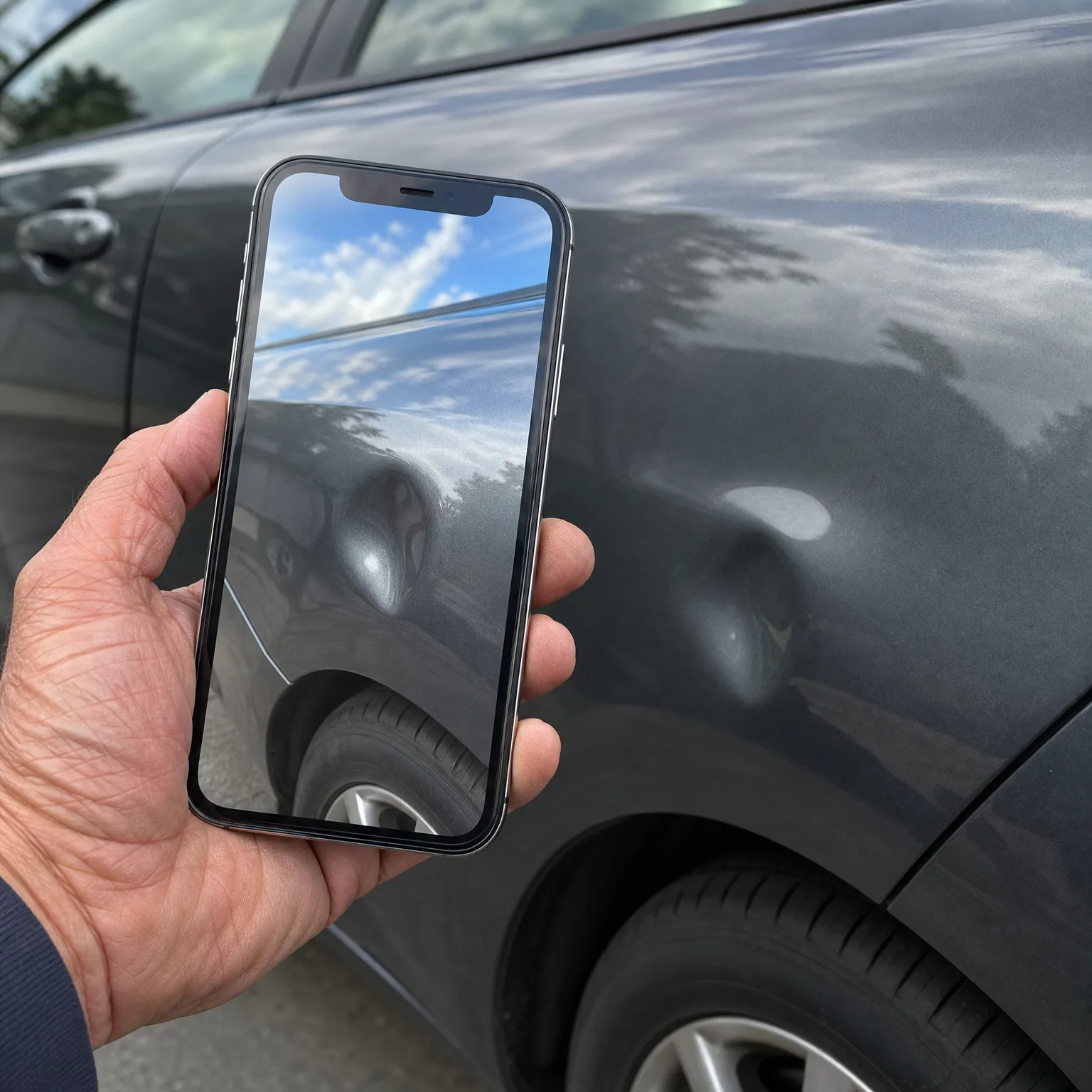
You pay a deductible first, and the coverage pays the rest up to the car's value. You choose that deductible when you set up the policy, and raising it lowers what you pay for the coverage year to year while raising what you'd owe out of pocket after a claim. After an accident, you report the claim, the insurer sends someone to inspect the damage, and for an electric car that often means a shop with specific training on the battery and electrical systems rather than a general body shop.
If the car can be repaired, the payment covers the repair cost above your deductible, and you'll want the car looked at carefully since hidden battery damage isn't always visible from the outside. If the damage is severe enough that repair costs more than the car's value, the insurer declares it a total loss and pays you that value instead, minus your deductible.
Have your policy number, photos of the damage, and a written estimate or two ready when you file. If another driver was involved, their information and any police report help the claim move faster. For an electric car specifically, ask early whether the shop handling it has experience with battery pack repair, since not every body shop does.
Collision coverage versus comprehensive coverage
Collision coverage
This pays for damage from hitting another vehicle or object, or from your car flipping or sliding off the road. It applies regardless of who caused the accident.
Comprehensive coverage
This pays for damage that isn't from a collision, including hail, fire, flooding, theft, vandalism and hitting an animal. The two are usually sold together but priced separately.
If you're deciding whether to drop one to save money, look at which risks worry you more, since dropping collision leaves you exposed to accidents while dropping comprehensive leaves you exposed to weather, theft and animal strikes.
Real situations
You're parked at church and a sudden hailstorm dents the hood and cracks a window.
This doesn't pay, since hail is a comprehensive claim rather than a collision.
A deer runs into the road at dusk on a county highway and you can't stop in time.
This doesn't pay either, since animal strikes fall under comprehensive coverage even though it feels like a collision.
You misjudge the distance backing out of a parking space and hit a concrete pillar.
This pays, since hitting a fixed object is exactly what collision coverage is for.
Once you know whether you're keeping, adjusting or dropping this coverage, you can compare quotes with that decision already settled.
Questions people ask about this
Does collision coverage cost more for an electric car than a gas car?
It often does, mainly because repairs tend to cost more. Electric cars need specialized parts and trained technicians for battery and drivetrain work, which can push up what it costs to insure that repair risk. Ask an insurer directly how they rate your specific model.
Do I need collision coverage if my electric car is paid off?
Not legally, in most cases, once there's no lender requiring it. Whether it makes sense depends on the car's value and how much of a loss you could cover yourself. It varies by state whether any minimum coverage is required at all, so check your own policy or state rules.
Will my insurer total my electric car over battery damage alone?
Possibly, since battery packs are expensive to replace and a damaged one can push repair costs past the car's value quickly. This is worth asking about directly, since the threshold for a total loss can be reached sooner on an electric car than a gas one. Get an estimate that separately lists battery repair or replacement cost.
Can I choose a different deductible for collision than for comprehensive?
Yes, most policies let you set them separately. Some people choose a higher collision deductible and a lower comprehensive one, or the reverse, depending on which risk worries them more. Ask your insurer how changing one affects your overall cost before deciding.
Does collision coverage pay for a loaner car while mine is being repaired?
Only if you've added rental reimbursement coverage alongside it, since collision coverage itself just pays for the repair or total loss. This is worth considering for an electric car specifically, since repairs can take longer while shops wait on specialized parts. Check whether your policy includes it or offers it as an add-on.