Collision Coverage on a Hybrid
Collision coverage pays to repair or replace your hybrid after it hits another car or object, or flips over, no matter who caused it.
What collision coverage actually pays for
Covers
- Collision with another car If you hit another vehicle, or it hits you and the fault is unclear, this pays toward fixing your hybrid.
- Hitting a fixed object A guardrail, a mailbox, a parked car in a lot, this covers the damage to your own car.
- Single car rollovers If you lose control and the car rolls or flips, the damage to your hybrid is covered.
- Hitting a pothole or debris Running over something in the road that damages your car counts as a collision.
- Battery and drivetrain damage from impact If the crash damages the hybrid battery pack or electric motor, that repair is part of the claim, not a separate one.
- Your car regardless of fault Even if the accident was entirely your doing, this coverage still pays to fix your own car.
Doesn't cover
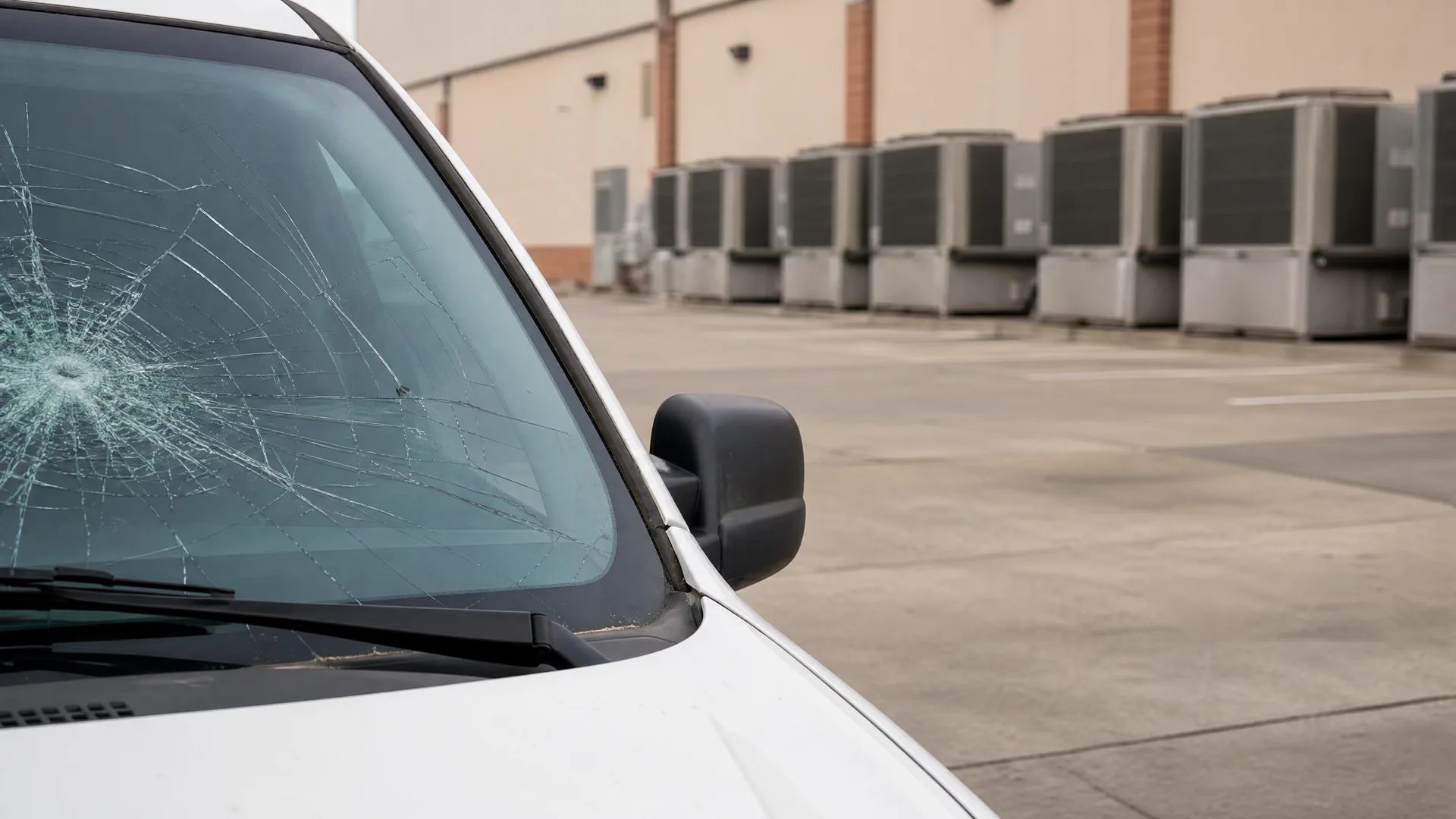
- Hail or storm damage That falls under comprehensive coverage, not collision, since nothing was struck by your driving.
- Hitting a deer or animal Animal strikes are handled by comprehensive coverage even though your car gets dented just the same.
- Theft of the car A stolen hybrid is a comprehensive claim, since no collision happened.
- Mechanical or battery failure on its own If the hybrid battery degrades or fails without a crash involved, that is a mechanical issue, not a collision claim.
- Injuries to you or passengers Medical costs are handled under medical payments or personal injury protection, not collision.
- Damage to the other driver's car That comes from your liability coverage, which is a separate part of your policy.
For a lot of older drivers with an older hybrid, this coverage costs more than it's worth
The math on this one depends almost entirely on what the car is worth today, not what you paid for it. A hybrid with a lot of miles on it, especially one that's paid off, may have a value low enough that a full repair bill would exceed what the insurer would ever pay out. At that point you're paying every year for a payout that's capped low.
If you could cover a major repair or a replacement car from savings without real strain, that changes the equation too. Some drivers this age have reached a point where self insuring the car itself, while keeping liability coverage in place, makes more sense than carrying collision year after year.
How much you drive matters as well. A car that mostly sits in the garage and makes short trips to the store or church has far less exposure than one driven daily on the highway. Less driving means fewer chances to need this coverage at all.
Where the car spends its time also plays a role. A hybrid parked on the street in a crowded area faces different risk than one tucked into a garage every night. If your car is paid off, worth modestly little, and rarely leaves a quiet driveway, dropping collision is a reasonable choice worth discussing with whoever holds your policy.
What actually happens when you file a collision claim
You pay a deductible first, and the insurer covers the rest of the repair cost up to what your hybrid is worth. If the repair would cost more than the car is worth, the insurer will instead declare it a total loss and pay you that value minus the deductible.
After an accident you report the claim, and an adjuster looks at the damage, often by inspecting the car in person or reviewing photos and a repair shop estimate. For a hybrid, make sure the shop doing the estimate has experience with the battery pack and electric components, since a generic body shop may miss damage there.
Have your policy number, the other driver's information if there was one, and a description of what happened ready when you call. Photos of the damage and the scene help the claim move faster.
The payment covers the physical damage to your car. It won't cover a rental car unless you've added that separately, and it won't cover anything that was already wrong with the car before the accident.
Collision versus comprehensive
Collision coverage
This pays for damage from hitting another car or object, or from your car rolling over. It applies no matter who caused the accident.
Comprehensive coverage
This pays for damage that isn't from a collision, like hail, fire, theft, vandalism, or hitting an animal. The two are often sold together but they answer different kinds of damage.
If you're deciding whether to keep collision, think about crashes specifically, and let a separate decision about comprehensive cover the animal strikes and weather.
Real situations
You're pulling out of a parking space at the grocery store and clip a cart corral, denting the rear fender.
Collision pays for this, since it was your car hitting a fixed object, after your deductible.
A hailstorm hits while your hybrid is parked outside during a visit to family, leaving dents across the hood and roof.
Collision doesn't pay for this, since hail is handled under comprehensive coverage instead.
Driving home at dusk on a county road, a deer runs into your path and you can't avoid it.
Collision doesn't pay for this either, since animal strikes fall under comprehensive, not collision.
Once you've decided whether to keep, drop, or adjust your collision coverage, compare quotes with that choice already made so you're pricing the policy you actually want.
Questions people ask about this
What happens to my hybrid battery if it's damaged in an accident?
If the battery is damaged in a collision, repairing or replacing it is covered as part of the collision claim. The cost of hybrid batteries can push a repair estimate close to the car's total value faster than it would on a gas car, so total losses happen more often with hybrids. Ask your shop to inspect the battery pack specifically after any impact, since damage there isn't always visible.
Does my insurance company know I drive a hybrid?
Yes, your policy is written based on the make and model you told them, including that it's a hybrid. This affects your rate and how repairs are valued, since hybrid parts and labor can cost more than conventional ones. If you've switched to a hybrid recently, confirm your policy reflects that and not your old vehicle.
Can I drop collision coverage if my car loan is paid off?
Yes, once there's no lender requiring it, dropping collision becomes your choice rather than a requirement. Lenders typically require collision and comprehensive coverage as a condition of the loan, but that requirement ends when the loan is paid off. Whether you should drop it depends on the car's value and what you could absorb yourself.
Will my rate go up if I file a collision claim on my hybrid?
It can, since insurers generally view a filed claim as a sign of future risk, though how much it affects your rate varies by insurer and by state. Some policies include forgiveness for a first claim after years without one. Check your own policy or ask your agent whether that applies to you before assuming the worst.
Does collision coverage cover a rental car while mine is being repaired?
No, collision coverage by itself doesn't pay for a rental car. That's a separate add on, often called rental reimbursement, which you'd need to have added to your policy beforehand. Check your declarations page to see if you already have it, since many older policies do include it even if the owner forgot.