Collision Coverage on a Minivan
Collision coverage pays to repair or replace your minivan when it hits another vehicle or object, or rolls over, no matter who caused it.
What this coverage pays for
Covers
- Hitting another car If you're at fault in a crash, this pays to fix your minivan regardless of the other driver's insurance.
- Hitting a fixed object A mailbox, a guardrail, a garage door frame backed into too fast, all of it falls under this coverage.
- Single vehicle rollover If the minivan rolls or flips without another car involved, collision still applies.
- Potholes and road damage Hitting a deep pothole hard enough to bend a wheel or damage the undercarriage counts as a collision.
- Hit and run damage If someone hits your parked minivan and leaves, this coverage pays even though no one is there to blame.
Doesn't cover
- Deer and animal strikes Hitting an animal is handled by comprehensive coverage, not collision, even though a deer strike can total the van.
- Hail and storm damage Weather damage falls under comprehensive, since nothing was struck on the road.
- Theft of the vehicle A stolen minivan is a comprehensive claim, not a collision one.
- Your medical bills Injuries from the crash are handled under medical payments or personal injury protection, not this coverage.
- Mechanical breakdown A transmission failure or engine trouble isn't a collision event, so this coverage doesn't touch it.

It depends mostly on what the van is worth, not your age
Your age has nothing to do with whether this coverage makes sense. What matters is the minivan's value and whether you could absorb the cost of replacing it yourself.
If the van is paid off and worth a modest amount, you're paying premiums every year to protect a payout that may not be much larger than what you'd spend covering the damage out of pocket. At some point the math tips toward dropping it and self-insuring.
If you still owe money on the van, or if replacing it would strain your savings, keep the coverage. A paid-off van sitting in a garage most of the week is a different risk than one driven daily on highways.
How much you drive and where the van sits overnight both matter too. A minivan used mainly for short errands and grandkid pickups carries less risk than one used for regular long trips, and that can shift the decision either way.
How a claim actually works
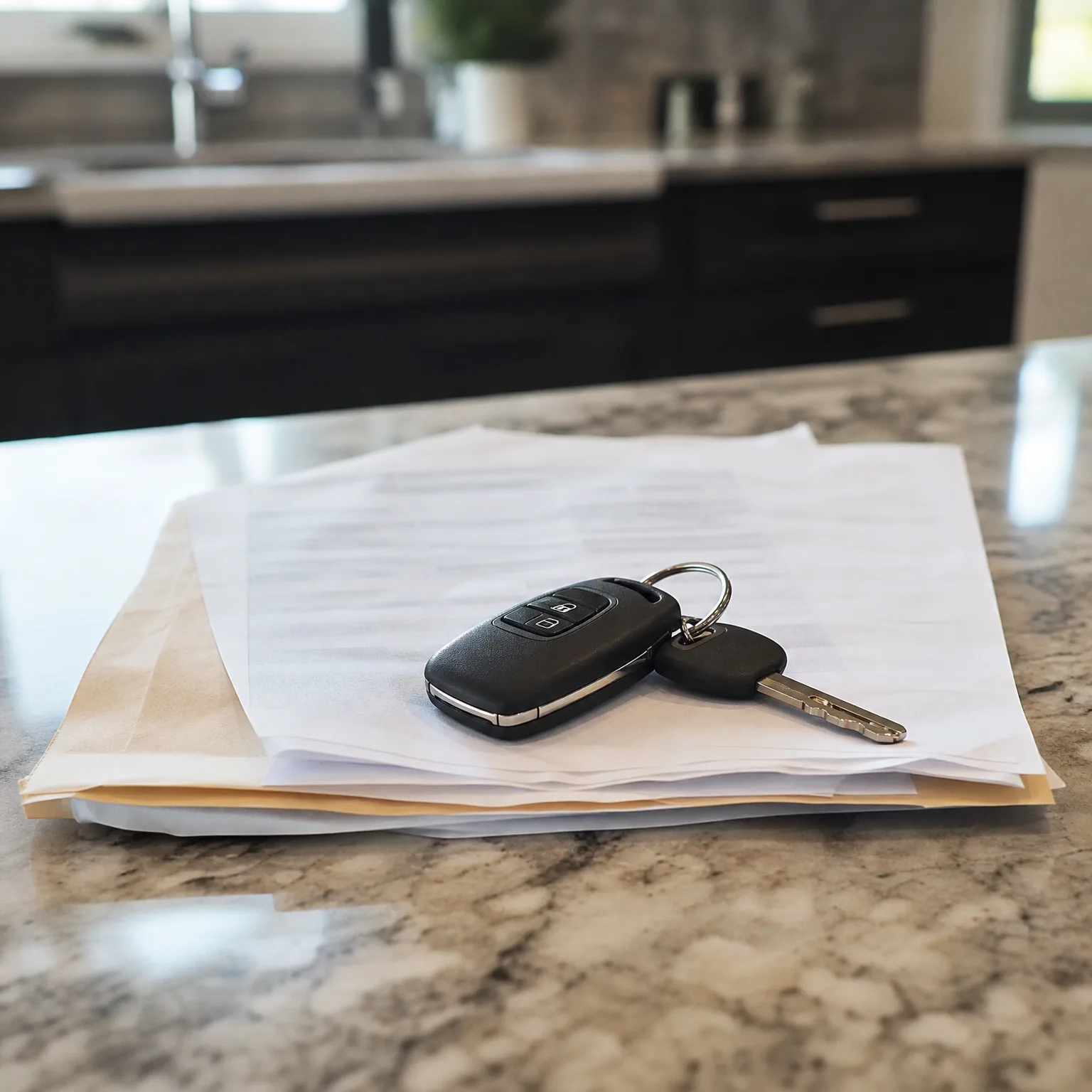
You pay your deductible first, and the coverage pays the rest of the repair or the value of the van if it's totaled. The deductible is a fixed amount you chose when you set up the policy, and it applies every time you file a collision claim, not just once a year.
After an accident, you report it, an adjuster or appraiser looks at the damage, and you get an estimate for repair or a total loss value. If the van is repairable, the shop gets paid directly in most cases, minus your deductible. If it's totaled, you get the van's value minus the deductible, and the insurer takes the vehicle.
Have your policy number, photos of the damage, and a written estimate ready if you can get one before the claim is settled. If another driver was clearly at fault, ask about pursuing their insurance afterward, since you may be able to get your deductible back.
Collision versus comprehensive
Collision coverage
This pays for damage from hitting another vehicle or object, or from a rollover. It only applies when your minivan actually strikes something or flips.
Comprehensive coverage
This pays for damage that isn't from a collision, like hail, fire, theft, vandalism, or hitting an animal. The two coverages are usually sold together but protect against different things.
If you drive mostly on busy roads, collision matters more, but if the van sits outside and animals or weather are a bigger risk where you live, comprehensive carries more weight.
Real situations
You're pulling out of a parking spot at church and clip a concrete post you didn't see.
Collision pays for the repair, minus your deductible, since you hit a fixed object.
A deer runs into the road at dusk on a county highway and you can't avoid it.
This is a comprehensive claim, not collision, since it's an animal strike.
Another driver rear-ends you at a stoplight and drives off before you can get their information.
Collision pays for your damage even though the other driver is gone, since hit and run falls under this coverage.

Once you know whether you're keeping, dropping, or adjusting this coverage, you're ready to compare quotes with that decision already settled.
Questions people ask about this
Can I drop collision coverage on an older paid off minivan?
Yes, you can drop it once the loan is paid off, since lenders no longer require it. Whether you should depends on if you could cover a repair or replacement from savings without trouble. Check the van's current value against what you're paying in premiums before deciding.
Does collision coverage follow the driver or the car?
It follows the car listed on the policy, not a specific driver. If someone else drives your minivan with your permission and causes a crash, the coverage still applies. Check your policy for any listed driver exclusions, since those can change this.
What happens if my minivan is declared a total loss?
The insurer pays you the vehicle's value at the time of the crash, minus your deductible, and takes ownership of the van. You can sometimes keep the van and get a reduced payout instead, if you ask. Check with your insurer about how they calculate value, since you can often negotiate it with comparable listings.
Will using collision coverage raise my rates?
It can, especially if the accident was your fault, though this varies by insurer and by state. Some policies include accident forgiveness for long term customers, which can prevent an increase after a first claim. Check your policy or ask your agent whether that applies to you.
Do I need collision coverage if I only drive my minivan occasionally?
Not necessarily, since low mileage lowers your risk but doesn't eliminate it entirely. A single accident, even a minor one, can still cost more than you'd want to pay out of pocket. Weigh how often you drive against what the van is worth and what you could afford to lose.