Collision Coverage for Seniors in Vermont
Collision coverage pays to repair or replace your own car after it hits another car or object, or rolls over, no matter who caused it.
What collision coverage actually pays for
Covers
- Hitting another vehicle If you're at fault in an accident, this pays for damage to your own car, not the other driver's.
- Hitting a fixed object A guardrail, a mailbox, a light pole, a tree, anything stationary you run into is covered.
- Single car rollovers If you lose control and the car rolls or flips with no other vehicle involved, it still applies.
- Potholes and road damage Collision with a pothole or a piece of debris in the road falls under this, not comprehensive.
- Hit and run damage to your car If someone hits you and drives off, this coverage can pay for your repairs while the other driver is tracked down or never found.
Doesn't cover
- Hail or storm damage That falls under comprehensive coverage, which handles weather, not collision.
- A deer or other animal Hitting an animal is treated as a comprehensive claim in most policies, even though it feels like a collision.
- Theft of the vehicle If the car is stolen, that's comprehensive coverage, not this one.
- Mechanical breakdown An engine or transmission failure isn't an accident, so collision coverage has nothing to do with it.
- Injuries to you or passengers Medical costs are handled by medical payments coverage, personal injury protection, or health insurance, depending on what you carry.
It's worth it if the car is worth more than you'd want to lose in one bad afternoon
Start with what the car is actually worth today, not what you paid for it. An older sedan with high mileage may not be worth much, and in that case the payout after a claim could be small, maybe smaller than you'd guess. Collision coverage only pays up to the car's current value minus the deductible, so the math changes every year the car ages.
If the car is paid off, you're free to drop this coverage and nobody will stop you. If there's still a loan or lease on it, the lender almost always requires you to keep it until the loan is gone. Once it's paid off, the decision is entirely yours.
Think about what you could cover out of savings without much trouble. If replacing or repairing the car outright wouldn't strain you, carrying collision coverage on a lower value car may just be paying for a loss you could absorb yourself. If a sudden repair bill would be a real problem, keeping the coverage buys you out of that risk.
How much you drive and where the car spends its time matters too. A car that mostly sits in a garage and makes short trips to the store carries less risk than one driven daily on highways or unfamiliar roads. Less driving generally means fewer chances to need this coverage, which is worth weighing against what you'd lose if the one time it happens is expensive.
How a collision claim actually goes
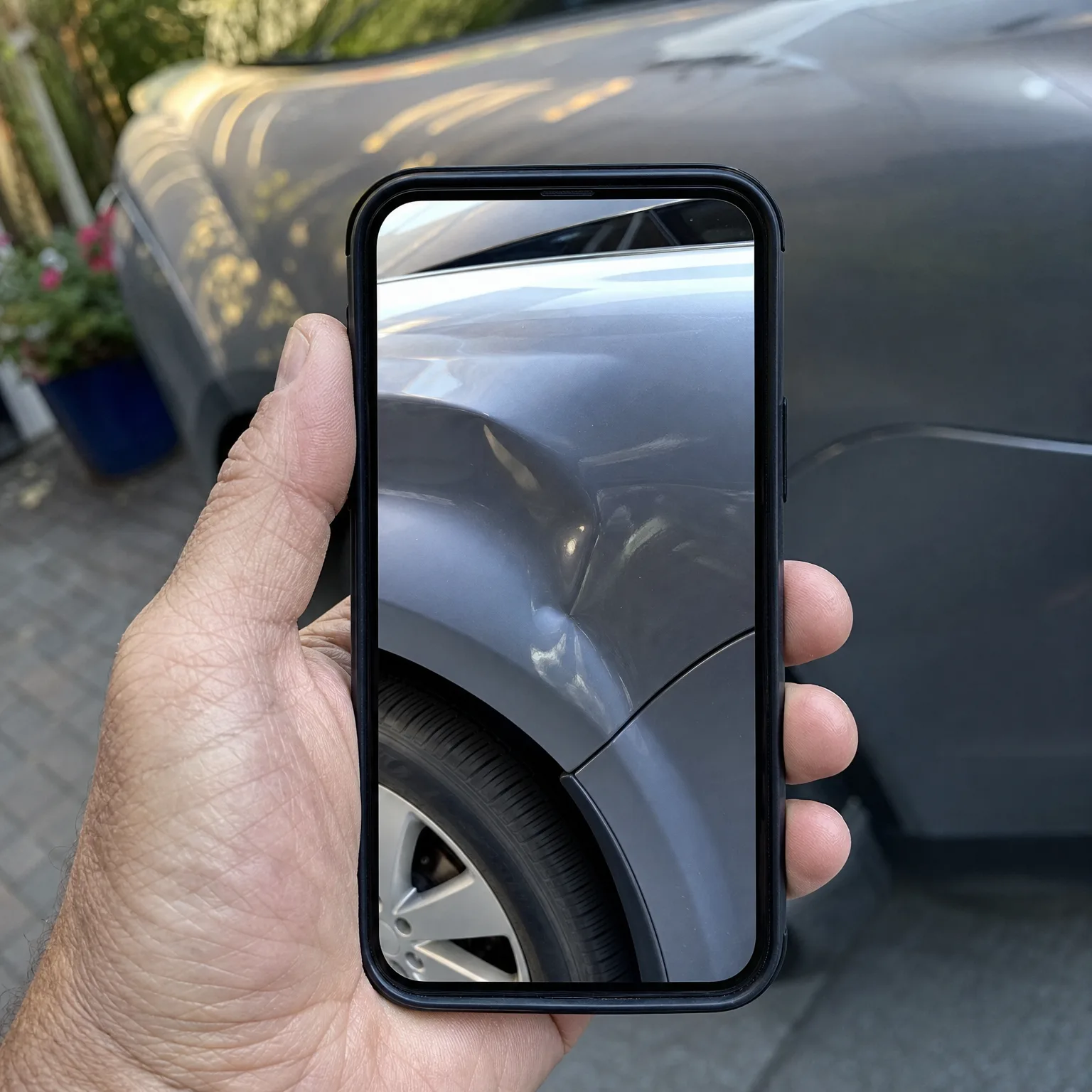
You pay a deductible out of pocket first, and the coverage pays the rest of the repair cost up to the car's value. If the repair would cost more than the car is worth, the insurer typically declares it a total loss and pays you the car's value instead of fixing it, again minus the deductible.
After an accident, you report the claim, an adjuster or appraiser looks at the damage, and you get an estimate for repair or a settlement offer if it's a total loss. Have your policy number, a description of what happened, and photos of the damage ready, since that speeds things along considerably.
The payout covers the physical damage to your car. It doesn't cover a rental car unless you've added that separately, and it doesn't cover anything you were carrying in the car at the time. Keep in mind that filing a claim can affect your rate going forward, so for smaller damage it's worth comparing the repair cost to the deductible before you file.
Collision coverage versus comprehensive coverage
Collision coverage
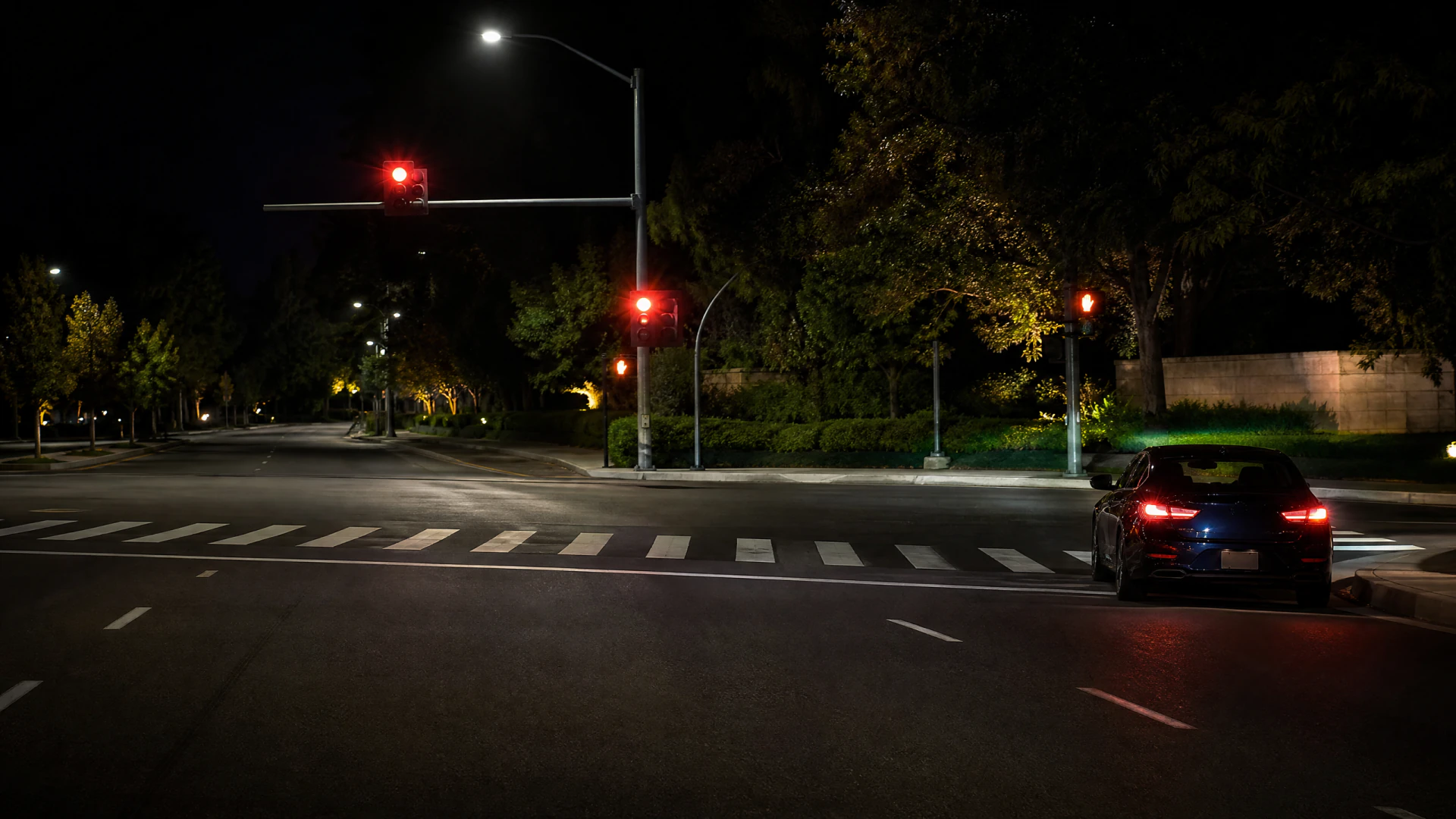
This pays for damage from hitting another car or object, or from rolling over, regardless of fault. It's about collisions you're involved in while driving.
Comprehensive coverage
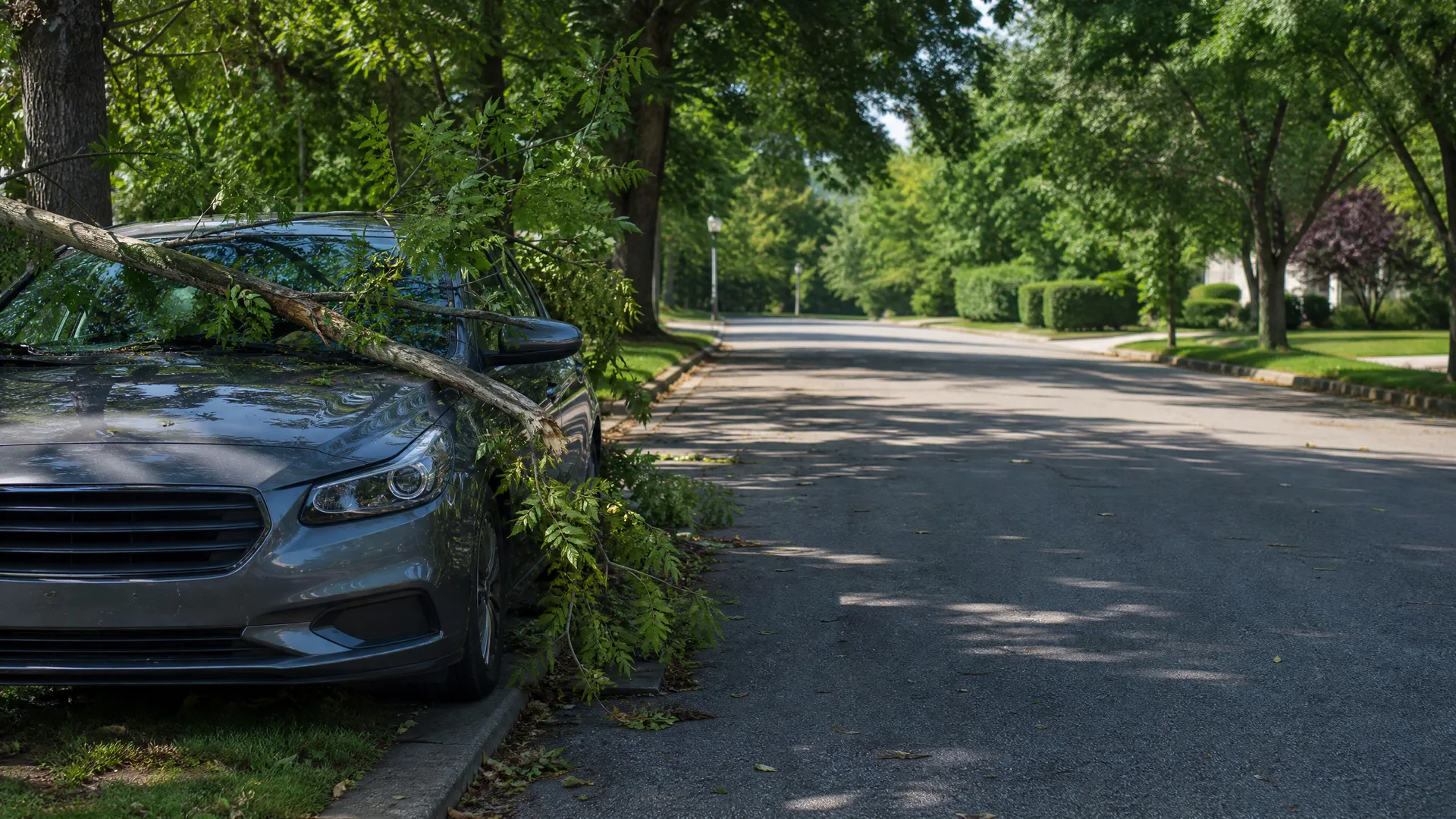
This pays for damage that isn't a collision, like weather, animals, theft, vandalism, or a cracked windshield from a rock. It covers things that happen to the car even when it's parked or not being driven.
If you drive often on roads with traffic or tight turns, lean toward keeping collision, and if your car sits outside and you're more worried about weather or theft, comprehensive matters more.
Real situations
You're pulling out of a parking lot at the pharmacy and clip a concrete post you didn't see.
This pays, since hitting a fixed object is exactly what collision coverage is for, minus your deductible.
A hailstorm hits while your car is parked outside during a Sunday service.
This doesn't pay, since hail damage falls under comprehensive coverage instead.
A deer crosses a county road at dusk and you can't stop in time.
This doesn't pay either, since hitting an animal is treated as a comprehensive claim even though it feels like a collision.
Once you know whether you're keeping, dropping, or adjusting this coverage, compare quotes with that decision already settled so you're only shopping for the right price.
Questions people ask about this
Can I drop collision coverage if my car is paid off?
Yes, once there's no loan or lease on the car, you're free to drop collision coverage entirely. Whether you should depends on what the car is worth and what you could cover yourself if it were damaged. Check your policy declarations page to see exactly what you're paying for this coverage before deciding.
Does collision coverage cover a cracked windshield?
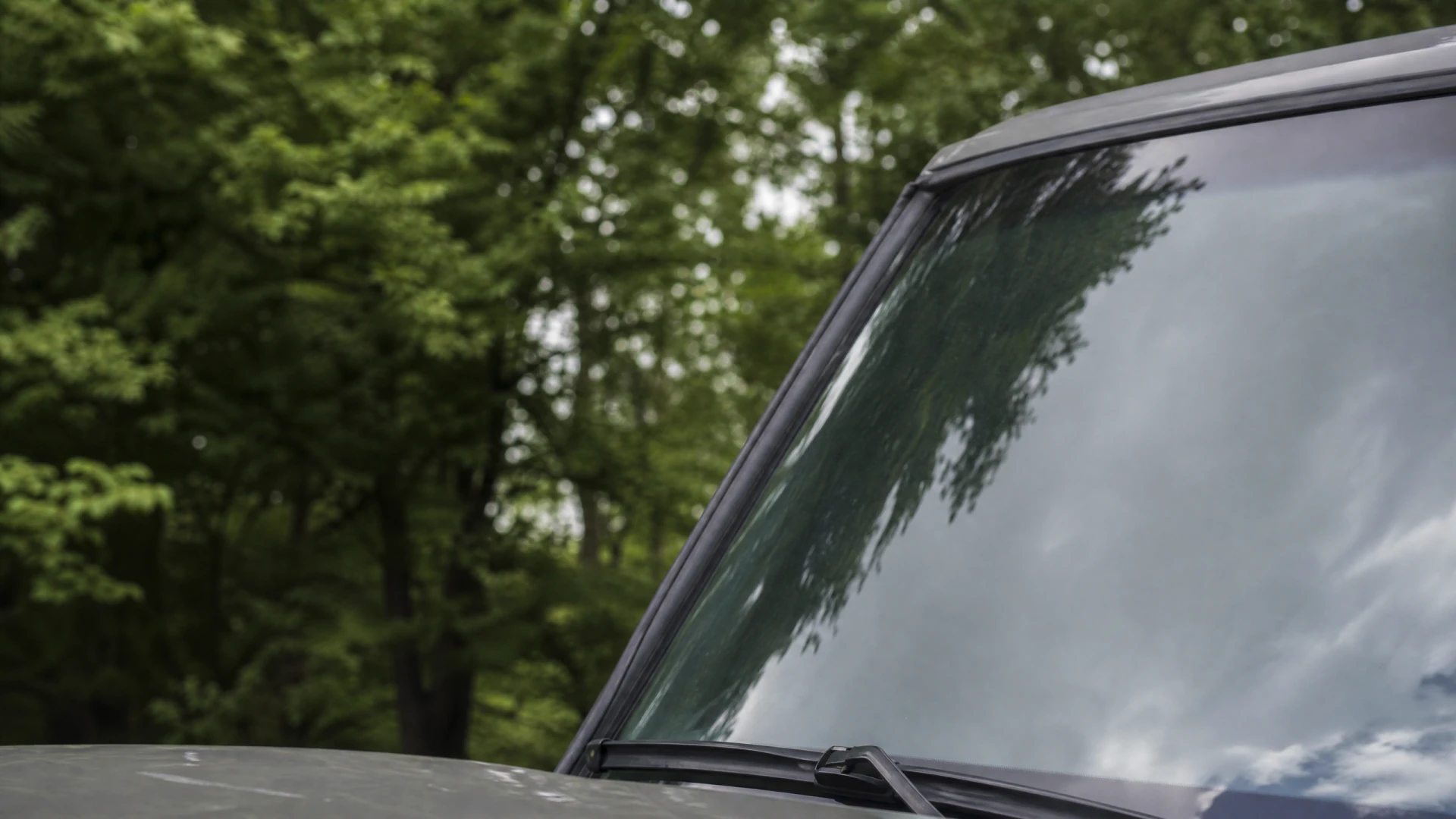
No, windshield damage from a rock or debris is typically handled under comprehensive coverage, not collision. If the windshield breaks as part of a larger collision, like hitting another car, that part may fall under collision instead. Check with your insurer on how they split glass claims, since it can depend on the specifics.
What happens if my car is declared a total loss?
The insurer pays you the car's current value at the time of the accident, minus your deductible, instead of paying for repairs. You can then use that payout toward another vehicle or whatever you choose. Ask your insurer how they determine value, since methods can vary.
Will my rates go up after a collision claim?
It's common for rates to increase after an at-fault collision claim, though how much and for how long varies by insurer and by state. Some policies offer forgiveness for a first claim, so it's worth asking whether yours does. This is worth weighing against the deductible before deciding whether to file for smaller damage.
Do I still need collision coverage if I rarely drive anymore?
Not necessarily, since less driving does lower your chances of needing it. It still comes down to what the car is worth and whether you could absorb a repair or replacement cost without it. Some insurers offer lower rates for low mileage drivers, so it's worth asking whether that changes the math for you.