Collision Coverage for Seniors in New Hampshire
Collision coverage pays to repair or replace your own car after it hits, or is hit by, another vehicle or object, no matter who caused the accident.
What collision coverage pays for
Covers
- Hitting another vehicle If you're at fault in a crash, this pays to fix your car regardless of who else is involved.
- Hitting a fixed object A mailbox, a guardrail, a parked car you back into, all of it falls under this coverage.
- Single car rollovers If you lose control and roll the car without anyone else involved, this still applies.
- Potholes and road damage Hitting a deep pothole hard enough to damage the car counts as a collision.
- Total loss payout If the car is damaged beyond what it's worth to repair, this pays out its value instead.
Doesn't cover
- Hitting a deer Animal strikes are treated as comprehensive claims, not collision, even though the damage looks the same.
- Theft or vandalism Someone breaking a window or stealing the car falls under comprehensive coverage instead.
- Hail or falling branches Weather and falling objects are also comprehensive claims, not collision ones.
- Injuries from the crash Medical costs for you or passengers come from medical payments or health coverage, not this.
- The other driver's car Damage to a car you hit is handled by your liability coverage, a separate part of the policy.
Whether it's worth keeping depends more on the car than your age
Age itself doesn't change whether collision coverage makes sense. What matters is the math around the car you're insuring now.
If the car is paid off and worth modest money, ask what you'd actually get back in a total loss. Older cars often have a value low enough that the payout barely covers what you'd spend on a replacement, and some people decide that gap isn't worth the premium.
If you could pay cash to repair or replace the car without much strain, dropping collision and setting that money aside yourself is a real option. If a sudden repair bill would hurt, keeping the coverage is doing its job.
How much you drive and where the car sits matter too. A car driven mostly to church, the store and back, kept in a garage at night, carries less risk than one on the highway daily. That's worth weighing against what the coverage costs you each year.

How a claim actually works
You pay a deductible first, and the coverage pays the rest of the repair or the car's value if it's a total loss. The deductible amount is something you chose when you set up the policy, and you can usually find it on your declarations page if you've forgotten.
After an accident, you report it, the insurer sends someone to look at the damage or asks you to get an estimate, and they tell you what they'll pay. If the car is repairable, the shop bills the insurer directly for everything above your deductible. If it's a total loss, you get a check based on the car's value, minus your deductible, minus anything still owed on a loan.
Have your policy number, the other driver's information if there was one, and photos of the damage ready when you call. A police report helps if the accident involved another vehicle or any injury, even a minor one.
Your rates may go up after a claim, which is part of why some people weigh the deductible and value question carefully before deciding whether to file at all for smaller damage.
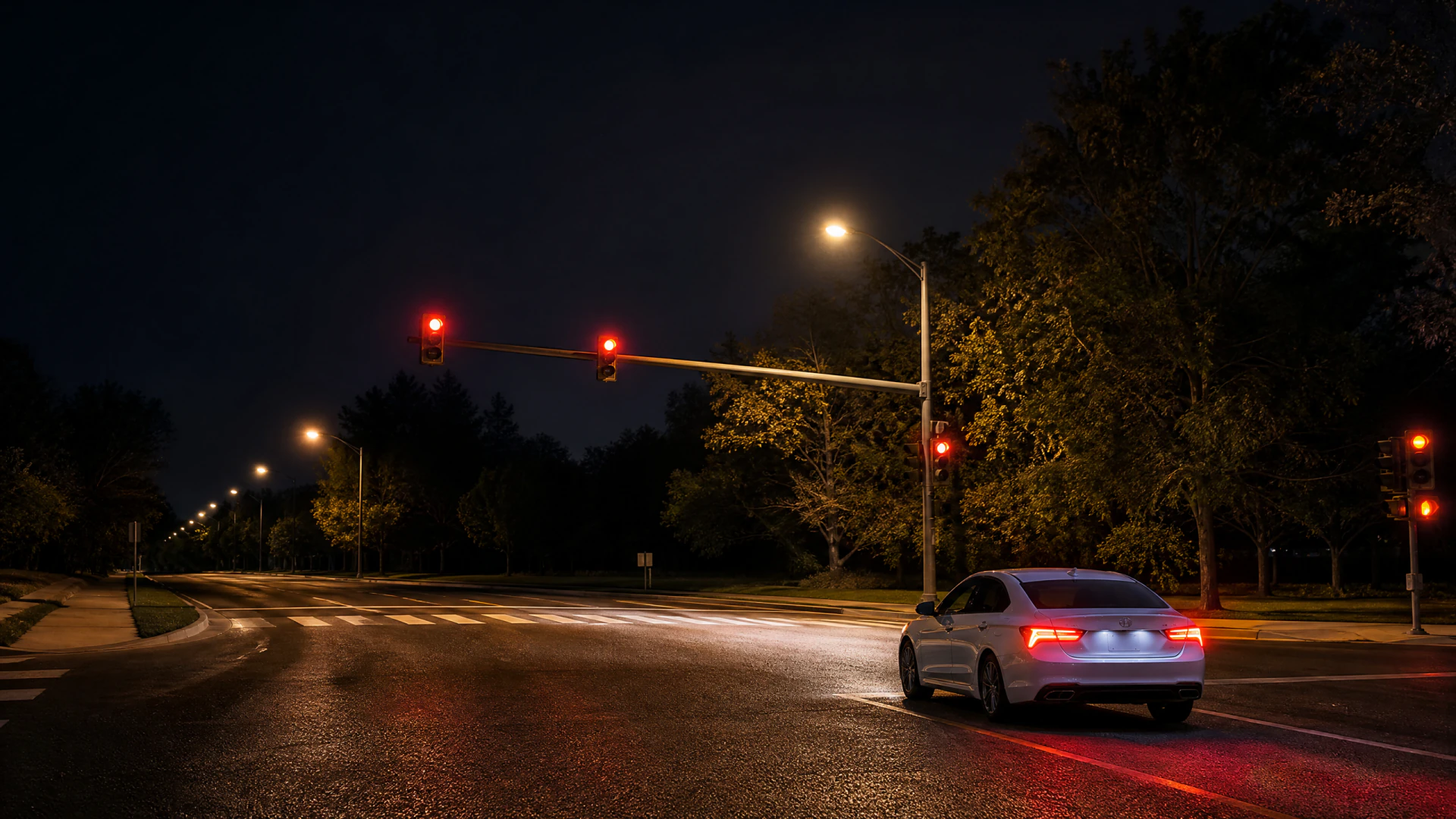
Collision versus comprehensive
Collision Coverage
This pays for damage from hitting another vehicle or object, or from a rollover, regardless of fault. It's about crashes you're involved in while driving.
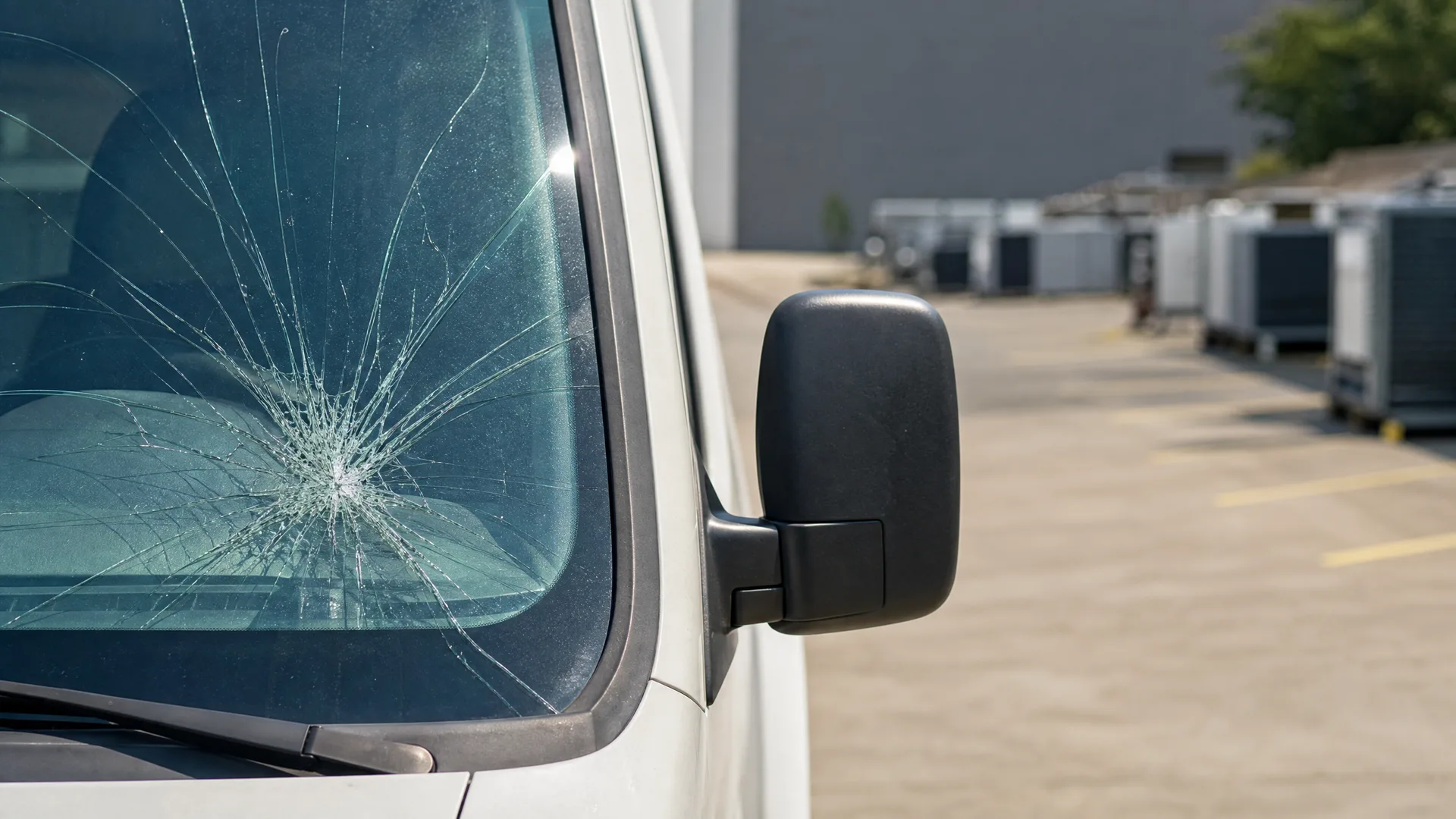
Comprehensive Coverage
This pays for damage that isn't a crash, like hitting a deer, storm damage, theft, or a cracked windshield from a rock. It covers things that happen to the car when you're not driving it into something.
Most people carry both together, but if you're deciding which to drop first, think about which risk worries you more where you live and park.
Real situations
You're pulling out of a parking space at the pharmacy and clip a concrete post you didn't see.
Collision pays for this, since it's damage from hitting a fixed object.
A hailstorm hits while your car is parked at church on a Sunday morning, leaving dents across the hood and roof.
This doesn't pay, since hail is a comprehensive claim, not a collision one.
You're driving a county road at dusk and a deer runs into the side of the car.
This doesn't pay either, since animal strikes fall under comprehensive coverage even though the damage is similar to a crash.
Once you know whether you're keeping, adjusting, or dropping this coverage, you can compare quotes with that decision already settled.
Questions people ask about this
What deductible should I pick for collision coverage?
Pick a deductible you could pay out of pocket without trouble, since that's the amount you'll owe before any claim pays out. A higher deductible usually lowers what you pay for the coverage, but only helps if you have the savings to cover it. Check what you chose when the policy started, since many people set it once decades ago and never revisit it.
Does collision coverage follow the car or the driver?
It follows the car listed on the policy, not the person driving it. If someone else drives your car with permission and has an accident, your collision coverage is what responds, not theirs. This can matter if an adult child or grandchild borrows the car regularly, and it's worth checking how your policy handles that.
Can I add collision coverage back after dropping it?
Yes, you can usually add it back at your next renewal or by calling your insurer directly. There may be a gap where the car has no collision coverage between dropping it and adding it back, so time the change carefully. If you're financing or leasing the car, your lender may require you to carry it continuously anyway.
Does collision coverage cover a rental car after an accident?
No, collision coverage pays for your own car, not a rental you're using while yours is repaired. A separate add on called rental reimbursement handles that, and it's a different line on your policy. Check whether you have it if being without a car for a stretch would be a real hardship.
Is collision coverage required to keep a car on the road?
Whether any coverage is required varies by state, so check your own policy or your state's requirements directly. Lenders and leasing companies often require collision coverage separately from what the state requires, as a condition of the loan. If your car is paid off, that lender requirement no longer applies, which is part of why some owners reconsider it at that point.