Collision Coverage for Seniors in New Mexico
Collision coverage pays to repair or replace your own car after it hits another vehicle or object, or flips over, no matter who caused the accident.
What collision coverage actually pays for
Covers
- Hitting another vehicle If you cause a crash with another car, this pays to fix or replace yours.
- Hitting a fixed object Mailboxes, fences, garage doors, guardrails, light poles, this covers damage from running into things that don't move.
- Single car rollovers If you lose control and roll the car without hitting anything else, it's still a collision claim.
- Potholes and road damage Hitting a pothole hard enough to bend a wheel or damage the undercarriage falls under this coverage.
- Hit and run damage to your car If someone hits you and drives off, this pays for your car since there's no other driver to collect from.
Doesn't cover
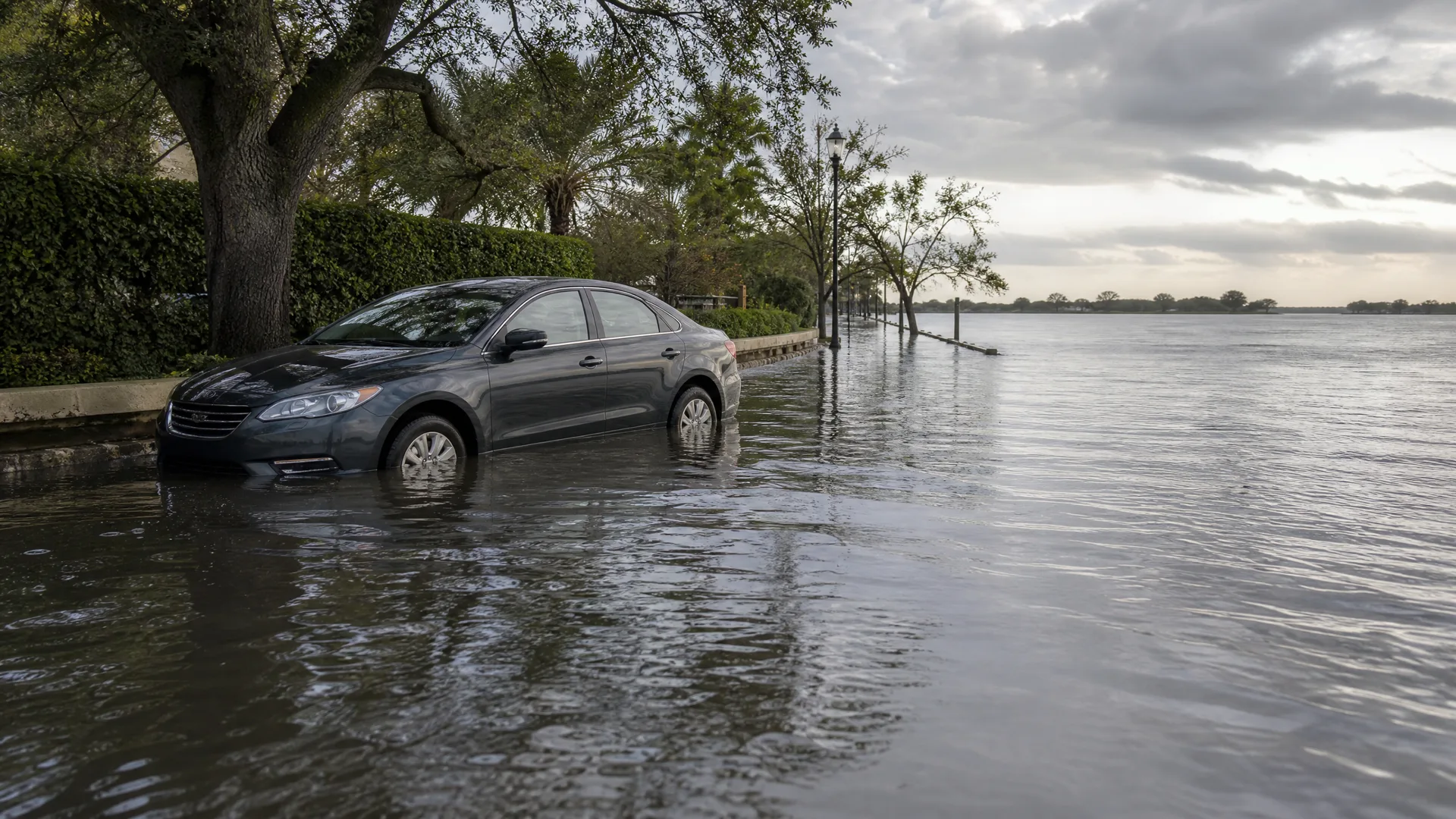
- Hail, fire, or theft Damage that isn't from a collision is handled by comprehensive coverage instead.
- Hitting a deer or animal Animal strikes are treated as comprehensive claims, not collision, even though the damage can look the same.
- Your own medical bills Injuries from the crash are covered under medical payments, personal injury protection, or health insurance, not this.
- The other driver's car or property Damage you cause to someone else's vehicle or property is paid by your liability coverage.
- Mechanical breakdown A transmission failure or engine problem isn't a collision and isn't covered here even if it happens while driving.
Whether it's worth keeping depends on what the car is worth, not your age
Age itself has nothing to do with whether this coverage makes sense. What matters is the math: if your car were totaled tomorrow, would the payout be worth what you're paying in premium year after year? For an older car with high mileage, the payout may be small enough that you're better off setting that premium money aside yourself.
If the car is paid off and you have enough in savings to replace it outright, you're essentially insuring yourself already. Some drivers in this position choose to drop collision and let that premium go toward a replacement fund instead. Others keep it because they'd rather not touch savings at all, even if the math is close.
How much you drive matters too. A car that mostly sits in the garage and makes short trips to the store or church has far less exposure than one driven daily on the highway. Less time on the road means fewer chances to need this coverage, which shifts the math toward dropping it.
Where the car is kept overnight also plays a role, though that affects comprehensive more than collision. Still, if you're reconsidering one, it's worth looking at both together, since they're usually bought as a pair.
What happens when you actually file a claim
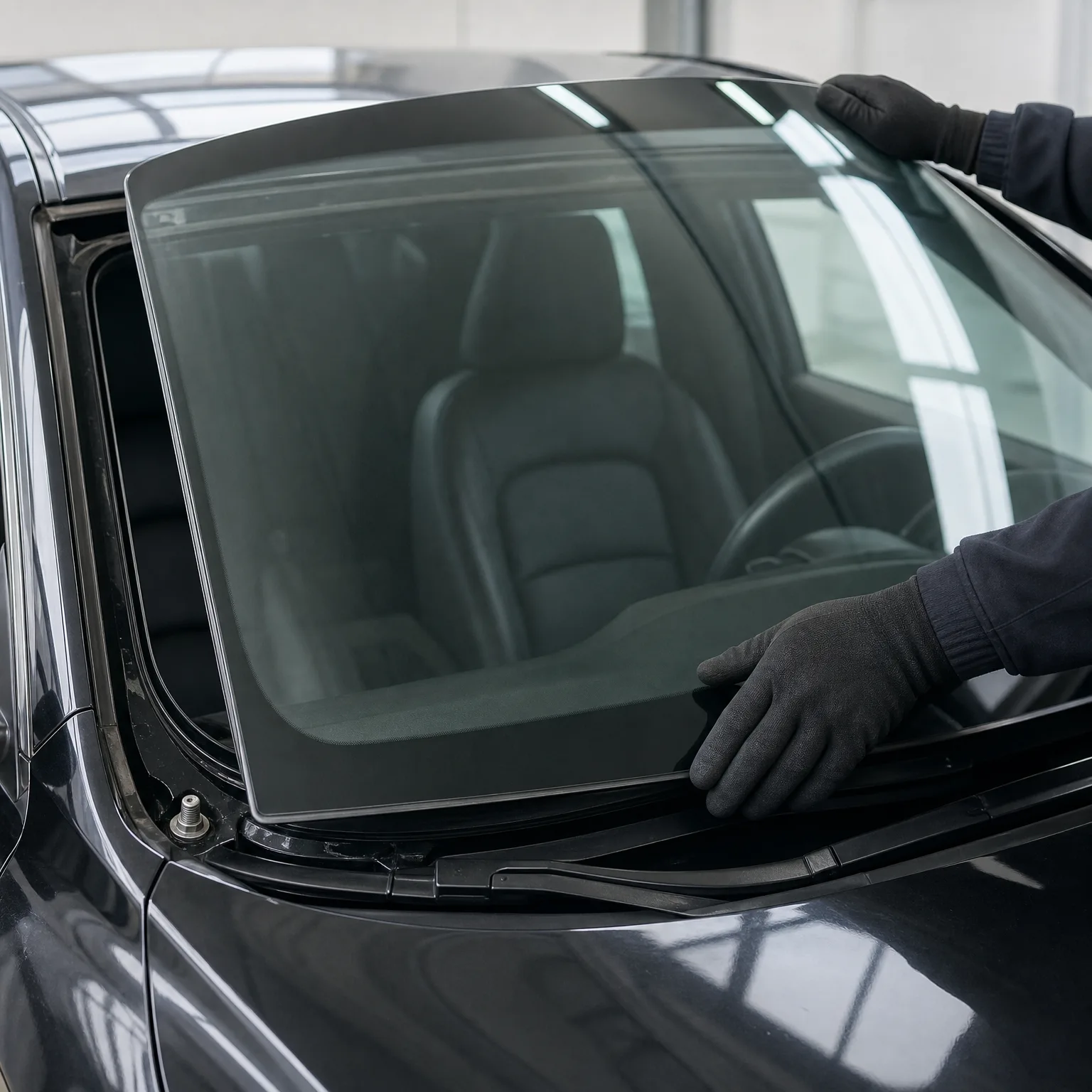
You pay your deductible first, and the insurer covers the rest of the repair or the car's value, whichever applies. If the cost to fix the car is more than what it's worth, the insurer will likely declare it a total loss and pay you the car's value instead of repairing it. That payout is based on the market value of your specific car, not what you paid for it originally or what you think it should be worth.
After an accident, you'll typically get the car inspected or appraised, choose a repair shop, and provide the claim details including a police report if one was filed. Have your policy number, photos of the damage, and a description of what happened ready when you call. The insurer will tell you upfront what your deductible is and subtract it from whatever they pay.
One thing people miss is that this coverage pays out regardless of fault. Even if the accident was entirely your doing, your own collision coverage still pays for your car. That's different from liability, which only covers the other person's damage when you're at fault.
Collision vs. comprehensive coverage
Collision Coverage
This pays for damage to your car from hitting another vehicle or object, or from a rollover. It applies no matter who caused the accident, as long as it involved impact.
Comprehensive Coverage
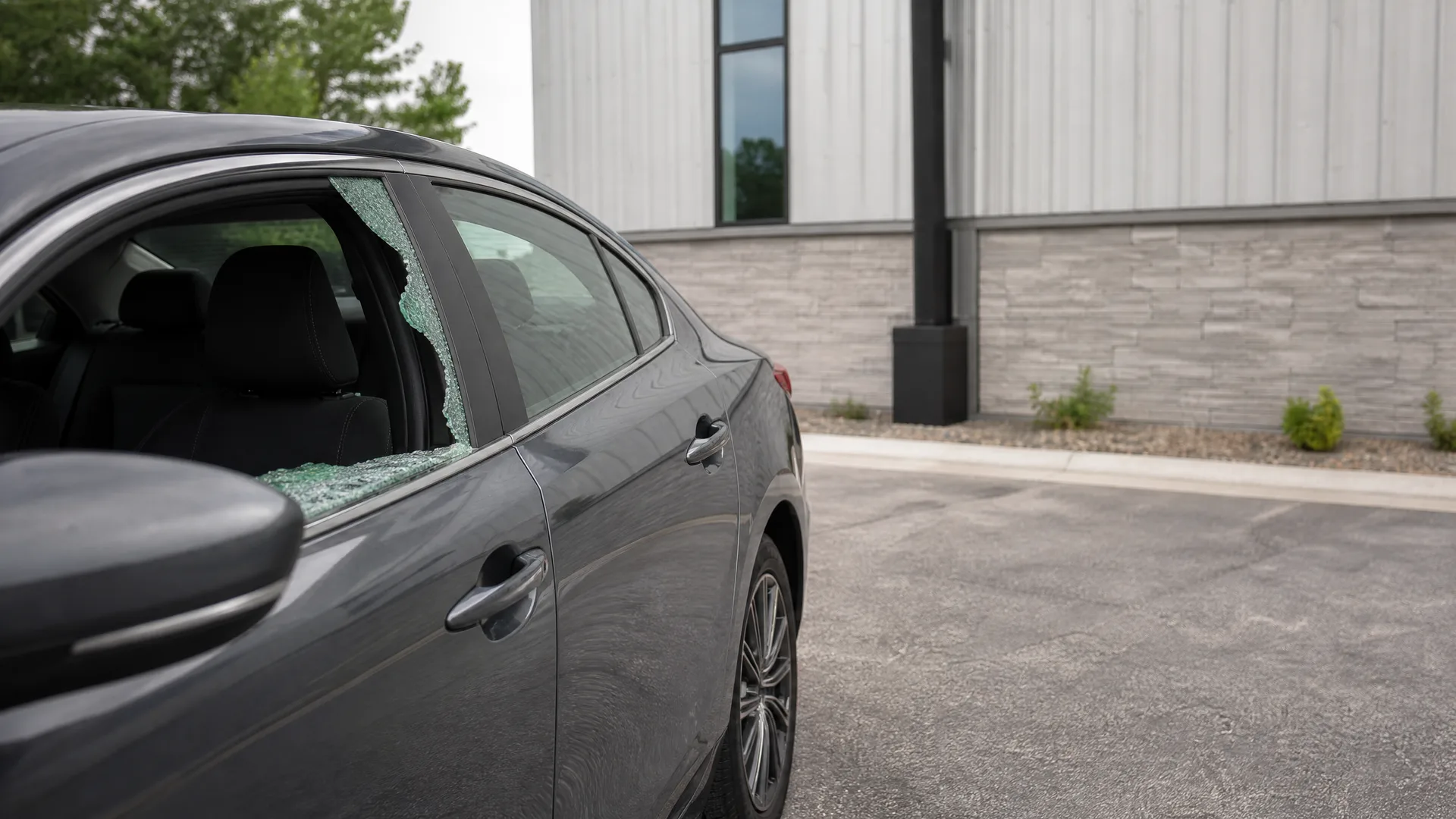
Comprehensive pays for damage to your car from things other than a collision, like hail, fire, theft, vandalism, or hitting an animal. It's usually sold alongside collision but covers a different set of events.
If you're deciding whether to drop one, look at both together, since dropping collision but keeping comprehensive still leaves you exposed to the more common accident claims.
Real situations
You're pulling out of a church parking lot and clip a stone pillar at the entrance, denting the front fender.
This pays for the fender repair since it's damage from hitting a fixed object, minus your deductible.
A hailstorm hits while your car is parked outside your house overnight, leaving dents across the hood and roof.
This doesn't pay, hail damage falls under comprehensive coverage instead.
You're driving home at dusk on a county road and a deer runs into the side of your car.
This doesn't pay either, animal strikes are also handled under comprehensive, not collision.
Once you know whether you're keeping, adjusting, or dropping collision coverage, you can compare quotes with that decision already settled.
Questions people ask about this
What is my car actually worth for insurance purposes?
It's based on the current market value for your car's year, mileage, and condition, not what you paid for it. Insurers use valuation guides and local sale prices for similar cars to come up with this figure. You can ask your agent how they'd value your specific car before you decide whether to keep coverage on it.
Can I drop collision coverage if I still have a loan on the car?
Usually no, lenders require you to carry collision and comprehensive until the loan is paid off. Once the car is paid off, the choice becomes entirely yours. Check your loan agreement or ask your lender directly if you're unsure whether this still applies to you.
Does collision coverage follow the car or the driver?
It follows the specific vehicle listed on your policy, not you personally. If you drive a different car, even temporarily, your coverage may not transfer the same way. Check with your insurer before assuming a borrowed or rented car has the same protection.
What is gap coverage and do I need it with collision?
Gap coverage pays the difference between what you owe on a loan and what the car is actually worth if it's totaled. It only matters if you still owe money on the car and that amount is more than its current value. If your car is paid off, gap coverage doesn't apply to you at all.
Will filing a collision claim raise my rates?
It can, since insurers often consider at fault accidents when setting future rates, though this varies by insurer and by state. Some policies offer forgiveness for a first accident, which is worth asking about directly. Check with your agent about how a claim would affect your specific policy before you decide whether to file.