Collision Coverage on a Leased Car
Collision coverage on a leased car pays to repair or replace the vehicle after an accident, and almost every lease agreement requires you to carry it for as long as you're making payments.
What this coverage pays for
Covers
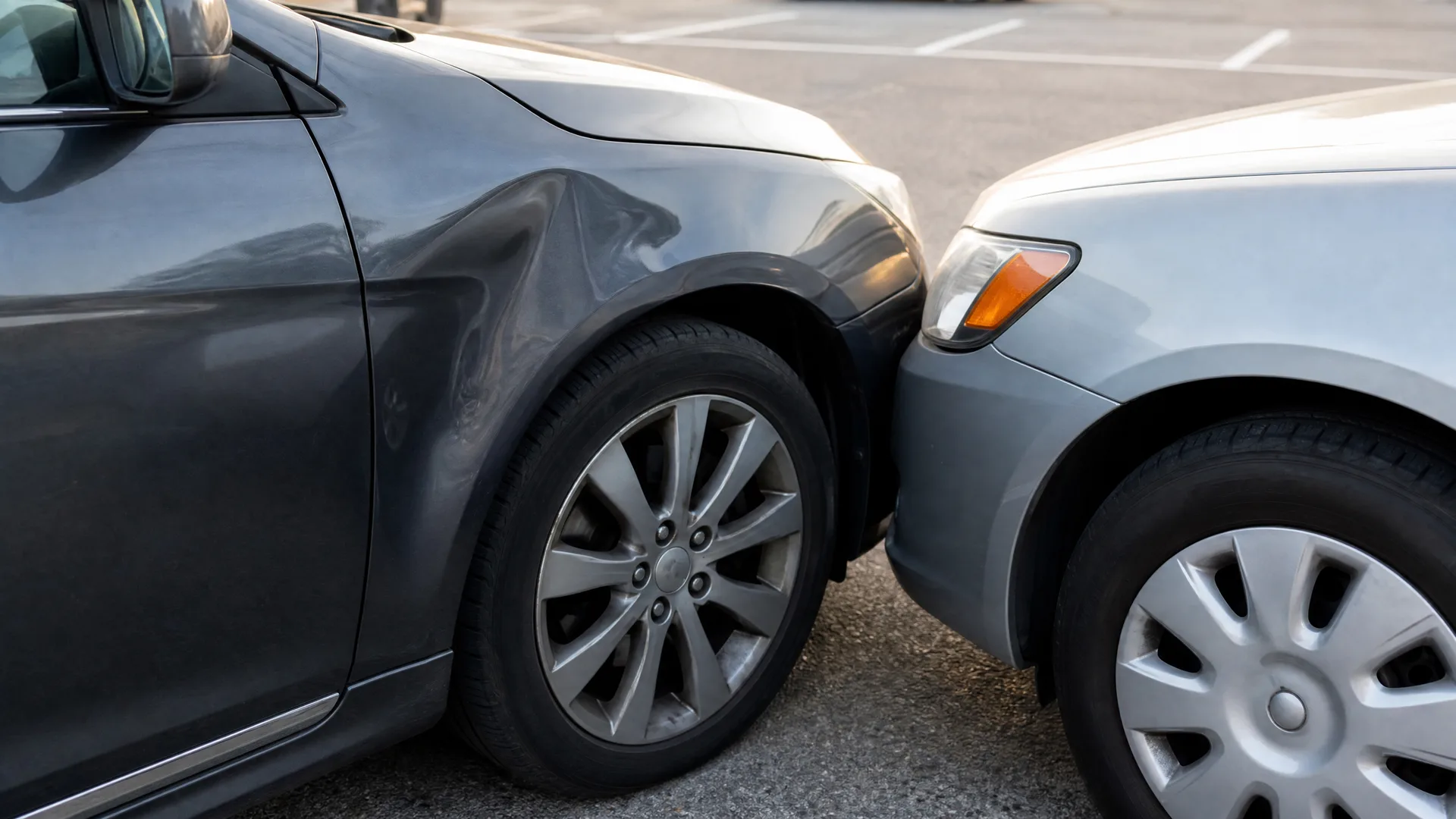
- Collision with another vehicle It pays to repair your leased car after you hit another car, or another car hits you, regardless of who caused it.
- Hitting a fixed object Running into a guardrail, a mailbox, a light pole or a fence is treated the same as hitting another car.
- Single vehicle accidents Sliding off the road, flipping, or rolling the car on your own is covered even with no other vehicle involved.
- Potholes and road damage Collision coverage usually handles the kind of impact damage a bad pothole or a piece of debris in the road can cause.
- Total loss payout If the car is damaged beyond repair, this coverage pays out its value, which on a lease usually goes straight to the leasing company first.
Doesn't cover
- Theft of the car That falls under comprehensive coverage, not collision, so if the car is stolen you need that other coverage in place.
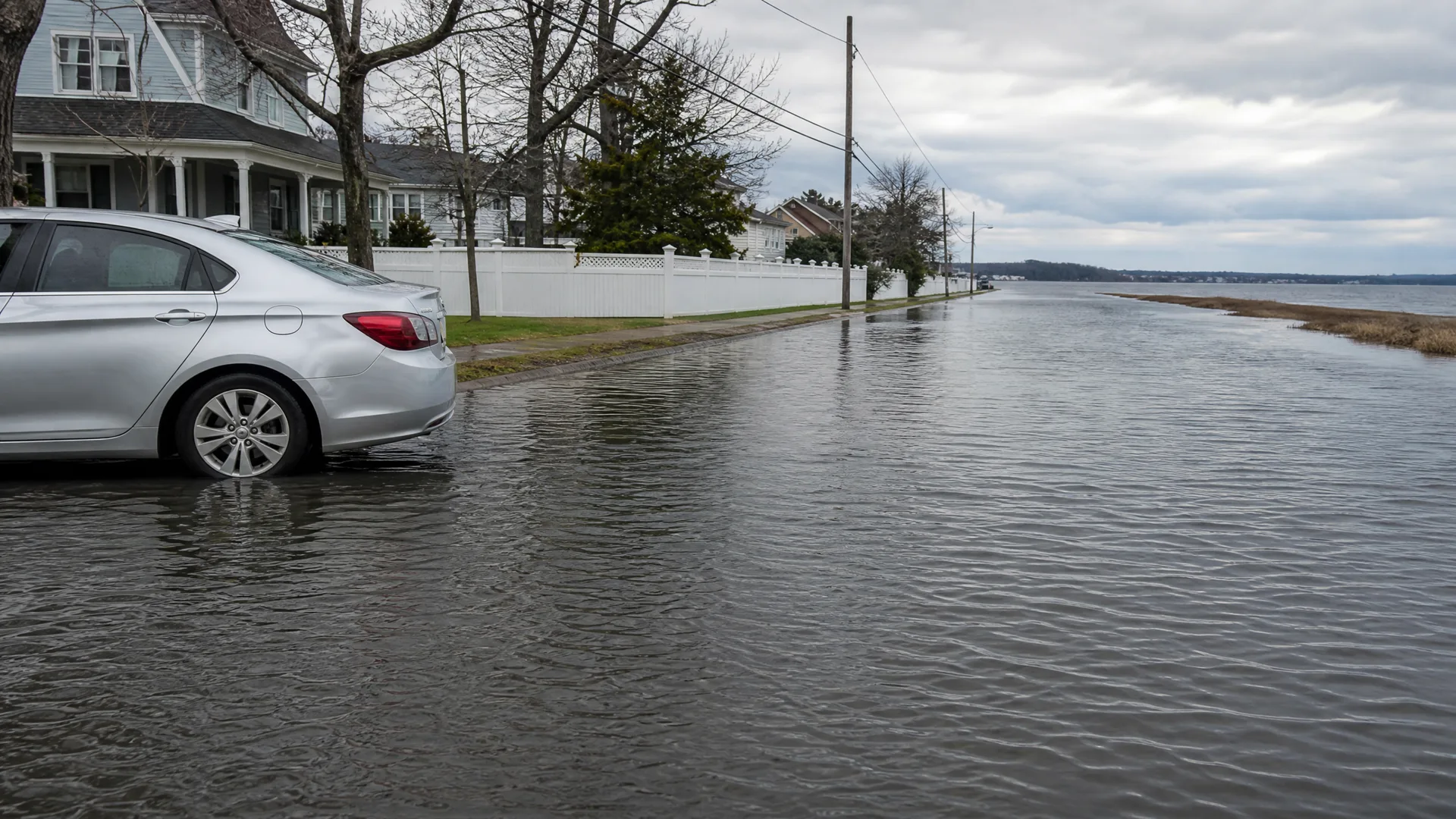
- Weather and animal damage Hail, flooding, fire and hitting a deer are comprehensive claims, even though people often assume collision handles anything sudden.
- The gap between value and payoff Collision pays the car's current value, not what you still owe on the lease, which is why leases usually require separate gap coverage too.
- Your own injuries Medical costs after an accident fall under personal injury protection or medical payments coverage, not collision.
- Normal wear and tear Worn tires, small dings, or interior wear aren't accidents, so collision coverage has nothing to do with them.
- A rental car while yours is repaired You need separate rental reimbursement coverage for that, collision only pays for the damage itself.
On a lease, this isn't optional, so the real decision is how you set it up
You don't get to weigh this one the way you would on a car you own outright. The leasing company holds the title, and their contract requires collision coverage at a level they set, usually with a low deductible. There's no version of this where you drop it to save money, not while you're still making lease payments.
What you do control is the deductible you choose within what the lease allows, and whether you've paired it with gap coverage. A lower deductible means a smaller bill out of pocket if something happens, but it also raises what you pay for the policy. Think about what you could comfortably cover from savings in a bad month, and set the deductible there rather than at the lowest number offered.
How much you drive and where the car sits matters less for whether you carry this coverage and more for what you pay for it. A car that sits in a garage overnight and only goes to church and the grocery store is still required to carry the same collision coverage as one driven daily across town, the lease doesn't distinguish.
The one place judgment still matters is gap coverage. Some leases build it in, others don't, and going without it means a total loss could leave you owing money on a car you no longer have. Check your lease paperwork directly rather than assuming.
How a collision claim works on a leased car
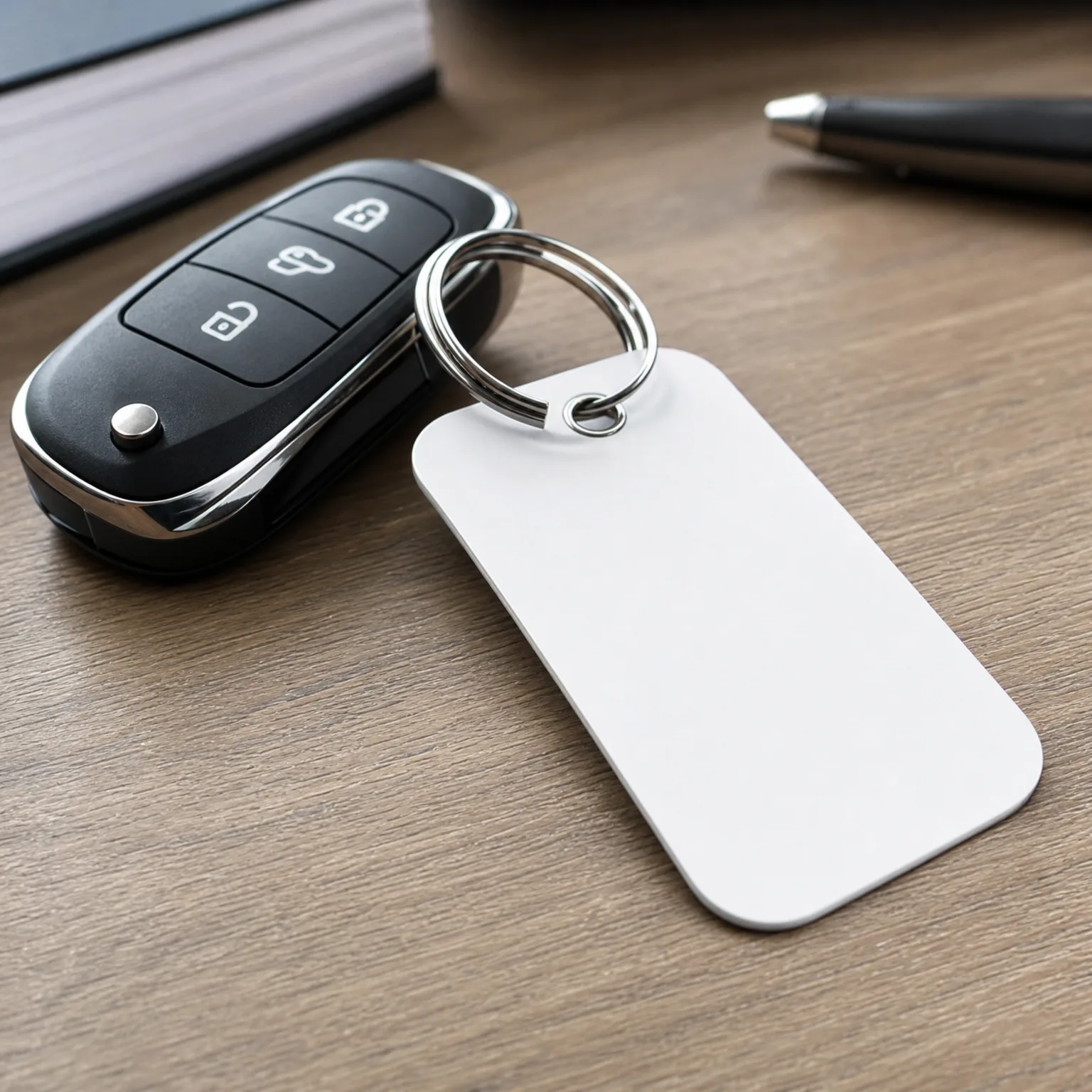
You pay the deductible first, and the insurer covers the repair cost or the car's value above that. On a leased car, you'll want to call the insurer and the leasing company both, since the leasing company has a financial interest in the payout and some claims checks are written jointly to you and them.
For a repair, the shop gets paid directly or you get reimbursed, and the car goes back to the leasing company's hands at the end of the term expected to be in sound condition either way. For a total loss, the insurer pays out the car's current value, that payment typically goes to the leasing company to settle what's owed on the lease, and gap coverage, if you have it, covers any remaining difference.
Have your lease agreement and insurance card ready when you call, along with photos of the damage and a police report if one was filed. The leasing company will often want to be notified directly, separately from your insurer, so ask early in the process rather than after repairs are already underway.
Collision coverage vs. gap coverage
Collision coverage
Collision pays for physical damage to the car after an accident, repair costs or the car's value if it's a total loss. It's required on nearly every lease and works the same whether you own or lease the vehicle.
Gap coverage
Gap coverage pays the difference between what collision pays out on a total loss and what you still owe on the lease. Early in a lease that gap can be sizable, since leased cars often owe more than they're worth for the first stretch.
If you're leasing, carry both, since collision alone can leave you owing money on a car that's gone.
Real situations
You're pulling out of the grocery store parking lot and back into a shopping cart corral, denting the rear bumper.
Collision pays for the repair once you cover the deductible, since this counts as hitting a fixed object.
A hailstorm hits while your car is parked at church on a Sunday morning, leaving dents across the hood and roof.
This is a comprehensive claim, not collision, since no impact from driving caused it.
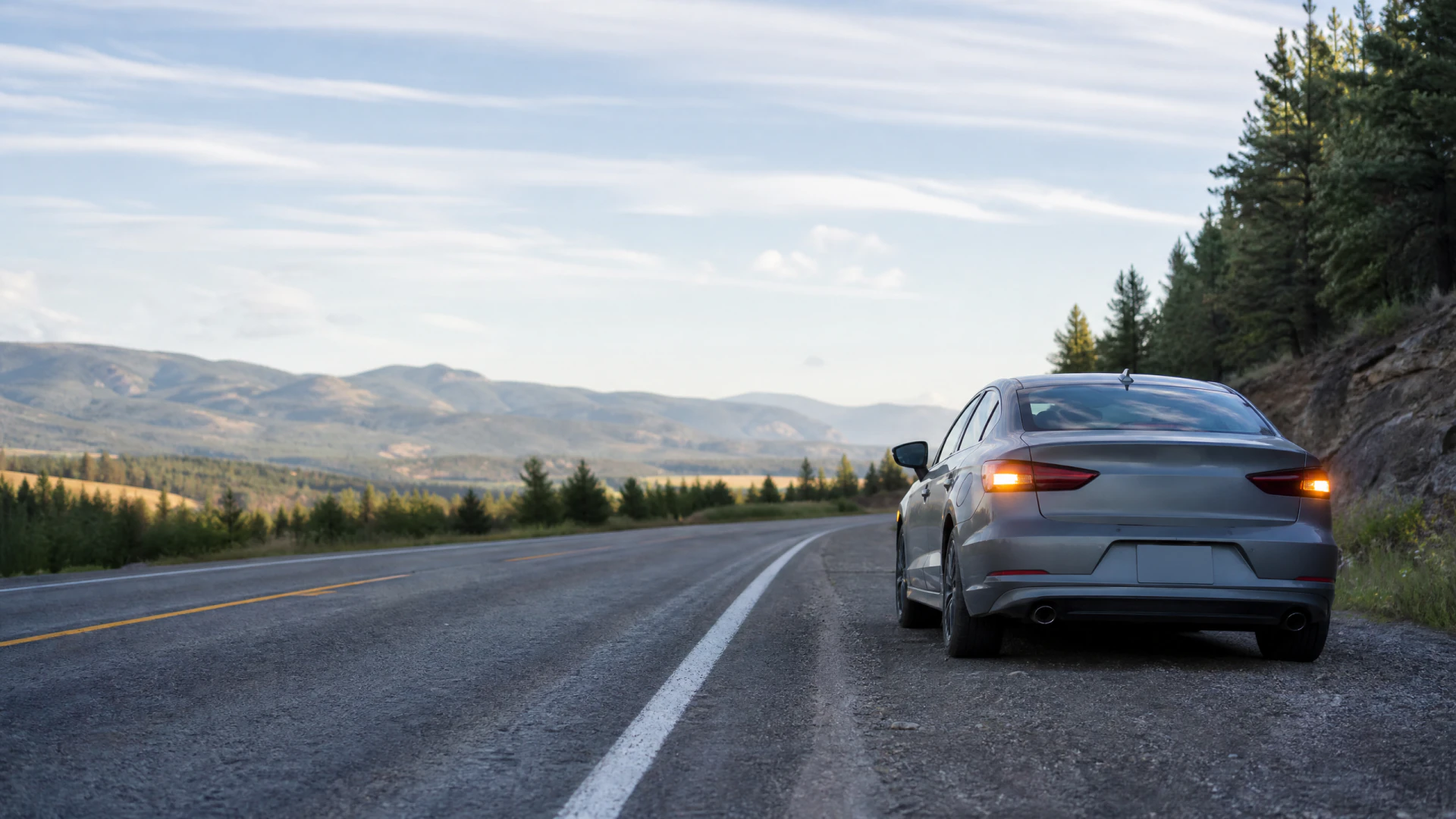
A deer runs into the road at dusk on a county highway and you can't stop in time.
Deer strikes fall under comprehensive coverage, even though it feels like a collision, so check that coverage is in place too.
Once you know how you want your deductible and gap coverage set up on your leased car, you're ready to compare quotes with that figured out.
Questions people ask about this
What happens if I total a leased car and don't have gap coverage?
You'll likely owe the leasing company the difference between the payout and what's left on the lease, out of your own pocket. This gap tends to be largest in the first year or two of a lease, when the car depreciates faster than the payments reduce what's owed. Check your lease agreement to see if gap coverage was already included, some include it and others don't.
Can I choose my own deductible on a leased car?
Usually yes, within a range, but the lease agreement may set a maximum deductible allowed. Check your lease terms before assuming you can pick the lowest option your insurer offers. If the lease caps it at a certain level, going lower just costs you more without being required.
Does the leasing company get the insurance payout or do I?
For a total loss, the payout typically goes to the leasing company first to satisfy what's owed on the lease. Any amount left over after that is usually paid to you. For a repair, payment usually goes to the repair shop directly or to you as reimbursement.
Do I still need collision coverage after I pay off a lease buyout?
Once you own the car outright, collision coverage becomes optional, and whether to keep it depends on the car's value and what you could cover from savings. At that point it's worth reassessing rather than keeping the same coverage automatically. A car that's older and worth little may not need it anymore.
What if the leasing company and my insurer disagree on the car's value?
You can ask your insurer for the documentation behind their valuation and compare it against sale listings for similar cars in similar condition. Some policies include a process for disputing a valuation. It's worth doing before accepting a payout, especially on a total loss.