Collision Coverage for Sliding on Ice
Collision coverage pays to repair or replace your car when it slides on ice and hits another vehicle, a guardrail, a tree, or anything else, regardless of who caused it.
What this coverage pays for
Covers
- Sliding into another car If you lose control on ice and hit another vehicle, this pays for damage to your own car.
- Hitting a fixed object Guardrails, mailboxes, light poles and fences count, since this coverage doesn't care what you hit, just that you hit it.
- Rolling or flipping on ice A spinout that ends with the car on its side or roof is still a collision as far as your policy is concerned.
- Single car accidents You don't need another driver involved. Sliding off the road alone and into a ditch is covered the same way.
- Damage from losing control, not just impact If the slide itself bends a wheel or cracks a frame before you hit anything, that's still part of the same claim.
Doesn't cover
- Mechanical failure that caused the slide If bad brakes or worn tires caused the loss of control, the crash damage is covered, but the mechanical problem itself isn't.
- A car damaged by ice and snow while parked Weight of snow, ice dams, or a tree limb falling on a parked car falls under comprehensive coverage instead.
- Medical bills for you or your passengers Those go through medical payments coverage or health insurance, not this one.
- The other driver's car, if they hit you Their insurance should cover their car under liability, though you can still use this coverage on your own car and let your insurer sort out who pays.
- A rental car while yours is repaired That needs its own separate coverage, usually a small add on most policies offer.
For most older drivers with a car worth more than a minor repair, this is worth keeping
The math on this one is really about your car's value and your own savings, not your age. If your car is paid off and worth a real amount, this coverage is what stands between a bad slide and a total loss you'd have to cover yourself.
If you could write a check for a new transmission or a crumpled fender without much thought, dropping this coverage is a reasonable way to save money. If that kind of repair would strain things, keeping it is the safer bet, especially once your car is old enough that a serious ice accident could total it.
How much you drive in winter matters too. Someone who still commutes daily on rural roads in a cold climate carries more risk than someone who mostly stays home and drives short distances to familiar places.
Where the car spends its time also plays a role. A car that sits in a garage most of the year and only sees occasional errands has fewer chances to end up sliding into something than one parked on a sloped driveway or used for longer trips on untreated roads.
How a claim actually plays out
You pay your deductible first, and the insurer covers the rest of the repair cost up to what your car is worth. If the repair costs more than the car is worth, they'll total it and pay you that value instead, minus the deductible.
After an ice accident, you'll want photos of the scene and the damage, a description of the road conditions, and a police report if one was filed. The adjuster will want to know whether the road was treated, how fast you were going, and whether anything mechanical played a role.
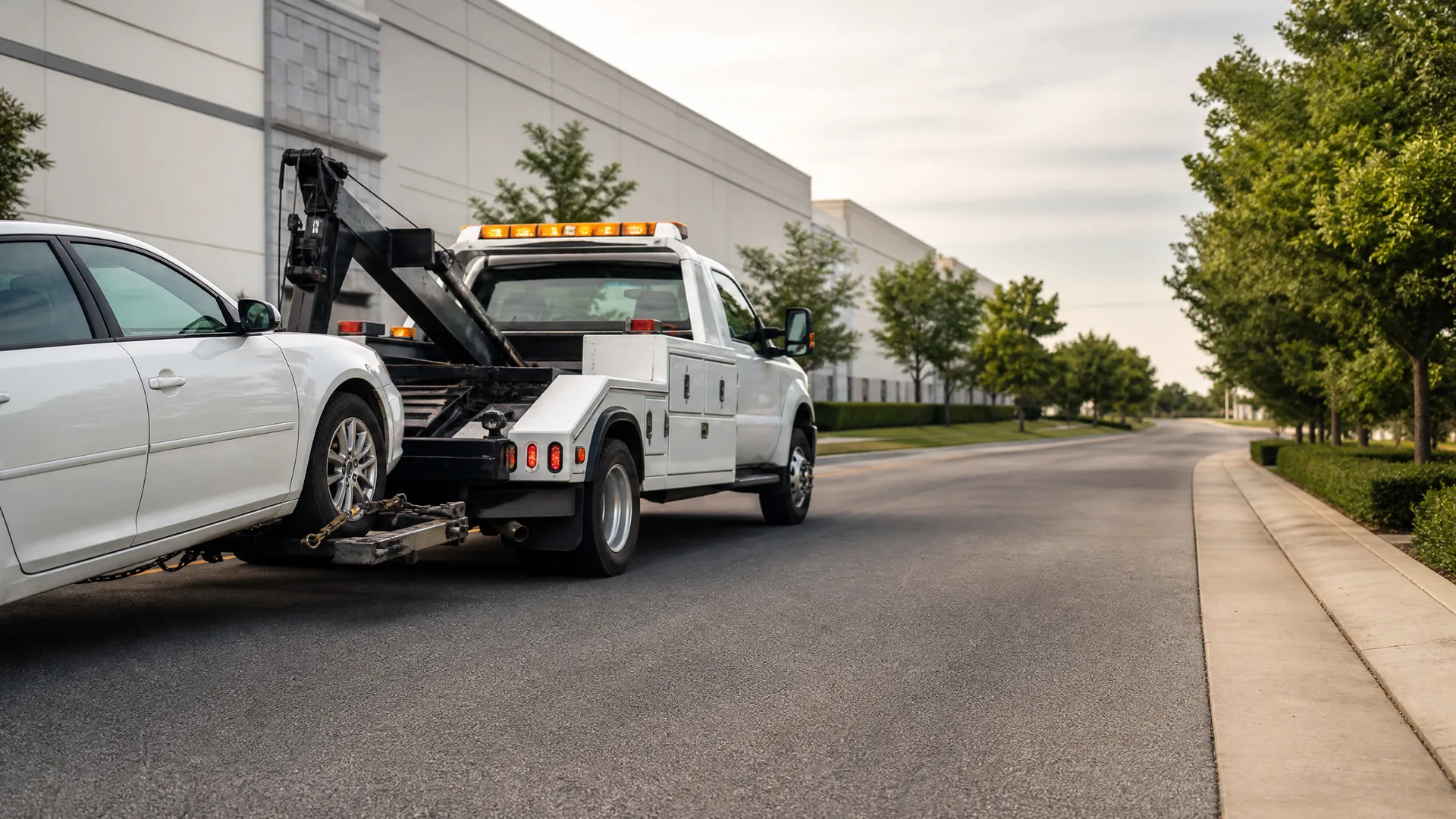
The payout covers your car's damage. It doesn't cover the inconvenience, the cost of the tow unless you've added that coverage, or anything you left in the car. Keep in mind that a claim here can affect your rate at renewal, even though the accident wasn't your fault in the usual sense.
Collision versus comprehensive
Collision Coverage
This covers damage from hitting something, whether that's another car, a guardrail, or the ground itself after a spinout. It applies whenever your car is in motion and loses control, which is exactly what happens on ice.
Comprehensive Coverage
This covers damage that happens without a collision, like a tree branch falling on a parked car, hail, or a cracked windshield from a rock. It also covers theft and some weather related damage that isn't a crash.
If your car was moving and you hit something, collision is what pays. If your car was sitting still and something happened to it, comprehensive is what you'd use instead.
Real situations
You're driving home from a doctor's appointment on a county road, hit a patch of black ice, and slide into a ditch, damaging the front end and a wheel.
This pays, since it's a single car accident caused by losing control, which is exactly what this coverage is for.
Your car is parked in the driveway overnight and a heavy branch, weighed down by ice, falls and dents the roof.
This doesn't pay, since the car wasn't moving. That's a comprehensive claim instead.
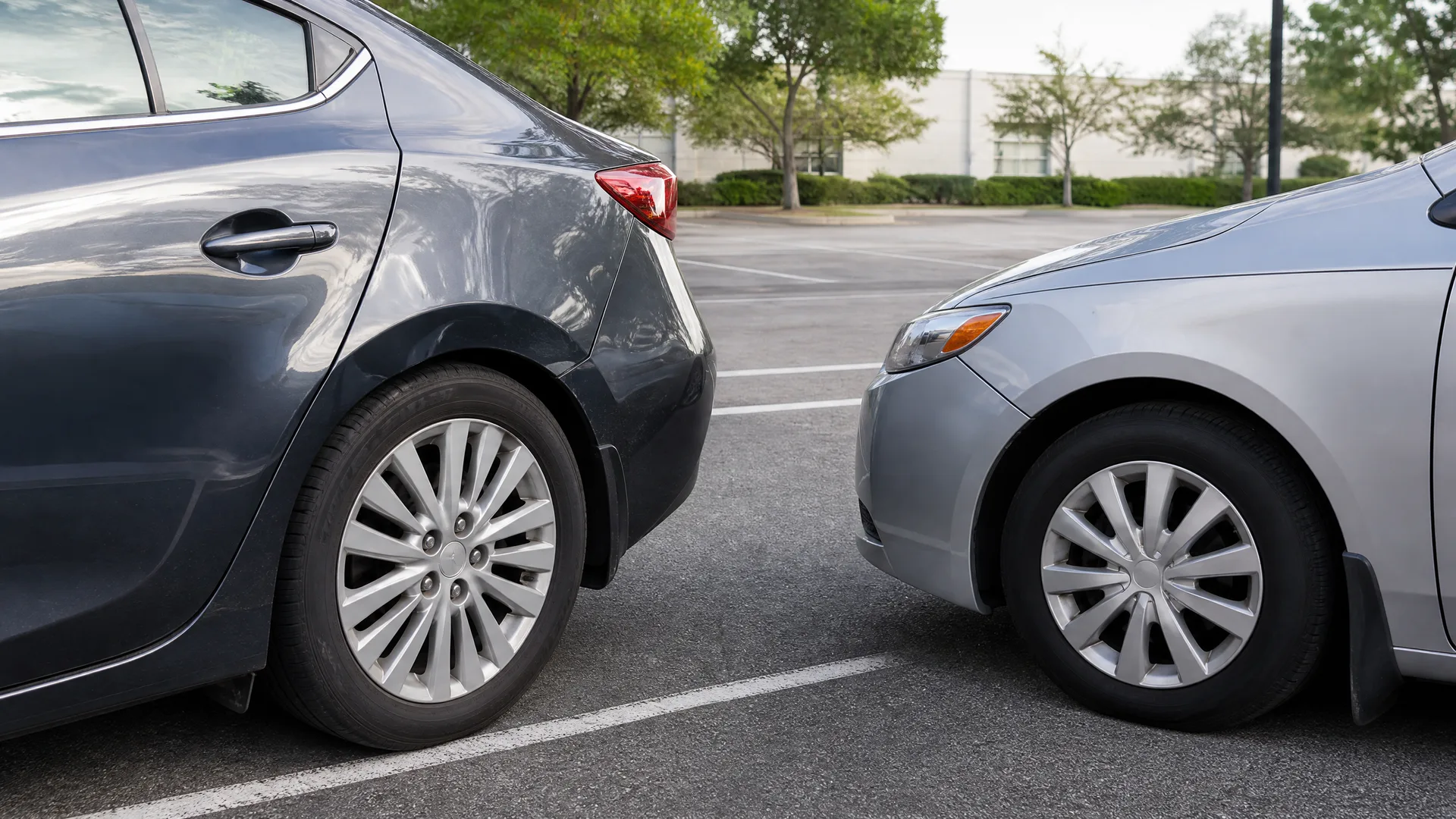
You're stopped at a light in slushy conditions and the car behind you slides and rear ends you.
This pays for your car's damage, and the other driver's liability coverage should also come into play since the accident was their doing.
Once you know whether to keep, adjust, or drop this coverage, you're ready to compare quotes with that decision already made.
Questions people ask about this
Does collision coverage go up after a no fault ice accident?
It can, even though the accident wasn't your fault in the traditional sense. Insurers often treat any at fault seeming collision claim, including single car accidents, as something that affects your rate. Ask your agent how your specific insurer handles weather related claims before you file, if the damage is minor enough that you're weighing whether to pay out of pocket instead.
Is collision coverage required to drive legally?
No, liability coverage is usually what's legally required, and that varies by state. Collision coverage is typically only required if you're financing or leasing the car, since the lender wants its investment protected. Once the car is paid off, keeping collision becomes entirely your own choice, based on what you'd lose if it were totaled.
Will my insurer total my car after a minor ice slide?
It depends on your car's value compared to the repair cost, not on how the accident happened. Older cars with lower values are more likely to get totaled even from damage that looks moderate, since the repair cost can exceed what the car is worth. Ask your insurer how they calculate your car's value if you're unsure what you'd be paid.
Can I use collision coverage if I slide on ice in a parking lot?
Yes, this coverage applies anywhere your car is in motion, including parking lots, driveways, and private roads, not just public streets. If you slide into a shopping cart corral or another parked car while pulling in, it works the same way as a road accident. Check your policy for any exceptions tied to your specific state.
Should I raise my deductible to lower my cost for this coverage?
That's a reasonable way to lower what you pay regularly, as long as you could comfortably cover the higher deductible if you needed to file a claim. It shifts more of the risk to you in exchange for a lower ongoing cost. Think about how often you actually drive in icy conditions before deciding how high to set it.