Single Car Accident Coverage
Single car accident coverage, more precisely called collision coverage, pays to repair or replace your car when you hit something, no other driver involved, hitting a tree, a guardrail, a parked car, or a deer counts too.
What it actually pays for
Covers
- Hitting a fixed object Running into a mailbox, fence, pole, or tree gets your car repaired or paid out.
- Rolling or flipping the car A single vehicle rollover, whatever caused it, is treated as a collision claim.
- Hitting an animal In most policies this falls under a different piece called comprehensive, so check which one your policy uses, but either way the car gets fixed.
- Losing control on ice or gravel If the car slides off the road and hits something, or just ends up in a ditch, that's covered.
- Backing into something A low speed mistake in a parking lot or driveway counts the same as a highway accident.
- Damage from potholes or road debris If hitting something in the road bends a wheel or damages the undercarriage, this is what pays.
Doesn't cover
- Mechanical breakdown A transmission failure or dead battery isn't an accident, that's what a warranty or repair fund is for, not this coverage.
- Weather damage while parked Hail, flooding, or a fallen branch is handled by comprehensive coverage, not collision.
- Theft or vandalism Someone breaking in or stealing the car falls under comprehensive as well.
- Injuries to you or passengers Medical costs after a crash are handled by medical payments coverage or personal injury protection, depending on your state.
- Damage to someone else's property If you hit another car or a neighbor's fence, your liability coverage pays for their losses, not this one.
- The full value of an old car Payouts are based on what the car is worth right now, not what you paid for it or what a replacement would cost today.
For a lot of older drivers, this is the one to look at closely
The first question is simple: what is the car worth, and what would it cost to replace it out of pocket. If the car is paid off and worth modestly, the payout after a claim may be close to what you'd spend fixing it yourself, which makes the coverage less useful than it looks on paper.
How much you drive matters too. If the car mostly sits in the garage and gets driven to the store and back, the odds of a single car accident drop a lot compared to someone commuting daily or driving at night often.
Think about what you could absorb from savings without much stress. If a repair bill or a replacement car wouldn't change your month, carrying this coverage on an older car may just be paying to protect money you don't need protected. If it would be a real hit, that changes the math.
Where the car is parked and how it's stored plays a role as well. A car kept in a garage, away from steep driveways or icy hills, faces fewer of the exact situations this coverage is built for.

What happens when you actually file a claim
You pay a deductible first, and the coverage pays the rest up to what the car is worth. If the repair costs more than the car is worth, the car is usually declared a total loss and you're paid that value instead, minus the deductible.
After an accident, you report it, an adjuster looks at the damage or reviews photos, and a shop gives an estimate. If the estimate comes in under the car's value, it gets repaired. If it comes in over, you get a payout and the insurer typically takes the car.
Have your registration, a sense of the car's mileage and condition, and any recent maintenance records ready. These help if there's a dispute over what the car was worth before the accident.
The payment covers the vehicle itself, not your time, a rental unless you've added that separately, or any upgrades you made that aren't reflected in the car's standard value.
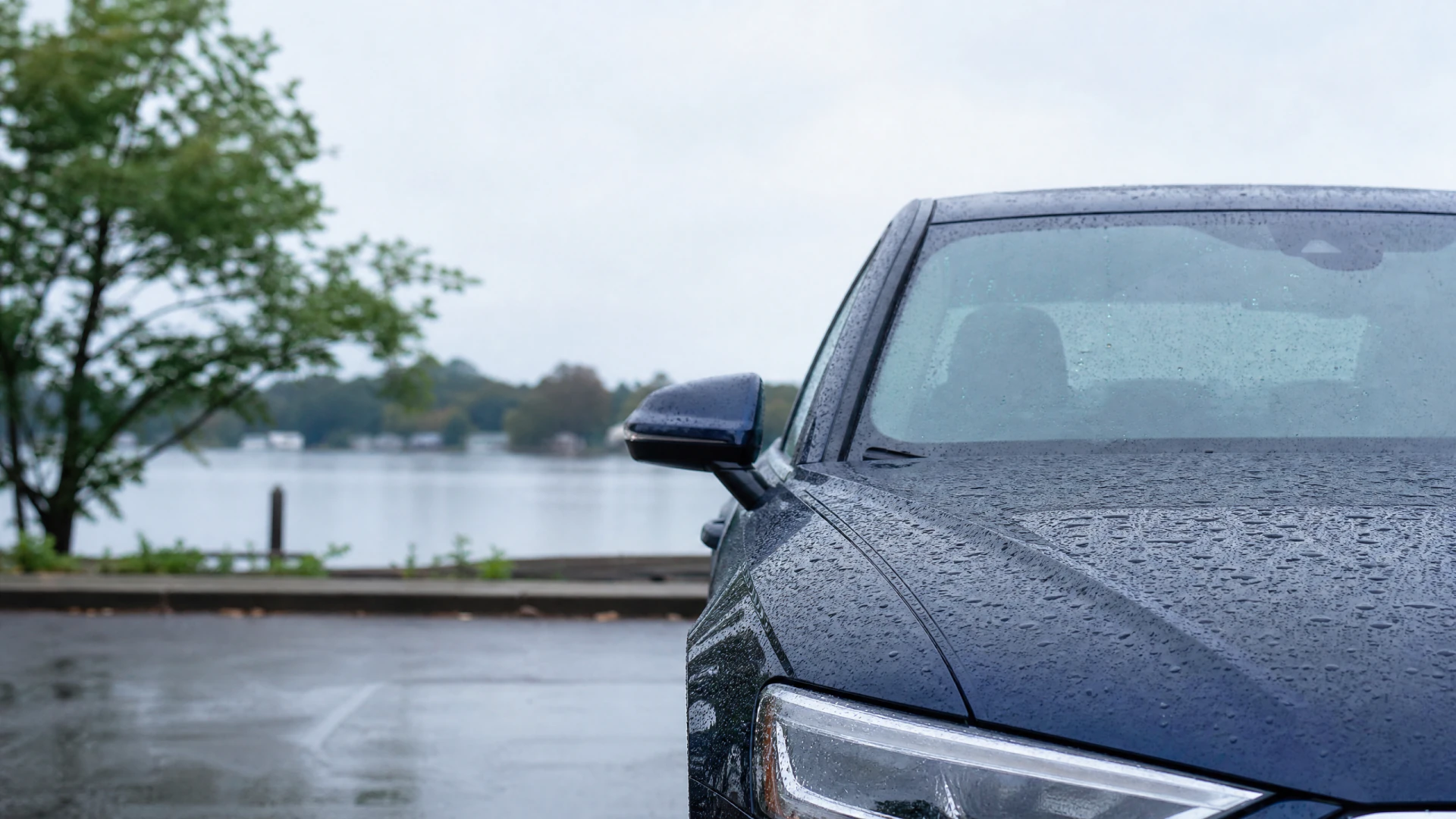
Collision versus comprehensive
Collision Coverage
This pays when your car hits something or rolls over, situations where you were driving and something went wrong. It's the coverage this page is about, often called single car accident coverage.
Comprehensive Coverage
This pays for damage that happens to the car when you're not driving it, or from things outside your control. Hail, a falling tree limb, theft, and often hitting an animal all fall here instead.
If you're deciding whether to drop one, look at which situations actually worry you, a driver on back roads at dusk might value hitting-an-animal coverage more than someone who parks in a garage and rarely faces storms.
Real situations
You're driving home at dusk on a county road and a deer runs into your path, there's no way to avoid it and the front end of the car is damaged.
This usually falls under comprehensive rather than collision, so check which coverage your policy lists it under.
Backing out of a church parking lot, you misjudge the distance and scrape the back of your car against a concrete post.
This is exactly what collision coverage pays for, a single vehicle, no other driver, hitting something fixed.
A hailstorm hits while your car is parked at the grocery store and leaves dents across the hood and roof.
This is comprehensive coverage, not collision, since the car wasn't being driven when the damage happened.

Once you know whether this coverage still fits your car and how you drive, you can compare quotes with that decision already made.
Questions people ask about this
Is collision coverage required by law?
No, it's not required by any state law on its own, it's your lender that may require it if you're financing or leasing the car. Once the loan is paid off, whether to keep it becomes entirely your choice. Check your loan documents or your policy if you're unsure of your own requirement.
Does collision coverage follow the car or the driver?
It generally follows the car listed on the policy, not the person driving it. If you let a friend or family member borrow your car and they have an accident, your coverage usually still applies. Confirm this with your own policy since some have specific rules about occasional drivers.
Can I add collision coverage back later if I drop it?
Yes, in most cases you can add it back at your next renewal or even mid term. There may be a brief gap or inspection required before it takes effect again. Ask your agent what the process looks like if you're considering dropping it temporarily.
Does my premium go up after a single car accident claim?
Often yes, since the insurer paid out for an at fault incident, though how much varies by your own history and policy. Some policies offer accident forgiveness after years of clean driving, which may soften this. Check your policy or ask your agent whether you qualify for anything like that.
What happens if I total an old car with this coverage?
You'd be paid the car's current value minus your deductible, which can feel low for an older car. This is often the moment people realize the coverage wasn't doing much for them financially. It's worth checking what your car is actually worth now before deciding whether to keep paying for this coverage going forward.