Collision Coverage for Seniors in Wyoming
Collision coverage pays to repair or replace your own car after it hits, or is hit by, another vehicle or object, no matter who caused it.
What collision coverage pays for
Covers
- Hitting another vehicle If you're at fault in a crash, this pays to fix your car regardless of whose fault it was.
- Single car accidents Sliding on ice, hitting a guardrail or rolling into a ditch is covered the same as a crash with another driver.
- Hitting an object A mailbox, a fence post, a garage door, anything stationary you strike with your vehicle falls under this coverage.
- Potholes and road damage Hard impacts from bad pavement that damage your car's frame or undercarriage are treated as collisions.
- Rental car after a covered claim Some policies extend collision terms to a rental you use while your own car is being repaired.
Doesn't cover
- Hail and weather damage That falls under comprehensive coverage, a separate line on your policy that handles non-collision events.
- Hitting a deer or animal Animal strikes are also comprehensive claims, not collision, even though it feels like a crash.
- Theft or vandalism Someone breaking a window or stealing the car is comprehensive territory, not collision.
- Your medical bills Injuries to you or your passengers are handled by medical payments or personal injury protection, not this coverage.
- The other driver's car Damage to someone else's vehicle is paid by your liability coverage, a different part of your policy entirely.
It depends mostly on what the car is worth, not on your age
The number that matters most is what your car would sell for today. If it's an older vehicle worth a modest amount, the payout you'd ever see from a claim is capped at that value, and the coverage may cost more over time than it could ever pay back.
Whether the car is paid off matters too. If there's no loan or lease on it, nobody is requiring you to carry this coverage, and the decision becomes entirely about what you can absorb yourself.
Think about what you could cover out of savings without strain. If a totaled car wouldn't change your financial footing much, self insuring that risk is a reasonable choice. If replacing the car would be a real hardship, the coverage is doing its job.
How much you drive and where the car sits overnight matter as well. A car driven rarely and kept in a garage carries less risk than one used daily on icy roads or parked on the street, and that changes the math on both sides.

What actually happens when you file a claim
You pay your deductible first, and the coverage pays the rest of the repair cost up to what the car is worth. If the cost to fix it is more than the car's value, the insurer will usually declare it a total loss and pay you that value instead of repairing it.
After an accident, you report the claim, an adjuster looks at the damage or reviews photos and a repair estimate, and you choose or are directed to a shop. The payment goes toward the repair bill, and you cover the deductible amount directly with the shop.
What it doesn't cover is anything beyond the car itself, so towing, a rental car, or your own medical care need their own coverage lines to kick in alongside this one.
Have your policy number, the other driver's information if there was one, photos of the damage, and a repair estimate ready. That keeps the claim moving instead of sitting in back and forth questions.
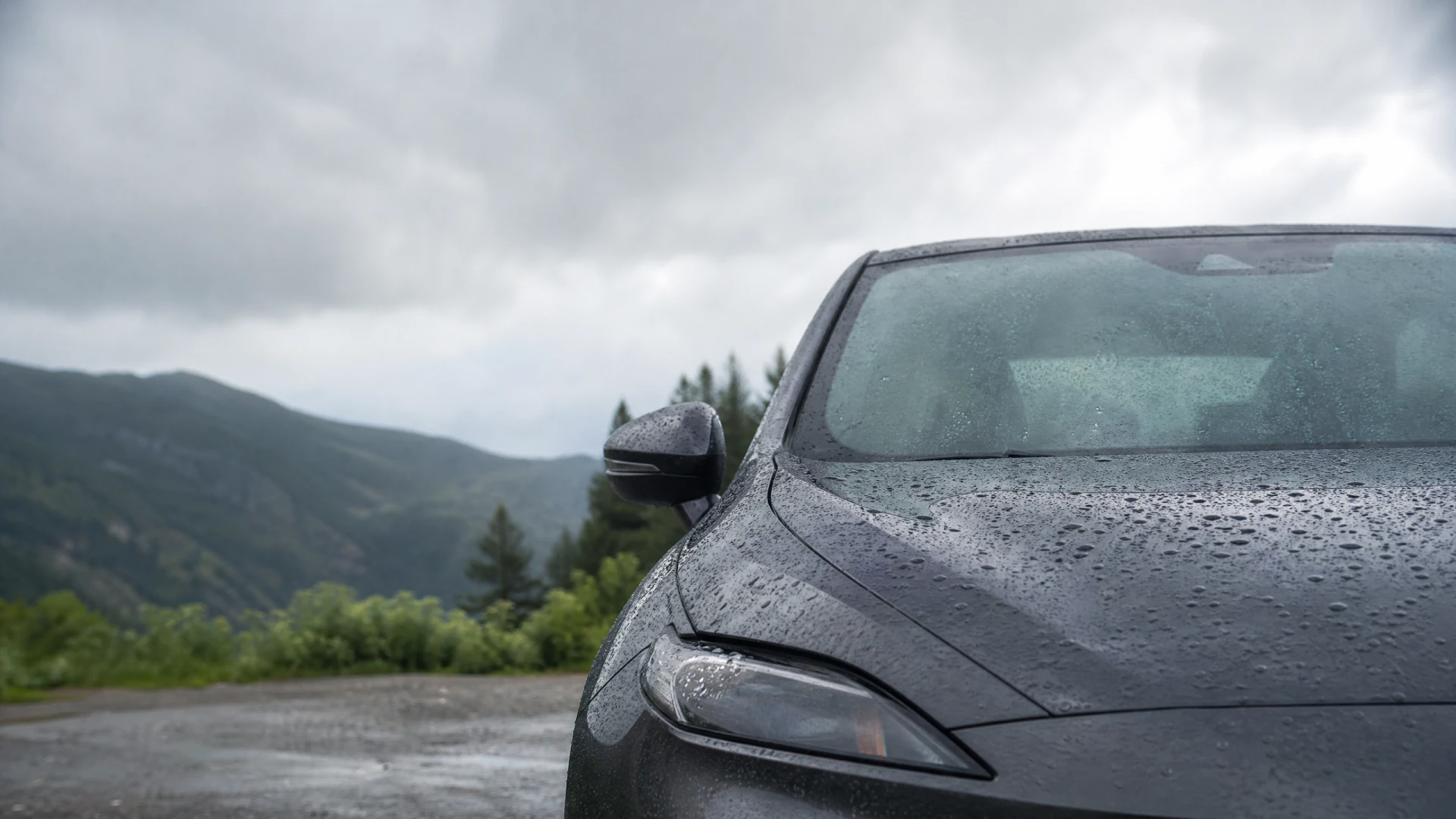
Collision versus comprehensive coverage
Collision coverage
This pays for damage from hitting another vehicle or object, or from a single car accident. It applies regardless of who was at fault.
Comprehensive coverage
This pays for damage that isn't from a collision, like weather, fire, theft, vandalism, or an animal in the road. The two often get bundled together but they answer different questions.
If your car is older and modest in value, people often drop collision before they drop comprehensive, since animal strikes and weather damage can hit without warning no matter how carefully you drive.
Real situations
You're driving home at dusk on a county road and a deer crosses in front of you, and you can't stop in time.
This is a comprehensive claim, not collision, because it involves an animal rather than another vehicle or object you steered into.
Your car is parked at church during a hailstorm and comes out with dents across the hood and roof.
Hail damage falls under comprehensive coverage, so collision coverage doesn't apply here.
You back out of a parking space and clip a concrete post you didn't see.
This is exactly what collision coverage is for, since it's damage from your car striking a stationary object.
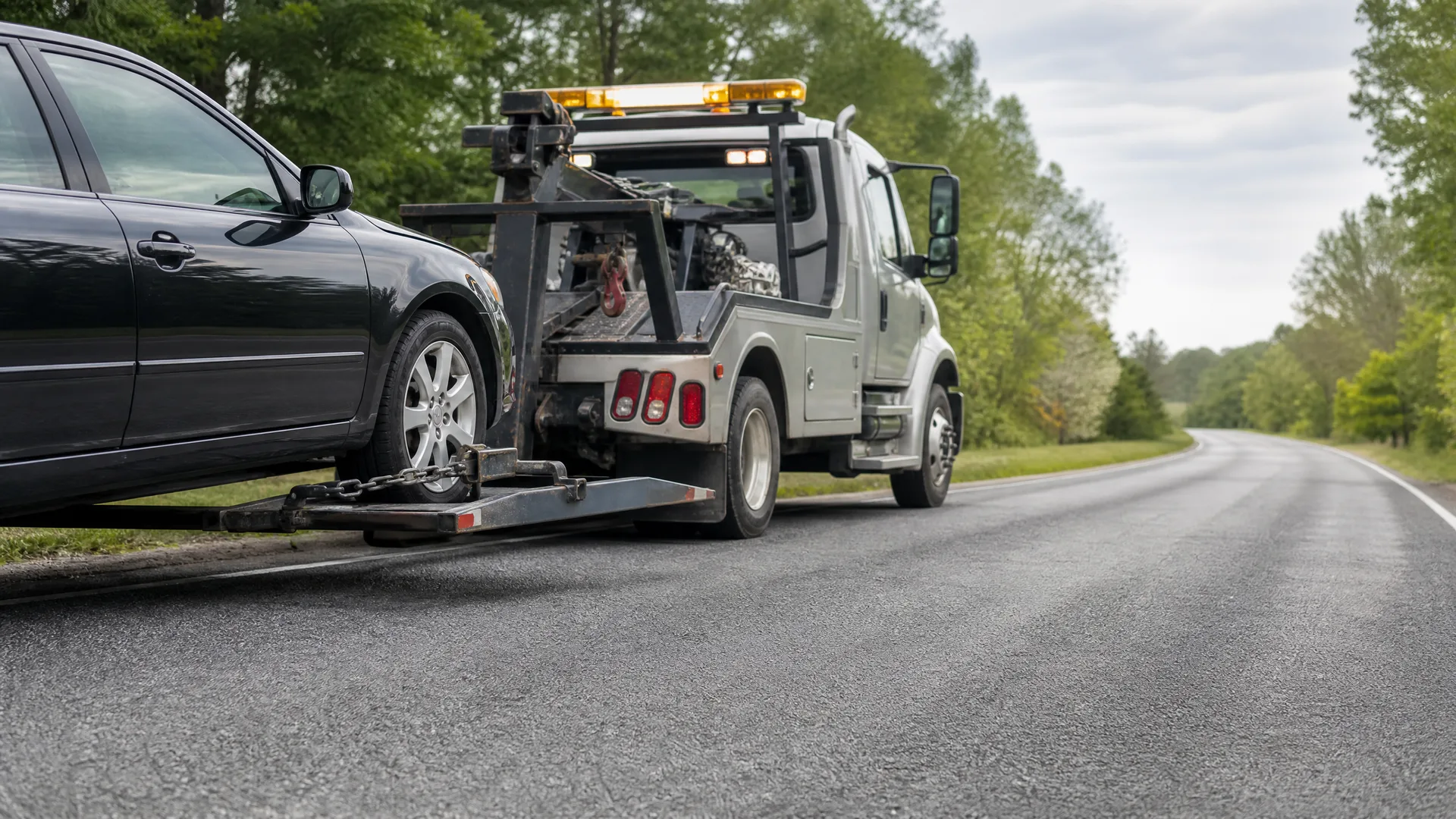
Once you know whether you want to keep, drop, or adjust this coverage, you're ready to compare quotes that reflect that choice.
Questions people ask about this
Can I drop collision coverage on an older car?
Yes, as long as the car is paid off and nobody requires you to carry it. Check your loan or lease paperwork first, since a lender usually requires it until the car is fully owned. After that it's your decision based on the car's value and what you could cover yourself.
Does collision coverage follow the car or the driver?
It generally follows the car, so if you lend your vehicle to someone and they have an accident, your collision coverage is what responds. It's worth checking your own policy wording, since some details around permitted drivers vary by insurer.
What happens if my car is declared a total loss?
The insurer pays you the car's value at the time of the accident rather than paying for repairs. That payout is based on current market value, not what you originally paid, so it can be lower than expected on an older vehicle.
Can I choose my own body shop for repairs?
In most cases yes, you can pick the shop, though your insurer may recommend ones they work with closely. Using a recommended shop sometimes speeds up the process, but the choice is generally yours to make.
Does collision coverage affect my rates after a claim?
It can, since filing a claim where you're at fault often affects what you pay going forward. How much it affects things varies by insurer and by your overall driving history, so it's worth asking directly how a claim would factor in before you file.