Collision Coverage for Seniors in Montana
Collision coverage pays to repair or replace your car after it hits another vehicle or object, or rolls over, no matter who caused it.
What collision coverage pays for
Covers
- Hitting another vehicle If you cause a crash, this pays to fix your own car regardless of fault.
- Hitting a fixed object A guardrail, mailbox, fence post or parked car you back into is covered the same way.
- Single car rollovers If you lose control on ice or gravel and roll or flip, the damage to your car is covered.
- Potholes and road damage Structural damage from hitting a pothole or curb falls under collision, not comprehensive.
- A rental after an accident If your policy includes rental reimbursement, it typically only kicks in after a collision claim, not any repair.
Doesn't cover
- Hail and weather damage That falls under comprehensive coverage, not collision, even though people often mix the two up.
- A deer or animal strike Hitting an animal is treated as comprehensive, not collision, because no other vehicle or driver was involved.
- Theft or vandalism Someone breaking a window or stealing the car is a comprehensive claim, not a collision one.
- Medical bills from the crash Your own injuries are handled through medical payments, personal injury protection or health insurance, not collision.
- The other driver's car Damage you cause to someone else's vehicle is paid by your liability coverage, not collision.
Whether it's worth keeping depends mostly on what the car is worth
If your car is paid off and worth less than you'd comfortably spend from savings to replace it, collision coverage may be costing you more over time than it would ever pay out. An insurer will only pay what the car is worth, not what it would cost to replace it with something newer, so an older car with a lot of miles on it has a cap on what this coverage can do for you.
If you're still making payments, or the car is leased, you likely don't have a choice. Lenders usually require collision coverage until the loan is paid off, so this isn't really a decision until that changes.
How much you drive matters too. A driver who mostly makes short trips around town has less exposure than someone who still puts on highway miles regularly, and that changes the odds of ever using this coverage at all.
Where the car spends its nights counts for something as well. A car kept in a garage or off busy streets faces less risk than one parked on a street or in an open lot, though this affects comprehensive risk more directly than collision.

What actually happens when you file a claim
You pay your deductible and the insurer covers the rest of the repair cost, up to what the car is worth. If the repair would cost more than the car is worth, the insurer instead pays you the car's value, minus your deductible, and takes the vehicle.
After an accident, you report the claim, an adjuster or appraiser looks at the damage, and you get an estimate for repairs or a settlement offer if the car is totaled. Keep your registration, any repair estimates, and photos of the damage on hand, since these speed up the process.
The payment covers the vehicle itself. It does not cover items inside the car, like glasses, groceries or personal belongings, and it doesn't cover a rental car unless you've added that separately.
If another driver was clearly at fault, you can often go through their liability coverage instead, which may mean no deductible for you, though your own collision coverage is usually faster if fault is unclear or the other driver is uninsured.
Collision versus comprehensive coverage
Collision coverage
This pays for damage from a crash with another vehicle or object, or a rollover, regardless of who caused it. It's the coverage that applies when you're driving and something goes wrong.
Comprehensive coverage
This pays for damage that happens when you're not driving or that isn't a crash, like hail, fire, theft, vandalism or hitting an animal. The two are often sold together but they answer different questions.
If you're deciding whether to keep one but not the other, think about which risk worries you more, a crash you cause or damage from weather and animals, since dropping one doesn't protect you from the other.
Real situations
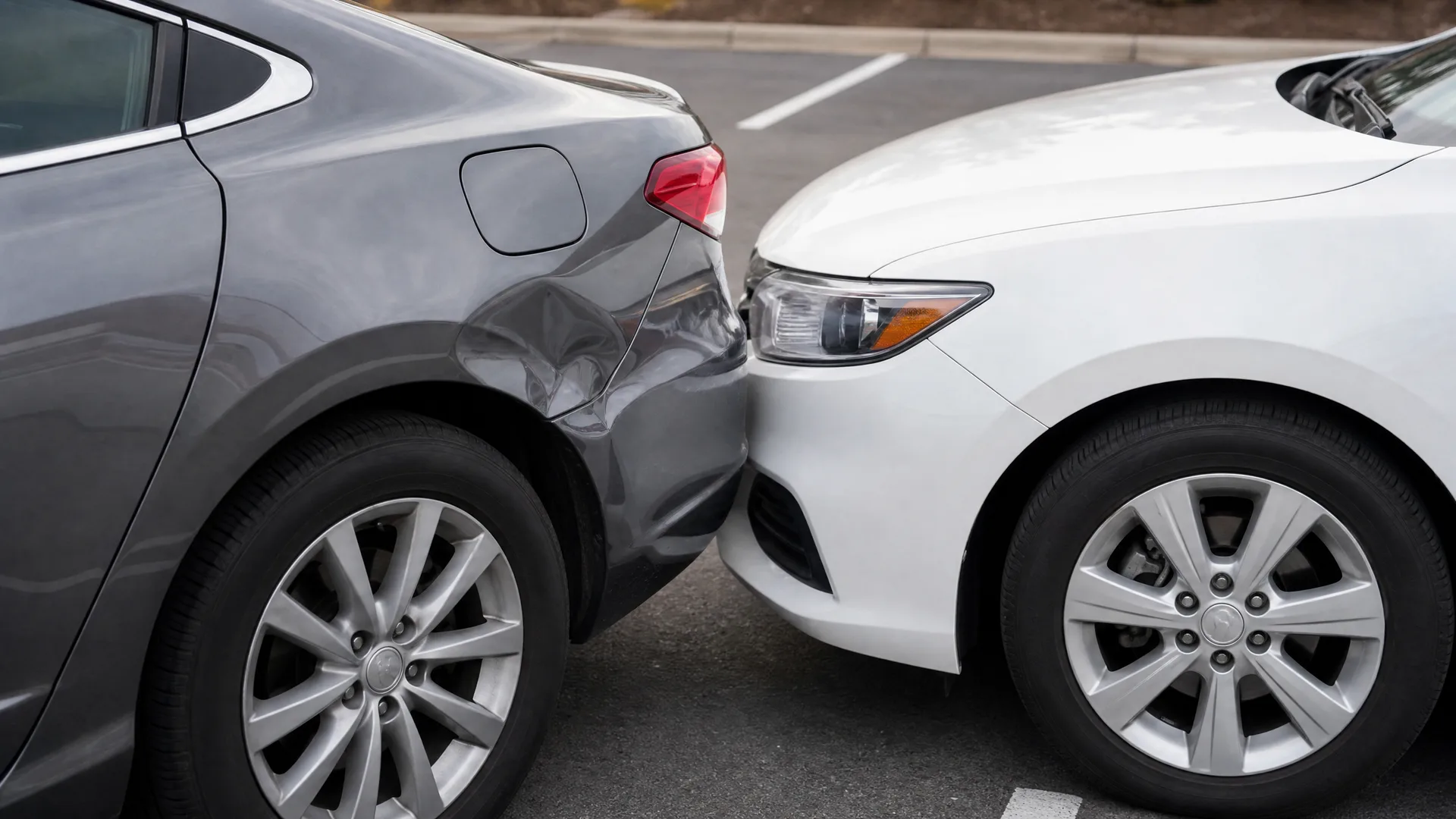
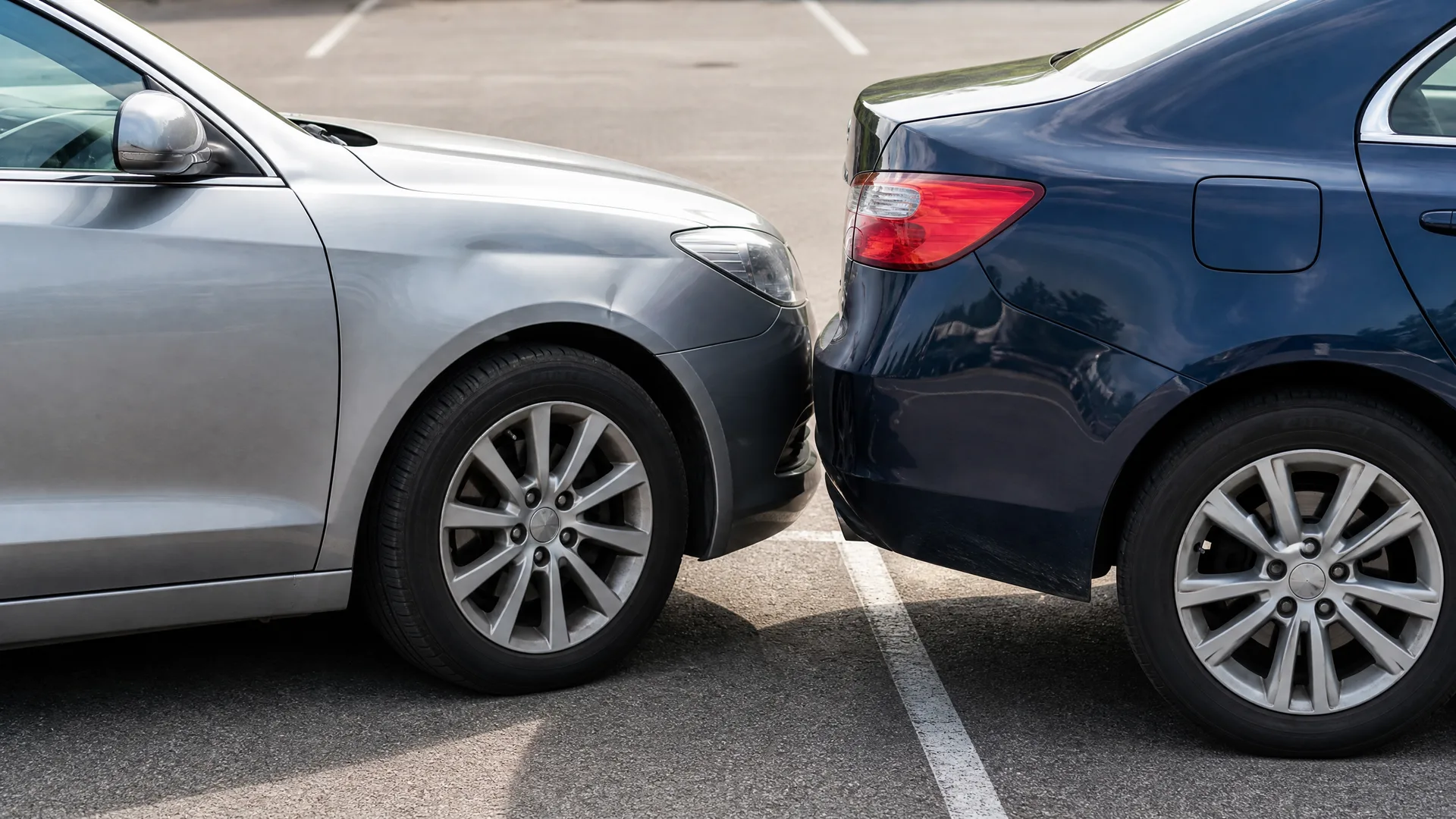
You're pulling out of a church parking lot in Great Falls and clip a parked car, denting your bumper and theirs.
Collision pays for your car's damage after your deductible, and your liability coverage handles the other car.
A hailstorm hits while your car is parked outside during a visit to family in Billings, leaving dents across the hood and roof.
This is a comprehensive claim, not collision, since no crash or rollover was involved.
A deer runs into the road at dusk on a county highway and you hit it before you can brake.
Animal strikes are covered under comprehensive, not collision, even though it feels like a crash.
Once you know whether you want to keep, adjust or drop collision coverage, you're ready to compare quotes that reflect that choice.
Questions people ask about this
What is my car actually worth for insurance purposes?
Insurers use the car's actual cash value, which factors in age, mileage and condition rather than what you paid or what it would cost new. You can get a rough sense from used car listings for similar vehicles in similar condition. If you disagree with an insurer's valuation after a claim, you can usually ask them to explain how they calculated it or provide your own comparable listings.
Can I drop collision coverage and keep liability only?
Yes, as long as your car is paid off and not leased, you can choose to carry only liability coverage. This means you'd pay out of pocket to repair or replace your own car after an accident you cause. Check with your lender first if you have any remaining loan balance, since they may still require collision coverage.
Does collision coverage follow the car or the driver?
It generally follows the car, so if you lend your vehicle to someone with permission, your collision coverage typically applies if they're in an accident. This can vary by policy, so it's worth checking your own documents or asking your insurer directly. Coverage for a car you're driving that isn't yours works differently and depends on the owner's policy.
Will filing a collision claim raise my rates?
It can, especially if you're found at fault, though how much depends on your claims history and how your policy is set up. Some policies include forgiveness for a first accident after a long claim free period. Ask your insurer directly how a claim would affect your specific policy before deciding whether to file.
What happens to collision coverage if I stop driving regularly?
If you're driving much less, it's worth telling your insurer, since some policies adjust pricing based on mileage. This doesn't change what the coverage does, only potentially what you pay for it. If you've stopped driving the car entirely, you may want to look into storage-only coverage instead, which typically drops collision but keeps comprehensive.