Collision Coverage for Seniors in Alaska
Collision coverage pays to repair or replace your car when it hits another vehicle or object, or flips over, no matter who caused it.
What collision coverage pays for
Covers
- Hitting another vehicle If you're at fault in a crash with another car, collision pays for your own vehicle's damage.
- Hitting a fixed object Guardrails, fences, mailboxes and parked cars you back into all fall under this coverage.
- Single car rollovers If icy roads or a sudden swerve flip or roll your car, the damage is covered.
- Potholes and road damage Running into a deep pothole or a broken piece of pavement counts as collision.
- Hit and run damage If the other driver takes off and you never identify them, collision still pays, since there's no one else's insurance to pursue.
Doesn't cover
- Hitting a moose or deer Animal collisions are treated as comprehensive claims, not collision, since you didn't cause the impact by driving.
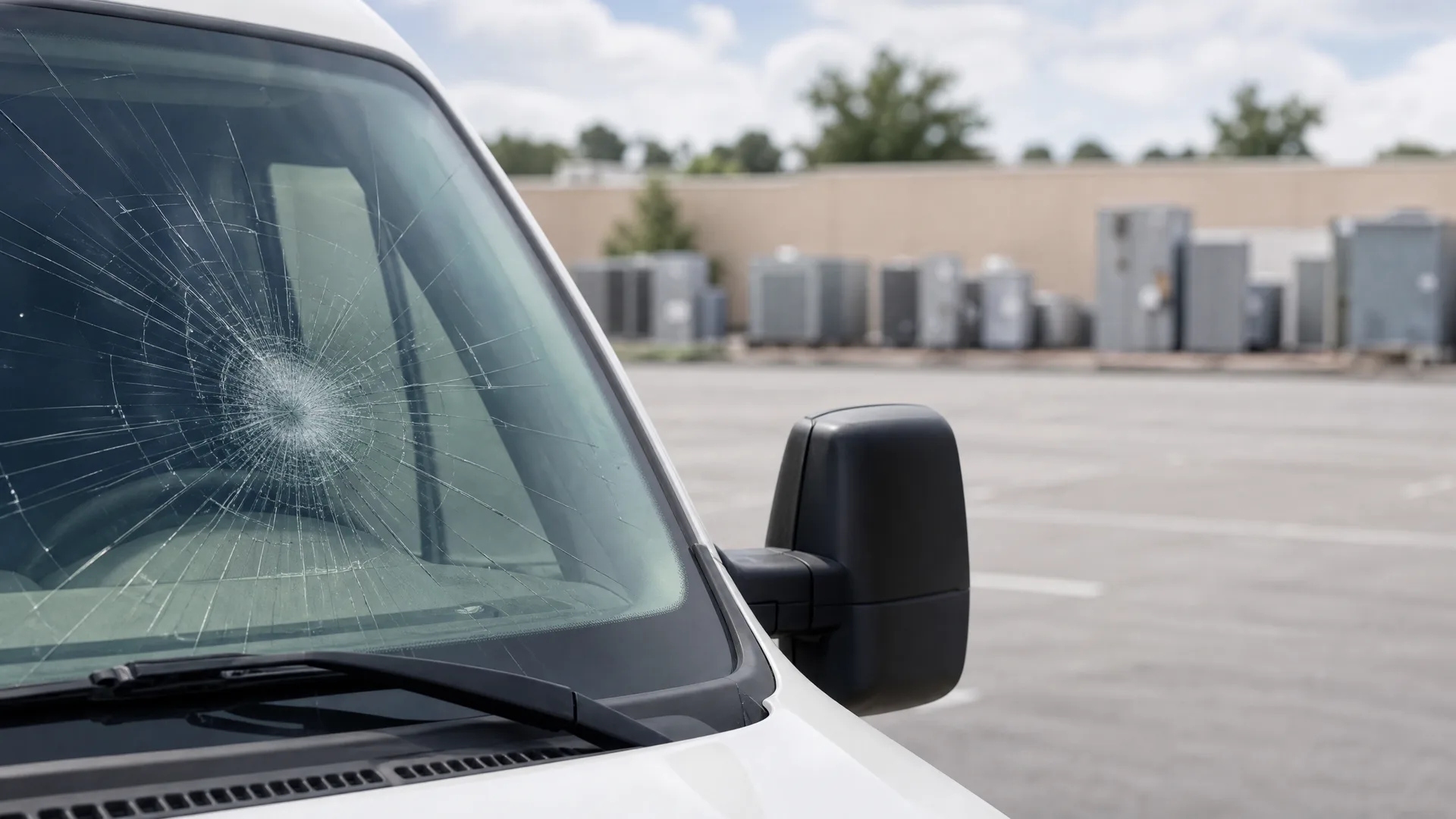
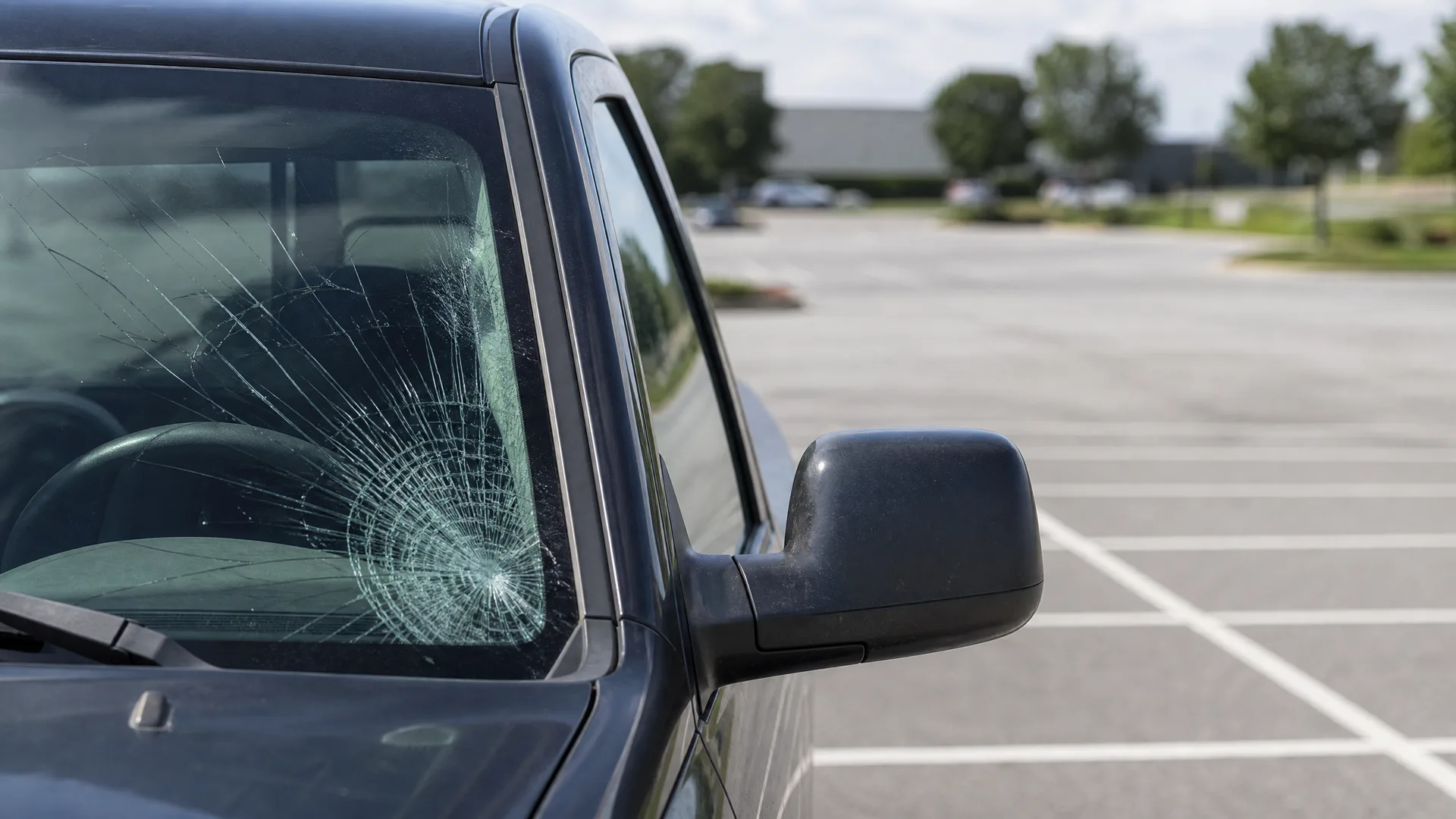
- Windshield cracks and theft Flying rocks, break-ins and stolen vehicles fall under comprehensive coverage instead.
- Your medical bills Collision only pays for the car. Medical payments or personal injury protection covers injuries to you and your passengers.
- The other driver's car That's liability coverage. Collision never pays for damage to someone else's vehicle, only yours.
- Mechanical breakdowns A transmission that fails or a battery that dies isn't a collision. That's wear and tear, and no auto policy covers it.
Worth it if the car is worth enough to matter
Start with what the car would sell for today, not what you paid for it years ago. If it's an older vehicle worth a modest amount, the payout after a claim may be small enough that carrying this coverage year after year costs more than the car is worth replacing.
If the car is paid off, you're also the one deciding whether to carry this coverage at all, since no lender is requiring it. That decision comes down to what you could absorb on your own. If a totaled car would strain your savings or change your plans for the year, keeping the coverage protects you from that. If you could replace the car in cash without much disruption, you're effectively self-insuring already, and the premium may not be buying you much.
How much you drive and where the car sits matters too. A car that mostly sits in a garage and only goes to church, the store and the doctor carries less risk than one driven daily on winter roads or long highway trips to see family. Less driving generally means fewer chances to need this coverage, which shifts the math toward dropping it on an older car.
Some people keep it simply because the cost fits easily into the budget and the peace of mind is worth more to them than the math suggests. That's a reasonable choice too, as long as it's made on purpose rather than left over from a policy nobody's looked at in years.
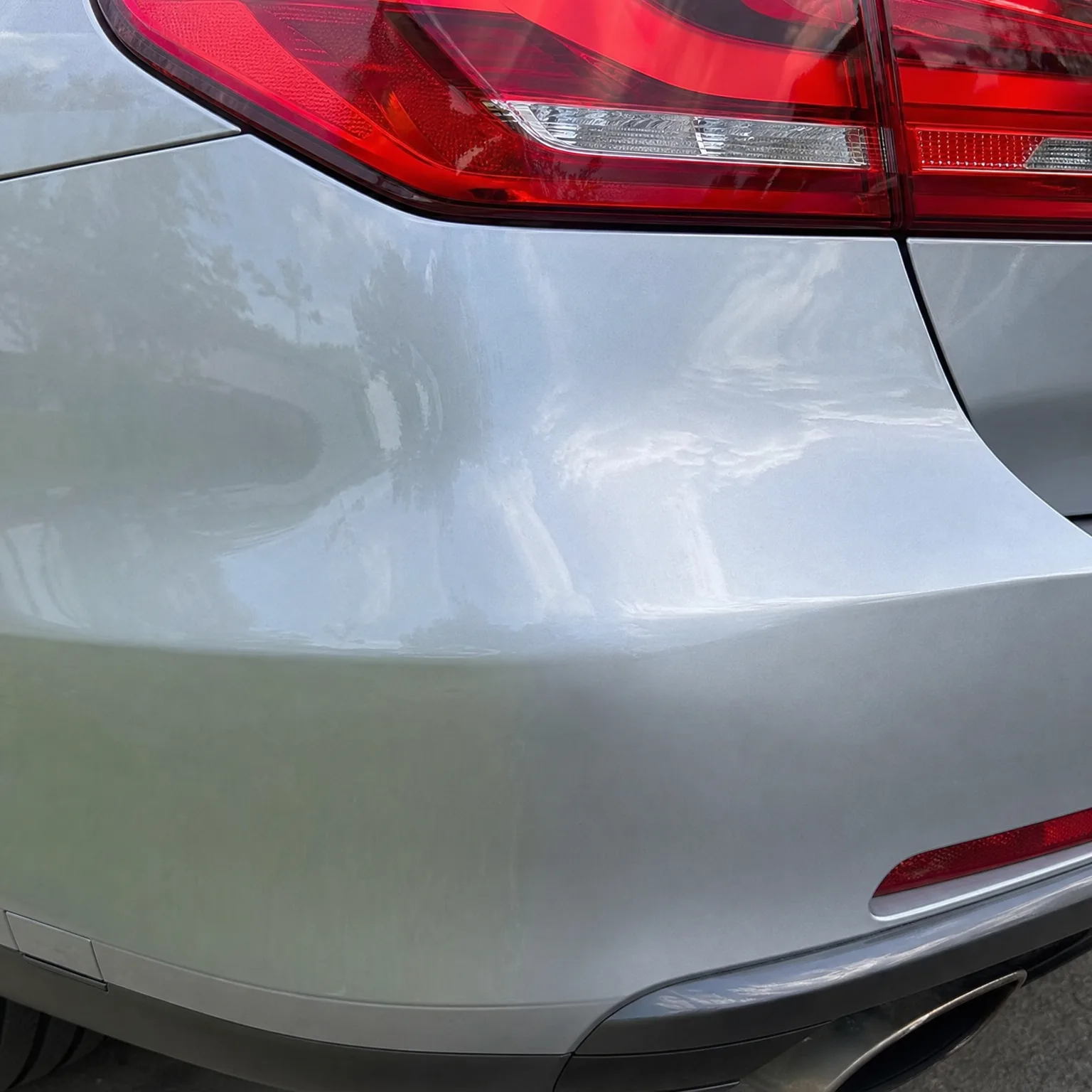
What happens when you file a claim
You pay a deductible first, and the insurer covers the repair cost above that amount, up to what your car is worth. If the damage costs more to fix than the car is worth, the insurer will total it instead of repairing it, and pay you that value minus the deductible.
After an accident, you report the claim, get the car inspected or appraised, and get repair estimates, either from a shop you choose or one the insurer recommends. Have your policy number, photos of the damage, and a description of what happened ready when you call.
The payout covers the vehicle itself, not a rental car unless you've added that coverage separately, and not anything you were hauling in it. If the car is totaled, the check is based on its market value right before the crash, not what you still owe if you have a loan, and not what it would cost to buy a similar replacement in a tight market.
If another driver was clearly at fault, your insurer may pursue their insurance company afterward to recover what they paid you, which can lower or refund your deductible later. That process happens on its own and doesn't require anything further from you.
Collision vs. comprehensive coverage
Collision coverage
This pays for damage from hitting another vehicle or object, or from rolling your car over. It applies regardless of who's at fault, as long as the damage came from an impact you were involved in while driving.
Comprehensive coverage
This pays for damage that happens to your car when you're not driving it into something, like animal strikes, hail, fire, theft, and falling branches. Many people carry both together, since they cover different kinds of events.
If you drive often and worry more about crashes, lean toward keeping collision. If your bigger risk feels like wildlife, weather or a car sitting outside, comprehensive matters more, and many drivers keep both until the car's value no longer justifies either.
Real situations
You're driving home from a grandchild's school event at dusk on a rural road and a moose steps out in front of you.
This doesn't pay, since an animal strike falls under comprehensive coverage instead.
Black ice sends your car into a spin on a quiet residential street, and you end up against a parked truck.
This pays, since it's a collision with another vehicle regardless of road conditions or fault.
You back out of a church parking spot and misjudge the distance to a light pole.
This pays, since hitting a fixed object while driving is exactly what collision covers.
Once you know whether you're keeping, adjusting or dropping this coverage, you can compare quotes with that decision already settled.
Questions people ask about this
Does collision coverage cover a rental car after an accident?
No, not by itself. Rental reimbursement is a separate add on that pays for a rental while your car is being repaired after a covered claim. Check your policy's declarations page to see if you already have it, since it's often added quietly when a policy is first written.
Can I drop collision coverage and keep comprehensive?
Yes, the two are separate and you can carry either one without the other. Some older drivers keep comprehensive for animal strikes and weather damage while dropping collision on a car that's no longer worth much to repair. Review what each would actually pay out before deciding, since the right mix depends on the car's value and how it's used.
Will my premium go up if I use collision coverage?
It can, depending on who was at fault and your insurer's rules. A claim where you were at fault is more likely to raise your rate than one where another driver was clearly responsible. Ask your agent directly how a claim would affect your specific policy before you decide whether to file one for minor damage.
Is collision coverage required by law?
Whether any coverage is required varies by state, and liability is the one most commonly required rather than collision. Collision is usually required only if you have a loan or lease on the vehicle, since the lender wants its interest protected. Check your own policy or loan paperwork to see what applies to you.
What happens to collision coverage once my car loan is paid off?
Nothing changes automatically. The coverage stays on your policy at the same cost until you or your agent removes it, even though the lender no longer requires it. This is often the exact moment to revisit whether the coverage still makes sense for the car's current value.