Collision Coverage for Seniors in West Virginia
Collision coverage pays to repair or replace your car after it hits another vehicle or object, or rolls over, no matter who caused it.
What collision coverage actually pays for
Covers
- Hitting another vehicle Repairs to your own car are covered even if the accident was your fault.
- Hitting a fixed object A mailbox, guardrail, fence post or parked car you back into all count.
- Single car rollovers If you lose control on a wet road or icy curve and flip or roll, the damage is covered.
- Potholes and road damage Running into a deep pothole hard enough to damage the car falls under this coverage.
- Hit and run damage to your car If the other driver takes off, your collision coverage still pays since there's no one to collect from.
Doesn't cover
- Deer and animal strikes Hitting an animal is handled by comprehensive coverage, not collision.
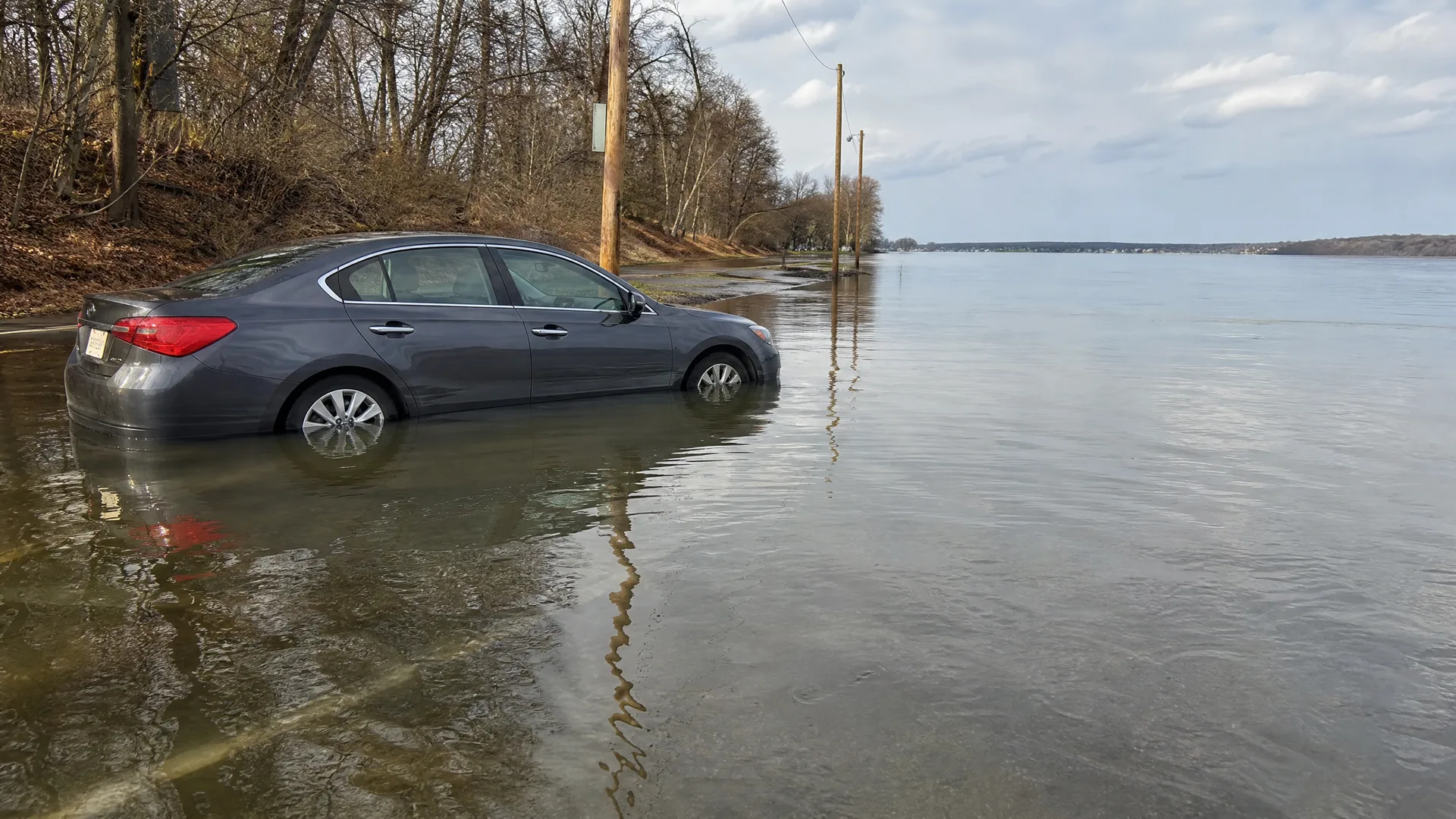
- Hail, flooding or fire damage Weather and other non collision events fall under comprehensive coverage instead.
- Theft of the vehicle A stolen car is a comprehensive claim, since no collision took place.
- Your medical bills Injuries to you or your passengers are handled under medical payments or personal injury protection, not this coverage.
- Mechanical breakdown A worn transmission or failed engine isn't a collision and isn't covered here.
For an older car that's paid off, this coverage often costs more than it's worth
The math on collision coverage comes down to one question. What is the car worth right now, and could the insurer's payout after an accident actually buy you something better than what you're driving.
If the car is older and worth a modest amount, a claim check minus the deductible may not leave much. At that point you're paying every year for a payout that wouldn't cover a meaningful repair or replacement anyway.
If you could cover the cost of totaling the car out of your own savings without it changing your life, that's a real option worth considering seriously, not just in theory. Some drivers this age have enough set aside that carrying the coverage is more habit than need.
How much you drive and where the car spends its time matters too. A car that sits in a garage most of the week and only goes to church, the store and the doctor sees far less risk than one driven daily on busy roads or long highway trips to see family.
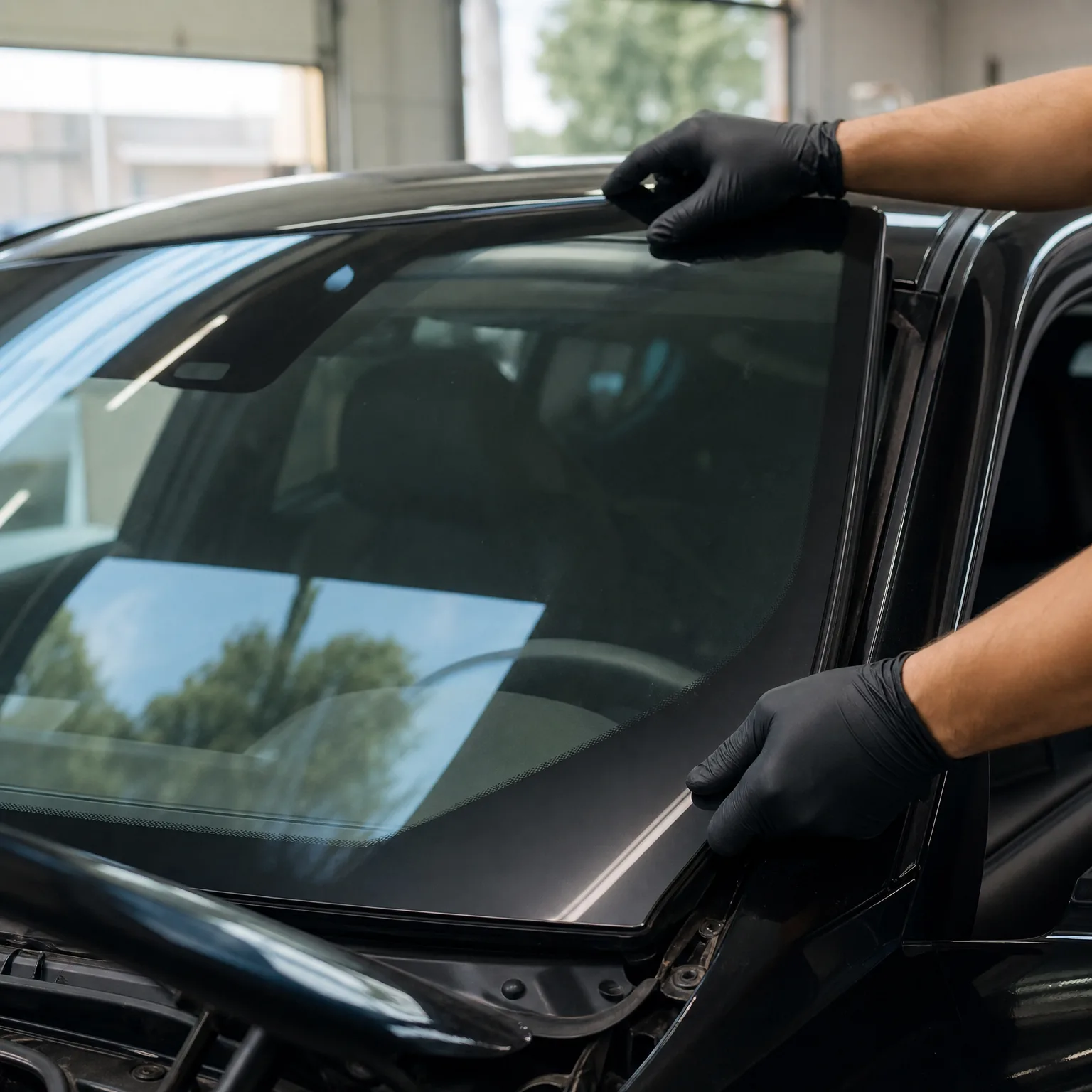
What happens when you actually file a claim
You pay the deductible first, and the insurer covers the rest of the approved repair cost or the car's value if it's totaled. You choose or are offered a repair shop, an adjuster looks at the damage, and the shop or the insurer settles on a cost before work begins.
If the car is totaled rather than repaired, the payout is based on what the car was worth right before the accident, not what you originally paid for it or what you'd need to buy a similar replacement today. This surprises a lot of longtime owners who assumed the payout would be higher.
Have your policy number, the other driver's information if there was one, photos of the damage and a general account of what happened ready when you call. A clean, specific account of the accident tends to move the claim along faster than a vague one.
If the accident wasn't your fault, the insurer may try to recover its costs from the other driver's insurance afterward. That process happens on their end and shouldn't require much from you beyond the initial claim.
Collision coverage versus comprehensive coverage
Collision coverage
This pays for damage from hitting another vehicle or object, or from rolling over, regardless of fault. It's the coverage for accidents you can picture happening on a road.
Comprehensive coverage
This pays for damage that isn't a collision, like hitting a deer, hail, fire, theft or a cracked windshield from a flying rock. It covers the things that happen to a parked or otherwise undamaged car.
Drivers who worry most about everyday accidents lean toward collision, while those more concerned about animals, weather or theft lean toward comprehensive, though most people who carry one carry both.
Real situations
You're pulling out of a grocery store parking lot and clip a shopping cart corral, denting your front fender.
Collision pays for the fender repair since it was a collision with a fixed object, minus your deductible.
A hailstorm rolls through while your car is parked at church on a Sunday morning, leaving small dents across the hood and roof.
Collision doesn't pay here, since hail is a comprehensive claim rather than a collision.
Driving home at dusk on a county road, a deer runs into your path and you can't avoid hitting it.
Collision doesn't pay for animal strikes, that falls under comprehensive coverage instead.
Once you know whether you want to keep, drop or adjust your collision coverage, you can compare quotes built around that choice.
Questions people ask about this
What is my car worth for insurance purposes?
Insurers use the car's current market value, based on its age, mileage and condition, not what you paid for it originally. You can get a rough sense of this value through used car pricing guides before you decide on coverage. Checking this periodically helps you judge whether collision coverage still makes financial sense.
Can I drop collision coverage if my car is paid off?
Yes, once a car is paid off you're free to drop collision coverage if you choose to. Lenders generally require it while you're financing or leasing, but that requirement ends once the loan is paid. The decision then comes down to what the car is worth and what you could afford to cover yourself.
Does collision coverage follow the driver or the car?
It follows the specific vehicle listed on the policy, not the driver. If you or a family member drives a different car, that car needs its own coverage for a collision claim to apply. This matters for households with multiple cars or when borrowing a vehicle.
Will my rate go up after a collision claim?
It can, since insurers often consider at fault accidents when setting future rates. How much it changes varies by policy and insurer, so it's worth asking your agent directly how a claim would affect your specific policy. Some policies offer forgiveness for a first accident, which is worth checking for on yours.
What happens if the car is totaled but I still owe money on it?
The insurer pays out the car's current value, which may be less than what you still owe on a loan. That gap is normally covered by a separate type of coverage built for that situation, not by collision coverage itself. It's worth checking whether your policy includes that protection if you're still financing the car.