Collision Coverage for Seniors in Washington
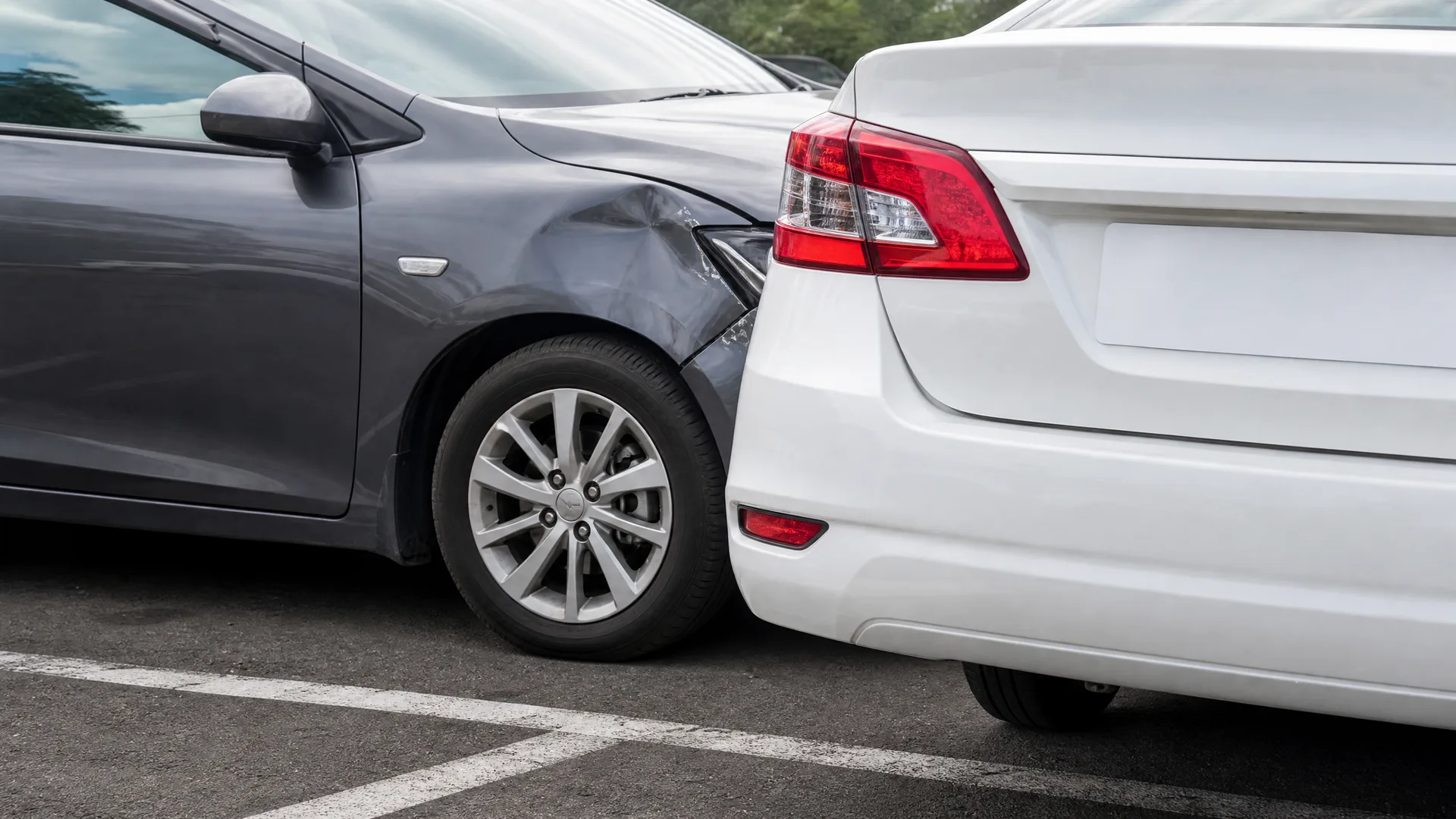
Collision coverage pays to repair or replace your own car after it hits another vehicle or object, or rolls over, no matter who caused it.
What collision coverage pays for
Covers
- Hitting another vehicle If you cause a crash with another car, this pays to fix or replace yours.
- Hitting a fixed object A mailbox, a fence, a guardrail, a garage door, any of these count if you're at fault.
- Single-car rollovers If you lose control and the car rolls or flips with no one else involved, it's still covered.
- Potholes and road damage Hitting a pothole hard enough to damage the car falls under collision, not something else.
- Hit-and-run damage to your car If the other driver takes off and can't be identified, collision covers your repairs since there's no one to collect from.
- Parking lot collisions Backing into a post or another car in a lot is treated the same as any other collision.
Doesn't cover
- Hail, falling branches, or animal strikes These are comprehensive claims, not collision, since nothing you did caused the damage.
- Theft of the car A stolen vehicle falls under comprehensive coverage, not collision.
- Your medical bills Collision pays for the car. Injuries to you or your passengers are handled under medical payments or personal injury protection.
- The other driver's car If you're at fault, their vehicle is paid for by your liability coverage, a separate part of your policy.
- Mechanical breakdown A transmission failure or dead battery isn't a collision. That's wear and tear, and no auto policy covers it.
- Damage from driving with excluded conditions If your policy excludes certain drivers or uses and that's how the damage happened, the claim can be denied regardless of collision coverage being on the policy.
Whether it's worth paying for depends mostly on what the car is worth
The first question is simple: what would it cost to replace the car with something similar, and could you cover that yourself without much trouble. If the car is older and not worth much, the payout after a claim may be small, and you could end up paying premiums for years to get back less than you expected. If the car is paid off and worth covering, or if you're still making payments on it, collision coverage is usually required by the lender anyway, so the decision is already made for you.
How much of a loss you could absorb from savings matters as much as the car's value. Some drivers in their seventies and eighties have enough set aside that replacing a car outright wouldn't change their life. Others would feel it. That difference, more than age itself, is what should drive this decision.
How much you drive and where the car spends its time also factor in. A car driven often, especially on highways or in heavier traffic, carries more collision risk than one that mostly sits in a garage and makes short trips to the store or church. A car parked on the street every night has different exposure than one tucked away at home.
None of this is about whether you're still a capable driver. It's about the math on a specific car, and that math changes as the car ages and loses value, which is why it's worth checking every few years instead of assuming the same answer still holds.
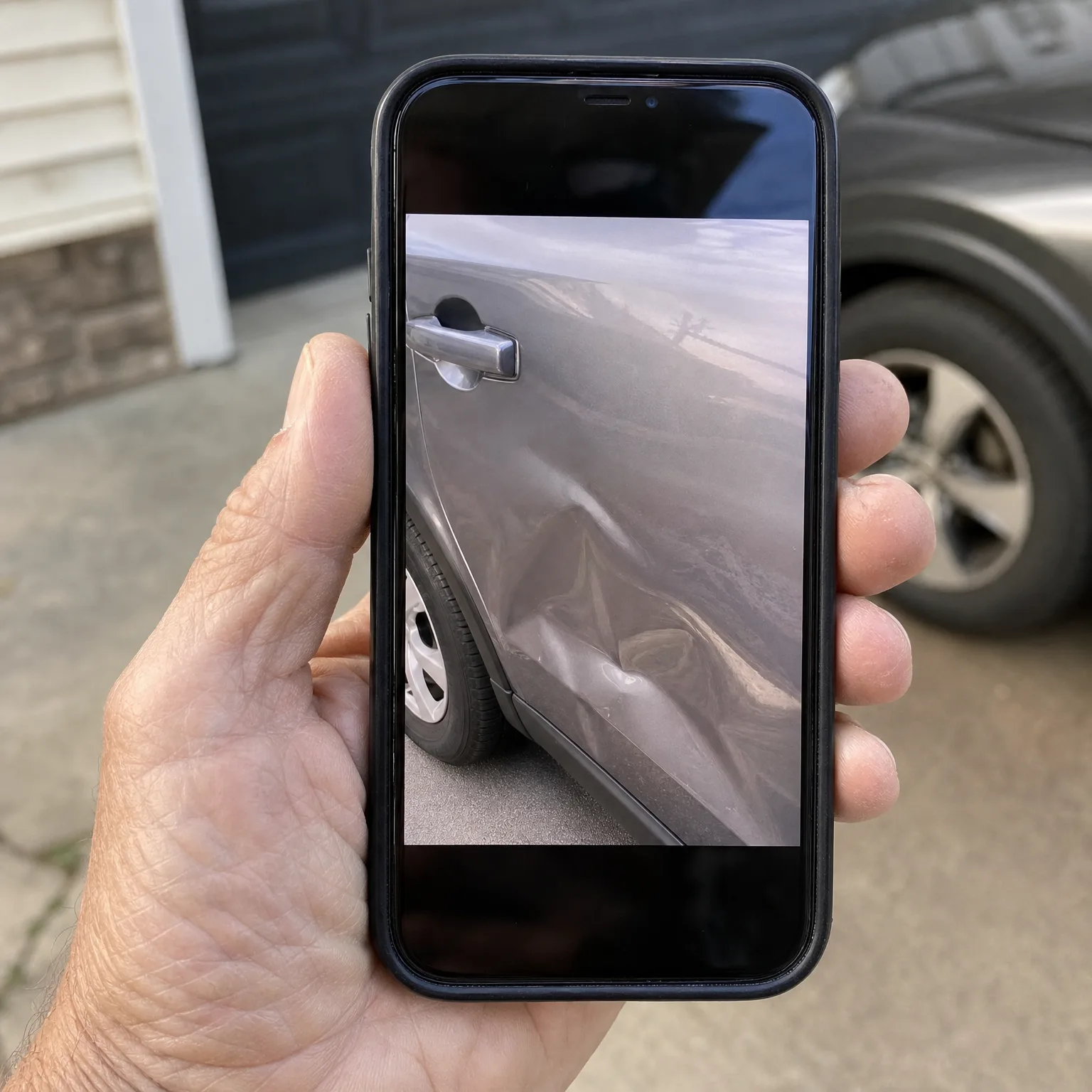
What happens when you actually use this coverage
You pay a deductible out of pocket and the coverage pays the rest, up to what the car is worth. If repairs would cost more than the car's value, the insurer typically pays you that value instead of fixing it, and keeps the car. That number is set by the condition and mileage of your specific vehicle, not by what you paid for it originally or what you think it's worth.
After an accident, you report the claim, the car gets inspected or appraised, and you get a repair estimate or a settlement offer. Having your registration, a description of what happened, and photos of the damage ready speeds this along. If another driver was involved, their information helps too, even if fault isn't yet clear.
The payment covers the vehicle itself. It does not cover a rental car unless you added that separately, and it does not cover anything personal that was inside the car, like glasses, tools, or belongings. Those typically fall under a different part of the policy or aren't covered at all.
If you were not at fault, your insurer may pursue the other driver's insurer afterward to recover what they paid out, which can reduce or refund your deductible later. That process happens on its own and doesn't require you to do anything beyond reporting the accident accurately.
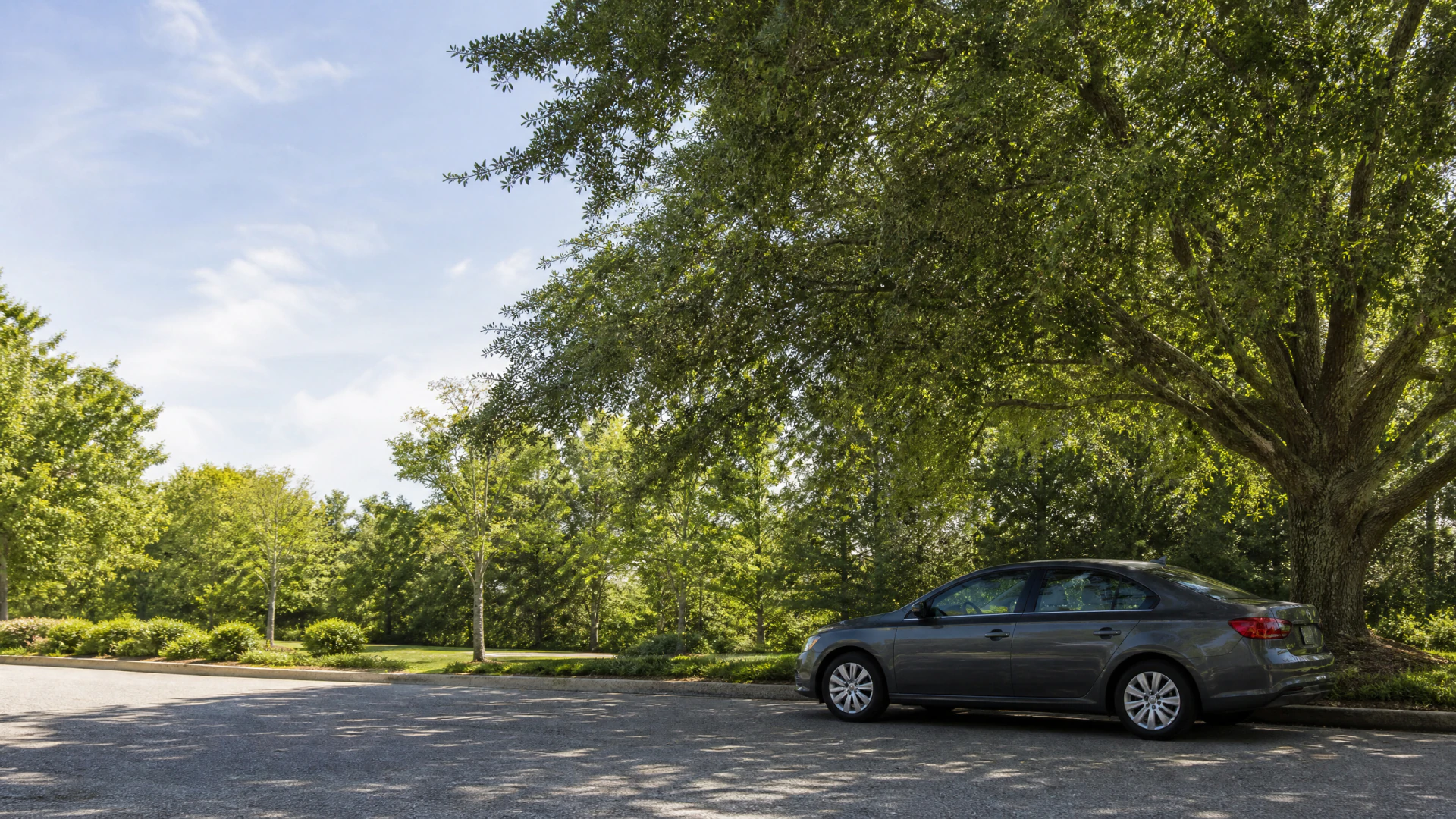
Collision versus comprehensive coverage
Collision coverage
This pays for damage from a crash with another vehicle or object, or from a rollover. It applies regardless of who caused it, as long as a collision is what happened.
Comprehensive coverage
This pays for damage that isn't from a collision, like hail, a fallen tree branch, a deer strike, theft, or vandalism. It's the coverage for things that happen to a parked or stationary car as often as a moving one.
Most drivers who keep one tend to keep both, since they cover different kinds of damage and often get bundled together, but each can be dropped on its own if the car's value no longer justifies it.
Real situations
You're pulling out of a parking space at the pharmacy and back into a concrete post you didn't see.
Collision pays for the damage to your car, minus your deductible, since this is a single-car collision with a fixed object.
A hailstorm hits while your car is parked at church and dents the hood and roof.
Collision doesn't pay here. Hail damage falls under comprehensive coverage instead.
A deer runs into the road at dusk on a county highway and you can't avoid it.
This is typically treated as comprehensive, not collision, since hitting an animal is classified separately even though your car does the same kind of damage.
Once you know whether collision coverage still makes sense for your car, you can compare quotes with that part of the decision already settled.
Questions people ask about this
Do I still need collision coverage on an older paid-off car?
Not necessarily, and many drivers drop it once the car's value drops low enough that a payout wouldn't be worth years of premiums. Check what your specific car would be worth in a claim today, not what it was worth when new, before deciding. If you'd struggle to replace the car without that payout, it's worth keeping.
Will my collision claim raise my rates?
It can, since filing any at-fault claim is generally viewed as higher risk by insurers going forward. How much depends on your claims history and how your policy is set up, so it's worth asking your agent directly what a claim would do to your specific policy before you file one for minor damage.
Can I drop collision coverage but keep comprehensive?
Yes, these are separate coverages and can usually be adjusted independently. Some drivers keep comprehensive for things like theft, vandalism, or animal strikes while dropping collision once the car's value no longer justifies that part of the premium. Check with your insurer on how your policy is structured, since bundling rules can vary.
What happens if the car is declared a total loss?
The insurer pays you the car's value rather than paying for repairs, then takes ownership of the damaged vehicle. You'll want to know ahead of time roughly what your car would be valued at, since that determines whether the payout is enough to replace it. This is decided case by case based on the vehicle's condition and mileage.
Does collision coverage pay if I loan my car to my grandchild and they crash it?
Generally yes, if they had your permission to drive it and aren't excluded on your policy. Coverage usually follows the car rather than the driver, but this can vary depending on how your policy is written, especially if the person driving lives in your household regularly. It's worth checking your policy's listed drivers and exclusions directly.