Collision Coverage for Seniors in Virginia
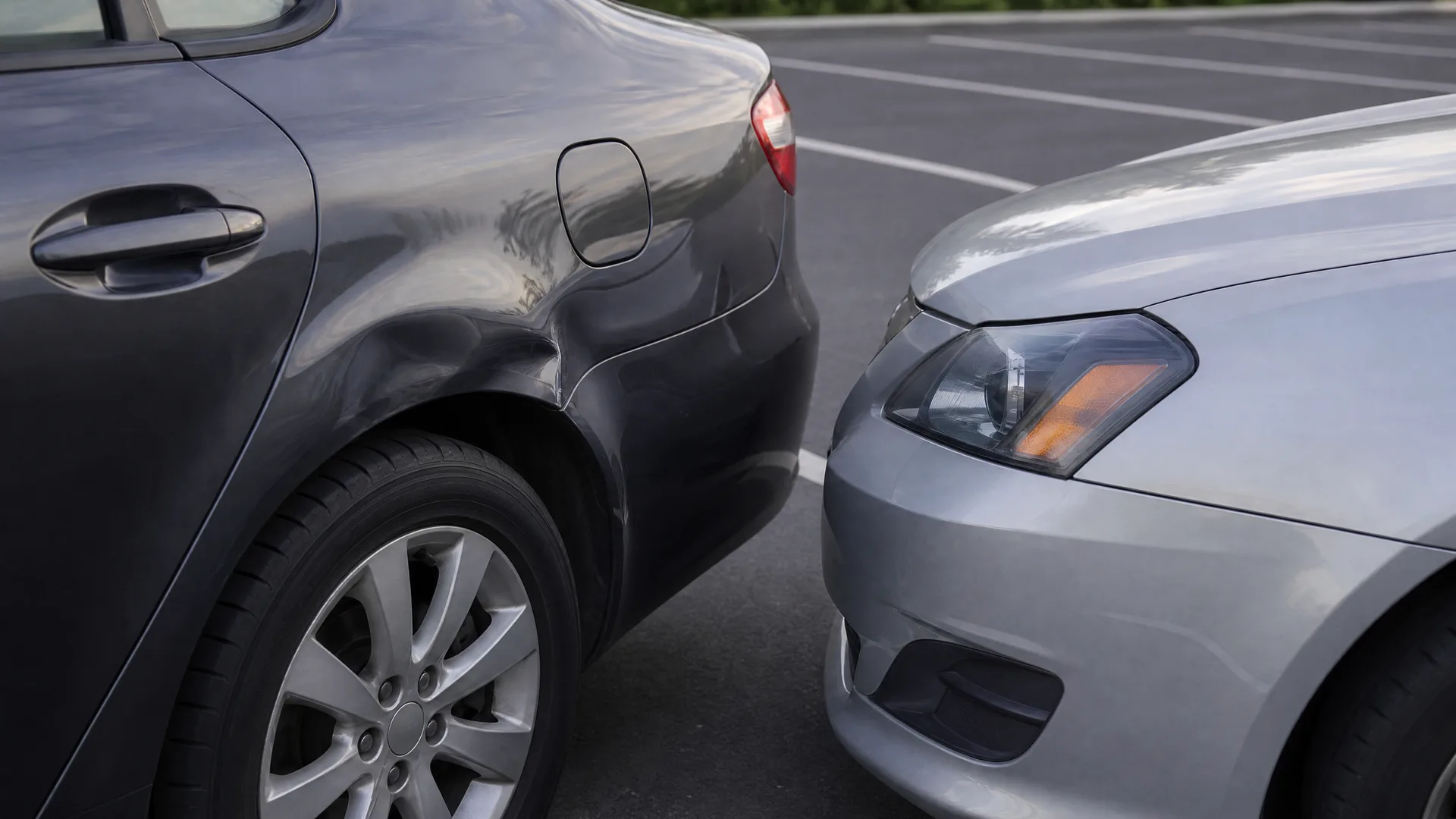
Collision coverage pays to repair or replace your own car after it hits another vehicle or object, or flips over, no matter who caused it.
What collision coverage pays for
Covers
- Hitting another vehicle If you cause the crash, this pays to fix your car rather than leaving the cost to you.
- Hitting a fixed object Mailboxes, guardrails, fences and poles all count if your car takes the damage.
- Single car rollovers If you lose control and the car rolls or flips with no other vehicle involved, this still applies.
- Potholes and road damage Damage from hitting a pothole or a piece of debris in the road is treated as a collision.
- Hit and run damage to your car If the other driver takes off and can't be identified, this coverage still pays for your car's damage.
Doesn't cover
- Deer and animal strikes Hitting an animal is handled under comprehensive coverage, not collision, even though the damage looks similar.
- Hail and storm damage Weather damage while the car is parked or driving falls under comprehensive, not collision.
- Your medical bills Collision only covers the vehicle. Injuries to you or your passengers are handled under medical payments or health insurance.
- The other driver's car Damage you cause to someone else's vehicle is paid by your liability coverage, a separate part of your policy.
- Mechanical breakdown A failed transmission or worn out brakes aren't collision damage, even if they lead to an accident.
Whether it's worth paying for depends mostly on what your car is worth now
If your car is older and worth relatively little, the payout in a claim is capped at that value, no matter what repairs actually cost. Once a car has dropped to a modest value, you can end up paying for coverage that would barely cover a fender bender.
If the car is paid off and you have enough set aside to replace it outright, you're essentially self insuring already. Some drivers in their seventies and eighties decide the premium isn't worth it once they could write a check for a replacement car without much strain.
How much you actually drive matters too. A car that mostly sits in the driveway and takes occasional trips to the store or church carries a lot less risk than one used for a daily commute or regular highway driving.
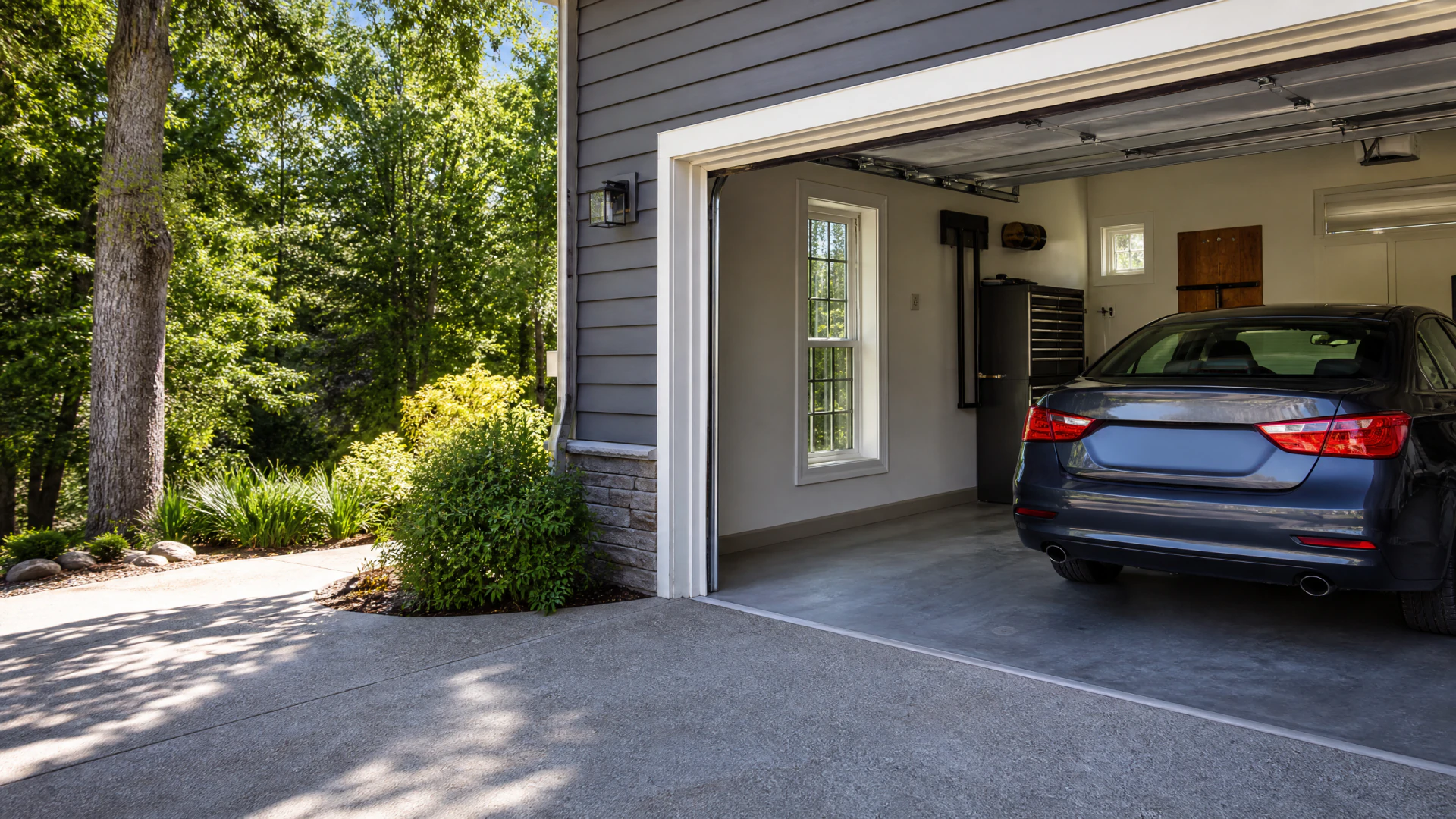
Where the car spends its time matters as well. A car kept in a garage in a quiet neighborhood faces different odds than one parked on a street or in a shared lot. None of this is a fixed rule. It's worth actually looking at what your car is worth before deciding either way.
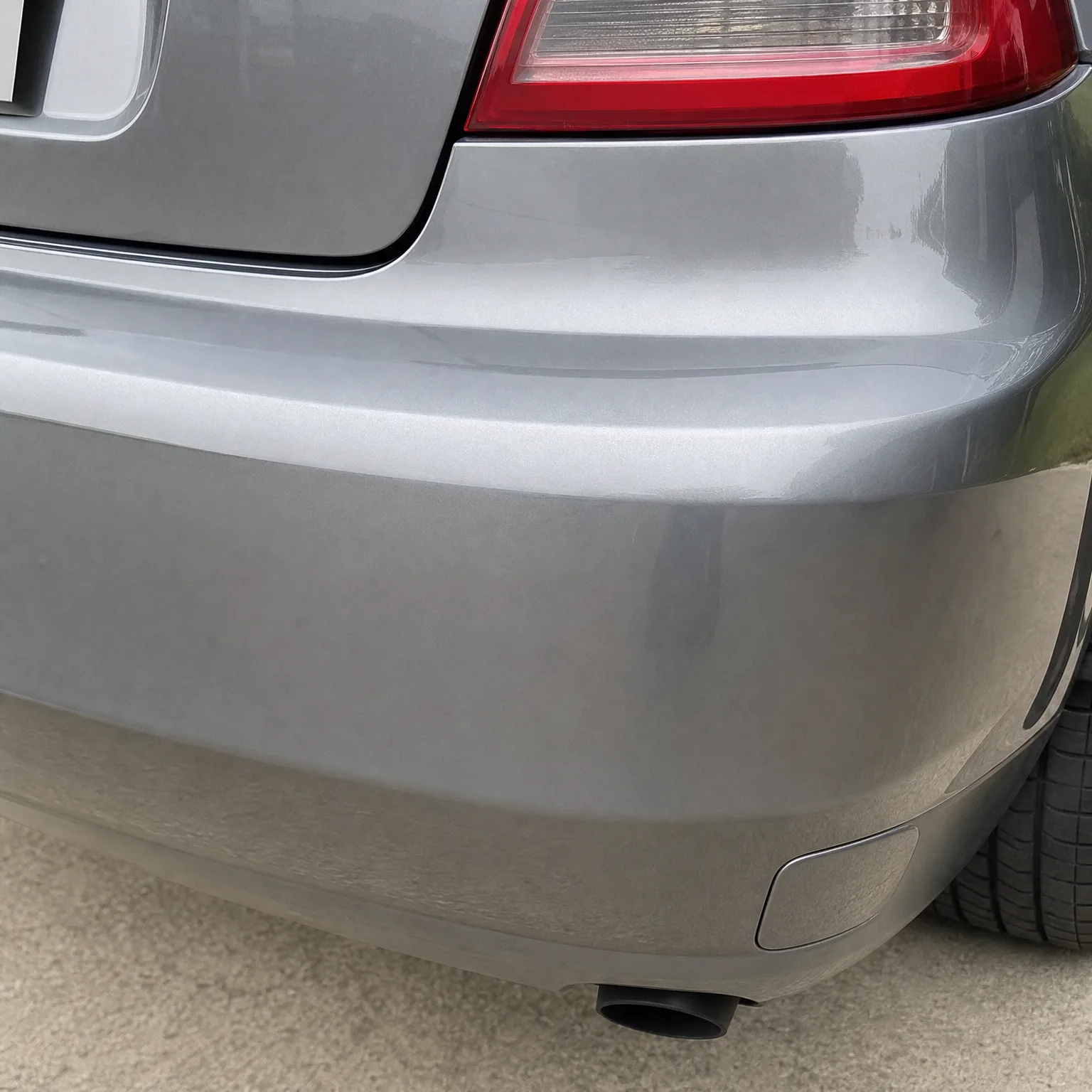
How a collision claim actually works
You pay a deductible first, and the insurer covers the rest of the repair cost up to what your car is worth. If the repair costs less than your deductible, there's no real reason to file a claim at all.
After an accident, you report the damage, the car gets inspected or appraised, and you get an estimate for repairs. If the cost to fix the car is close to or more than what it's worth, the insurer may declare it a total loss and pay you that value instead of repairing it.
The payment covers the vehicle itself. It won't cover a rental car unless you added that separately, and it won't cover any items you had inside the car at the time.
Have your policy information, photos of the damage, and a description of what happened ready when you call. If another driver was involved, their information helps too, even though fault doesn't change whether collision pays.
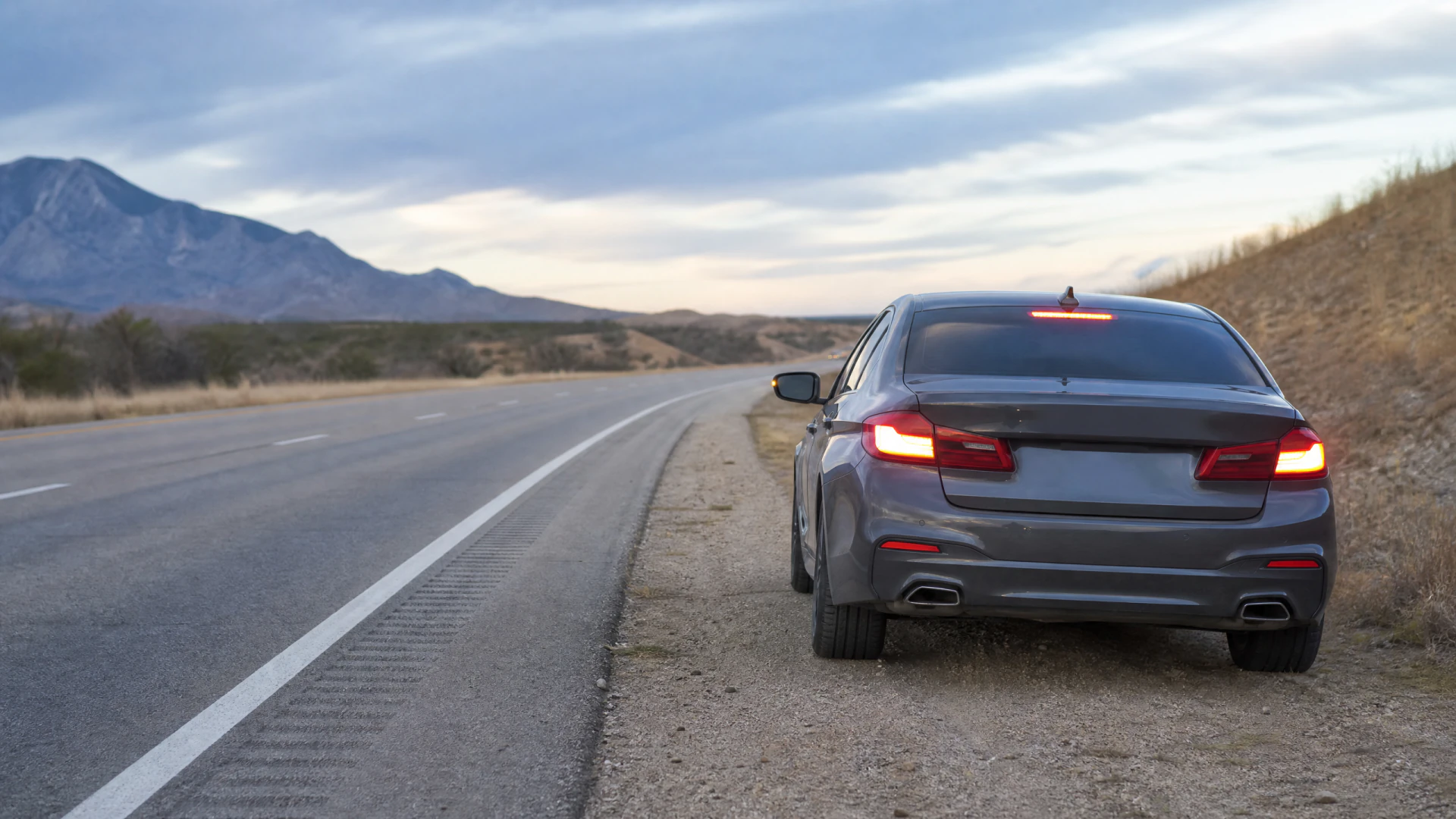
Collision versus comprehensive coverage
Collision Coverage
This pays for damage from hitting another car or an object, or from flipping over. It applies whether the accident was your fault or not.
Comprehensive Coverage
This pays for damage that isn't from a crash, like animal strikes, falling branches, fire, theft or vandalism. It's the coverage most people reach for after a deer or a hailstorm.
If you're deciding whether to keep one and drop the other, think about which kind of damage worries you more. Many drivers keep both or neither, since they're often sold as a pair.
Real situations
You're pulling out of a church parking lot and clip a parked car nobody was sitting in.
Collision pays for your car's damage, and your liability coverage pays for the other car.
A hailstorm hits while your car is parked at home overnight.
Collision doesn't pay here since there's no crash; this falls under comprehensive coverage.
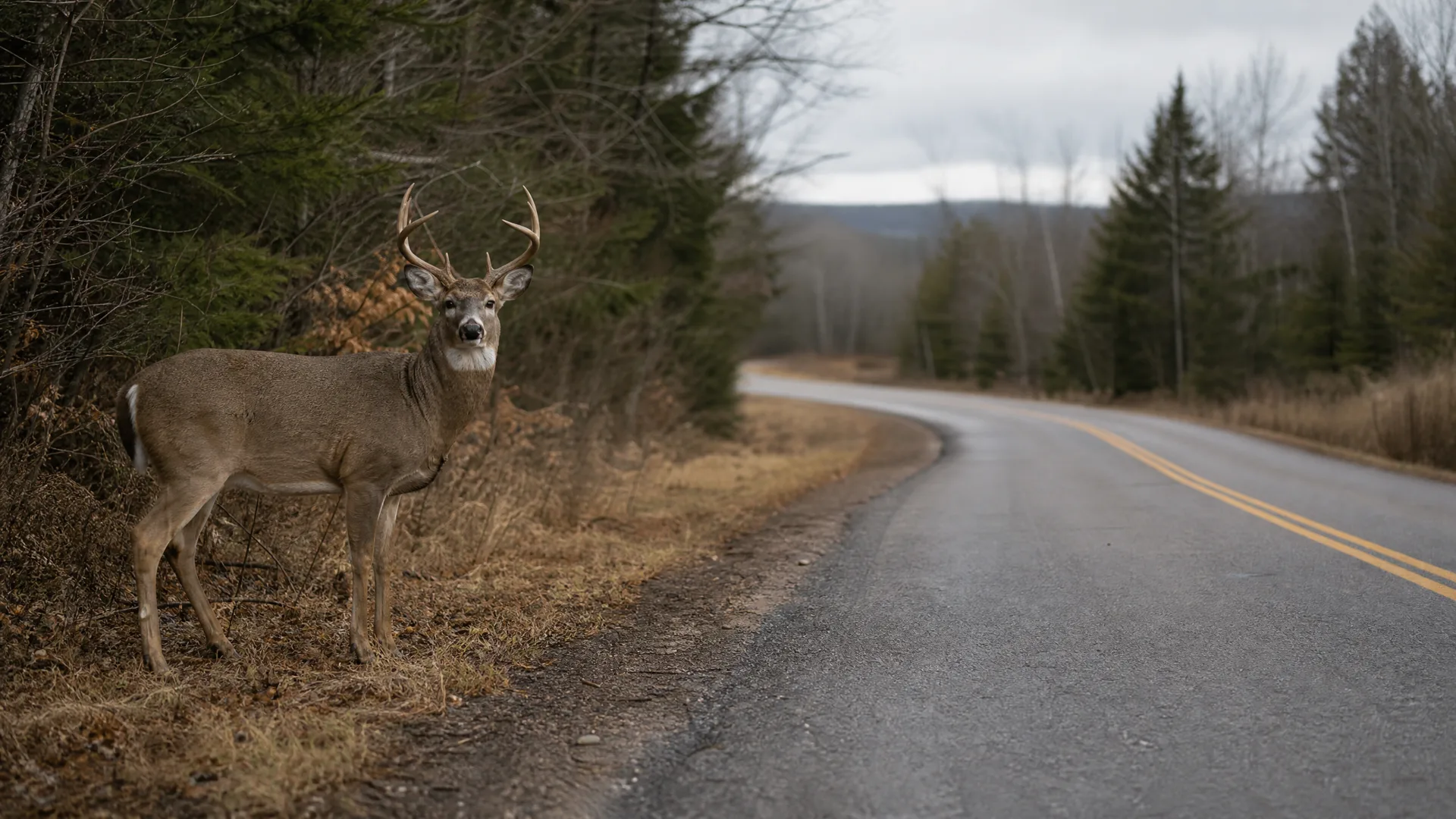
A deer runs out on a county road at dusk and you can't avoid it.
This is a comprehensive claim, not collision, even though the damage can be severe.
Once you know whether you want to keep, adjust, or drop collision coverage, you're ready to compare quotes that reflect that choice.
Questions people ask about this
What happens to collision coverage if my car is paid off?
Nothing changes automatically. Collision coverage isn't tied to whether you still owe money on the car, it's tied to whether you choose to carry it. Lenders often require it while there's a loan, but once the car is paid off, keeping it or dropping it is entirely your call.
Does collision coverage follow the car or the driver?
It generally follows the car, since the policy is written around that specific vehicle and its value. If you drive someone else's car with permission, your coverage may extend to it in some cases, but this varies and is worth confirming with your own policy.
Can I add collision coverage back after dropping it?
Yes, you can usually add it back at a later renewal or by contacting your insurer directly. There may be a gap where the car isn't covered for collision damage between dropping it and re-adding it, so timing matters if you're reconsidering.
How is my car's value decided in a collision claim?
It's based on what similar cars are selling for in your area at the time of the claim, not what you originally paid or what you feel it's worth. Mileage, condition and options on the car all factor in, and you can ask how the number was reached if it seems off.
Should I drop collision coverage on a second car I rarely drive?
It depends on that car's value and how much risk still exists even while it's parked. A rarely driven car still faces some risk sitting in a driveway or garage, but if it's worth very little, the coverage may not be doing much for you financially.