Collision Coverage for Seniors in Maryland
Collision coverage pays to repair or replace your car after it hits another vehicle or object, or rolls over, no matter who caused it.
What collision coverage pays for
Covers
- Hitting another vehicle If you're at fault in a crash, this pays to fix your own car regardless of who caused it.
- Hitting an object A guardrail, a mailbox, a parked car in a lot, a tree you back into, all of these are covered.
- Single-car rollovers If you lose control and roll the vehicle without hitting anything else, this still applies.
- Potholes and road damage Collision covers the impact damage from hitting a pothole hard enough to bend a wheel or damage the frame.
- Hit-and-run damage to your car If someone hits you and drives off, collision pays for your repairs while the other driver's liability coverage is unavailable.
Doesn't cover
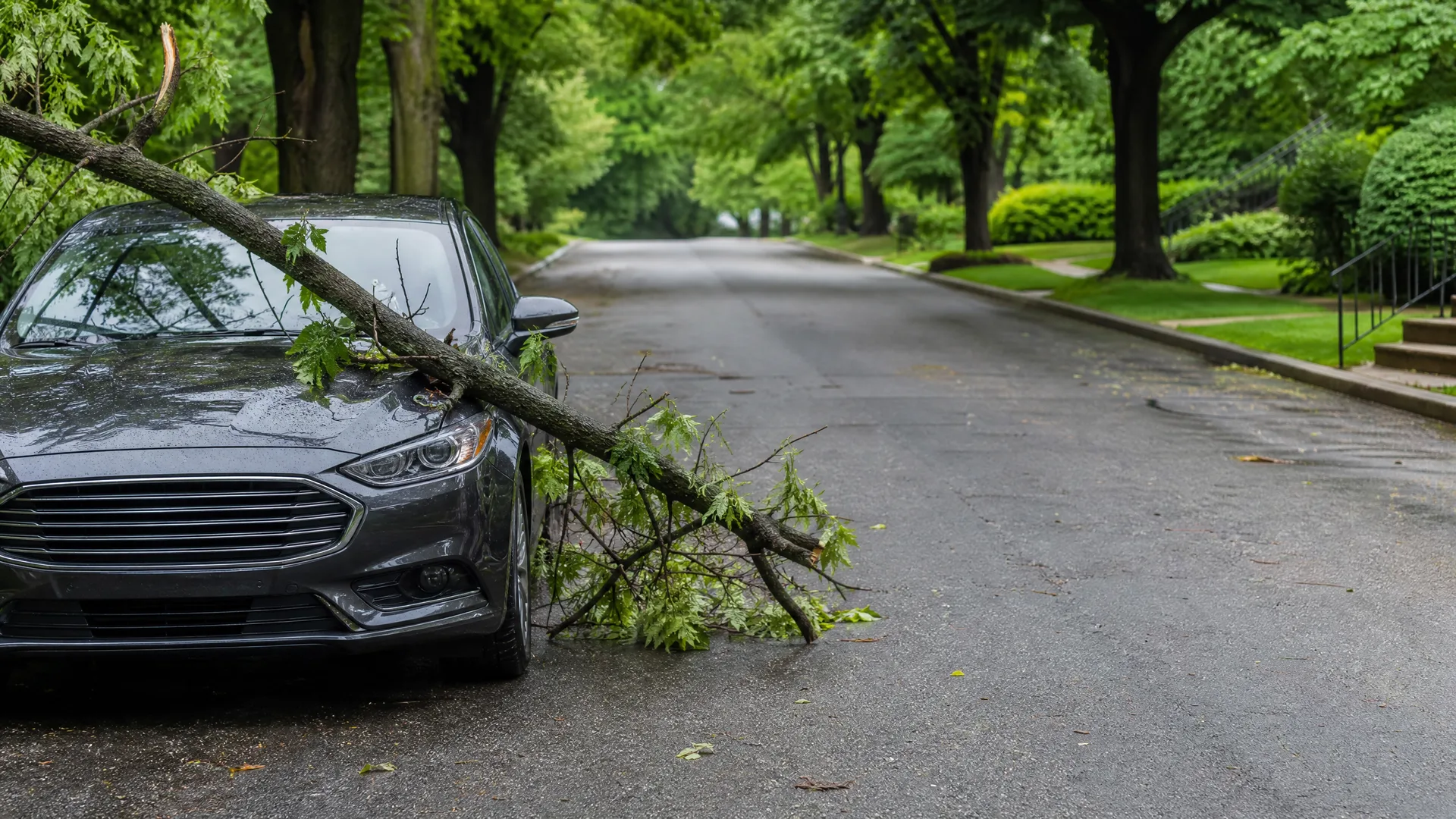
- Weather and falling objects Hail, flooding, a falling tree branch, or a deer strike are handled by comprehensive coverage, not collision.
- Theft of the vehicle If the car is stolen, that loss falls under comprehensive coverage instead.
- Mechanical breakdown A failed transmission or worn-out brakes are maintenance issues, and no part of auto insurance covers them.
- Injuries to you or others Medical costs from a crash are handled by medical payments coverage, personal injury protection, or health insurance, not collision.
- Damage to someone else's car That's paid by your liability coverage, which is a separate part of your policy.
Keep it if the car is worth replacing, drop it if it isn't
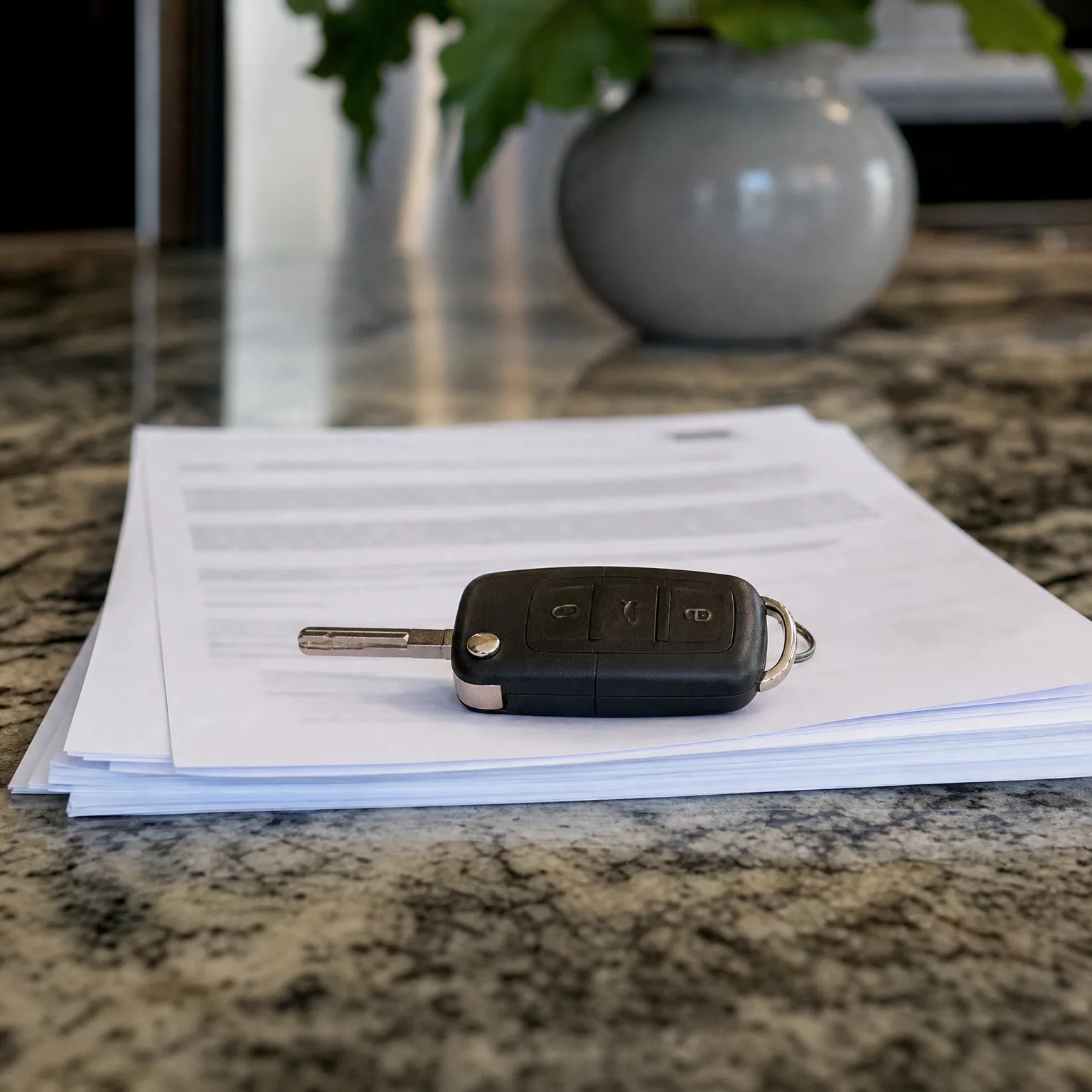
The math on this comes down to what your car is actually worth today, not what you paid for it. If the vehicle is older and its value has dropped a long way, the most collision coverage would ever pay out may be close to what you'd spend on premiums over a few years. At some point the coverage costs more than the protection it offers.
If the car is paid off and you have enough set aside to replace it outright, you're in a position to self-insure that risk. That's a real option, not a shortcut, and plenty of people with older vehicles and solid savings choose it deliberately.
If there's still a loan or lease on the car, this decision usually isn't yours to make. Lenders require collision coverage until the loan is paid off, so check your paperwork before you consider dropping it.
How much you drive and where the car sits matter too. A car that rarely leaves the driveway carries less risk than one driven daily on highways or parked on busy streets. If your driving has dropped off in recent years, that's worth weighing alongside the car's value.
How a collision claim actually works
You pay a deductible out of pocket, and the coverage pays the rest of the repair cost up to the value of the car. You choose that deductible amount when you set up the policy, and a higher deductible lowers what you pay for coverage but raises what you owe if you file a claim.
After a crash, you report the claim, the insurer sends someone to look at the damage, and they decide whether to repair the car or declare it a total loss. A total loss happens when repairs would cost more than the car is worth, and in that case you're paid the car's value instead of getting it fixed.
Have your policy information, photos of the damage, and a description of what happened ready when you call. If another driver was involved, their information helps too, even though fault doesn't determine whether collision coverage applies.
The payment covers the vehicle itself. It won't cover a rental car unless you've added that separately, and it won't cover anything you were carrying in the car at the time.
Collision vs. comprehensive coverage
Collision coverage
This pays for damage from a crash with another vehicle or object, or from a rollover. It applies no matter who was at fault.
Comprehensive coverage
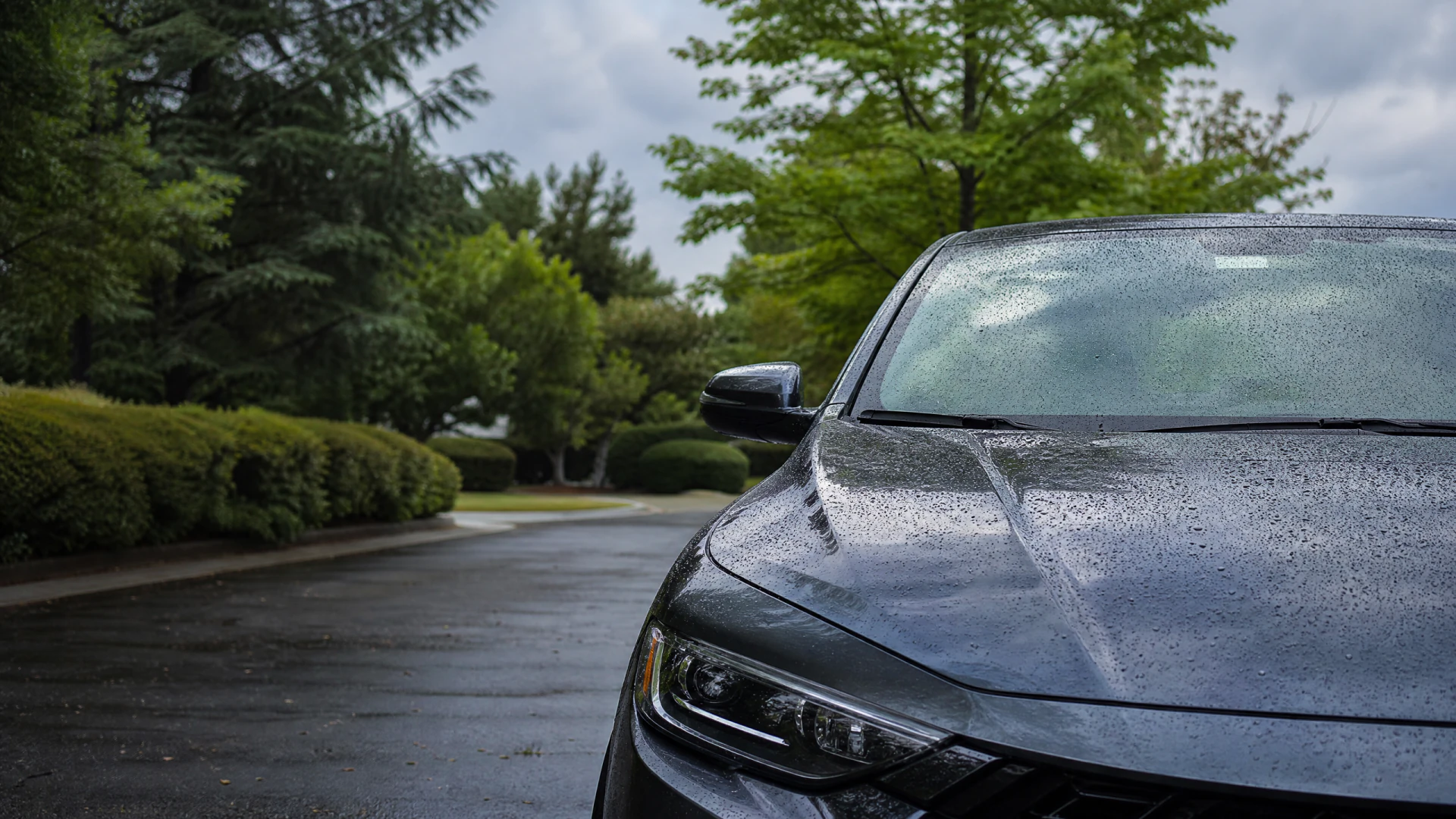
This pays for damage that doesn't involve a crash, such as weather, theft, vandalism, or hitting an animal. The two coverages are usually sold together but protect against different events.
If you're deciding whether to keep one but not the other, think about which risks worry you more: crashes and road hazards point toward collision, while weather and theft point toward comprehensive.
Real situations
You're pulling out of a grocery store parking lot and misjudge the distance, scraping the side of your car against a concrete post.
This pays, since it's damage from hitting an object, minus your deductible.
A hailstorm passes through while your car is parked at church and leaves dents across the hood and roof.
This doesn't pay, because hail damage falls under comprehensive coverage instead.
Driving home at dusk on a county road, a deer runs into your path and you can't avoid hitting it.
This doesn't pay, since animal strikes are covered under comprehensive coverage.
Once you know whether you're keeping, adjusting, or dropping collision coverage, you can compare quotes with that decision already settled.
Questions people ask about this
What is gap insurance and do I need it with collision coverage?
Gap insurance pays the difference between what you owe on a loan and what the car is worth if it's totaled. You need it only if you still owe more than the car is currently worth, which usually fades as a loan gets paid down. Once a car is paid off, gap insurance no longer applies.
Does collision coverage follow me if I drive someone else's car?
It often does, but this depends on your specific policy, so check with your insurer before assuming. Many policies extend collision coverage to a car you're driving with permission, treating it similarly to your own vehicle. This can vary, so it's worth confirming rather than guessing.
Can I remove collision coverage and add it back later?
Yes, you can typically add or remove collision coverage whenever you update your policy. There's usually no penalty for dropping it, but if you add it back later after a gap, the insurer may ask about the vehicle's current condition. Keep in mind that while it's off, you have no protection for crash damage.
How is the payout amount decided if my car is totaled?
The insurer determines your car's current market value based on its age, mileage, condition, and what similar cars are selling for in your area. This is the amount you receive, minus your deductible, not what you originally paid for the car. If you disagree with their valuation, you can usually challenge it with your own evidence of comparable sales.
Does my premium go up after a collision claim that wasn't my fault?
This depends on your insurer and state rules, so check your policy or ask your agent directly. Some insurers distinguish between at-fault and not-at-fault claims when setting future rates, while others look at claims history more broadly. It's reasonable to ask this question before you file, if the situation allows.