Collision Coverage for Seniors in Utah
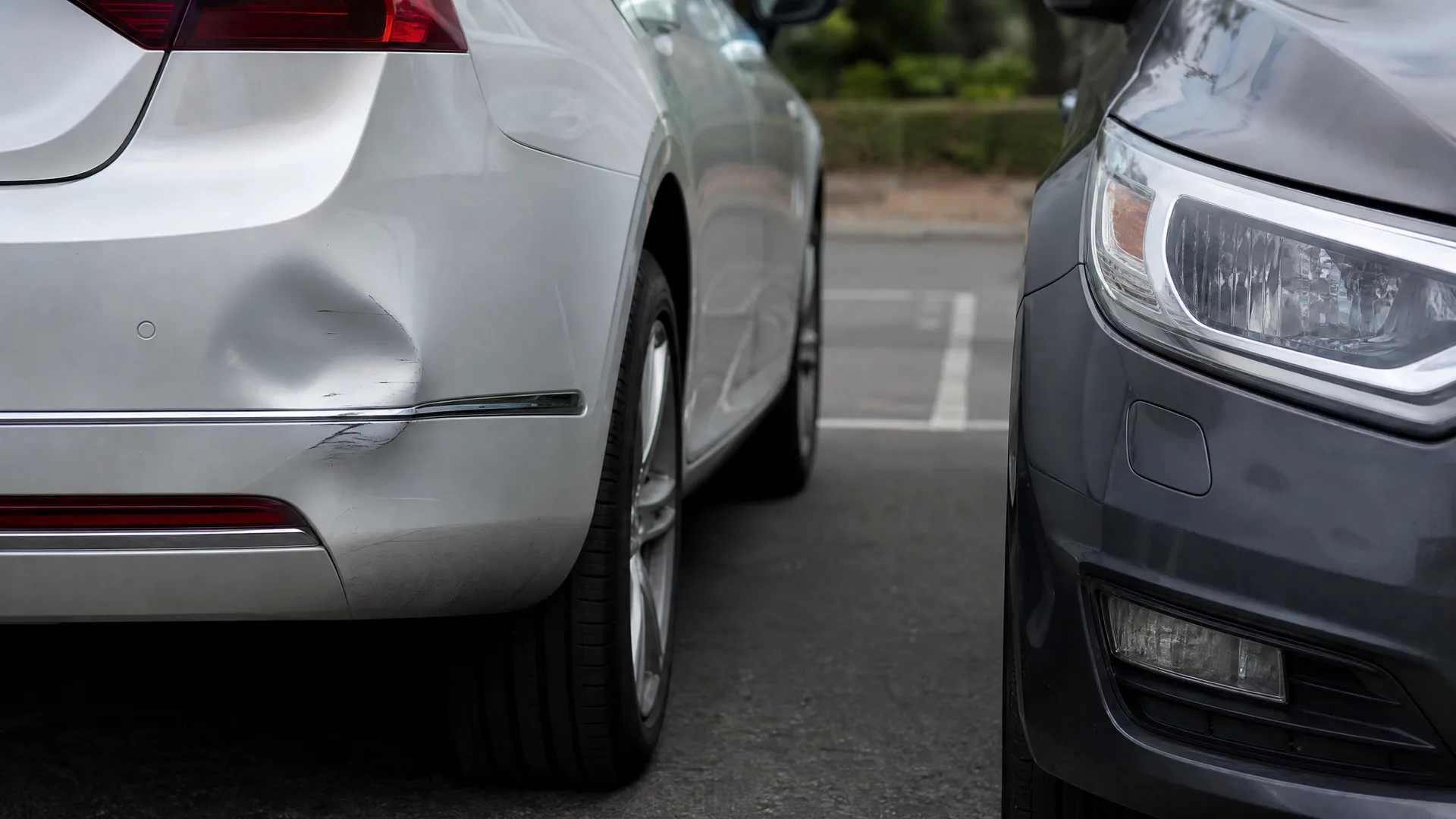
Collision coverage pays to repair or replace your own car after it hits another vehicle or object, or rolls over, no matter who caused it.
What collision coverage actually pays for
Covers
- Hitting another vehicle If you're at fault in a crash with another car, this pays to fix or replace yours.
- Hitting a fixed object A mailbox, a fence, a garage door, a guardrail; damage from hitting something stationary is covered.
- Single-car rollovers If you lose control and the car rolls or flips with no other vehicle involved, it's still covered.
- Potholes and road damage Hitting a pothole hard enough to damage the car counts as a collision, not wear and tear.
- Hit-and-run damage to your car If someone hits you and drives off, collision coverage pays for your car since there's no other driver to collect from.
Doesn't cover
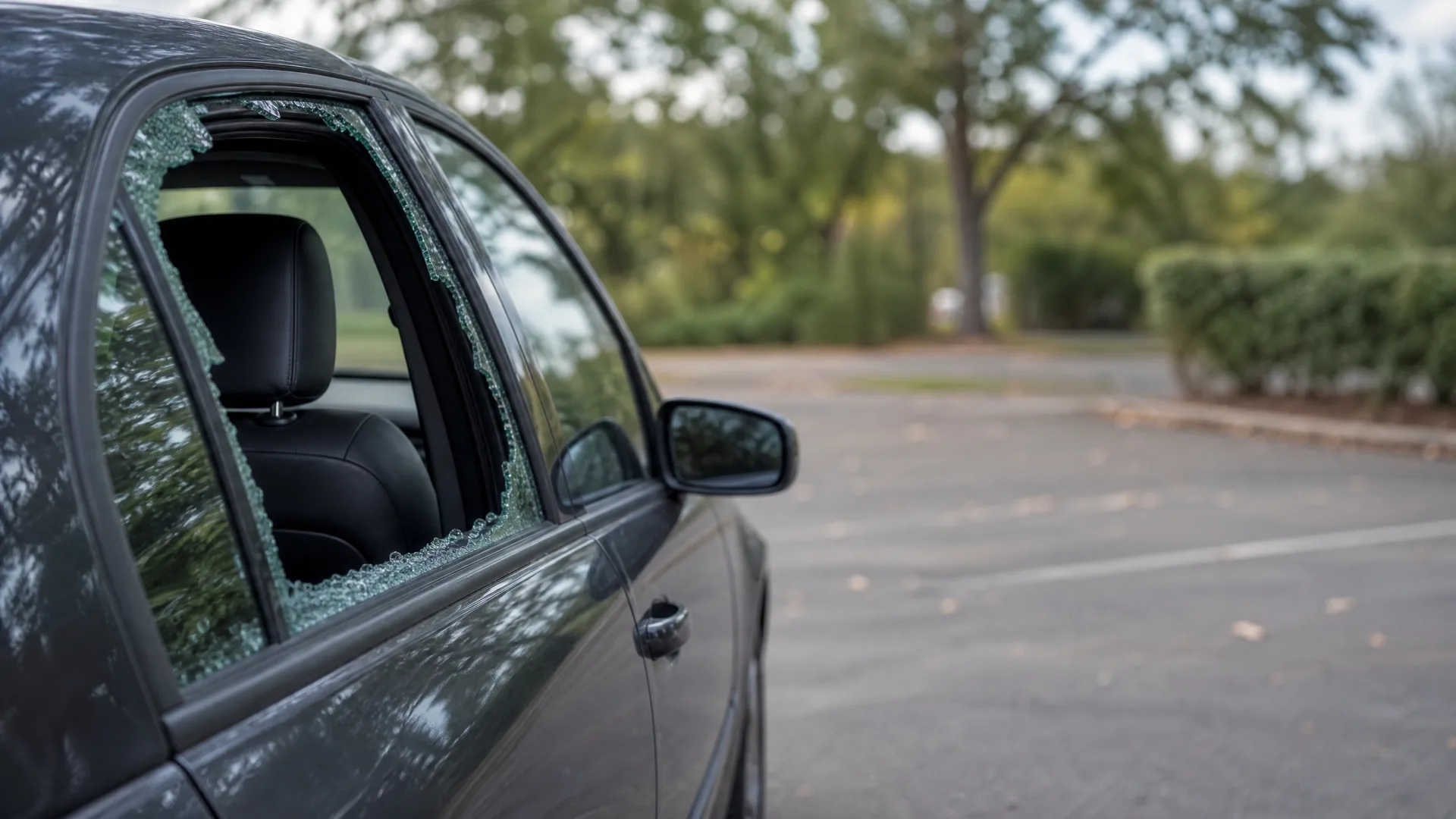
- Hail, wind or falling branches That's comprehensive coverage, not collision, since nothing hit the car on purpose or by driving.
- A deer or animal strike Hitting an animal is also treated as comprehensive, even though it feels like a collision.
- Theft of the car A stolen vehicle falls under comprehensive coverage, not collision.
- Your medical bills Collision pays for the car, not for injuries; those come from medical payments or personal injury protection.
- Mechanical breakdown A failed transmission or dead battery isn't a collision, so this coverage doesn't apply.
Whether it's worth it depends mostly on what the car is worth
The first question is simple: what would it cost to replace your car, and could you cover that loss yourself without much trouble. If the car is older and worth little, this coverage will never pay out much, since the payment is based on the car's value, not what you paid for it years ago or what it would cost to replace it today.
If the car is paid off and you have enough savings to absorb a bad repair bill or a total loss, you're in a position to self-insure and skip this coverage without much risk. If losing the car's value would be a real hardship, or if you're still making payments and the lender requires it, keeping it makes sense regardless of age.
How much you drive matters too. Someone who mostly drives a few miles to church, the store and the grandkids' house is exposed to less risk than someone who commutes daily or takes long highway trips. Less driving means fewer chances to need this coverage, which shifts the math toward dropping it on an older car.
Where the car sits overnight matters less for collision than for comprehensive, since this coverage is about driving incidents, not weather or theft. But a car kept in a garage and driven rarely is simply less likely to need this coverage at all, which is worth factoring in alongside the car's value.
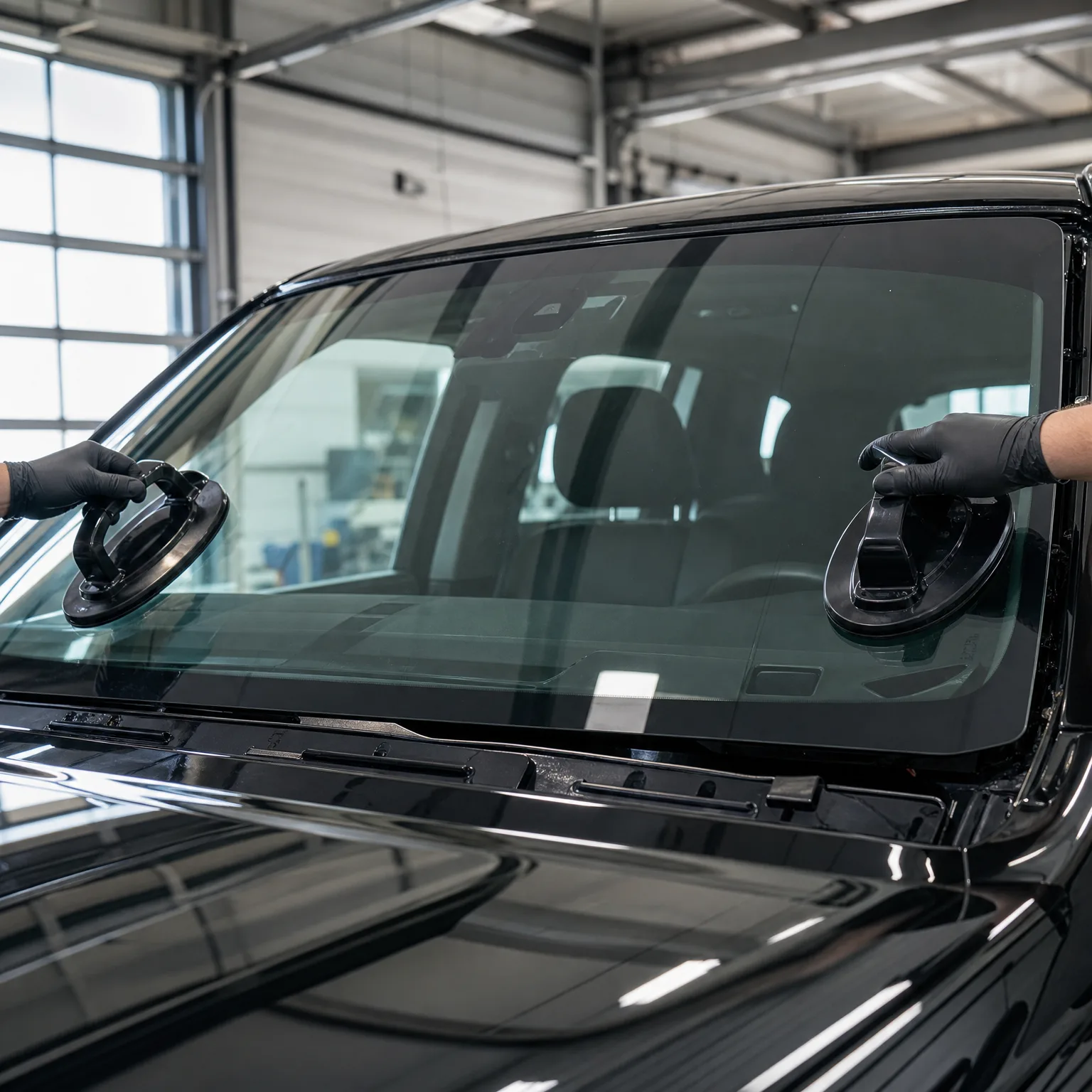
How a collision claim actually goes
You pay a deductible, and the insurer covers the rest of the repair cost up to the car's value. If the repair would cost more than the car is worth, the insurer declares it a total loss and pays you the car's value instead of fixing it, minus your deductible.
After an accident, you report the claim, an adjuster or shop estimates the damage, and the insurer approves a repair shop or pays you directly if you choose your own. The payment covers the physical damage to your car; it doesn't cover a rental car unless you've added that separately, and it doesn't cover anything you were carrying or any injuries.
Have your policy number, the other driver's information if there was one, photos of the damage, and a police report if one was filed. The more documentation you have up front, the faster the claim usually moves.
If your car is a total loss, the payout is based on what similar cars in similar condition are selling for, not on what you feel the car is worth or what you've put into it over the years.
Collision vs. comprehensive coverage
Collision coverage
Collision pays for damage from hitting another car or object, or from rolling over, regardless of fault. It applies to driving incidents.
Comprehensive coverage
Comprehensive pays for damage that isn't caused by driving, like hail, fire, theft, vandalism or hitting an animal. The two are often sold together but cover different kinds of events.
If you're deciding whether to keep one but not the other, think about which risks worry you more: driving incidents point toward collision, weather and theft point toward comprehensive.
Real situations
You're driving home from a doctor's appointment and rear-end the car ahead of you when it stops short.
Collision pays for your car's damage, minus your deductible, since you were in a crash with another vehicle.
A hailstorm hits while your car is parked in the church lot during a Sunday service.
Collision doesn't pay here; hail damage falls under comprehensive coverage instead.
A deer runs into the road at dusk on a county highway and you can't avoid it.
This is treated as comprehensive, not collision, even though it feels like a crash.
Once you know whether you want to keep, adjust or drop collision coverage, you can compare quotes with that decision already made.
Questions people ask about this
What happens if my car is totaled and I still owe money on it?
Collision coverage pays the car's current value, and if you owe more than that on the loan, you're responsible for the difference unless you have separate gap coverage. Check your loan balance against what the car is likely worth before deciding. This gap is more common on newer cars that depreciate faster than the loan is paid down.
Can I drop collision coverage on a car I still drive occasionally?
Yes, you can drop it as long as the car is paid off and no lender requires it. The tradeoff is that any crash damage comes entirely out of your own pocket. Occasional driving lowers the odds of a claim but doesn't eliminate the risk entirely.
Does my collision deductible go up as I get older?
No, your deductible is a fixed amount you choose, and it doesn't change based on your age. It can only change if you request a different deductible or your policy terms are updated. Review it periodically since a deductible set years ago may no longer match what feels comfortable.
Will using collision coverage raise my rates?
It can, since filing a claim where you're at fault often affects future pricing, though rules on this vary by state and by policy. Ask your agent how an at-fault claim would specifically affect your situation before filing for minor damage. For small repair costs near your deductible, paying out of pocket sometimes makes more sense.
Is collision coverage required by law?
Whether any coverage is required, or how it's required, varies by state, so check your own policy or your state's rules directly. Lenders often require it separately from any state law if the car is financed. Once a car is paid off, the requirement to carry it usually comes from your own judgment rather than a legal mandate.