Collision Coverage for Seniors in Texas
Collision coverage pays to repair or replace your car when it hits another vehicle or object, or rolls over, no matter who caused it.
What collision coverage pays for
Covers
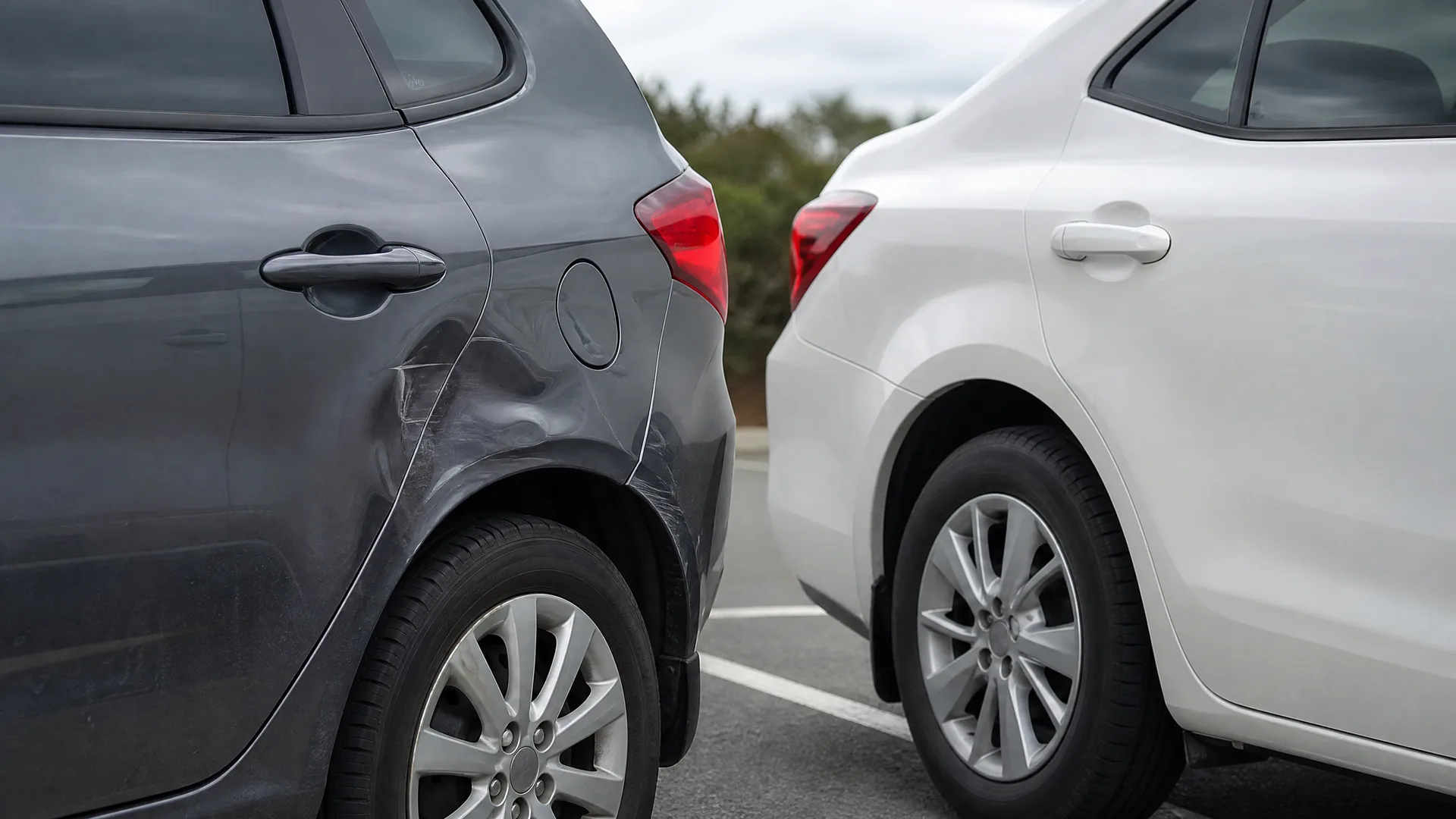
- Hitting another vehicle If you cause the crash, this pays for damage to your own car rather than leaving you to cover it yourself.
- Hitting a fixed object A mailbox, a guardrail, a parked car in a lot, a light pole backed into by mistake, all of it falls under this coverage.
- Single car rollovers If you lose control and the car rolls or flips with no other vehicle involved, collision is what responds.
- Potholes and road damage Hitting a deep pothole or a chunk of debris in the road counts as a collision even though no other car is involved.
- Damage regardless of fault Collision pays out whether you caused the accident, the other driver did, or fault is never fully settled.
Doesn't cover
- Hail and weather damage That falls under comprehensive coverage, not collision, since no impact with another vehicle or object occurred.
- A deer or animal strike Hitting an animal is treated as comprehensive, not collision, even though the damage can look the same.
- Theft of the vehicle If the car is stolen, that loss is handled by comprehensive coverage instead.
- Your medical bills Collision only pays for the car. Injuries to you or your passengers are handled by medical payments or personal injury protection, where that exists.
- Damage to the other driver's car That's what liability coverage is for. Collision only ever pays for your own vehicle.
For an older car that's paid off, it's often not worth keeping
The math on this coverage comes down to one question: what would you actually get paid if the car were totaled tomorrow. If the car is old enough that its value has dropped a lot, the payout could be small, and you may be paying more over time than the coverage would ever return.
Whether the car is paid off matters too. If there's no loan or lease on it, nothing requires you to carry collision at all, and dropping it is entirely your call. If you're still financing it, the lender likely requires it, so this isn't yet a choice you get to make.
Think about how much of a loss you could absorb on your own. If you have enough set aside that replacing the car outright wouldn't strain you, self insuring that risk is a reasonable path. If a sudden car replacement would be a real hardship, the coverage is doing real work for you even on an older car.
How much you drive and where the car sits overnight matter as well. A car driven often on highways has more exposure than one that mostly sits in a garage and makes short trips to the store or to see grandkids. Less driving generally means less chance you'll ever need this coverage to pay out.
How a collision claim actually goes
You pay a deductible before the coverage pays anything, and that amount is something you chose when you set up the policy. The payout covers repair costs above that deductible, or if the car is totaled, the payout is based on what the car was worth right before the crash, not what you paid for it years ago or what you'd need to replace it with something similar today.
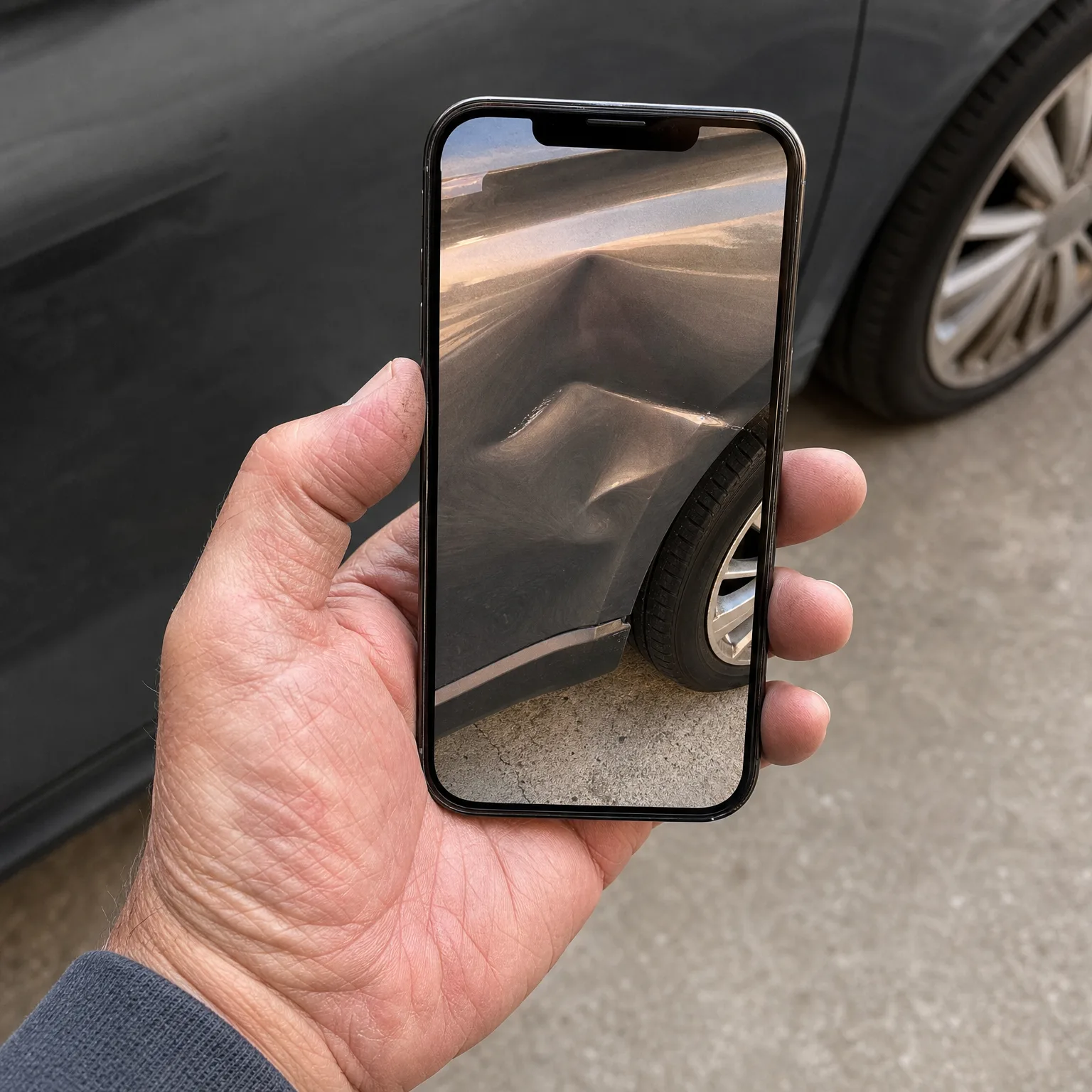
After a crash, you report the claim, the insurer sends someone to inspect the damage or asks you to bring it to a shop they work with, and they issue an estimate for repairs. If the cost to repair exceeds what the car is worth, they'll usually declare it a total loss and pay you that value instead of paying for repairs.
Have your policy details, photos of the damage, and a police report if one was filed. If the car is financed, your lender will usually need to be involved in how the payout is handled, since they have an interest in the vehicle until the loan is paid off.
One thing worth knowing going in: the check you get for a total loss is based on the car's market value at that moment, which for an older car can be lower than people expect going into the claim.
Collision vs. comprehensive
Collision coverage
Collision pays for damage from hitting another vehicle or object, or from a rollover. It applies regardless of who's at fault for the crash.
Comprehensive coverage
Comprehensive pays for damage from things other than a collision, like hail, fire, theft, vandalism, or hitting an animal. The two are usually sold together but they cover different kinds of events.
If you drive often on roads with traffic, lean toward keeping collision; if your bigger risk is weather or theft where the car is parked, comprehensive matters more.
Real situations
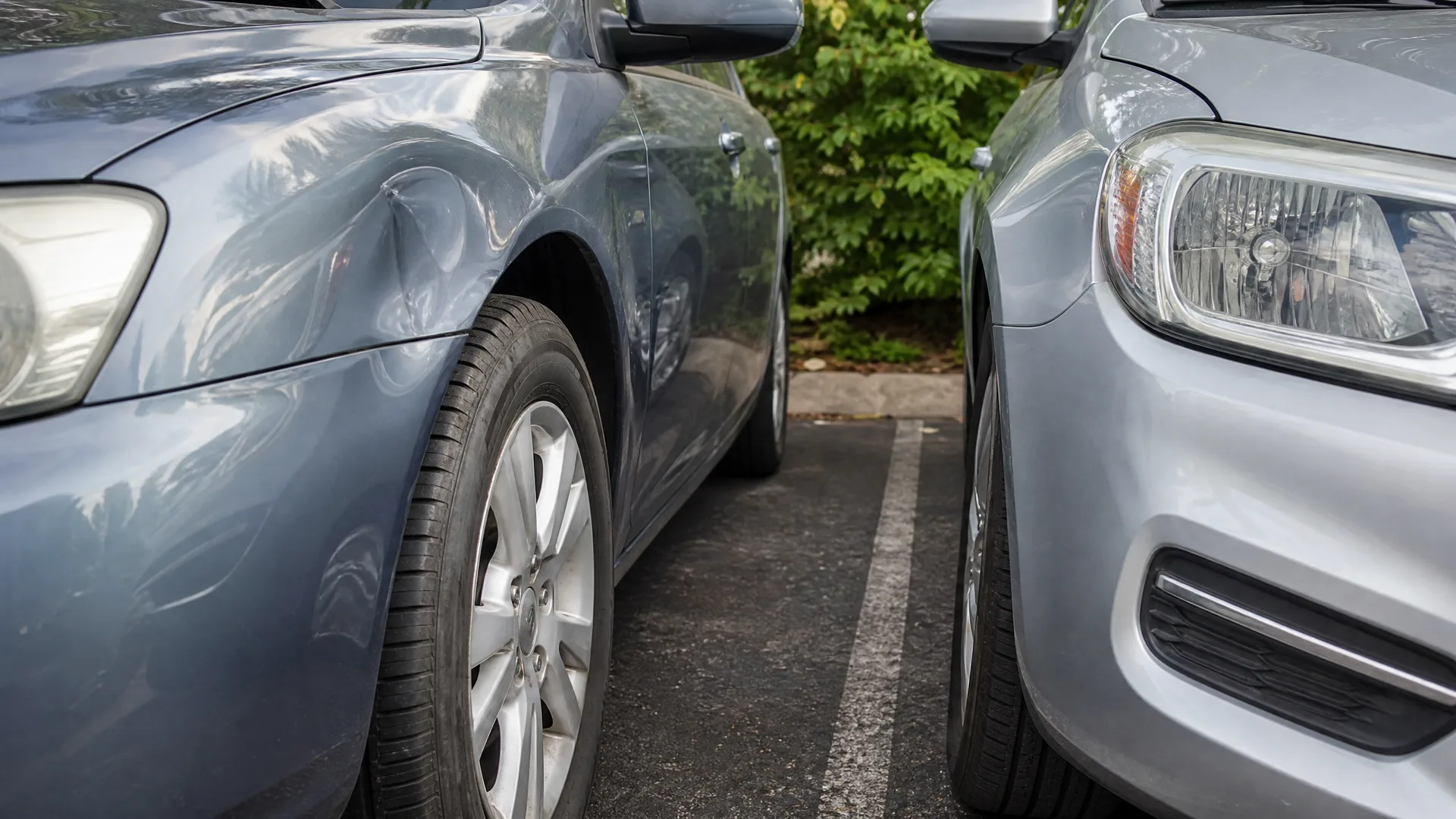
You're pulling out of a parking lot after church and clip a parked car that you didn't see.
Collision pays for the damage to your own car, minus your deductible, since the coverage applies regardless of fault.
A deer runs into the road at dusk on a county highway and you can't avoid it.
This is a comprehensive claim, not collision, even though the damage to your car may be significant.
Your car is parked in the driveway overnight and a hailstorm comes through, denting the hood and roof.
Collision doesn't pay for this; hail damage falls under comprehensive coverage instead.
Once you know whether you want to keep, adjust, or drop collision coverage, you can compare quotes with that decision already settled.
Questions people ask about this
What deductible should I choose for collision coverage?
Choose a deductible you could pay out of pocket without trouble, since that's the amount you'll owe before any payout happens. A higher deductible generally lowers what you pay for the policy, while a lower one costs more but leaves you with less to cover if you file a claim. Think about how much cash you'd have ready the week after a crash, not just what sounds reasonable now.
Does collision coverage go down as my car ages?
The cost of the coverage itself may shift over time, but what matters more is that the car's value drops as it ages, which shrinks what you'd be paid in a total loss. Check your car's current value periodically rather than assuming it's still worth what you paid. This is often the real reason people decide to drop collision on an older vehicle.
Can I drop collision coverage if my car is paid off?
Yes, once there's no loan or lease on the car, you're generally free to drop collision coverage if you choose to. It's required by lenders during financing, but afterward it becomes entirely your decision. Whether it still makes sense depends on the car's value and how much of a loss you could absorb yourself.
Will dropping collision coverage lower my other car insurance costs?
It typically lowers the cost of your policy overall since collision is often one of its larger pieces. Other coverages like liability or comprehensive stay separate and aren't affected by this change. Ask for a breakdown showing the cost with and without collision before deciding, since it varies by situation.
Does collision coverage cover a rental car after my car is in a shop?
Collision itself doesn't cover a rental car; that's a separate add on usually called rental reimbursement. Whether you have it depends on what you added to your policy, not on collision coverage itself. Check your policy documents or ask your agent whether that piece is included.