Collision Coverage for Seniors in Tennessee
Collision coverage pays to repair or replace your car after it hits another vehicle or object, or flips over, no matter who caused it.
What collision coverage pays for
Covers
- Hitting another car If you collide with another vehicle, this pays to fix your car regardless of fault.
- Hitting an object A mailbox, a guardrail, a fence, a light pole, this covers the damage to your own car.
- Single-car accidents If you run off the road or slide on ice with no one else involved, it still pays.
- Rollovers If your car flips during an accident, the resulting damage is covered.
- Potholes and road damage Serious impact damage from a bad pothole falls under collision, not routine maintenance.
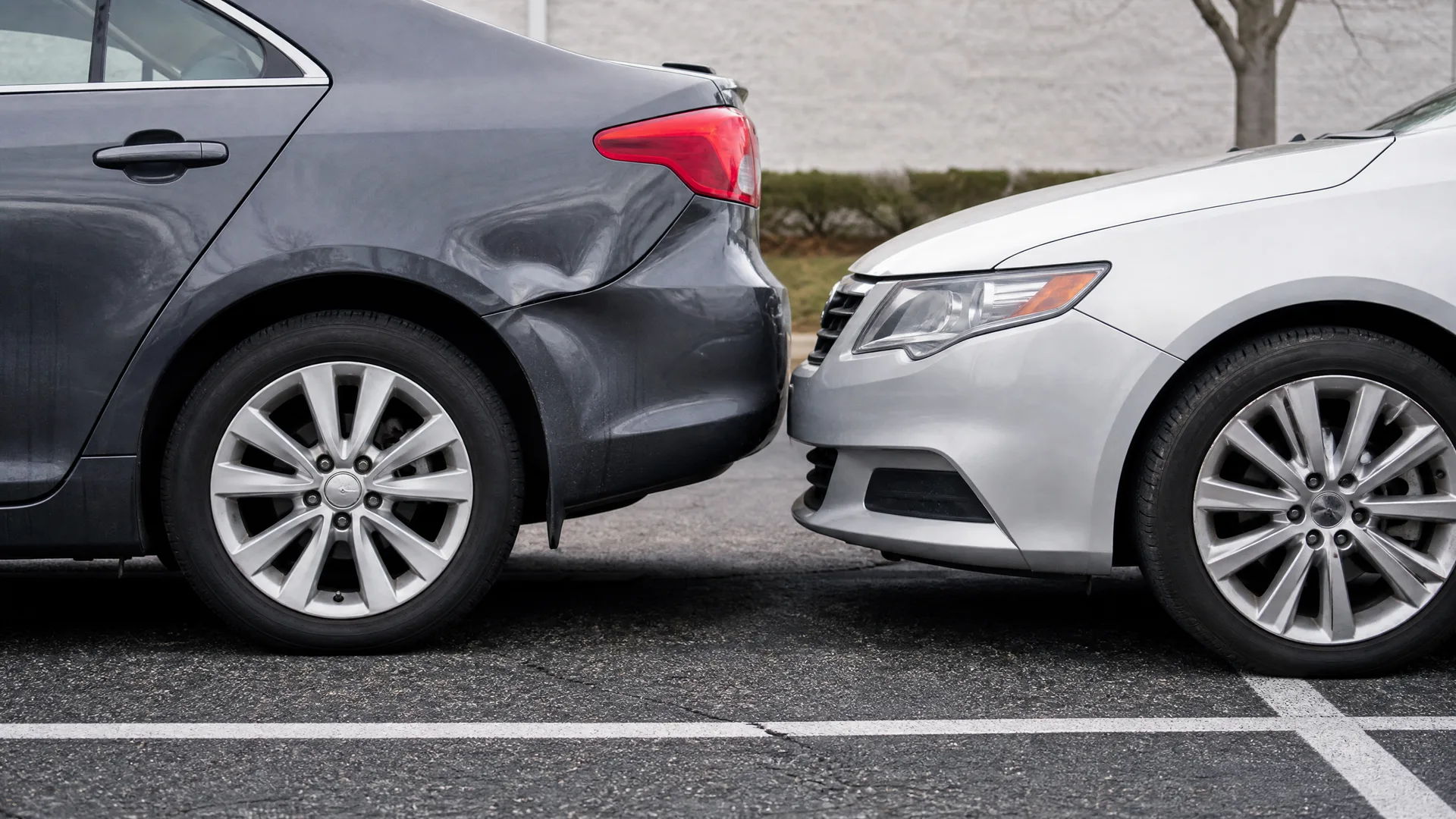
- Parking lot accidents Backing into a post or another car in a parking lot is treated the same as any other collision.
Doesn't cover
- Deer and animal strikes Hitting an animal is handled under comprehensive coverage, not collision.
- Theft of the vehicle A stolen car is a comprehensive claim, since no collision took place.
- Weather and falling objects Hail, flooding, or a fallen tree branch are comprehensive matters, not collision.
- Your medical bills Collision pays for the car. Injuries to you or your passengers fall under medical payments or health coverage.
- The other driver's car Damage you cause to someone else's vehicle is paid by your liability coverage, not this one.
- Normal wear and mechanical failure A worn brake line or a dead battery isn't a collision and isn't covered here.
Worth keeping if your car still has real value, worth dropping if it doesn't
The first question is simple: what would it cost to replace your car, and would an insurer actually pay out much if it were totaled. If the car is old enough that its value has dropped close to what you'd pay in a deductible, the coverage has little left to protect. Many drivers in their seventies and eighties are still carrying this on a car worth less than a couple of car payments, and never notice until they ask.
If the loan is paid off, that changes the math further. Lenders require this coverage while a loan is active, but once the car is yours outright, keeping it becomes your choice alone, weighed against what you'd lose if the car were gone tomorrow.
Think about what you could absorb from savings without strain. If losing the car to an accident and having to replace it out of pocket would be a genuine hardship, the coverage is doing real work for you. If you could write a check and move on without much thought, you're paying for peace of mind more than financial protection.
How much and where you drive matters too. A car that mostly sits in a garage and makes short trips to church, the pharmacy, and a grandchild's house carries less risk than one driven daily on the interstate. Less driving generally means fewer chances to need this coverage at all.

How a collision claim actually goes
When you file a claim, the insurer first checks it against your deductible, the amount you've agreed to pay out of pocket before coverage kicks in. You choose that amount when you set up the policy, and a higher deductible usually means a lower ongoing cost for the coverage itself.
After the accident, you report it to your insurer, and an adjuster evaluates the damage. If the repair cost is less than the car's value, they'll typically authorize repairs at a shop and pay out after your deductible is subtracted. If the damage is severe enough that repairs would cost more than the car is worth, the insurer declares it a total loss and pays you the car's value instead, again minus your deductible.
Have your policy details, photos of the damage, and a police report if one was filed. Keep any repair estimates you're given, since you can often compare more than one shop before work begins.
The payout covers your vehicle only. It won't cover a rental car unless you've added that separately, and it won't cover anything you were carrying in the car at the time.
Collision vs. comprehensive coverage
Collision Coverage
Collision pays for damage from hitting another vehicle or object, or from a rollover, no matter who's at fault. It only applies when your car physically collides with something.
Comprehensive Coverage
Comprehensive pays for damage that isn't from a collision, like hail, fire, theft, vandalism, or hitting an animal. The two are often sold together but protect against different kinds of loss.
If your car still has meaningful value, carrying both together makes more sense than dropping just one, since each covers risks the other doesn't touch.
Real situations
You're pulling out of a church parking lot after a Sunday service and clip a parked car you didn't see.
This pays, since it's a collision with another vehicle, regardless of who was at fault.
A deer runs into the road at dusk on a county highway and you can't stop in time.
This doesn't pay. An animal strike falls under comprehensive coverage instead.
Ice on your driveway causes you to slide into your own garage door.
This pays, because single-car accidents involving an object are covered even with no one else involved.
Once you know whether this coverage still makes sense for your car, you're ready to compare quotes with that decision already settled.
Questions people ask about this
What deductible should I choose for collision coverage?
Choose a deductible you could comfortably pay out of pocket if you needed to file a claim tomorrow. A higher deductible usually lowers what you pay for the coverage, but only helps if you have the savings to cover it. A lower deductible costs more over time but softens the hit if an accident happens. Check what you've set now, since many policies default to an amount chosen years ago and never revisited.
Does collision coverage follow the car or the driver?
It follows the vehicle listed on the policy, not a specific driver. If someone else drives your car with your permission and causes an accident, your collision coverage typically applies. This can vary by state and by the specific terms of your policy, so it's worth checking your own documents if you regularly lend your car to family.
Can I add collision coverage back after dropping it?
Yes, you can generally add it back at renewal or by contacting your insurer directly. There may be a gap between when you drop it and when new coverage starts, so time the change carefully if you're switching rather than canceling outright. Check with your provider about how quickly new coverage takes effect.
Is collision coverage required by law?
Whether any coverage is legally required varies by state, and collision itself is rarely mandated the way liability coverage is. Lenders, not laws, are usually what require it, and only while you're still paying off a loan. Check your own state's requirements and your loan terms if you're unsure what applies to you.
How does my car's age affect what collision coverage pays out?
An older car's value has usually depreciated, which means a payout after a total loss will be based on that lower value, not what you originally paid. This is why many drivers find the coverage less useful once a car passes a certain age. Check your car's current market value periodically to see whether the coverage still matches what you'd actually recover.