Collision Coverage for Seniors in South Dakota
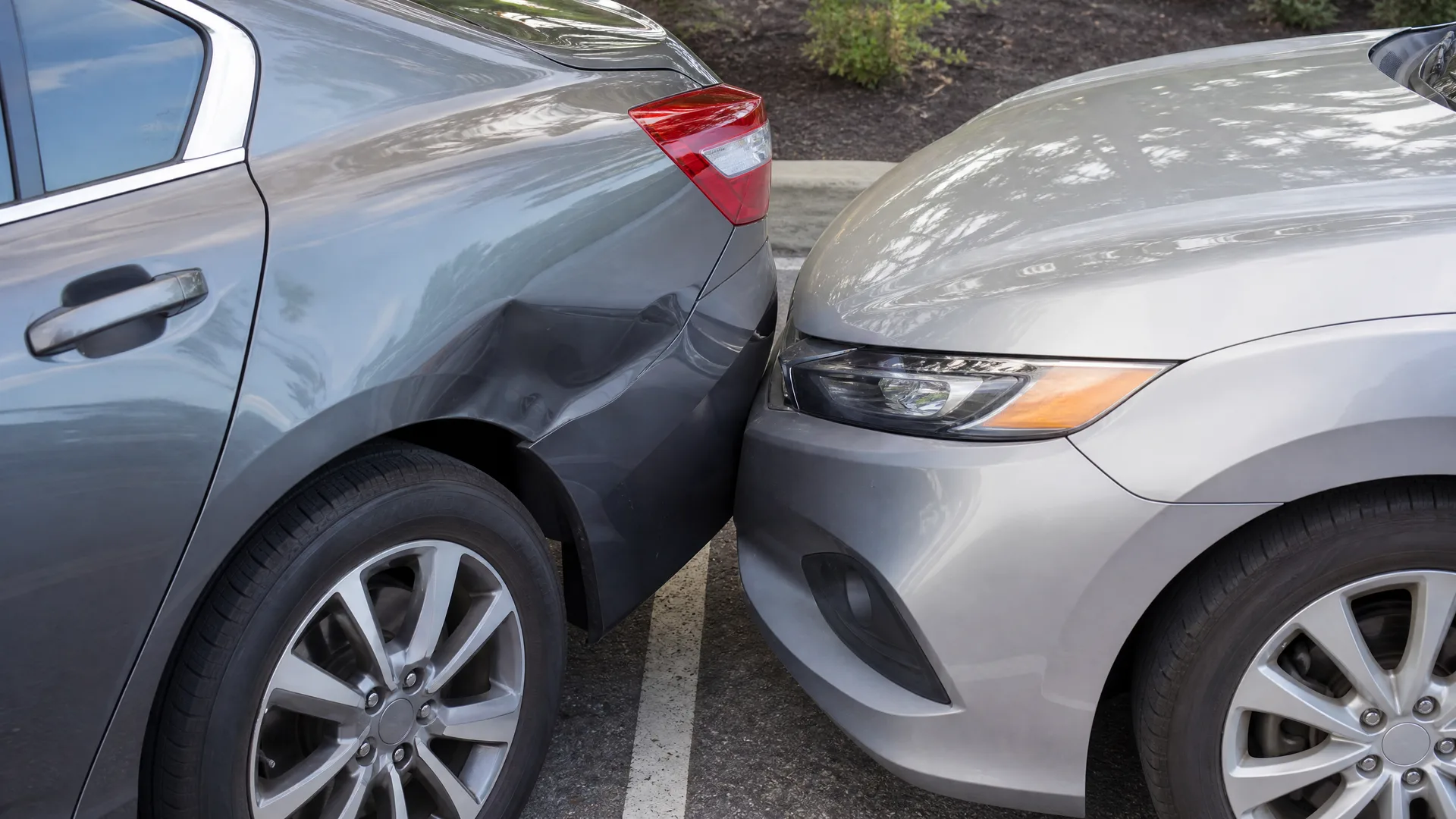
Collision coverage pays to repair or replace your own car after it hits another vehicle or object, or flips over, no matter who caused it.
What collision coverage pays for
Covers
- Hitting another vehicle Repairs to your car are paid even if you caused the crash.
- Hitting a fixed object A mailbox, guardrail, fence post or tree that your car strikes is covered the same way.
- Single car rollover If your car flips without hitting anything else, the damage is still covered.
- Potholes and road damage Collision covers the kind of sudden impact a bad pothole or washed out road can cause.
- Hit and run driver If the other driver takes off, your collision coverage can still pay since the fault driver isn't there to bill.
Doesn't cover
- Hail and wind damage That falls under comprehensive coverage, not collision, since nothing hit your car on purpose or by driving.
- A deer running into your car Animal strikes are treated as comprehensive claims even though the damage looks the same as a crash.
- Your own medical bills Those are handled by medical payments coverage or health insurance, not collision.
- The other driver's car If you caused the crash, their vehicle is paid through your liability coverage, a separate part of your policy.
- Mechanical breakdown An engine or transmission failure isn't a collision and isn't covered by this part of your policy.
Whether it's worth keeping depends mostly on what your car is worth
Start with the car itself. If it's paid off and worth very little, the most collision coverage could ever pay you is also very little, and the premium may not be buying you much. A newer or well kept car changes that math entirely.
Think about what you could absorb yourself. If a serious repair bill would strain your savings or force you to put it on a card, keeping the coverage protects you from that. If you could write the check without much trouble, the coverage is more of a convenience than a necessity.
How much you drive matters too. A car that mostly sits in the garage and makes short trips to church, the store and the doctor has fewer chances to get into a collision than one driven daily on the highway. Less driving is a real reason to reconsider, though it isn't the only one.
Where the car spends its time counts as well. A car kept in a garage overnight in a small town faces different risks than one parked on a street in a bigger city. None of this means you need to decide today, but it's worth working through before you renew.
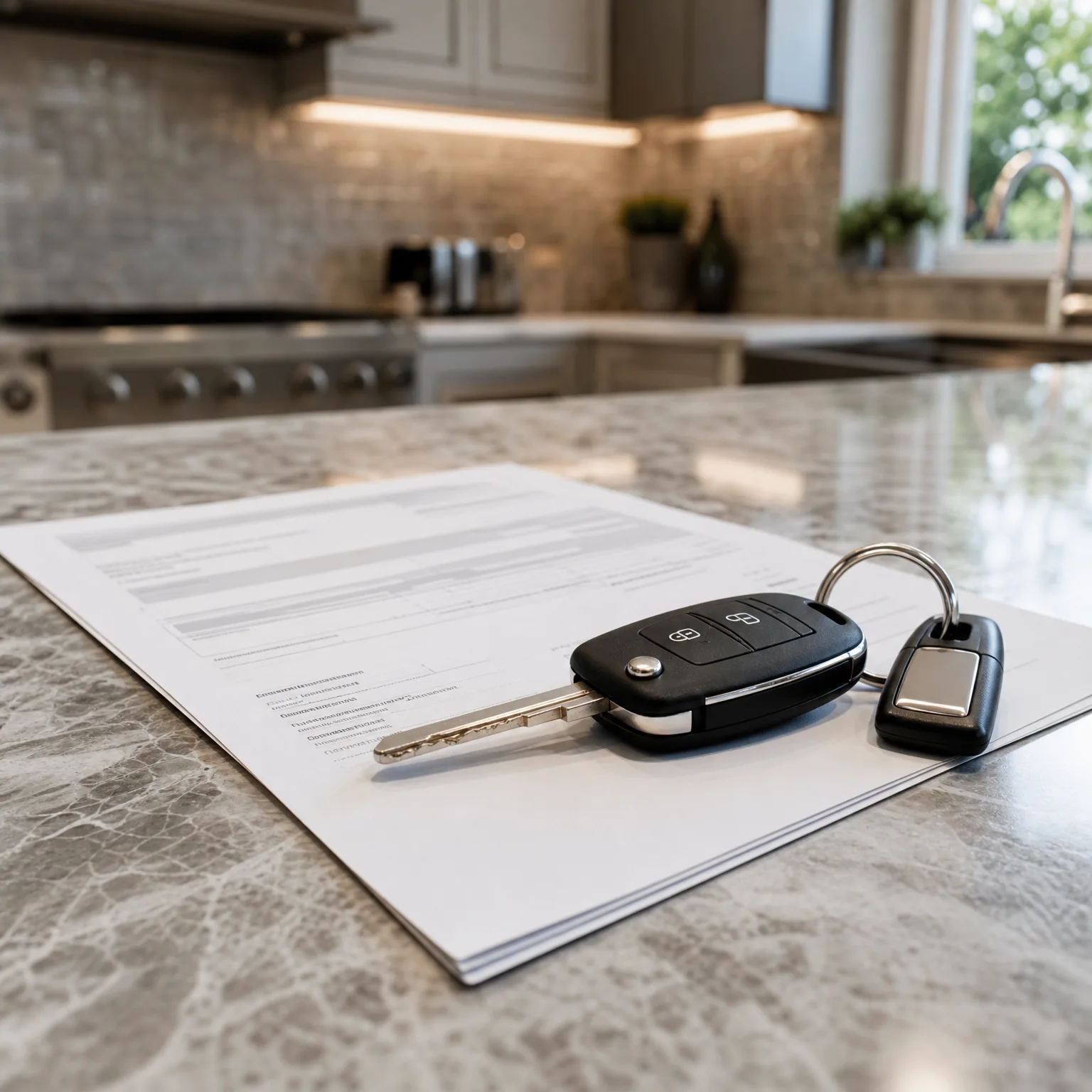
What actually happens when you file a claim
You pay your deductible first, and the insurer covers the rest of the repair cost up to what your car is worth. If the damage costs more to fix than the car is worth, the insurer will instead pay you that value and take the car, which is called a total loss. Either way, the deductible comes out of what you'd otherwise receive.
After an accident, you'll typically get the car looked at by an adjuster or a shop the insurer works with, and they'll put together an estimate. Have your policy number, a description of what happened, and any photos of the damage ready when you call it in. The claim moves faster when you can describe clearly what you hit or what hit you.
The payout covers the physical damage to your car, not a rental car unless you've added that separately, and not your time or inconvenience. If you still owe money on the car, the lender is usually listed on the payment too, since they have an interest in the vehicle until it's paid off.
Collision versus comprehensive coverage
Collision coverage
This pays for damage from hitting another car or object, or from rolling over, regardless of fault. It's about impacts that happen while the car is in motion or being driven.
Comprehensive coverage
This pays for damage that isn't a collision, like hail, fire, theft, vandalism or hitting an animal. It covers things that happen to the car rather than things the car runs into.
Most drivers carry both together, since a storm and a deer strike are just as likely as a crash, but someone with an older, low value car might decide to drop one or both.
Real situations
You're driving home at dusk on a county road and a deer steps out, and you can't stop in time.
This is treated as a comprehensive claim, not collision, even though your car took the hit.
You back into a post in a parking lot while pulling out after a doctor's appointment.
Collision coverage pays for this, since it's damage from hitting an object while driving.
Your car is parked at church during a hailstorm and comes out with dents across the hood and roof.
This falls under comprehensive coverage, not collision, since the car wasn't moving or struck by another vehicle.

Once you know whether you want to keep, adjust or drop collision coverage, you can compare quotes with that decision already settled.
Questions people ask about this
Can I drop collision coverage on a car I own outright?
Yes, once a car is fully paid off you're free to drop collision coverage if you choose to. Lenders require it while you're financing or leasing, but there's no such requirement once the loan is gone. The decision then comes down to what the car is worth and what you could cover yourself.
Does collision coverage go up as I get older?
It can change with age, but not in one single direction, and it varies by state and by insurer. Some drivers see rates ease in their sixties and then shift again later on. Checking your renewal notice each year is the most reliable way to see what's happening with yours.
What happens to collision coverage if I stop driving regularly?
The coverage itself doesn't change based on how often you drive, but some insurers offer lower rates for lower mileage. If you're driving much less than you used to, it's worth asking whether your policy reflects that. This varies by insurer, so check what your policy currently assumes about your driving.
Is collision coverage required by law?
No, it isn't required by law anywhere, but whether a lender requires it depends on your own loan or lease terms. Once a car is paid off, carrying it becomes entirely your choice. Check your policy or loan paperwork if you're not sure where you stand.
Should I raise my deductible to lower the cost?
That's a reasonable option if you could comfortably cover a higher deductible from savings. Raising it lowers what you pay going in, but raises what comes out of your pocket at claim time. Weigh that against how much of a cushion you keep on hand for repairs.