Collision Coverage for Seniors in South Carolina
Collision coverage pays to repair or replace your own car after it hits another vehicle or object, or rolls over, no matter who caused it.
What collision coverage pays for
Covers
- Hitting another vehicle If you're at fault in an accident with another car, this pays to fix or replace yours.
- Hitting an object A mailbox, a guardrail, a fence post, a tree in a parking lot. If your car hits it, this covers the damage.
- Single car rollover If you lose control and your car flips or rolls, this coverage treats it like any other collision.
- Hitting a pothole or debris Damage from hitting something in the road, like a fallen branch or a deep pothole, falls under collision.
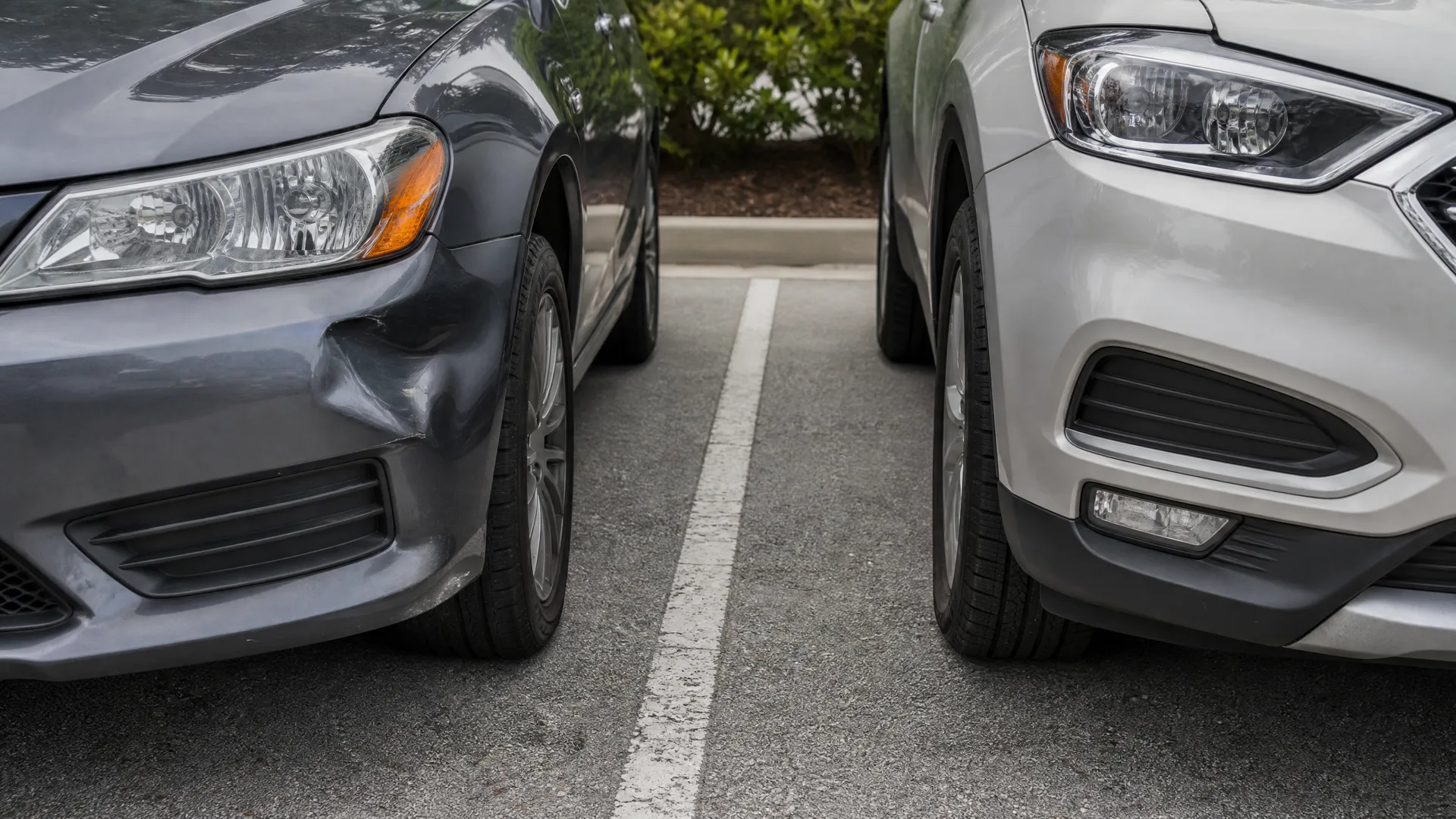
- Parking lot collisions Backing into a post or another car in a lot is still a collision, even at low speed.
Doesn't cover
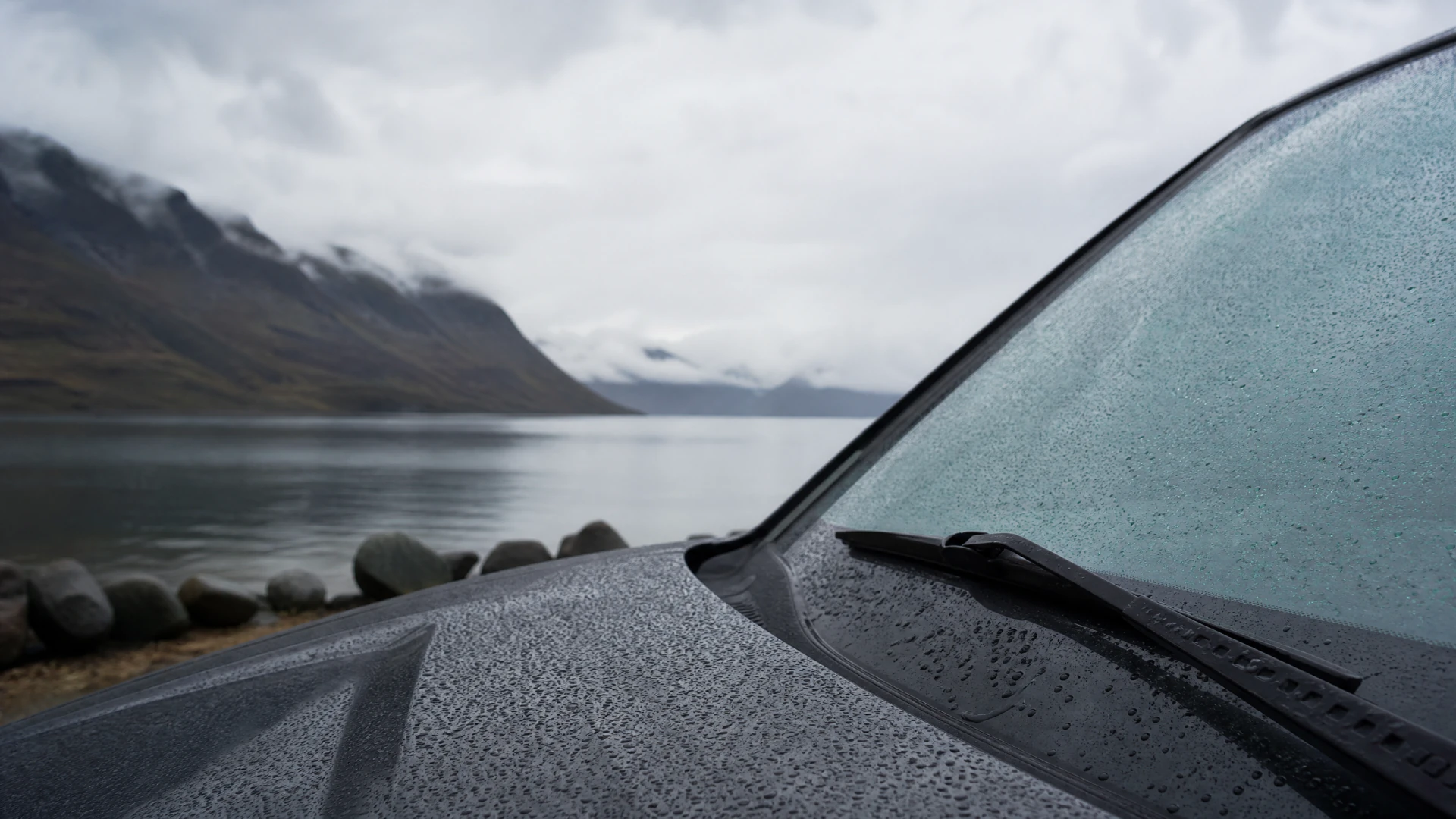
- Hail and storm damage That falls under comprehensive coverage, not collision, since nothing was struck by driving.
- Hitting a deer or animal Animal collisions are also handled under comprehensive coverage in most policies, not this one.
- Theft of the vehicle A stolen car is a comprehensive claim, not a collision claim.
- Mechanical breakdown A failed transmission or dead battery isn't an accident, so collision coverage doesn't apply.
- Injuries from the crash Medical costs are handled by health insurance, medical payments coverage, or liability coverage, not this one.
- Damage to someone else's car That's paid by your liability coverage, since collision only covers your own vehicle.
Worth it for some cars, not for others
The deciding factor is almost always what the car is worth. If you could sell it today for a modest amount, there's a point where the coverage costs you more over time than the car would ever pay out in a claim. A paid off car that's older and has some miles on it is the clearest case for dropping it. A newer car, or one you're still financing, is the clearest case for keeping it, since a lender usually requires it anyway and the cost to replace it would hurt.
Think about what you could absorb from savings without much trouble. If a totaled car wouldn't change your finances in any real way, that's a sign you're paying for peace of mind rather than protection. If replacing the car out of pocket would be a genuine hardship, the coverage is doing real work for you.
How much you drive matters too. Someone who still commutes or drives long distances regularly carries more exposure to an accident than someone who mostly drives short errands close to home. Less time on the road is a reasonable argument for scaling back, though it isn't the whole picture by itself.
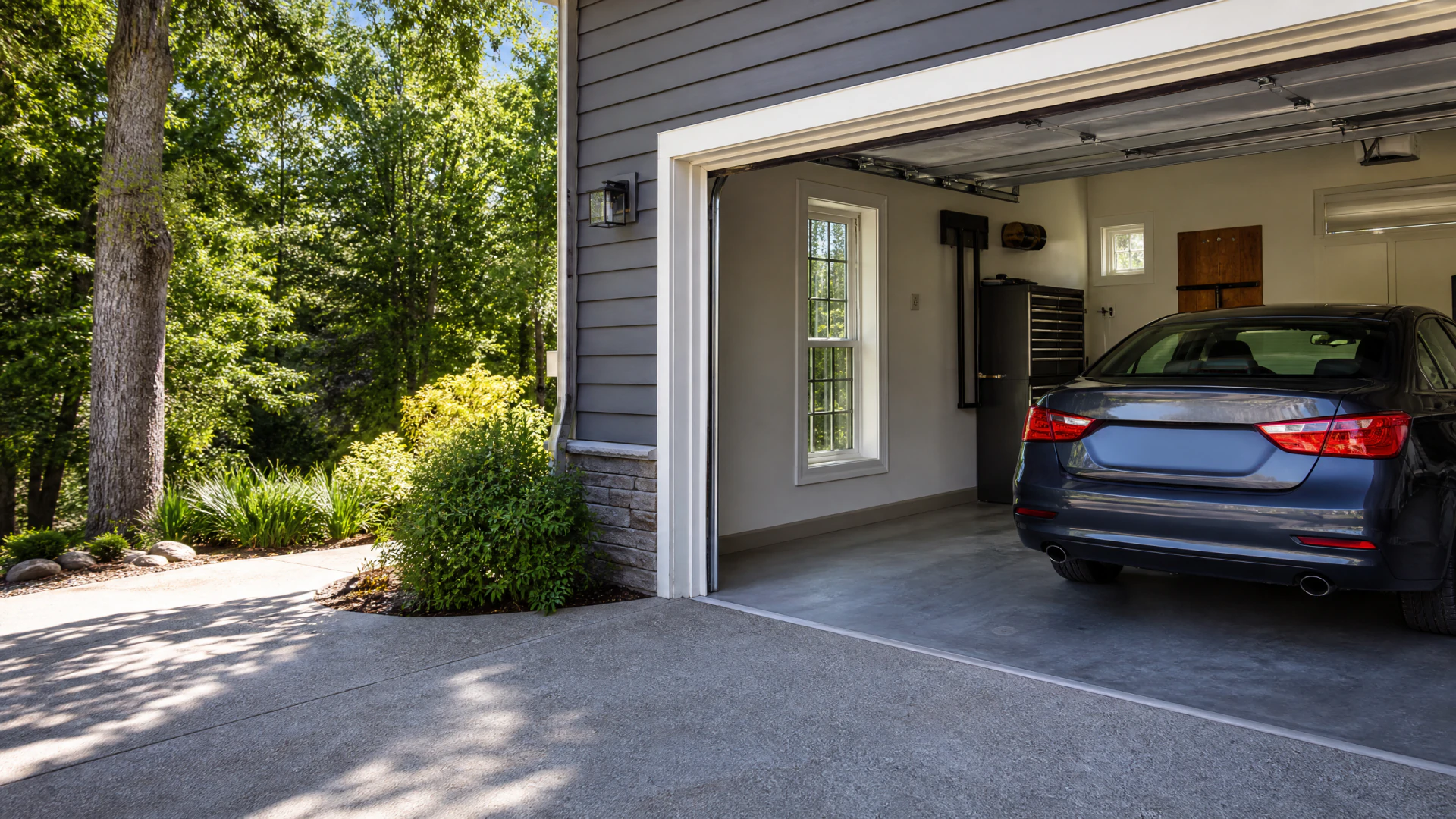
Where the car spends its time also plays a part. A car that sits in a garage most days and only comes out occasionally sees less risk than one parked on a street or driven in heavy traffic regularly. None of these things alone should make the decision. Together, they usually point clearly one way or the other.
How a claim actually goes
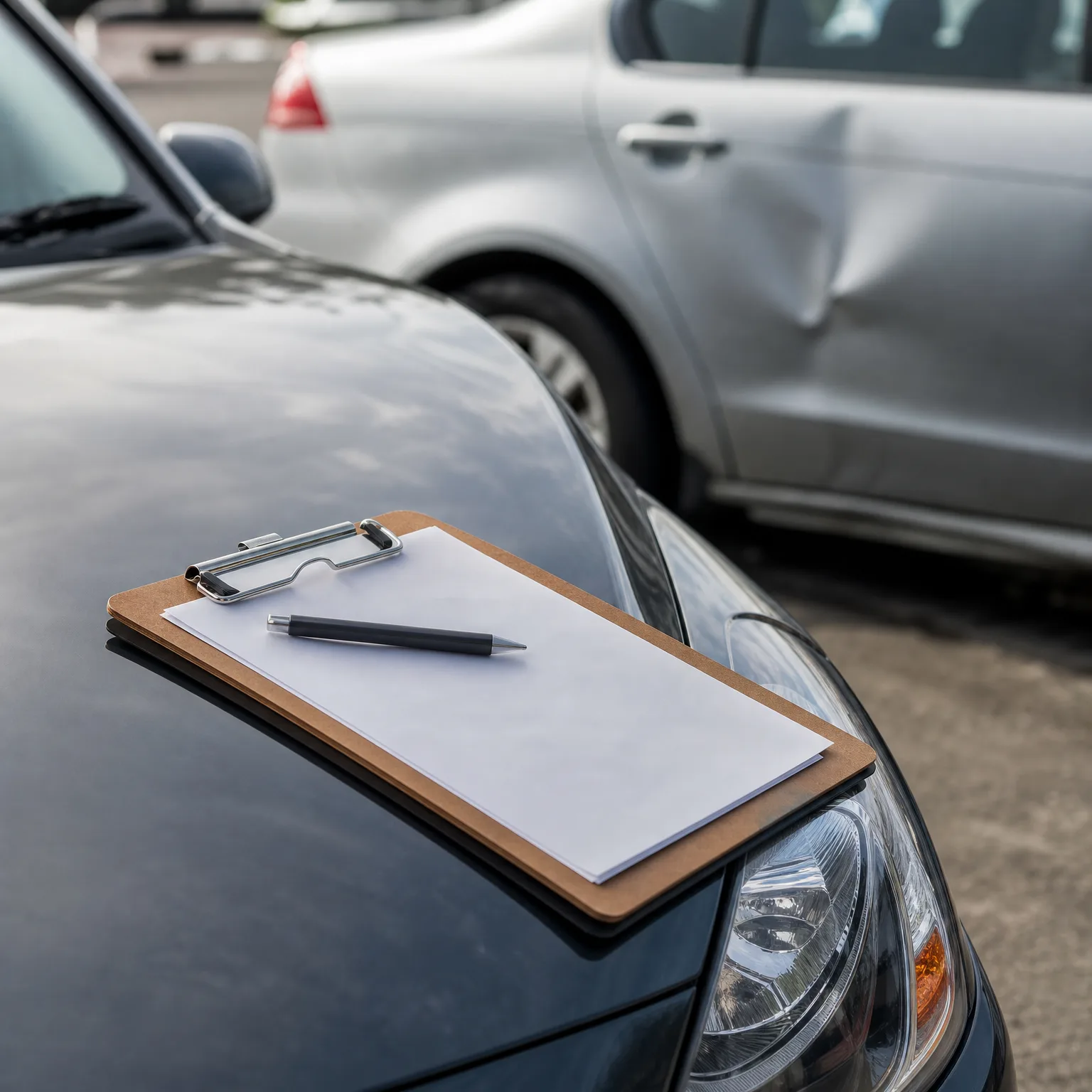
You pay a deductible first, and the coverage pays the rest of the repair cost up to the value of the car. If the cost to fix the car is more than the car is worth, the insurer will usually declare it a total loss and pay you the value of the car instead of repairing it.
After an accident, you report the claim, the car gets inspected or appraised, and you get an estimate for repairs or a payout if it's totaled. Have your policy information, photos of the damage if you can safely take them, and a general account of what happened ready when you call.
The payment covers the vehicle itself, not anything lost from the inside, like glasses, medication, or personal items left in the car. It also won't cover a rental car unless you've added that separately. If the car is a total loss, ask how they calculated the value, since you can often provide information about the car's condition or recent maintenance that affects that number.
Collision vs. comprehensive
Collision coverage
This pays for damage from hitting another car or object, or from rolling over, regardless of fault. It applies any time your driving, or loss of control, caused the damage.
Comprehensive coverage
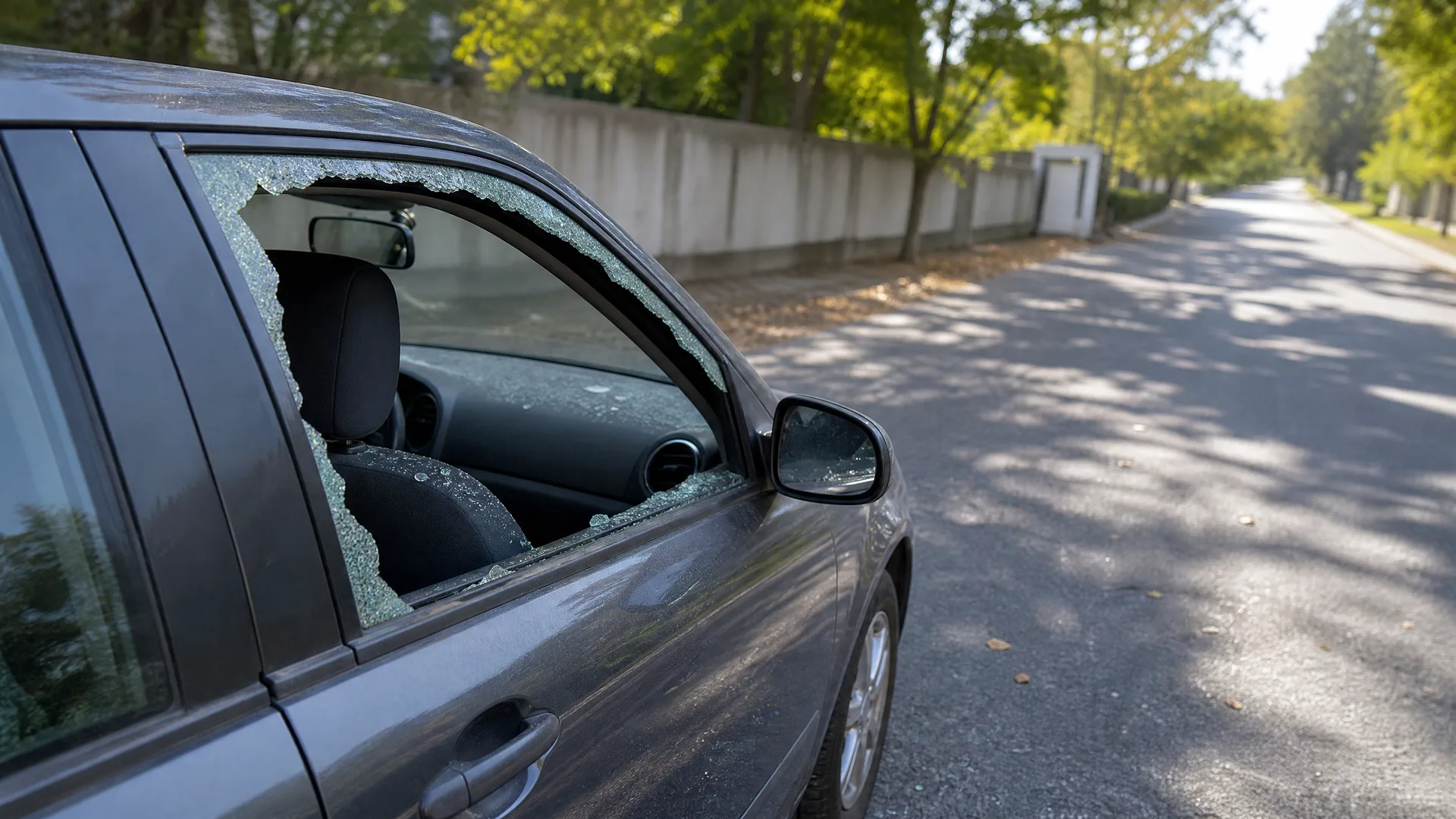
This pays for damage that happens when you're not driving or in control, like weather, fire, theft, vandalism, or hitting an animal. The two coverages are often sold together but handle different kinds of events.
If you're deciding whether to carry one but not the other, think about which risk worries you more, a crash you cause or a loss that happens outside of driving.
Real situations
You're driving home at dusk on a rural road and a deer runs into your path, damaging the front of your car.
This doesn't pay, since hitting an animal falls under comprehensive coverage instead.
You misjudge a turn into your driveway and clip the brick mailbox post, denting the fender.
This pays, since it's damage from your car hitting an object while driving.
Your car is parked at church and a severe hailstorm dents the hood and roof while you're inside.
This doesn't pay, since hail damage is a comprehensive claim, not a collision one.
Once you know whether collision coverage still makes sense for your car, compare quotes with that choice already in mind.
Questions people ask about this
What is the deductible for collision coverage?
It's the amount you agree to pay toward a repair before the coverage pays the rest. You choose this amount when you set up the policy, and a higher deductible generally lowers the cost of the coverage. Check your policy declarations page to see what you currently have set.
Can I drop collision coverage on an old paid off car?
Yes, if the car is paid off, nothing requires you to carry collision coverage on it. The decision comes down to what the car is worth and whether you could afford to replace it yourself if it were totaled. Many people drop it once a car's value drops low enough that the coverage isn't worth the cost.
Does collision coverage follow the car or the driver?
It generally follows the car, so it applies no matter who is driving it with your permission. If a family member borrows your car and has an accident, your collision coverage would typically respond. Check your policy for any listed driver exclusions, since those can change this.
Will my collision claim go up if I wasn't at fault?
It depends on your insurer and state rules, since this varies by state. In some cases, if the other driver is clearly at fault, their insurance pays instead and your own record isn't affected. Ask your agent how your specific policy handles at fault determination for collision claims.
Do I need collision coverage if I have a loan on my car?
Almost always yes, since lenders typically require it as a condition of the loan. This protects the lender's interest in the car in case it's damaged or totaled before it's paid off. Once the loan is paid off, you can revisit whether to keep carrying it.