Collision Coverage for Seniors in Rhode Island
Collision coverage pays to repair or replace your car after it hits another vehicle or object, or rolls over, no matter who caused it.
What collision coverage pays for
Covers
- Hitting another vehicle Repairs to your car are covered even if you caused the crash.
- Hitting a fixed object A mailbox, a guardrail, a parked car, a tree in a ditch, all count.
- Single-car rollovers If you lose control and roll the car without hitting anything else, this still applies.
- Potholes and road damage Serious impact damage from a bad road surface is treated the same as a collision.
- Rental car after a covered claim Many policies pick up a rental while your car is in the shop, if you added that option.
Doesn't cover
- Hail, flood or fire damage Weather and falling objects are handled by comprehensive coverage, not this one.
- A deer or other animal strike Animal collisions almost always fall under comprehensive, even though it feels like a crash.
- Your medical bills Injuries to you or your passengers are handled by medical payments or personal injury protection.
- The other driver's car Damage to someone else's vehicle is paid by your liability coverage, not this one.
- Mechanical breakdown A worn-out transmission or a dead battery isn't a collision, it's wear and tear.
Whether it's worth keeping depends on the car, not your age
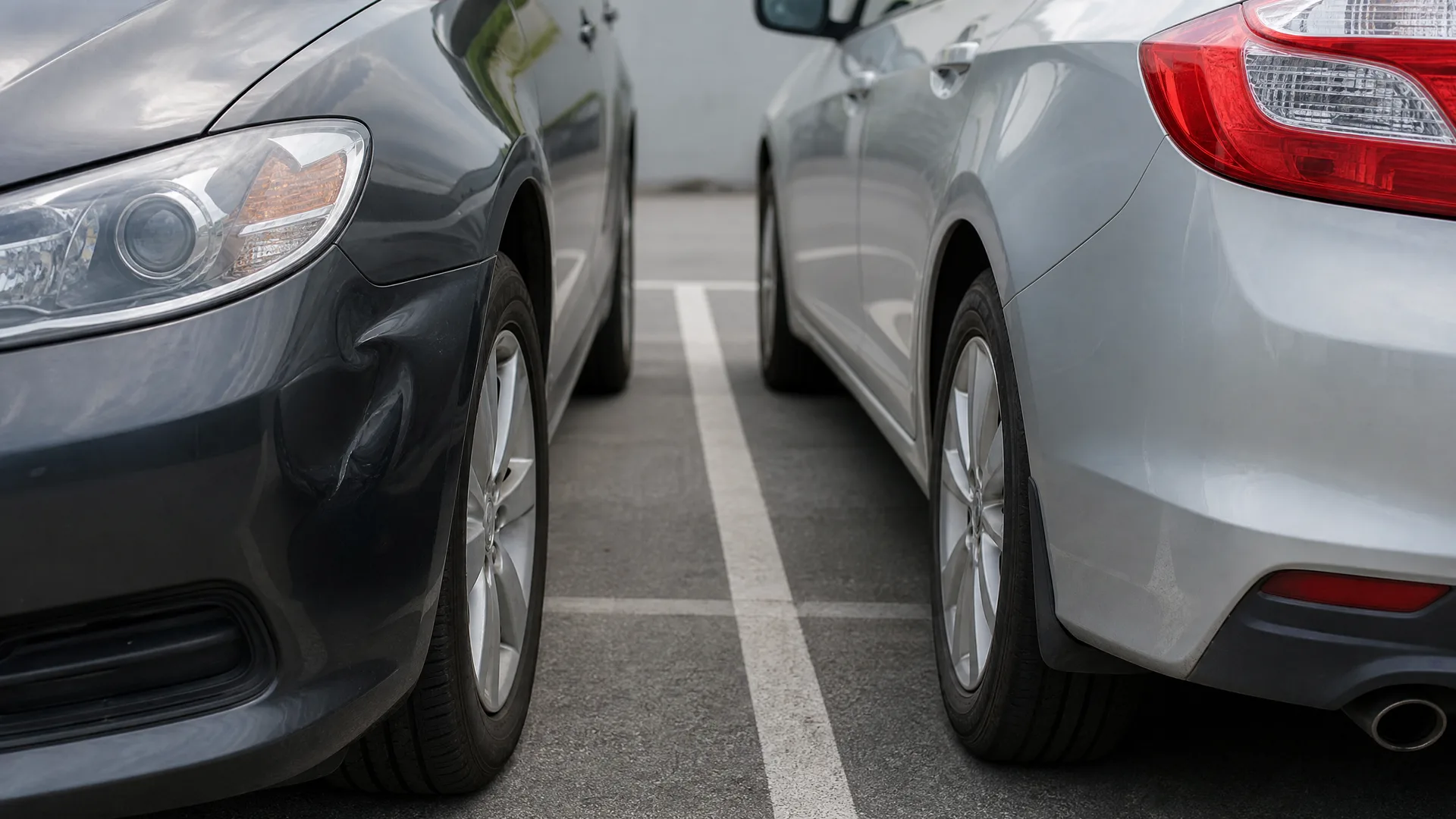
Age itself doesn't answer this question, even though a lot of people assume it does. What matters is the car sitting in your driveway and what it would cost to replace it.
If the car is paid off and worth a modest amount, the math changes. A claim payment on an older car is based on what the car is worth now, not what you paid for it or what a repair actually costs. If the payout would be small, you may be paying a steady premium for a payout that wouldn't go far.
Think about what you could cover yourself. If a bent fender or a totaled car wouldn't strain your savings, dropping this coverage frees up money you're spending every year on a bill that may rarely pay out. If a surprise repair would be a real hardship, keeping it is the more comfortable choice even on an older car.
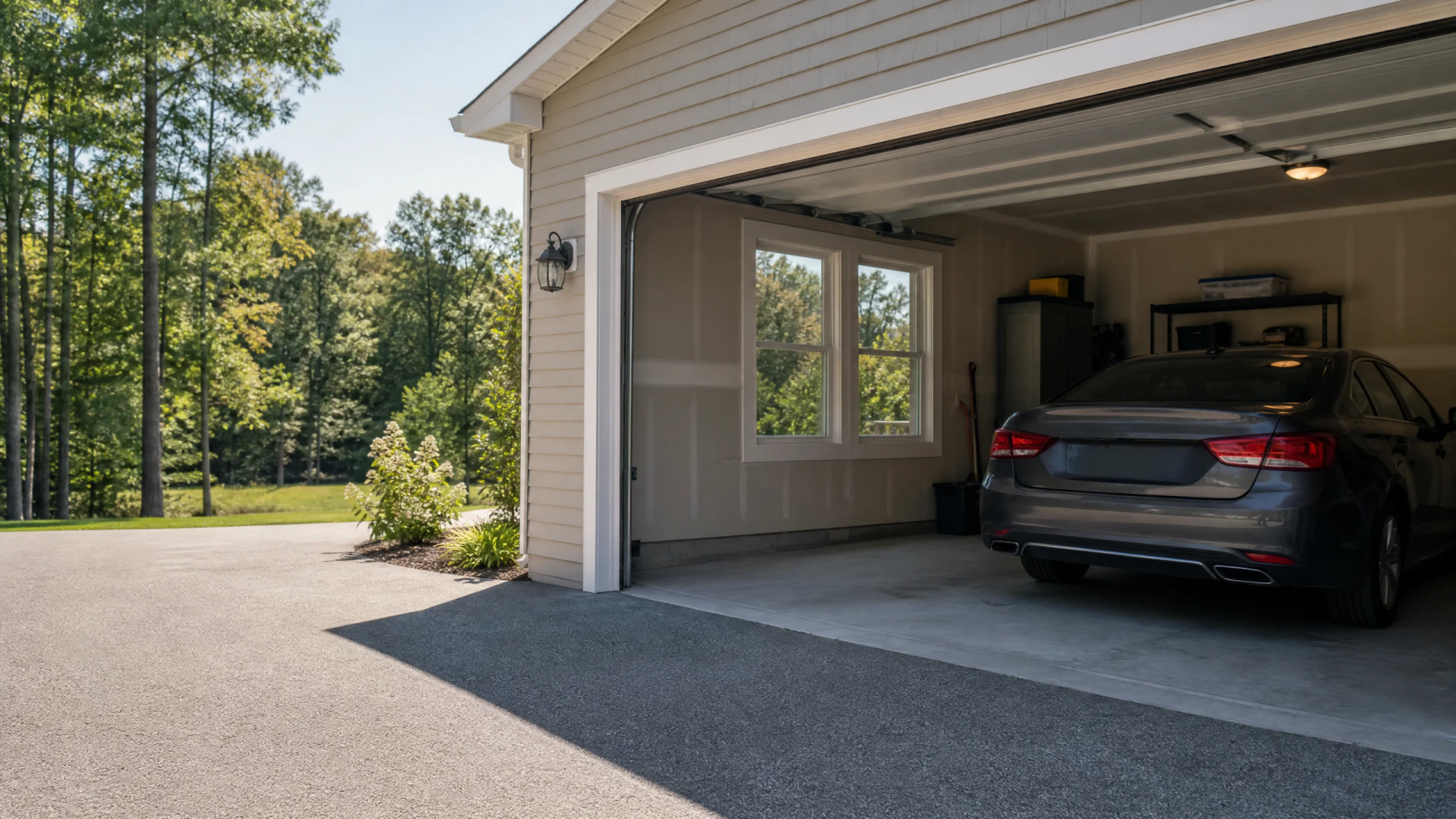
How much and where you drive matters too. Someone who mostly drives a few miles to church, the pharmacy and a grandchild's house carries less risk than someone still doing a long daily commute. A car that sits in a garage most of the week is also less exposed than one parked on the street every night.
What actually happens when you file a claim
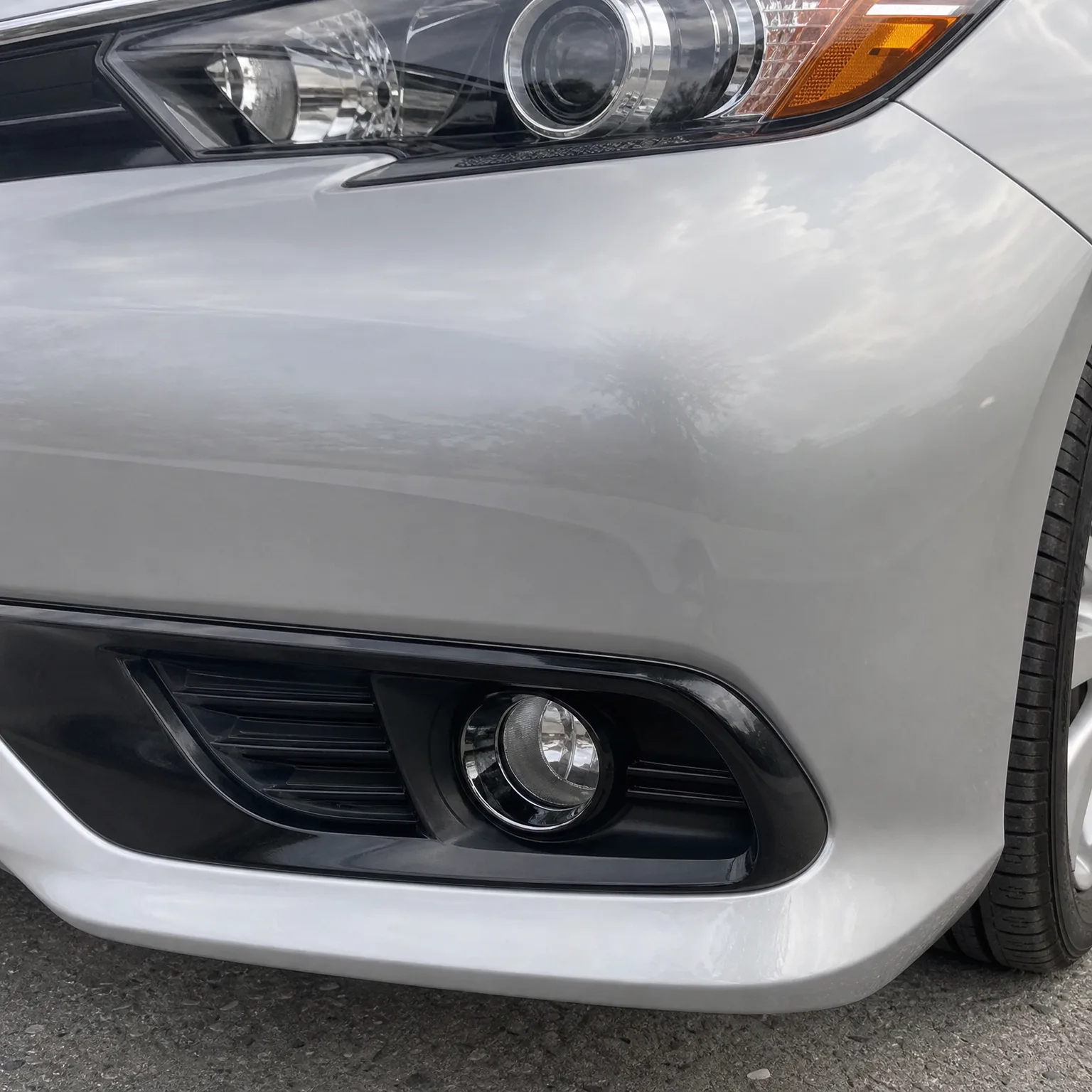
You pay your deductible first, and the insurer covers the rest of the repair cost or the car's value, whichever applies. If the repair costs less than the car is worth, the shop gets paid and you get your car back. If the damage costs more to fix than the car is worth, the insurer declares it a total loss and pays you that value instead, minus your deductible.
A claim usually starts with a call to report what happened, followed by an inspection of the damage, either in person or through photos you send in. From there you're usually given a repair shop option or told you can choose your own, and the insurer coordinates payment directly with the shop in many cases.
Have your policy number, the date and location of the incident, and a basic description of what happened ready when you call. Photos of the damage and any police report, if one was filed, help the claim move faster. Keep in mind that a payout is based on your car's current value, so it helps to have a realistic sense of that going in, rather than what you feel the car is worth.
Collision coverage versus comprehensive coverage
Collision coverage
This pays for damage from hitting another car or object, or from rolling over, regardless of fault. It only applies when your car physically collides with something.
Comprehensive coverage
This pays for damage that isn't a collision, like hail, fire, theft, vandalism, a cracked windshield, or hitting an animal. It covers the things that happen to a car when it isn't in a crash.
If you're deciding between the two because of cost, think about which risks worry you more, a crash you cause or something happening to the car while it's parked or on the road.
Real situations
You're pulling out of the pharmacy parking lot and clip a shopping cart corral, denting your bumper.
Collision pays for this, since it's damage from hitting an object, after your deductible.
A hailstorm hits while your car is parked outside during Sunday service.
This doesn't pay, hail damage falls under comprehensive coverage instead.
A deer runs into the road at dusk on a county highway and you can't avoid it.
This doesn't pay either, animal strikes are handled by comprehensive, not collision.
Once you know whether you're keeping, dropping, or adjusting this coverage, you can compare quotes with that decision already settled.
Questions people ask about this
Can I drop collision coverage on a car with a loan?
Usually not on your own. Lenders typically require collision coverage for as long as you owe money on the car, since the car is their collateral. Once the loan is paid off, the choice is yours. Check your loan agreement or ask your lender directly if you're unsure.
Does collision coverage cover a windshield crack?
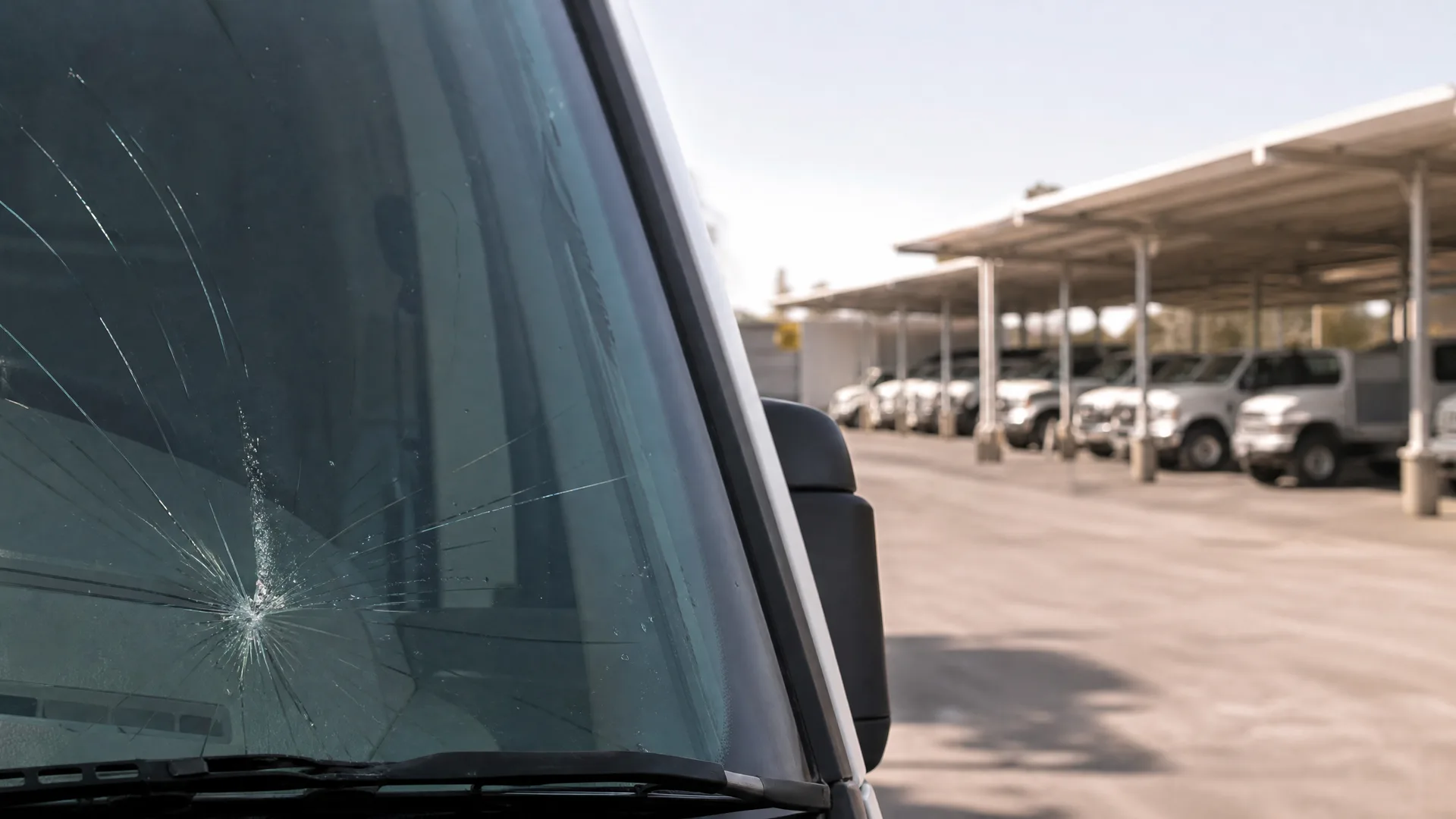
No, a cracked or chipped windshield is handled by comprehensive coverage, not collision. Collision only applies when your car hits something or rolls over. If a rock kicks up and cracks your glass while driving, that's treated as a comprehensive claim.
What is my car actually worth for a collision claim?
It's based on current market value, not what you paid or what you feel it's worth. Insurers look at comparable sales for similar cars of the same age, mileage and condition in your area. If you disagree with their number, you can usually ask for the valuation report and provide your own comparable listings.
Does collision coverage follow the car or the driver?
It generally follows the car, so if you lend your car to someone and they crash it, your collision coverage typically applies. It's worth checking your policy's language on permissive use, since rules can differ slightly by policy. If someone drives your car regularly, it's worth mentioning them to your agent.
Will my rates go up after a collision claim?
Often yes, since a collision claim usually means you were found at least partly at fault. How much it affects your rate varies by insurer and by your claims history. Some policies offer accident forgiveness for long-time customers, so it's worth asking whether yours includes that.