Collision Coverage for Seniors in Massachusetts
Collision coverage pays to repair or replace your car when it hits another vehicle or object, or flips over, no matter who caused it.
What collision coverage pays for
Covers
- Hitting another vehicle If you cause the crash, this pays to fix your own car rather than leaving that cost to you.
- Hitting an object A mailbox, a guardrail, a parked car in a lot, all count if your car is the one that made contact.
- Single car accidents Sliding off the road or into a ditch is covered even with no other car involved.
- Rollovers If your car flips or rolls, the damage is covered under this same coverage.
- Potholes and road damage Serious impact damage from a bad pothole is treated like any other collision.
Doesn't cover
- Hail, flooding, or fire Weather and other non-collision events fall under comprehensive coverage, not this one.
- Hitting a deer or animal Animal strikes are handled by comprehensive coverage even though the damage looks the same as a crash.
- Theft or vandalism A stolen car or keyed paint job is a comprehensive claim, not a collision one.
- Medical bills Your own injuries or a passenger's are handled by medical payments or personal injury protection, not this coverage.
- Mechanical breakdown A failed transmission or dead battery isn't a collision and isn't covered here at all.
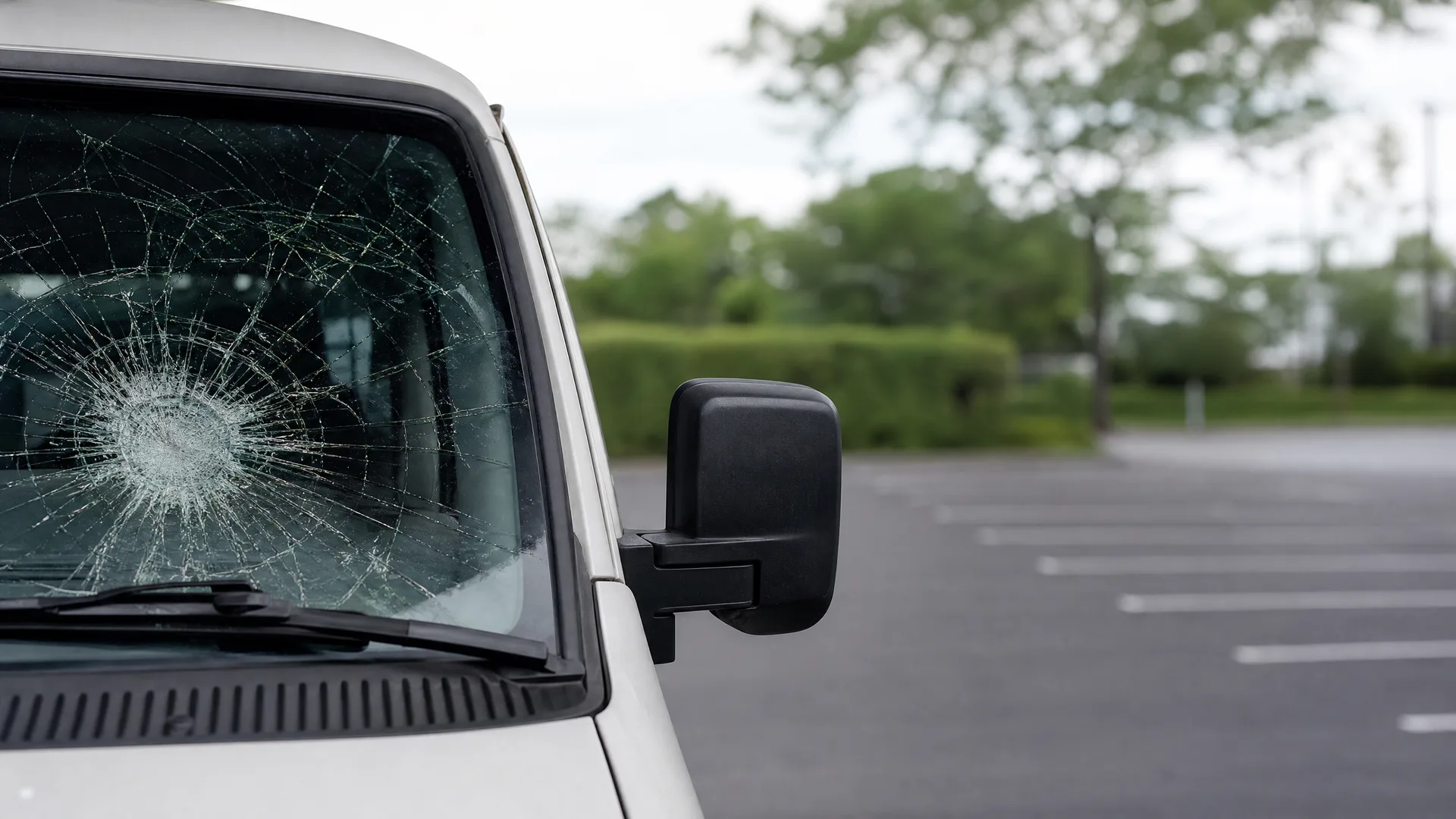
For a lot of older drivers, this coverage quietly stops making sense
The math changes as a car ages. If the car is worth little, a repair bill can come close to or exceed what the car is actually worth, and the insurer will only ever pay up to that value. At some point you're paying a premium year after year for a payout that barely covers a down payment on a replacement.
Whether the car is paid off matters too. A lender usually requires this coverage as long as there's a loan on the car. Once it's paid off, that requirement disappears and the decision becomes yours alone.
Think about what you could absorb from savings without much stress. If a totaled car wouldn't change your month to month life, self insuring that risk is a reasonable choice. If replacing the car would be a real hardship, keeping the coverage still makes sense even on an older vehicle.
How much you drive and where the car spends its time matters as well. A car that mostly sits in a garage and makes short trips to familiar places carries less risk than one driven daily on highways or unfamiliar roads. Less driving is a real reason this coverage may be worth less to you than it once was.
What actually happens when you file a claim
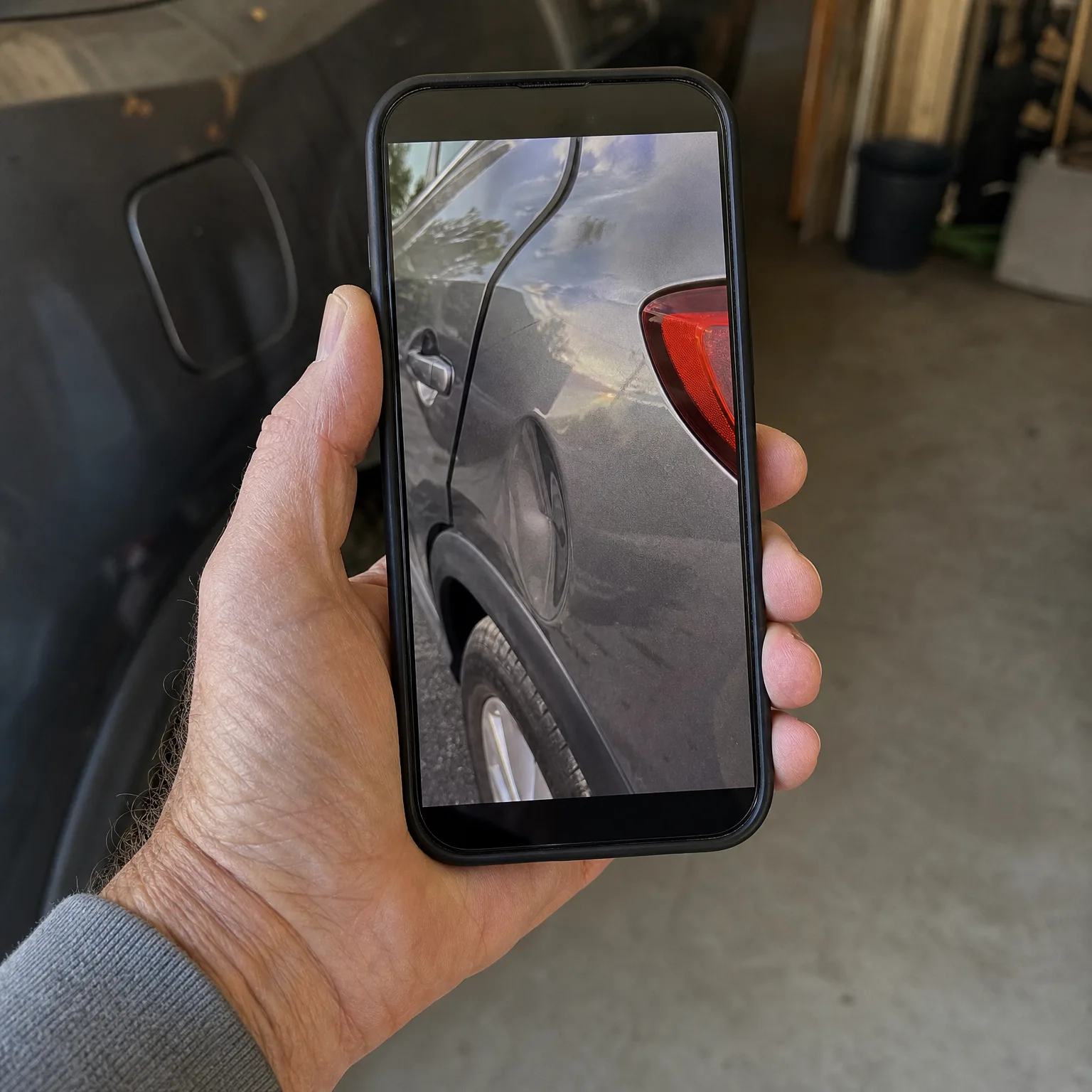
You pay the deductible out of pocket and the insurer covers the rest of the repair or the car's value, whichever applies. If the damage costs less to fix than the car is worth, they'll pay for repairs minus your deductible. If it costs more, they'll declare the car a total loss and pay you its value instead.
After an accident, an adjuster typically inspects the car or reviews a shop estimate before anything is approved. Have your policy number, a description of what happened, and photos of the damage ready, since that speeds things along considerably.
The payout covers the vehicle itself, not anything extra you added without telling the insurer, and not the inconvenience of being without a car while it's fixed. A rental car during repairs is a separate coverage you'd need to have added beforehand.
If the car is declared a total loss, the payment goes to you or to your lender if there's still a loan, and any amount left over after the loan is paid is yours.
Collision coverage versus comprehensive coverage
Collision coverage
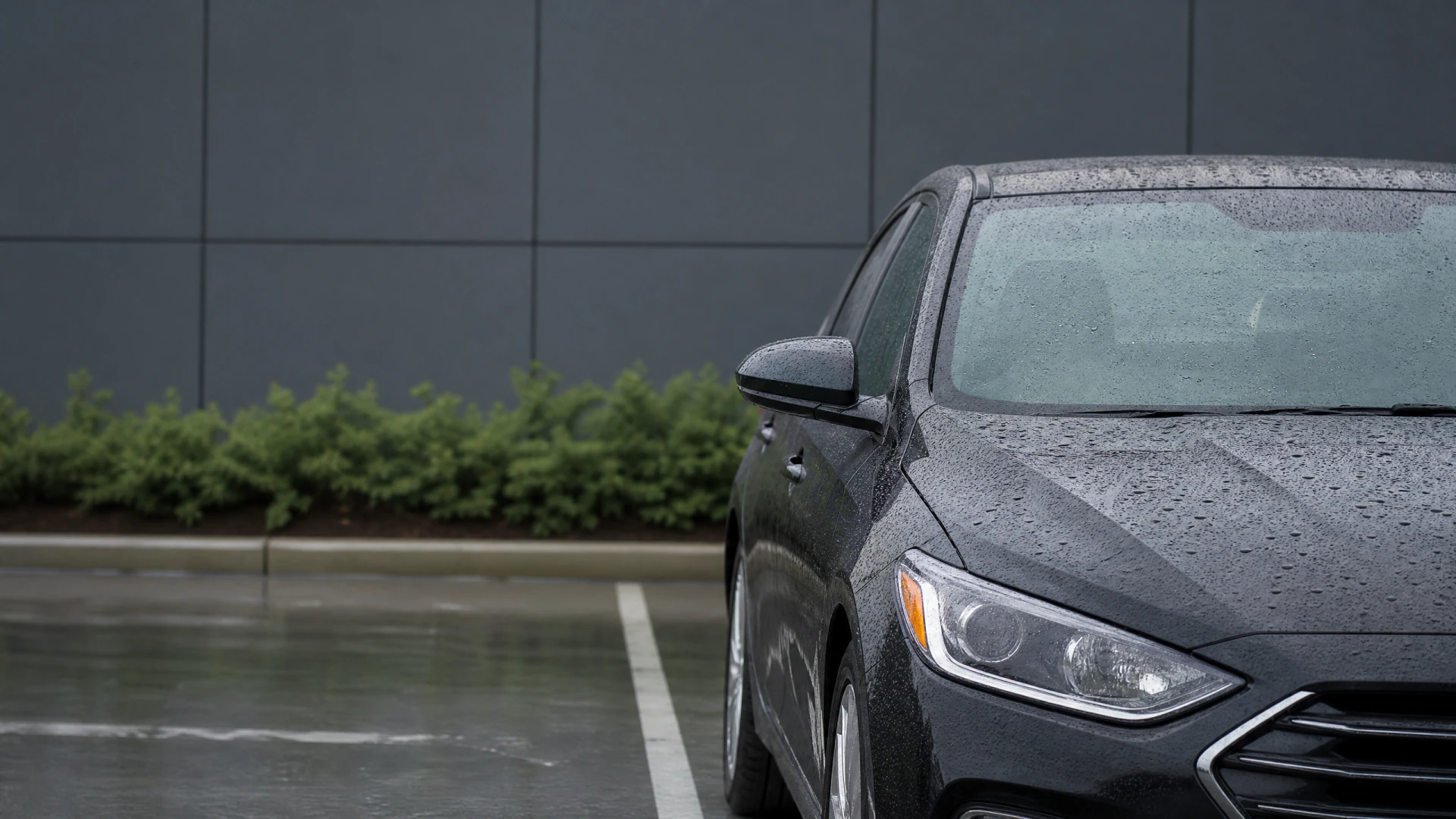
This pays for damage from hitting another car or object, or from rolling over, regardless of who's at fault. It's about contact and crashes.
Comprehensive coverage
This pays for damage that isn't a crash: weather, fire, theft, vandalism, or an animal running into your path. It covers what happens to the car when you're not the one doing the hitting.
If your car is older and rarely driven far, comprehensive alone sometimes makes more sense than carrying both, since weather and theft risk don't disappear just because you drive less.
Real situations
You're pulling out of a church parking lot and clip a concrete post, denting the rear bumper.
This pays for the repair, minus your deductible, since you made contact with an object.
A hailstorm hits while your car is parked in the driveway overnight, leaving dents across the hood and roof.
This doesn't pay, since hail is a weather event handled by comprehensive coverage instead.
A deer runs into the road at dusk on a county highway and you can't stop in time.
This doesn't pay either, since animal strikes fall under comprehensive coverage even though the damage looks identical to a crash.
Once you've decided whether to keep, drop, or adjust this coverage, you can compare quotes that reflect that choice.
Questions people ask about this
Can I drop collision coverage on a car I still owe money on?
Usually not, since lenders require it for as long as there's a loan on the car. Once the loan is paid off, the requirement ends and the choice becomes yours. Check your loan paperwork or ask your lender directly if you're unsure whether this still applies to you.
Does collision coverage cost more for older drivers?
Not because of age alone, though other factors tied to age, like how much you drive or where the car is kept, can affect the cost. The car's value, your driving record, and your location tend to matter more than age by itself. Ask your insurer what specifically is driving your rate if it seems high.
What happens to collision coverage if I stop driving regularly?
It stays in effect at whatever level you've set, since coverage isn't based on how often you drive. Some insurers offer lower rates for low mileage, so it's worth asking if you qualify. Letting your insurer know your driving habits have changed can sometimes lower your premium.
Is collision coverage required by law?
This varies by state, so check your own policy or state rules to see what applies to you. It's rarely required by law itself, but lenders often require it as a condition of financing. Once a car is paid off, it typically becomes optional unless your state says otherwise.
How is my car's value determined when it's totaled?
The insurer looks at your car's condition, mileage, and local market prices for similar vehicles to arrive at a value. This is usually done through a valuation report rather than a guess. You can ask for the details of that report and dispute it if you think it's too low.