Collision Coverage for Seniors in Connecticut
Collision coverage pays to repair or replace your own car after it hits another car or object, or flips over, no matter who caused it.
What collision coverage pays for
Covers
- Hitting another vehicle If you're at fault in a crash with another car, this pays to fix or replace your own vehicle.
- Hitting a fixed object A mailbox, a guardrail, a garage door, a tree, this covers damage from running into things that don't move.
- Single car rollovers If you lose control and the car rolls or goes off the road on its own, this still applies.
- Potholes and road damage Hitting a pothole hard enough to damage the car counts as a collision, not wear and tear.
- A hit and run driver If someone hits you and leaves, your collision coverage can pay even though you have no one to collect from.
- Total loss payouts If the car is damaged beyond what it's worth to fix, this pays out its value instead of repairing it.
Doesn't cover
- Weather and falling objects Hail, flooding, a falling branch, these fall under comprehensive coverage, not collision.
- Theft of the vehicle A stolen car is also a comprehensive claim, since no collision occurred.
- Hitting a deer or animal Animal strikes are treated as comprehensive claims in almost every policy, even though it feels like a collision.
- Your medical bills This coverage only pays for the car. Injuries to you or passengers fall under medical payments or personal injury protection.
- The other driver's car Damage you cause to someone else's vehicle is paid by your liability coverage, not this one.
- Normal wear and mechanical failure A worn brake line or a dead transmission isn't a collision, so it isn't covered here regardless of cause.
For many older drivers with an older car, this coverage costs more than it's worth
The first question is simple: what would the insurer actually pay if the car were totaled tomorrow? If the car is worth little, the payout will be small, and the premium you pay for that small payout can eat up a lot of its value over just a few years.
If the car is paid off, you also get to choose whether to repair it at all after a crash. Some older drivers decide they'd rather keep driving a dented car than file a claim, which changes how much this coverage is really doing for them.
Think about what you could absorb from savings without much strain. If a total loss would be an inconvenience rather than a hardship, carrying this coverage is more about peace of mind than financial necessity. If it would be a real setback, that leans the other way.
How much you drive and where the car sits matter too. A car that mostly sits in a garage and makes short trips to familiar places carries less risk than one driven daily on highways or in heavy traffic. Less driving generally means less chance you'll ever use this coverage at all.
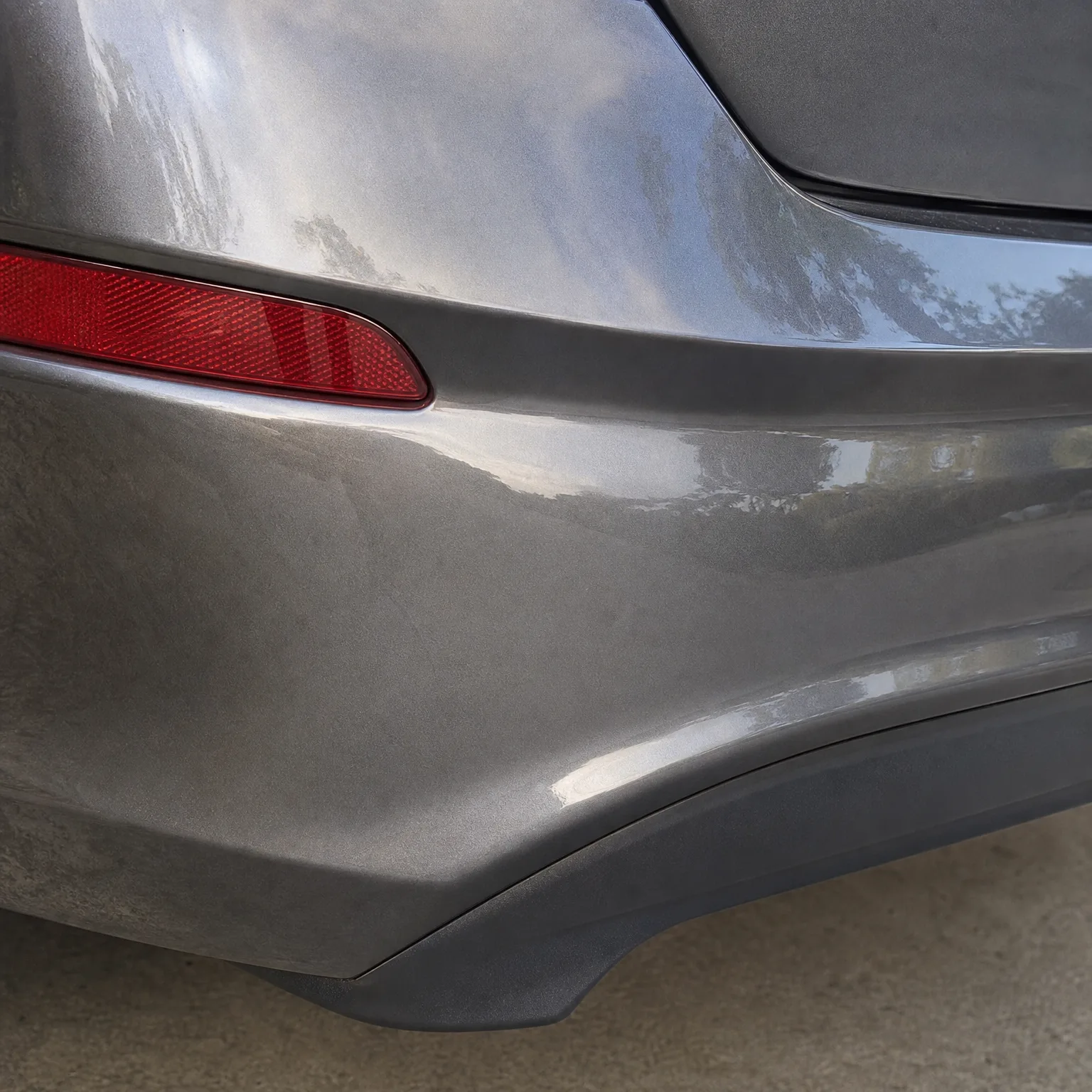
What happens when you file a claim
You pay your deductible and the insurer covers the rest of the repair or the car's value, up to what it's worth. The deductible applies once per claim, so if the damage is close to that amount, filing may not make financial sense.
An adjuster will inspect the car or review a repair shop's estimate before anything is approved. If the car is fixable, payment usually goes toward the repair shop directly or to you once work is verified. If it's declared a total loss, the insurer pays you the car's value minus your deductible, and the car becomes theirs.
Have your policy number, the other driver's information if there is one, photos of the damage, and a police report if one was filed. The more documentation you have early, the smoother the claim tends to go.
Keep in mind that filing a claim can affect your rate going forward, so for minor damage it's worth weighing the repair cost against your deductible before you call it in.
Collision coverage compared to comprehensive coverage
Collision coverage
This pays for damage from hitting another car or object, or from your car flipping over, regardless of fault. It's about impacts you're involved in causing or that happen while you're driving.
Comprehensive coverage
This pays for damage that isn't from a collision, like weather, fire, theft, vandalism, or hitting an animal. It covers things that happen to the car when you're not the one causing an impact.
If you're deciding whether to drop one and keep the other, comprehensive tends to stay affordable longer and covers more random, unavoidable events, while collision is the one worth reconsidering first as a car ages.
Real situations
You're pulling out of a grocery store parking lot and misjudge the distance, bumping a concrete post hard enough to crack the bumper.
This pays for the repair, minus your deductible, since it's a collision with a fixed object.
A hailstorm passes through while your car is parked at church and leaves dents across the hood and roof.
This doesn't pay. Hail damage falls under comprehensive coverage instead.
Driving home at dusk on a county road, a deer runs into your path and you can't avoid it.
This doesn't pay either. Animal collisions are handled under comprehensive coverage even though it feels like a crash.
Once you know whether this coverage still makes sense for your car and how you drive it, you can compare quotes with that decision already settled.
Questions people ask about this
Can I drop collision coverage on a car I still owe money on?
Usually not, if the loan is active. Lenders typically require collision and comprehensive coverage until the car is paid off, since the car is their collateral too. Once the loan is satisfied, the choice becomes yours. Check your loan agreement or ask your lender directly if you're unsure.
Does collision coverage follow the car or the driver?
It follows the car on the policy, but who's driving at the time usually still needs to be an insured driver under that policy. If you lend the car to a friend or family member with permission, coverage generally still applies. If someone drives it regularly, they may need to be added to the policy. Check your policy's language on permissive use.
Will my rate go up if I file a collision claim that wasn't my fault?
It depends on your insurer and whether the at-fault driver's insurance reimburses yours. Some insurers won't raise your rate for claims where you're found not at fault, especially if the other driver's insurer pays them back. Others weigh it differently. Ask your agent how not-at-fault claims are handled before you file.
Can I choose my own repair shop after a collision claim?
In most cases, yes, the choice is yours. Insurers often recommend shops they work with closely and may guarantee that work, but you're generally not required to use them. Get a written estimate either way and ask whether your insurer's preferred shop offers anything extra, like a longer guarantee on repairs.
What happens to collision coverage if I stop driving the car regularly?
You can usually keep the coverage even if the car sits most of the time, but it's worth telling your insurer how the car is actually used. Lower mileage can sometimes lower your premium. If the car is stored long term, ask whether a reduced policy makes more sense than full coverage.