Collision Coverage for Seniors in Colorado
Collision coverage pays to repair or replace your own car after it hits another vehicle or object, or rolls over, no matter who caused it.
What collision coverage pays for
Covers
- Hitting another vehicle If you're at fault in an accident, this pays to fix your own car even though liability covers the other driver.
- Hitting a fixed object A mailbox, a guardrail, a garage door, a parked car at the grocery store, all fall under this coverage.
- Single car rollovers If you lose control on ice or gravel and roll the car without hitting anything else, this still applies.
- Potholes and road damage Damage from hitting a deep pothole or a piece of debris in the road is treated as a collision.
- Hit and run damage If another driver flees the scene, this coverage pays for your car since there's no one else's insurance to collect from.
Doesn't cover
- Hail and weather damage Hail, wind, and falling tree limbs are handled by comprehensive coverage, not collision.
- Theft of the vehicle A stolen car is also a comprehensive claim, since no collision took place.
- Mechanical breakdown A failed transmission or dead battery is wear and tear, which no auto insurance coverage pays for.
- Injuries to you or passengers Medical costs are handled by medical payments coverage, personal injury protection, or health insurance, depending on what you carry.
- Damage to someone else's car That's paid by your liability coverage, which is a separate part of your policy.
Worth it if the car is worth enough to matter
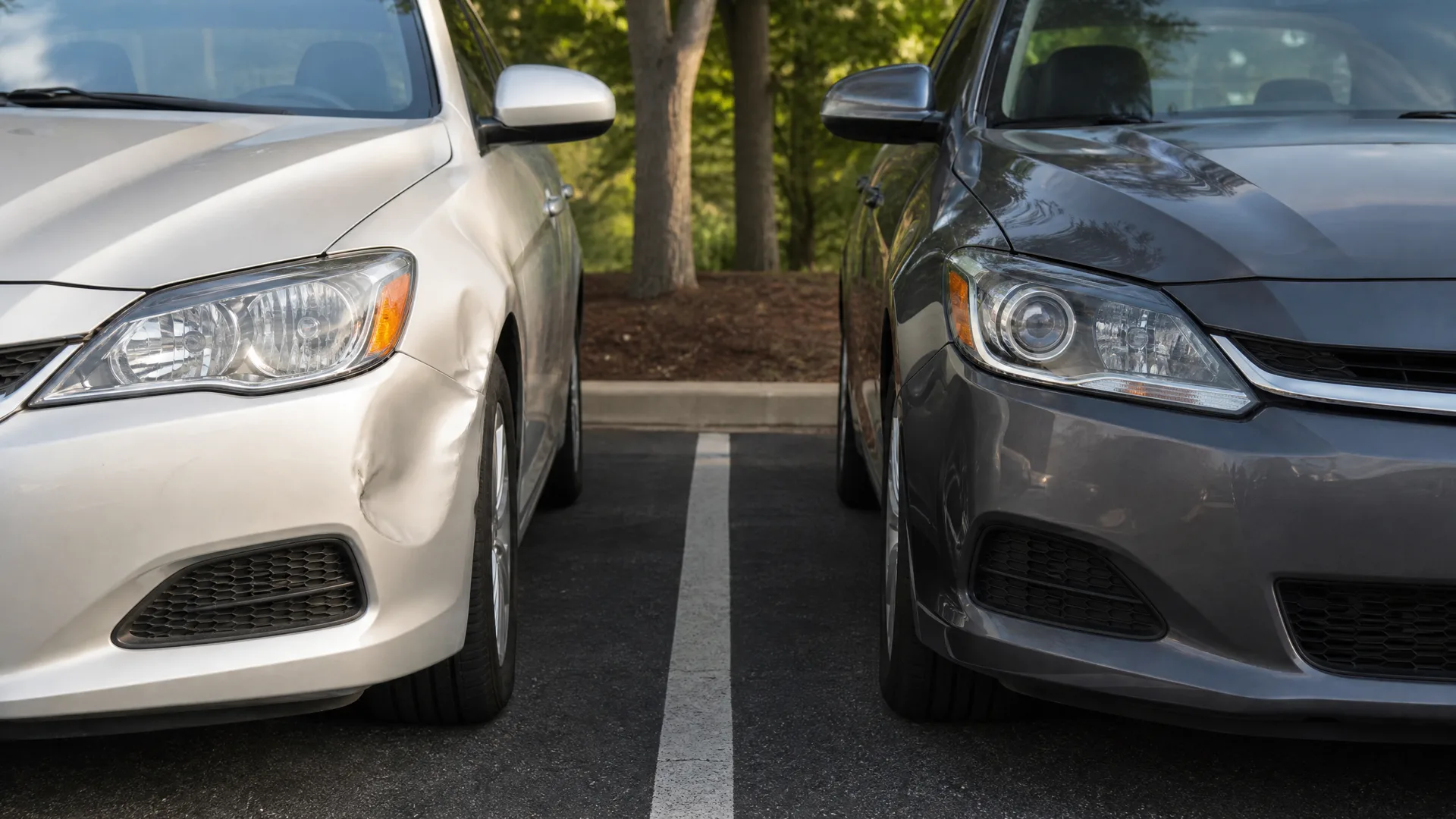
The whole question comes down to what you'd actually collect if something happened, measured against what you'd pay to carry the coverage year after year. If the car has a loan or lease, the lender requires this coverage, so there's no decision to make yet. Once the car is paid off, the decision becomes yours.
Look at what the car is actually worth now, not what you paid for it or what it feels like it should be worth. An older sedan with high mileage may be worth so little that even a full payout wouldn't cover much after the deductible comes out. In that case you're paying every year for a payout that barely moves the needle.
Think about whether you could cover a bad repair or a full loss out of savings without real strain. Some drivers this age have the cushion to self-insure for collision and would rather put that premium money away instead. Others would feel a major repair bill immediately and sleep better keeping the coverage.
How much and where you drive matters too. A car that mostly sits in a garage and makes short trips to church, the pharmacy, and a few neighbors' houses carries less risk than one driven daily on the highway. Less driving doesn't eliminate risk, but it does shift the math toward dropping the coverage if the car's value is already low.
How a collision claim actually goes
You pay a deductible out of pocket, and the insurer covers the rest of the repair cost up to the car's value. If the repair would cost more than the car is worth, the insurer typically declares it a total loss and pays you the car's value instead of fixing it, minus the deductible.
After an accident, you report the claim, an adjuster or appraiser looks at the damage, and you get an estimate for repairs or a settlement offer if it's a total loss. Have your policy number, the other driver's information if there was one, and photos of the damage ready, since that speeds everything up.
The payout covers the physical damage to your car. It won't cover a rental car unless you've added that coverage separately, and it won't cover any gap between what you owe on a loan and what the car is worth unless you carry gap coverage too.
If the car is older, ask what the insurer considers its value before you ever need to file a claim. That number is what drives the whole decision about whether to keep this coverage in the first place.
Collision vs. comprehensive coverage
Collision coverage
This pays for damage from hitting another car or object, or from a rollover. It applies regardless of who caused the accident.
Comprehensive coverage
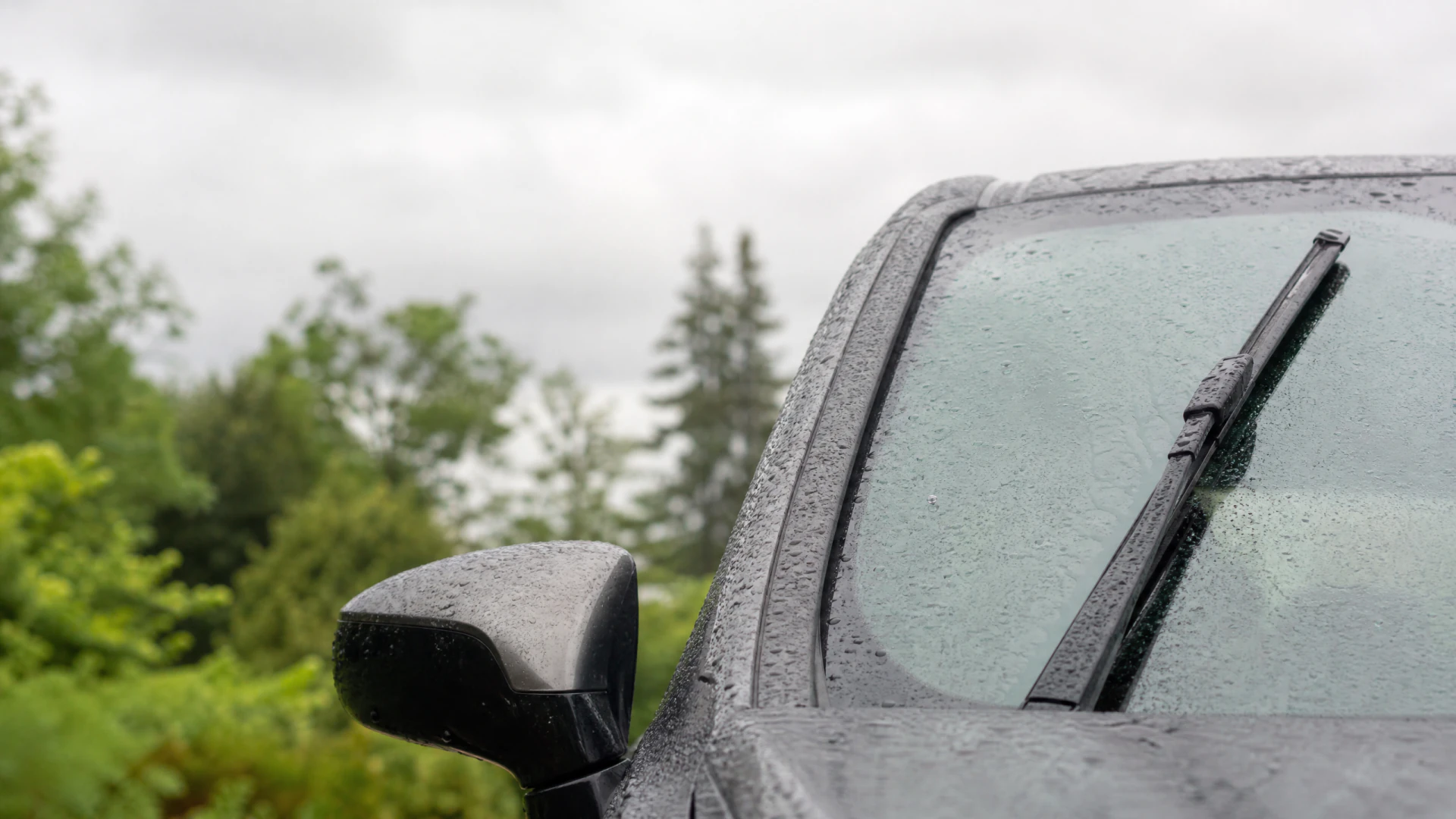
This pays for damage that isn't from a collision, like hail, theft, fire, a cracked windshield, or hitting an animal. The two coverages are often sold together but each has its own deductible.
If your car is old enough that you're reconsidering collision, it's worth looking at comprehensive the same way, since the value question applies to both.
Real situations
You're pulling out of a parking space at the pharmacy and back into a shopping cart corral, denting the rear bumper.
Collision pays for the bumper repair, minus your deductible, since this is a collision with a fixed object.
A hailstorm hits while your car is parked outside during a Sunday service and leaves dents across the hood and roof.
This is a comprehensive claim, not collision, since no collision occurred.
A deer crosses a county road at dusk and you strike it, damaging the front end of the car.
Hitting an animal is also a comprehensive claim, even though it feels like a collision.
Once you know whether you're keeping, dropping, or adjusting this coverage, you can compare quotes with that decision already settled.
Questions people ask about this
What happens if my car is declared a total loss?
The insurer pays you the determined value of the car minus your deductible, rather than paying for repairs. From there you decide whether to put that money toward another vehicle. If you still owe money on the car, check whether gap coverage applies, since collision alone won't cover any shortfall.
Can I drop collision coverage and keep comprehensive?
Yes, these are separate coverages and you can carry one without the other once the car is paid off. Many drivers with an older, paid off car keep comprehensive for things like theft or weather damage while dropping collision because the payout potential is lower. Check with your insurer on how dropping one affects the cost of the other.
Does collision coverage follow the car or the driver?
It follows the car listed on the policy, not a specific driver. If a family member borrows the car with your permission and has an accident, the coverage still applies. Rules can vary, so it's worth confirming with your own policy if someone outside your household drives the car regularly.
Will my rates go up after a collision claim?
That depends on your insurer and your driving history, and it varies enough that you should ask directly rather than assume. Some policies offer forgiveness for a first accident after years of clean driving. It's worth asking your agent how a claim would affect your specific policy before you decide whether to file one for a minor repair.
Is collision coverage required by law?
No state requires collision coverage the way liability coverage is required, but a lender or leasing company can require it as a condition of the loan. Once the loan is paid off, whether you keep it becomes entirely your choice. Check your policy or loan documents to see what's currently required of you.