Collision Coverage for Seniors in Pennsylvania
Collision coverage pays to repair or replace your own car after it hits another vehicle or object, or flips over, no matter who caused the accident.
What collision coverage pays for
Covers
- Hitting another vehicle If you're at fault in a crash, this pays to fix your car regardless of what liability coverage handles for the other driver.
- Hitting a fixed object A mailbox, a guardrail, a parked car, a garage door, this covers the damage to your own vehicle.
- Single-car accidents Sliding off an icy road or into a ditch with no other car involved is still a collision claim.
- Rollovers If your car flips during a crash, the resulting damage is covered the same as any other collision.
- Hitting a pothole or debris Damage from road hazards like a deep pothole falls under collision, not the comprehensive side of your policy.
Doesn't cover
- Hail or storm damage Weather damage to a parked car falls under comprehensive coverage, not collision.
- A deer or animal strike Hitting an animal is treated as a comprehensive claim even though it feels like a collision.
- Theft or vandalism Someone breaking into or stealing your car is a comprehensive matter, not collision.
- Your medical bills Injuries to you or your passengers are handled by medical payments or personal injury protection, not this coverage.
- Mechanical breakdown A transmission failure or engine problem isn't an accident, so collision coverage doesn't apply.
Whether it's worth keeping depends mostly on what your car is worth now
Start with the car itself. If it's an older model that's paid off and worth a modest amount, the most this coverage can ever pay you is that value, minus your deductible. At some point the yearly cost of carrying it gets close to what you'd actually collect, and that math is worth doing honestly rather than assuming the coverage is automatically worth keeping just because you've always had it.
Think about what you could absorb yourself. If a bent fender or a totaled car wouldn't strain your savings, dropping collision and self-insuring that risk is a reasonable choice many people make once a car's value drops low enough. If losing the car would mean scrambling to replace it, keeping the coverage still makes sense regardless of age.
How much you drive matters too. Someone who still commutes daily or takes regular road trips carries more exposure than someone who drives to church and the grocery store a few times a week. Less time on the road is a real reason the coverage may be costing more than the risk justifies.
Where the car sits overnight plays a smaller role than people expect, since that factor mostly affects comprehensive claims like theft or weather, not collision. Don't let that detail drive the decision either way.
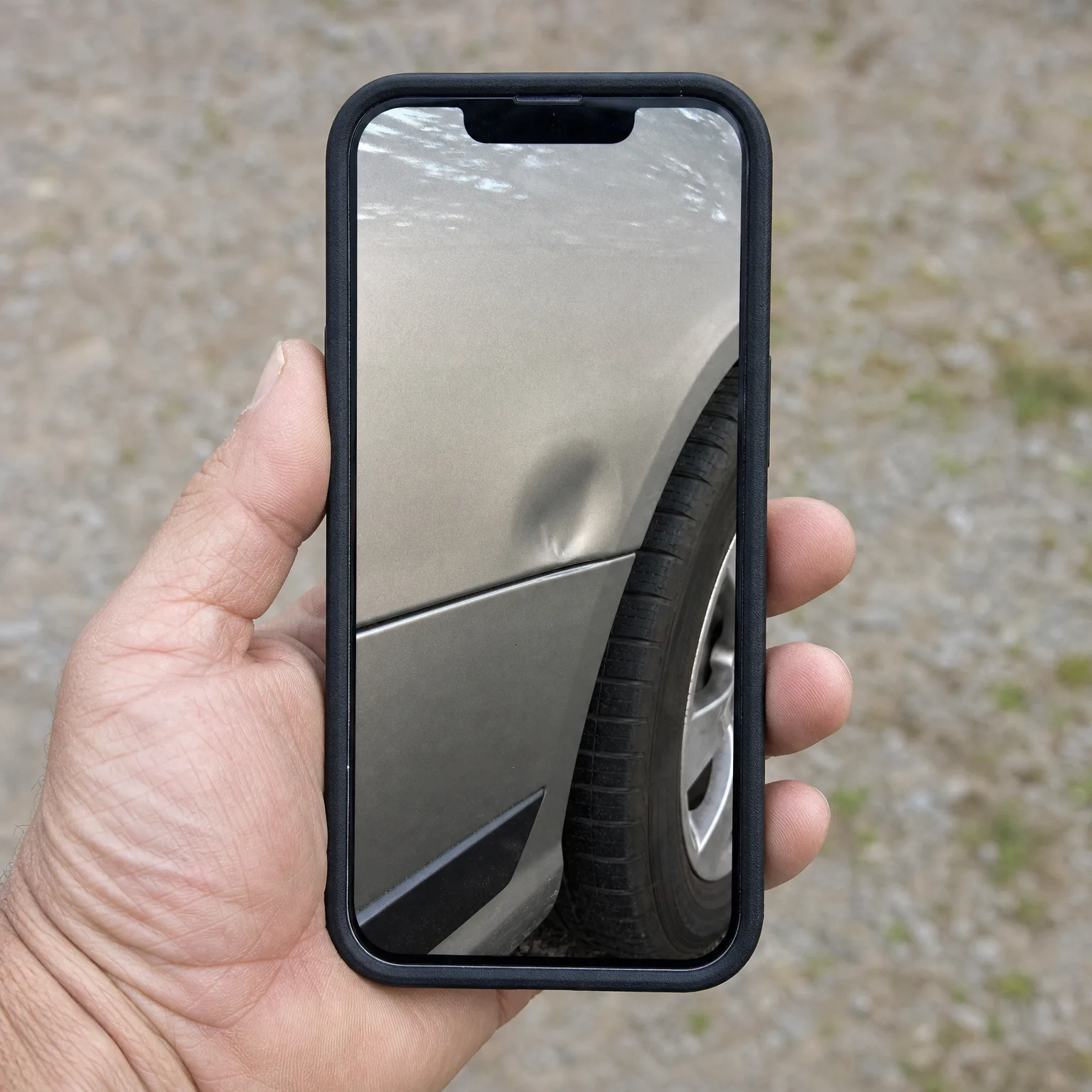
How a collision claim actually works
You pay a deductible out of pocket and the coverage pays the rest, up to the car's value. You choose that deductible amount when you set up the policy, and a higher one lowers your premium but means more comes out of your pocket at claim time.
After an accident, you report it, an adjuster looks at the damage or reviews an estimate from a repair shop, and the insurer either approves a repair cost or, if the damage exceeds what the car is worth, declares it a total loss and offers you that value instead.
The payment covers repairing or replacing your vehicle. It doesn't cover a rental car unless you've added that separately, and it doesn't cover anyone's injuries. Have your policy details, photos of the damage, and a repair estimate ready before you call, since that speeds up the whole process.
If the other driver was at fault, your insurer may pursue reimbursement from their insurance afterward, which can eventually return some or all of your deductible to you.
Collision versus comprehensive coverage
Collision coverage
This pays for damage from hitting another vehicle or object, or from a rollover, whether or not you caused it. It's tied to accidents involving impact.
Comprehensive coverage
This pays for damage that isn't from a collision, like weather, theft, vandalism, fire, or hitting an animal. The two are often sold together but cover different kinds of events.
If your car is old enough that you're questioning collision, it's worth asking the same question about comprehensive, since both are judged against the same car value.
Real situations
You're pulling out of a parking spot at the grocery store and clip a shopping cart corral, denting your door.
Collision pays for this, since it's damage from hitting an object, minus your deductible.
A hailstorm hits while your car is parked outside during a family gathering, leaving dents across the hood and roof.
Collision doesn't pay for this, since hail is a comprehensive claim, not a collision one.
A deer runs into the road at dusk on a rural highway and you can't avoid hitting it.
Collision doesn't pay for this either, since animal strikes fall under comprehensive coverage even though it feels like a collision.
Once you know whether you want to keep, adjust, or drop collision coverage, you're ready to compare quotes that reflect that choice.
Questions people ask about this
What is a total loss in a car insurance claim?
A total loss is when the cost to repair your car is close to or more than what the car is worth. At that point, the insurer pays you the car's value instead of fixing it. The exact point where repair cost tips into total loss depends on your insurer's rules, so it's worth asking yours directly.
Can I choose my own repair shop after an accident?
Yes, you generally have the right to choose where your car gets repaired. Insurers often suggest shops they work with closely, and using one can sometimes speed up the process, but you aren't required to use their recommendation. Check your policy for any specific language about this.
Does collision coverage follow the car or the driver?
It follows the car listed on the policy, not a specific driver. If someone else drives your car with your permission and causes an accident, your collision coverage typically still applies. Rules can vary, so it's worth confirming with your insurer if you regularly lend your car out.
What happens to collision coverage if I stop driving regularly?
Nothing changes automatically, since the coverage stays in effect based on your policy terms, not how often you drive. If you're driving much less than before, it's worth telling your insurer, since some policies adjust pricing based on usage. It's also a good moment to revisit whether you still want the coverage at all.
Do I need collision coverage if my car is paid off?
No, paying off your car doesn't change whether collision coverage is required, since a lender requiring it is what makes it mandatory in the first place. Once there's no loan, the decision becomes entirely about whether the car's value and your finances justify keeping it. Many drivers reconsider this coverage specifically at that point.