Collision Coverage for Seniors in New Jersey
Collision coverage pays to repair or replace your car after it hits another vehicle or object, or flips over, no matter who caused it.
What collision coverage pays for
Covers
- Crash with another car If you hit another vehicle, or it hits you, this pays to fix your car regardless of fault.
- Hitting an object A fence, a guardrail, a mailbox, a parked car in an empty lot, all of it counts as collision.
- Single car rollover If you lose control and your car flips or lands in a ditch, that's still collision, not something else.
- Pothole and road damage Hitting a deep pothole or a chunk of debris in the road falls under this coverage.
- Total loss payout If the car can't be fixed for less than it's worth, this pays out its value instead of the repair cost.
Doesn't cover
- Deer or animal strikes Hitting an animal is handled under comprehensive coverage, not collision, even though it feels like a crash.
- Hail or falling branches Weather and falling objects are comprehensive claims, since nothing was driven into.
- Theft of the car If the car is stolen, that loss is paid under comprehensive, not collision.
- Medical bills after a crash Your injuries are handled under personal injury protection or medical payments coverage, not this one.
- The other driver's car Damage you caused to someone else's vehicle is paid by your liability coverage, not collision.
Whether it's worth paying for depends mostly on the car, not your age
The real question isn't how old you are, it's what the car is worth and whether you could absorb the loss yourself. If the car is paid off and worth very little, the payout after a total loss may not be much more than what you've been paying in premium over several years. At some point the math stops favoring the coverage.
If you could write a check to replace the car outright without strain, you can choose to self-insure and drop collision, and some drivers in their later years do exactly that. If losing the car would be a real hardship, keeping the coverage still makes sense even if the car is older.
How much you drive matters too. A car that mostly sits in the driveway and makes short trips to the store or to see family carries less risk than one used for a daily commute on the highway. Less time on the road means less chance of needing this coverage at all.
Where the car is parked overnight also plays into it, though that leans more on comprehensive than collision. Still, it's worth asking your agent to walk through the specific numbers on your car before you decide anything, since a quick look at the vehicle's value against the premium tells you most of what you need to know.
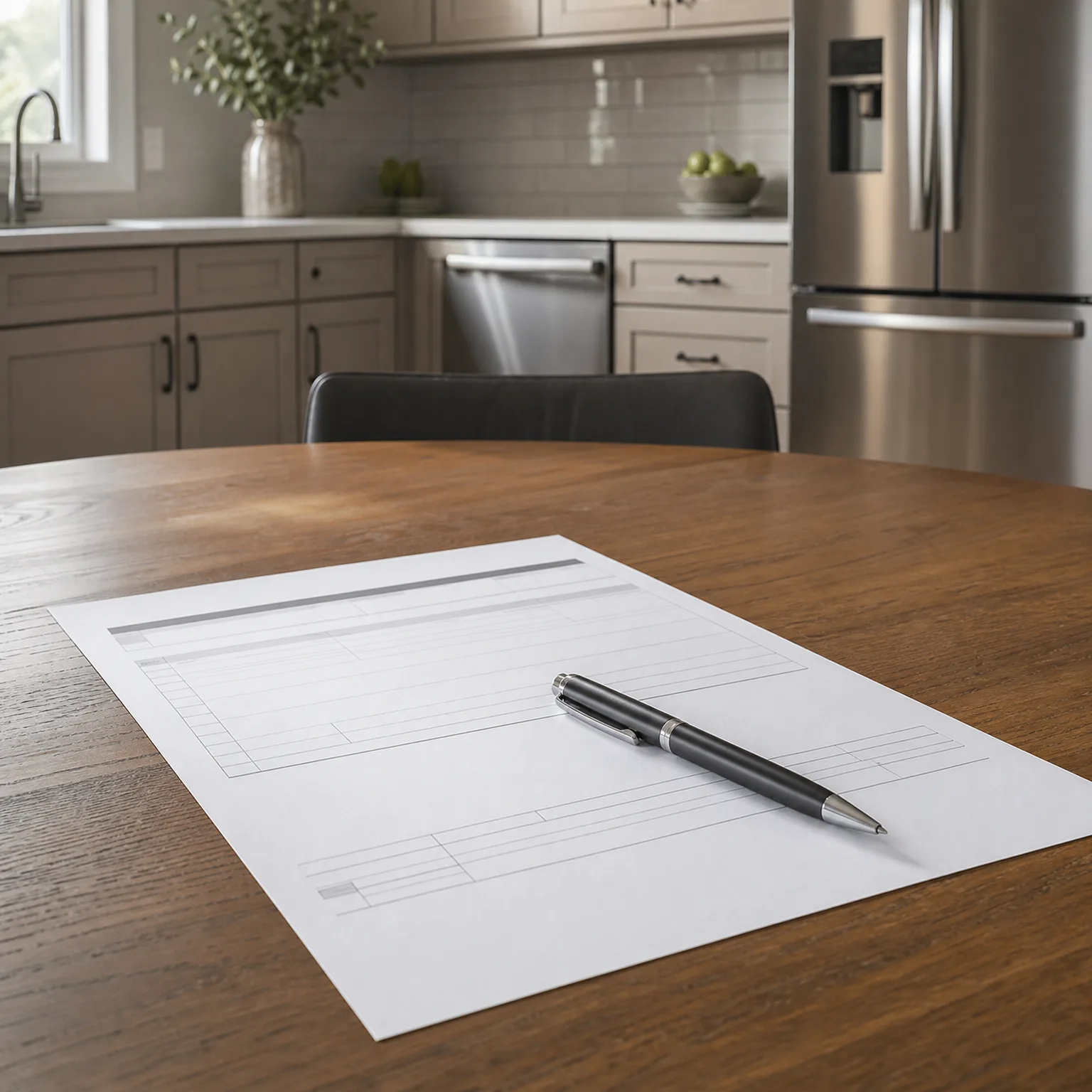
What actually happens when you file a claim
You pay your deductible first, and the insurer covers the rest of the approved repair cost, or the car's value if it's totaled. The amount you're responsible for is fixed when you set up the policy, so you'll want to know that number before anything happens, not after.
After an accident, you report the claim, the insurer sends someone to inspect the damage or asks you to get an estimate, and then they tell you the payout or the repair authorization. If the car is repairable, the shop bills the insurer directly for the amount above your deductible. If it's declared a total loss, the insurer pays out the car's value and takes the vehicle.
Have your policy number, the other driver's information if there was one, and photos of the damage ready when you call. A police report helps too, even for a minor fender bender in a parking lot, since it gives the adjuster something concrete to work from.
One thing to watch for with an older car is that the payout on a total loss is based on current value, not what you paid or what it would cost to replace with something similar today. Ask your agent how that value gets determined so there are no surprises later.
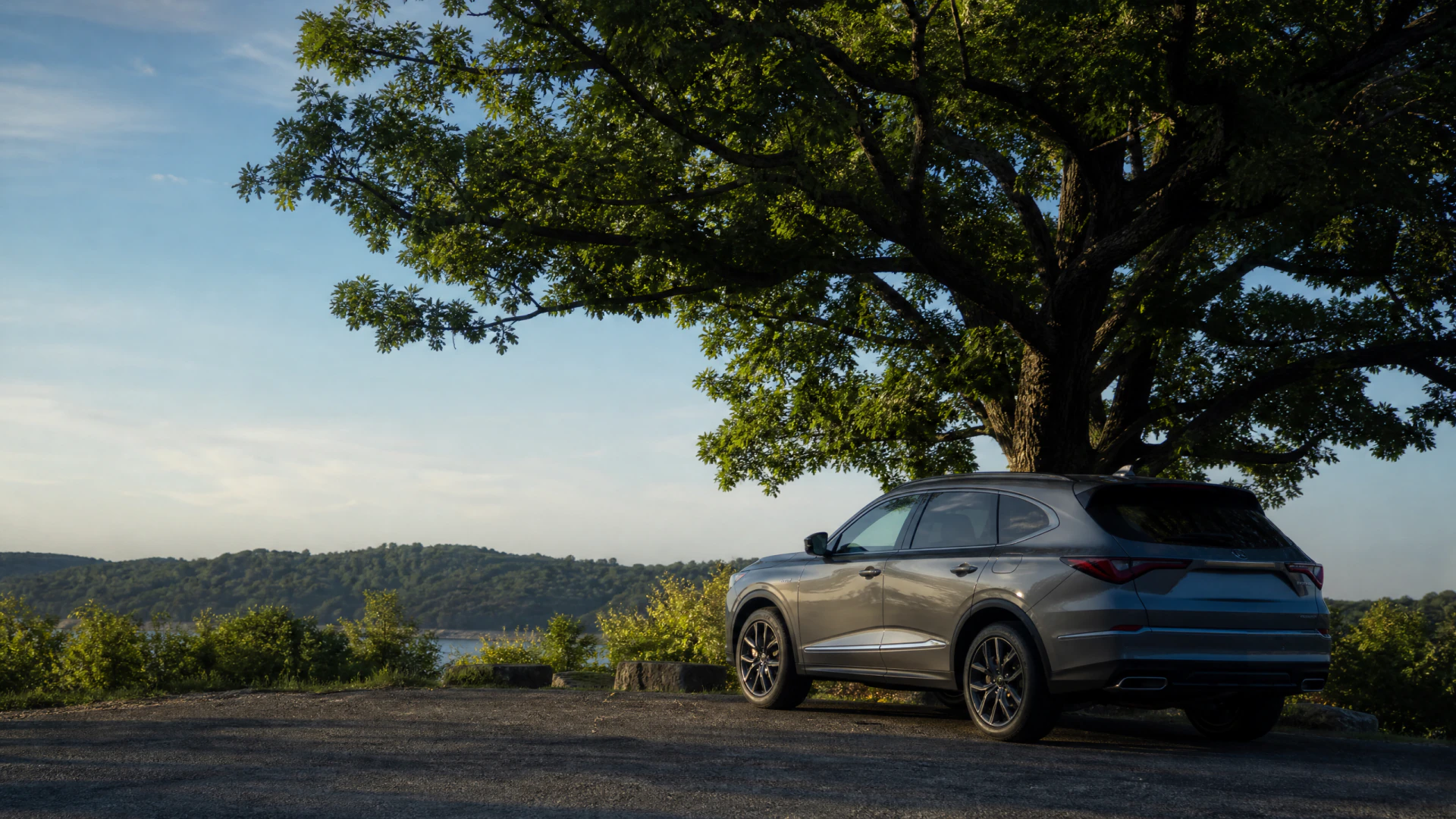
Collision versus comprehensive coverage
Collision coverage
This pays for damage from hitting another car or an object, or from flipping over. It applies no matter who's at fault.
Comprehensive coverage
This pays for damage that isn't from a crash, like animal strikes, hail, fire, theft, or a tree branch falling on the car. The two are usually sold together but they cover different kinds of loss.
If you drive mostly on busy roads, lean toward keeping collision strong; if your bigger worry is weather or where the car is parked, comprehensive matters more.
Real situations
You're pulling out of a church parking lot after a service and clip a concrete post you didn't see.
Collision pays for this, since it's damage from hitting an object, once your deductible is covered.
A deer runs across a county road at dusk and you can't stop in time.
This is a comprehensive claim, not collision, since no other vehicle or object was involved in the usual sense.
Another driver runs a stop sign and hits the side of your car at an intersection.
Collision pays for your car's damage regardless of fault, and you may also recover your deductible from the other driver's insurer.
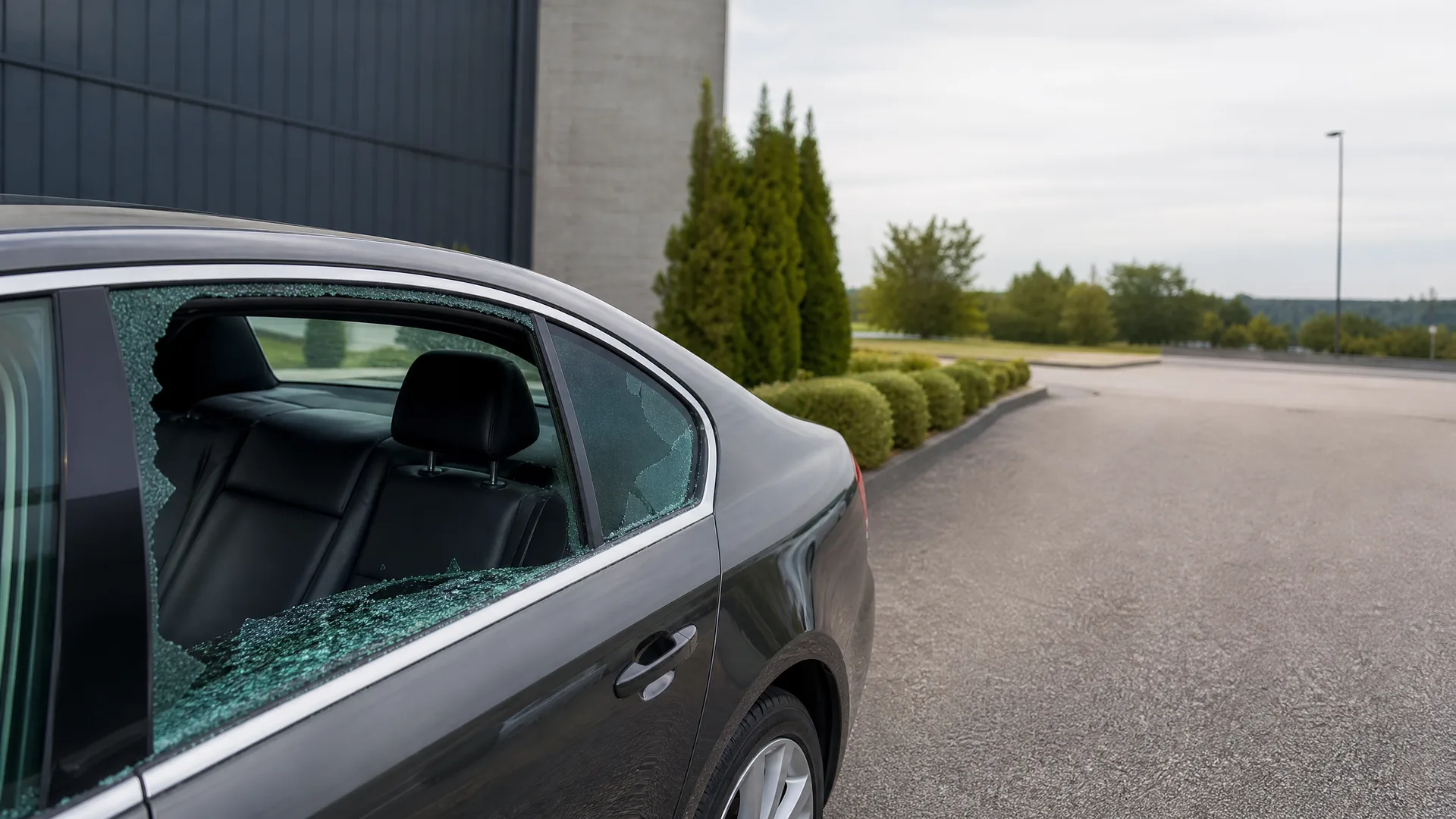
Once you know whether you want to keep, adjust, or drop collision coverage, you're ready to compare quotes with that decision already settled.
Questions people ask about this
Can I drop collision coverage on an old car?
Yes, you can drop it on any car you own outright, since nothing requires you to carry it once there's no loan or lease involved. The decision comes down to whether you could afford to replace the car yourself if it were totaled. Check with your agent on what the car would likely pay out before you cancel anything.
Does collision coverage follow the driver or the car?
It follows the car listed on the policy, not the person driving it. If a family member borrows your car with your permission and causes a crash, your collision coverage is what responds. If you drive someone else's car, their policy typically applies first.
Will my rates go up after a collision claim?
That depends on the circumstances and your insurer's rules, and it varies enough that it's worth asking your agent directly. Some policies offer protection against a first at-fault claim affecting your rate, so check whether yours includes that. Ask specifically how a claim like the one you're considering would be treated.
Do I still need collision if my car is leased?
Yes, almost every lease or loan requires you to carry collision coverage until the vehicle is paid off. The lender wants their financial interest in the car protected, not just you. Once the loan or lease ends, the choice to keep it becomes yours.
What happens if the other driver has no insurance and hits my car?
Your collision coverage still pays for your car's damage regardless of the other driver's insurance status. You'll pay your deductible, and then you may be able to pursue the other driver separately for that amount. Uninsured motorist coverage is a separate line on your policy that can also help in this situation, so it's worth checking what you have.