Collision Coverage for Seniors in New York
Collision coverage pays to repair or replace your own car after it hits another vehicle or object, or flips over, no matter who caused the accident.
What collision coverage pays for
Covers
- Hitting another vehicle If you cause a crash, this pays to fix your own car even though it won't cover the other driver's car.
- Hitting an object A mailbox, a guardrail, a parked car, a tree in your driveway, all of it counts.
- Single-car rollovers If you lose control on ice or a wet curve and roll or flip, the damage to your car is covered.
- Potholes and road damage Hitting a deep pothole hard enough to damage the car is treated as a collision.
- Hit-and-run damage to your car If the other driver takes off and can't be identified, this coverage can still pay for your own repairs.
Doesn't cover
- Deer and animal strikes Hitting an animal is handled by comprehensive coverage, not collision, since there's no other vehicle or loss of control involved.
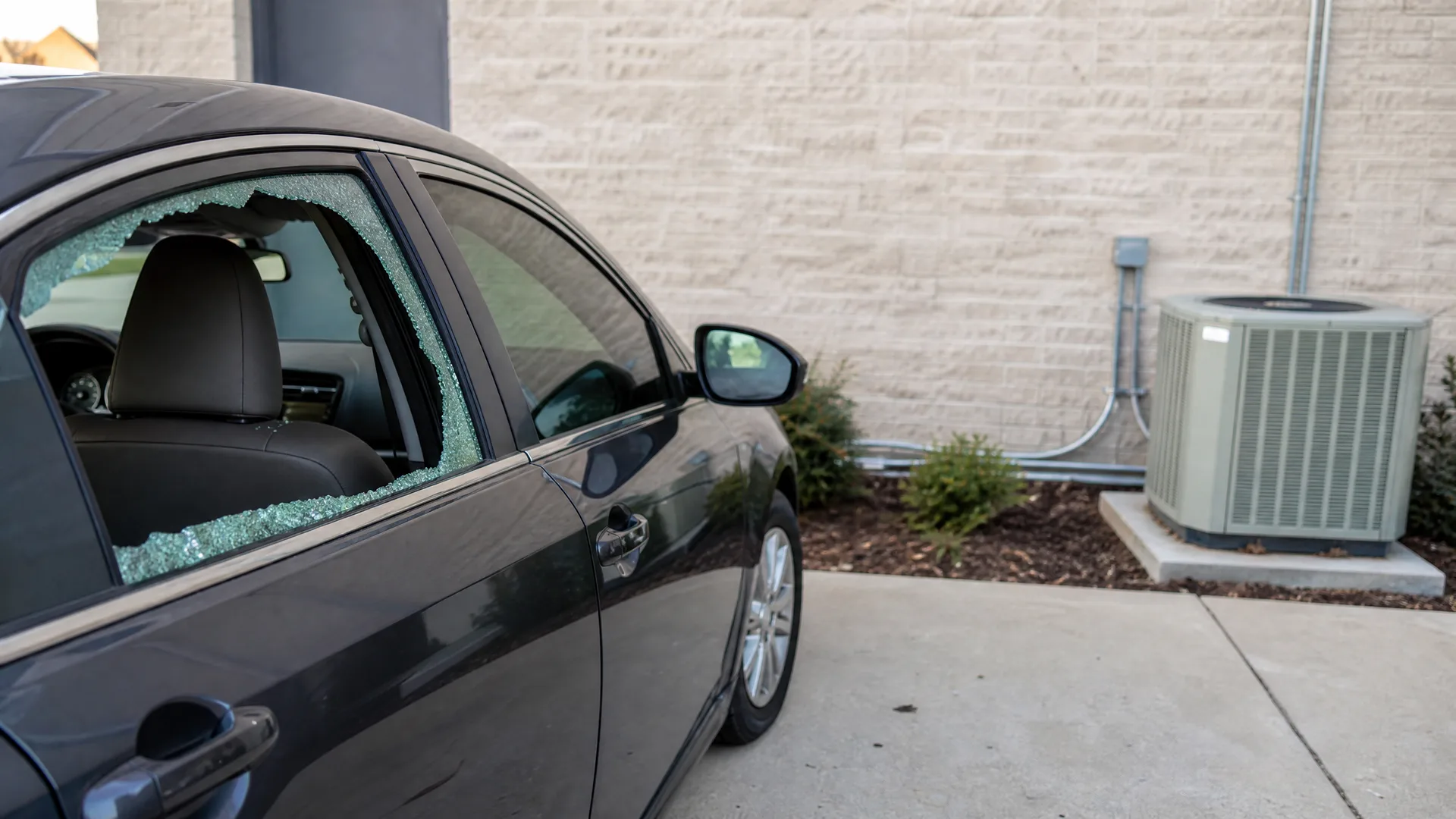
- Hail, fire or theft Weather damage, fire, vandalism and theft all fall under comprehensive coverage instead.
- The other driver's car or injuries That's paid by your liability coverage, which is a separate part of your policy.
- Your medical bills Medical costs after a crash are handled through personal injury protection or health insurance, not collision.
- Mechanical breakdowns A failed transmission or dead battery isn't a collision and isn't covered here at all.
For an older car that's paid off, it often isn't worth keeping
The math on collision coverage comes down to one question: what is the car actually worth right now. If a repair shop would call the car a total loss over a fairly small amount of damage, the payout you'd ever collect is capped at that value, no matter what you've paid in over the years.
If the car is paid off and you could cover a major repair or a replacement car from savings without real strain, dropping collision is a reasonable choice for a lot of people. You keep the premium in your pocket every year instead of betting it against a car that isn't worth much to insure.
If you're still making payments, your lender almost certainly requires this coverage, so the decision isn't yours to make yet. Once the loan is paid off, it's worth looking at again.
How much and where you drive matters too. A car that mostly sits in a garage and makes short local trips carries less risk than one driven daily on highways or in heavy traffic, and that's worth weighing against what the car is worth before you decide.
How a collision claim actually goes
You pay your deductible first, and the coverage pays the rest of the approved repair cost, up to what the car is worth. If the damage costs more to fix than the car is worth, the insurer pays you that value instead of paying for repairs, and keeps the wrecked car unless you arrange to keep it yourself.
After an accident, you'll file a claim, get the car inspected or appraised, and get an estimate from a repair shop, sometimes one the insurer recommends. Have your policy number, photos of the damage, and a description of what happened ready when you call.
The payment covers the physical damage to your car. It won't cover a rental car while yours is in the shop unless you've added that separately, and it won't cover anything you had stored in the car at the time.
Collision vs. comprehensive coverage
Collision coverage
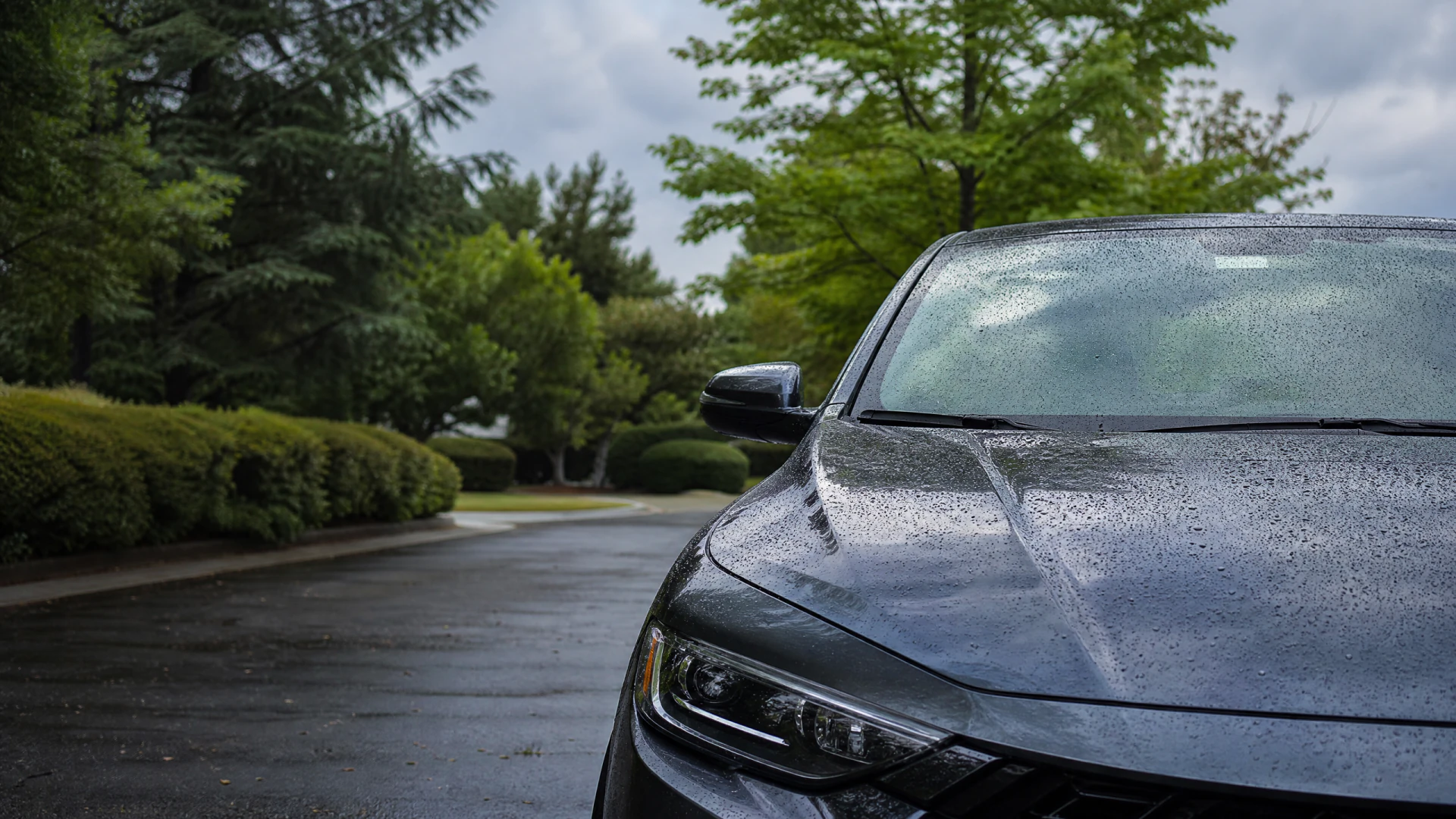
This pays for damage to your car from a crash with another vehicle or object, or from flipping over. It applies no matter who's at fault.
Comprehensive coverage
This pays for damage that isn't from a crash, like hail, fire, theft, vandalism, or hitting an animal. It's often sold alongside collision but is a separate coverage with its own deductible.
If you're deciding whether to drop one, think about them separately, since drivers who face more animal strikes or theft risk than crash risk sometimes keep comprehensive and drop collision, or the other way around.
Real situations
You're pulling out of a church parking lot after a service and clip a stone pillar at the edge of the lot, denting the fender.
This pays for the fender repair, minus your deductible, since you hit an object.
Driving home at dusk on a county road, a deer runs into your path and you can't avoid it.
This doesn't pay, animal strikes are covered under comprehensive instead.
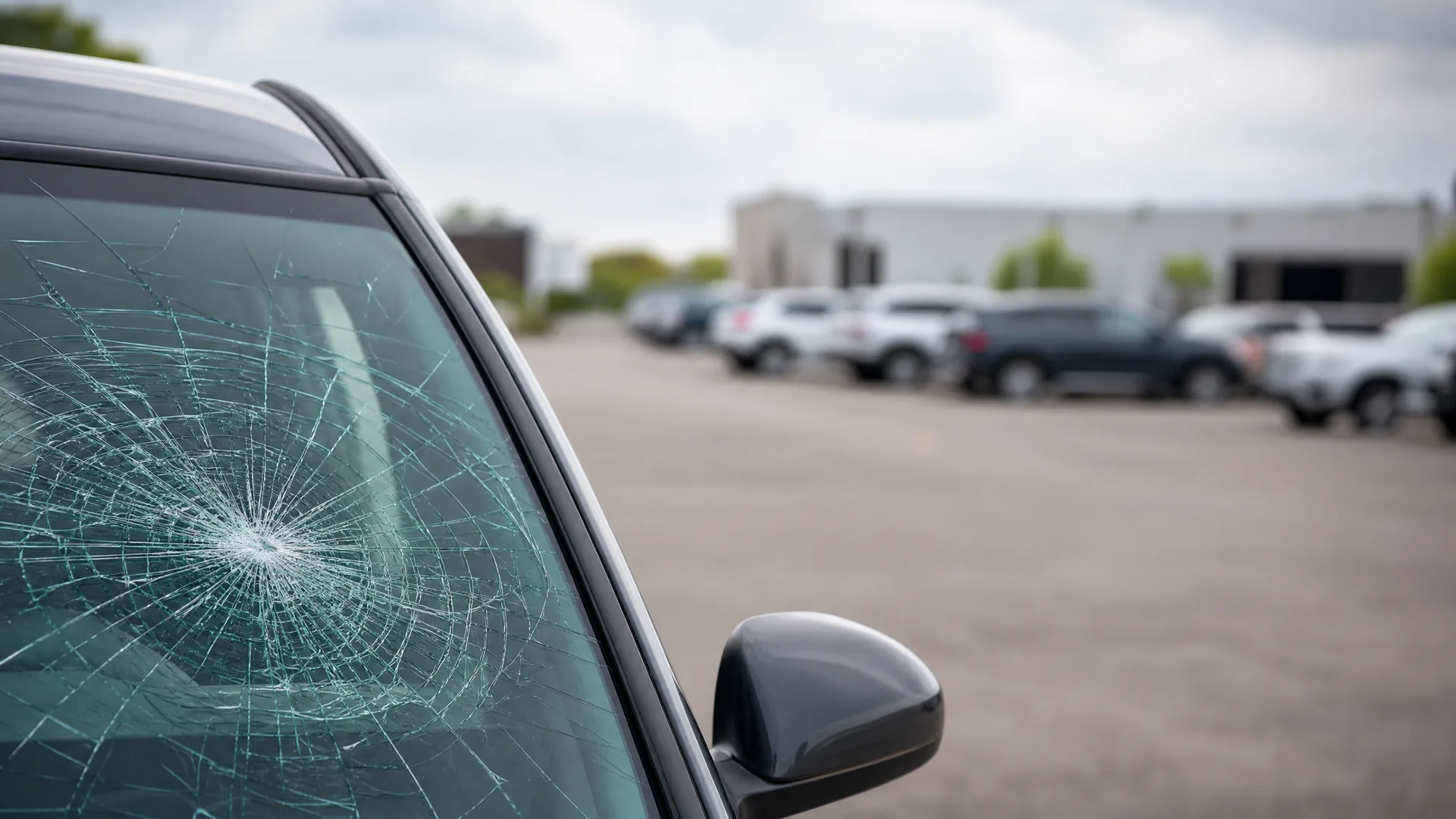
Your car is parked outside your house overnight and you wake up to a shattered windshield from a storm.
This doesn't pay, weather damage to a parked car is a comprehensive claim.
Once you know whether you're keeping, dropping, or adjusting your collision coverage, you can compare quotes with that decision already settled.
Questions people ask about this
What happens to collision coverage when my car loan is paid off?
Once the loan is paid off, keeping collision coverage becomes entirely your choice instead of a lender requirement. At that point, check what your car is currently worth and weigh that against what you're paying for the coverage. Many drivers reduce or drop it once there's no lender involved.
Does collision coverage follow the car or the driver?
It generally follows the car, so it applies no matter who's driving it with your permission. This can matter if a family member or caregiver sometimes drives your car. Check your specific policy, since rules can vary.
Can I add collision coverage back after dropping it?
Yes, you can usually add it back at your next renewal or by contacting your insurer directly. There may be a short gap before it takes effect, so don't assume it's active immediately. Ask what paperwork or inspection is needed before it's reinstated.
Does collision coverage cost more for older drivers?
Age alone isn't the main factor, what matters more is the car's value, how it's driven, and your driving record. Some insurers do factor in age as drivers get into their eighties. It varies by state and by insurer, so check your own policy or ask directly.
Is collision coverage required by law in New York?
Whether any particular coverage is required varies by state, and it's worth checking your own policy or your state's requirements directly. What's consistent everywhere is that lenders, not just state law, often require it while a car is financed.