Collision Coverage for Seniors in Delaware
Collision coverage pays to repair or replace your car after it hits another car or object, or flips over, no matter who caused it.
What collision coverage actually pays for
Covers
- Hitting another vehicle If you're at fault in a crash, this pays to fix or replace your own car, not the other driver's.
- Hitting a fixed object A mailbox, a guardrail, a parked car, a tree you backed into, this covers the damage to your vehicle.
- Single car rollovers If you lose control and your car flips or rolls, the damage is covered the same as any other collision.
- Potholes and road damage Hitting a pothole hard enough to damage the car counts as a collision, even though no other vehicle was involved.
- Total loss from a crash If the car is damaged beyond what it's worth to repair, this pays out its value instead of fixing it.
Doesn't cover
- Hitting a deer Animal strikes are treated as comprehensive claims, not collision, even though the damage can look the same.
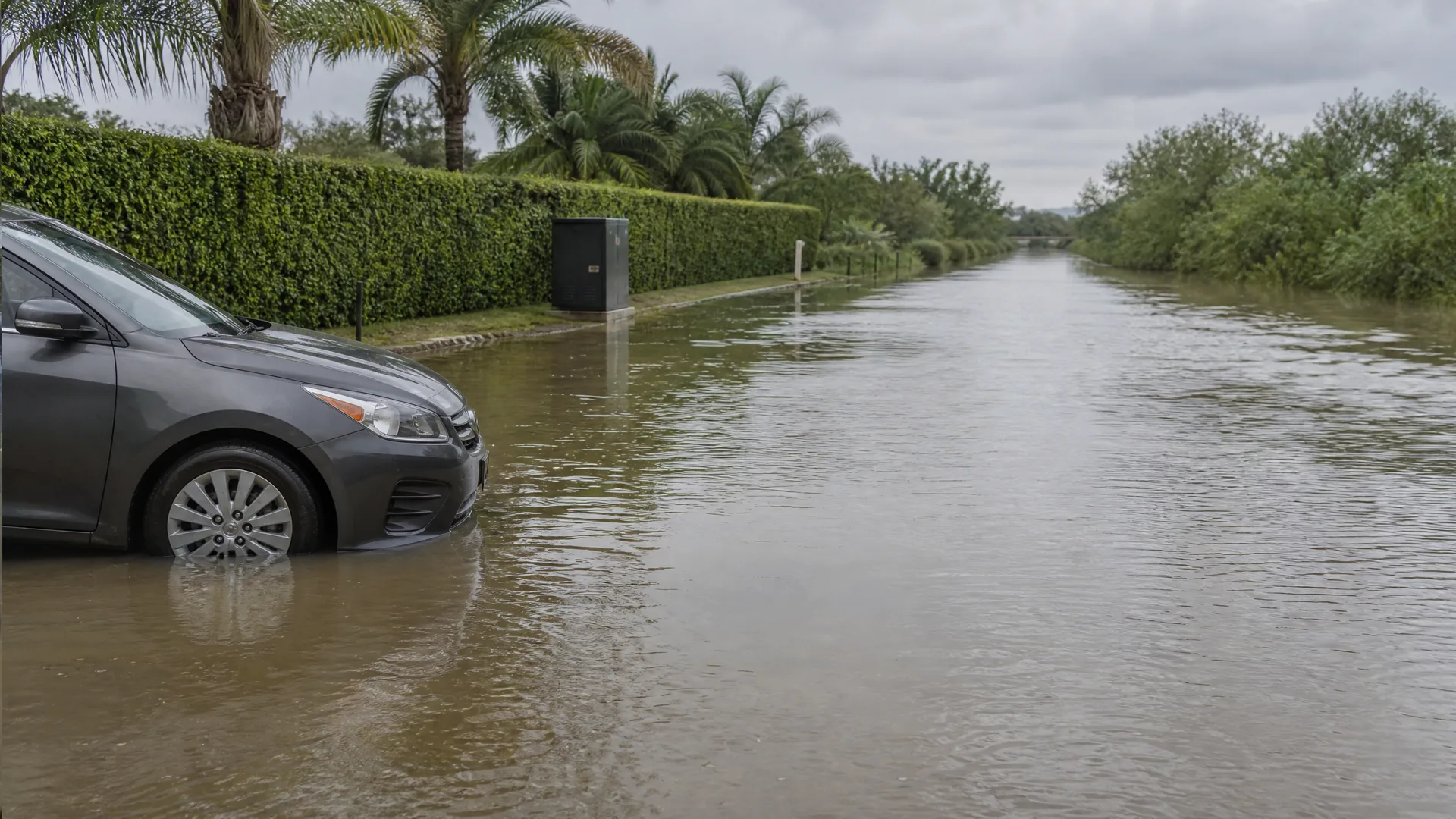
- Hail or storm damage Weather damage while the car is parked or driving falls under comprehensive coverage instead.
- Theft of the vehicle If the car is stolen, that's a comprehensive claim, collision only applies to impacts.
- Your own medical bills Collision pays for the car, not injuries. Medical payments or personal injury protection covers that, and whether it's required or offered varies by state.
- The other driver's car If you're at fault, the other driver's damage is paid through your liability coverage, a separate part of your policy.
For a lot of older drivers, this coverage is worth dropping, but not for everyone
The first question is simple: what is the car actually worth right now. If it's an older model with high mileage, the payout after a total loss could be small, sometimes barely more than a routine repair bill. Paying a premium every year for coverage that might return very little doesn't make sense once you do that math.
Whether the car is paid off matters too. A loan or lease usually requires collision coverage, so the decision isn't fully yours until that's settled. Once the car is owned outright, you get to weigh the cost against the payout yourself.
Think about what you could cover out of pocket without much trouble. If a sudden repair bill or the loss of the car wouldn't strain your savings, carrying this coverage on a lower value vehicle may just be an extra expense. If replacing the car would be a real financial hit, that changes the calculation even if the car is older.
How much you drive and where the car sits overnight also factor in. A car that mostly sits in a garage and only goes to the grocery store and back carries less risk than one driven daily on busy roads or highways. Less driving generally means less exposure, which is worth weighing against what you're paying to keep this coverage in place.
How a collision claim actually goes
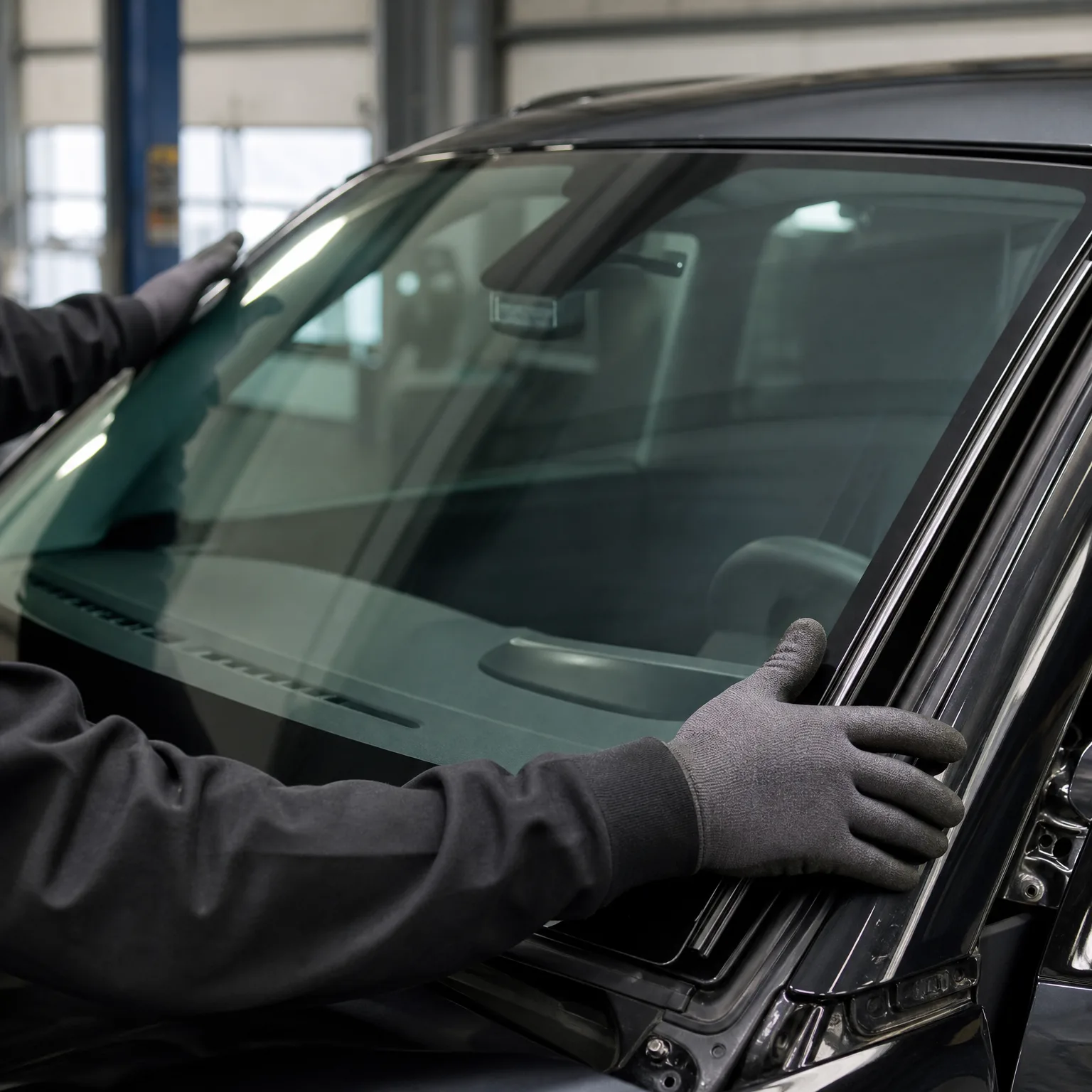
You pay a deductible before this coverage kicks in, and that amount is something you chose when you set up the policy. The lower the deductible, the more the coverage costs, so it's worth checking what yours is actually set to rather than assuming.
After an accident, you report the claim, an adjuster or shop estimates the damage, and the insurer pays out based on either the cost to repair the car or its current value, whichever is less. If the repair costs more than the car is worth, it's declared a total loss and you're paid the value instead.
Have your policy information, photos of the damage, and a description of what happened ready when you file. If another driver was involved, their information matters too, even on a claim you're filing under your own collision coverage.
The payout covers the vehicle itself. It doesn't cover a rental car while yours is being fixed unless you added that separately, and it won't cover any items that were inside the car at the time.
Collision coverage versus comprehensive coverage
Collision coverage
This pays for damage from hitting another vehicle or object, or from rolling over, regardless of who's at fault. It's tied to impacts you're involved in while driving.
Comprehensive coverage
This pays for damage that happens to the car outside of a collision, like weather, animal strikes, theft, vandalism, or a falling tree branch. It covers things that happen to the car rather than things the car runs into.
If you're deciding whether to keep one but not the other, think about which risk actually applies to how and where you drive.
Real situations
You're driving home at dusk on a rural road and a deer runs into your path, damaging the front of the car.
This is a comprehensive claim, not collision, since no other vehicle or fixed object was involved.
A sudden hailstorm hits while your car is parked at church and leaves dents across the hood and roof.
Collision doesn't pay here either, since weather damage falls under comprehensive coverage.
You misjudge a turn into your driveway and scrape the car against the brick mailbox post, denting the fender.
This is exactly what collision coverage pays for, since it's damage from hitting a fixed object.
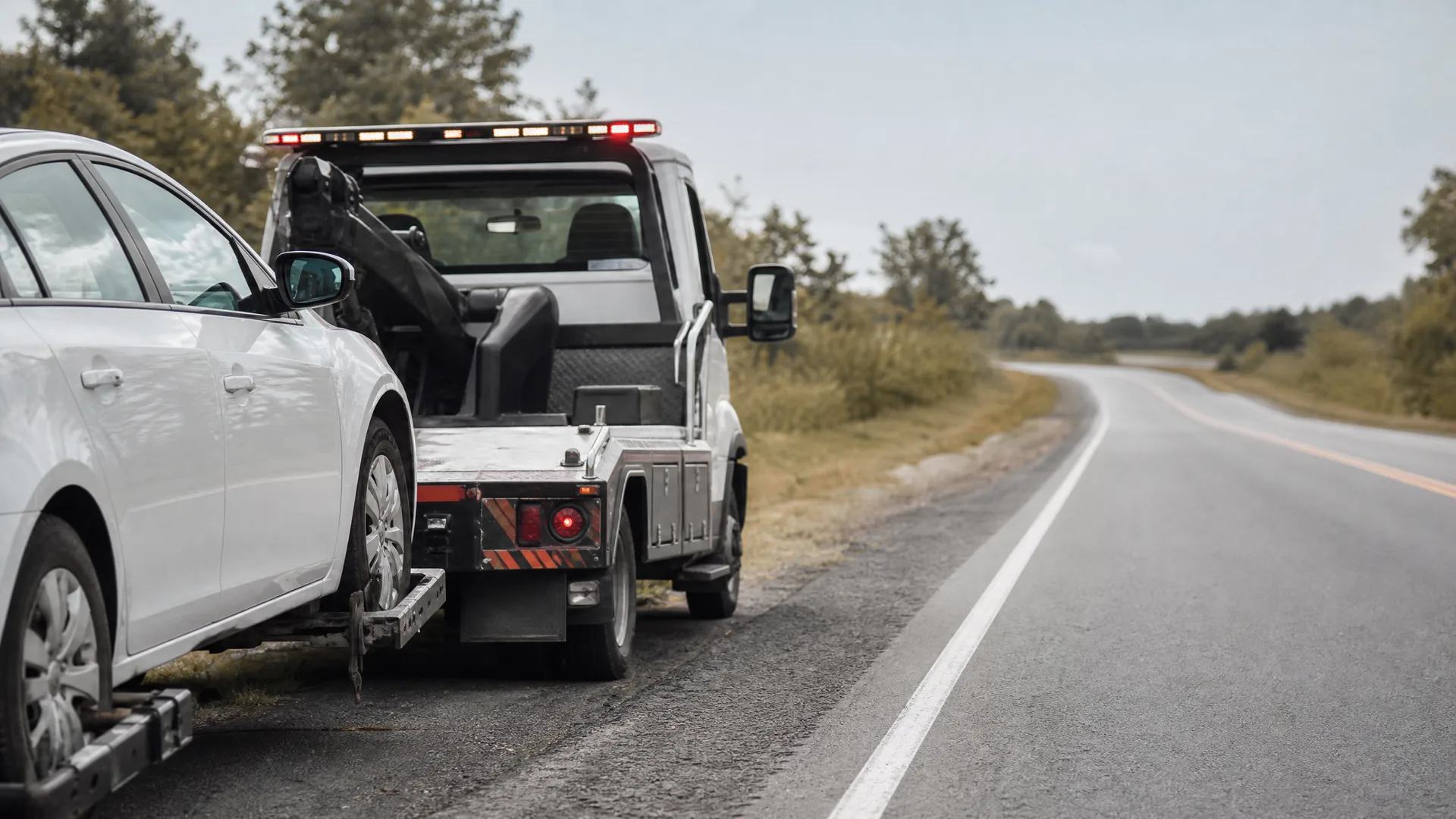
Once you know whether you're keeping, dropping, or adjusting this coverage, you can compare quotes with that decision already settled.
Questions people ask about this
Can I drop collision coverage on an old car?
Yes, as long as the car is paid off and not leased or financed. Lenders generally require it while there's a loan, but once you own the car outright, it's your choice whether the payout would be worth the premium.
What happens if I total a car with a loan still on it?
The payout goes toward what's left on the loan first, and you may still owe money if the loan balance is higher than the car's value. Ask your lender about gap coverage if this is a concern, since collision alone won't cover that difference.
Does collision coverage follow the car or the driver?
It follows the car listed on the policy, so whoever is driving it with permission is generally covered. Check your specific policy for any restrictions on other drivers, since details can vary.
Will my rates go up after a collision claim?
Often yes, though how much depends on your insurer, your claims history, and your state's rules. It's worth asking your agent directly how a claim would affect your renewal before you decide whether to file one for minor damage.
Is collision coverage required by law?
No, it's not required by law the way liability coverage often is, though whether liability itself is required varies by state. Collision is usually optional unless a lender requires it as a condition of financing.