Collision Coverage for Seniors in Oklahoma
Collision coverage pays to repair or replace your own car after it hits another vehicle or object, or rolls over, no matter who caused it.
What collision coverage actually pays for
Covers
- Hitting another vehicle If you're at fault in a crash, this pays to fix your car even though liability coverage handles the other driver's car.
- Hitting a fixed object A mailbox, a guardrail, a light pole, your own garage door, all of it falls under collision if your car is damaged.
- Single car rollovers If your car flips or rolls, whether from losing control or overcorrecting, the damage is still treated as a collision claim.
- Potholes and road damage Hitting a deep pothole or a piece of debris in the road counts as collision even though no other car is involved.
- Parking lot accidents Backing into a pole or getting clipped by another car while parked counts, even at low speed.
Doesn't cover
- Deer and animal strikes Hitting an animal falls under comprehensive coverage instead, since it's treated as outside your control in a different way.
- Hail and storm damage Weather damage to a parked or moving car is a comprehensive claim, not a collision one.
- Theft or vandalism If your car is stolen or keyed in a parking lot, that's comprehensive coverage, not collision.
- Medical bills Your own injuries or a passenger's are handled under medical payments or personal injury protection, not collision.
- Mechanical breakdowns A failed transmission or a dead battery has nothing to do with a collision, no matter how sudden it feels.
For a lot of older drivers, this coverage quietly stops making sense
The honest answer depends mostly on what your car is worth right now, not what you paid for it years ago. If the car is older and its value has dropped a lot, the most collision coverage will ever pay is that lower value, minus your deductible. At some point the yearly cost of carrying it gets close to what the car itself is worth, and that math is worth doing honestly rather than assuming the coverage still pencils out.
If the car is paid off and you could cover a full loss from savings without real strain, dropping collision is a reasonable choice many longtime drivers make. If a lender still holds the loan, you likely don't have that choice yet, since most lenders require it until the loan is paid off.
How much you drive matters too. A car that mostly sits in the garage and makes short trips to church, the pharmacy, or a grandchild's house carries less risk than one driven daily on the highway. Less driving doesn't eliminate risk, but it does change how much you're likely to ever collect against what you're paying in.
Where the car sits overnight and how it's used matters less for collision than for comprehensive, but it still plays into the full picture. If you're on the fence, look at the car's current value, not its sentimental value, and let that number guide the decision.
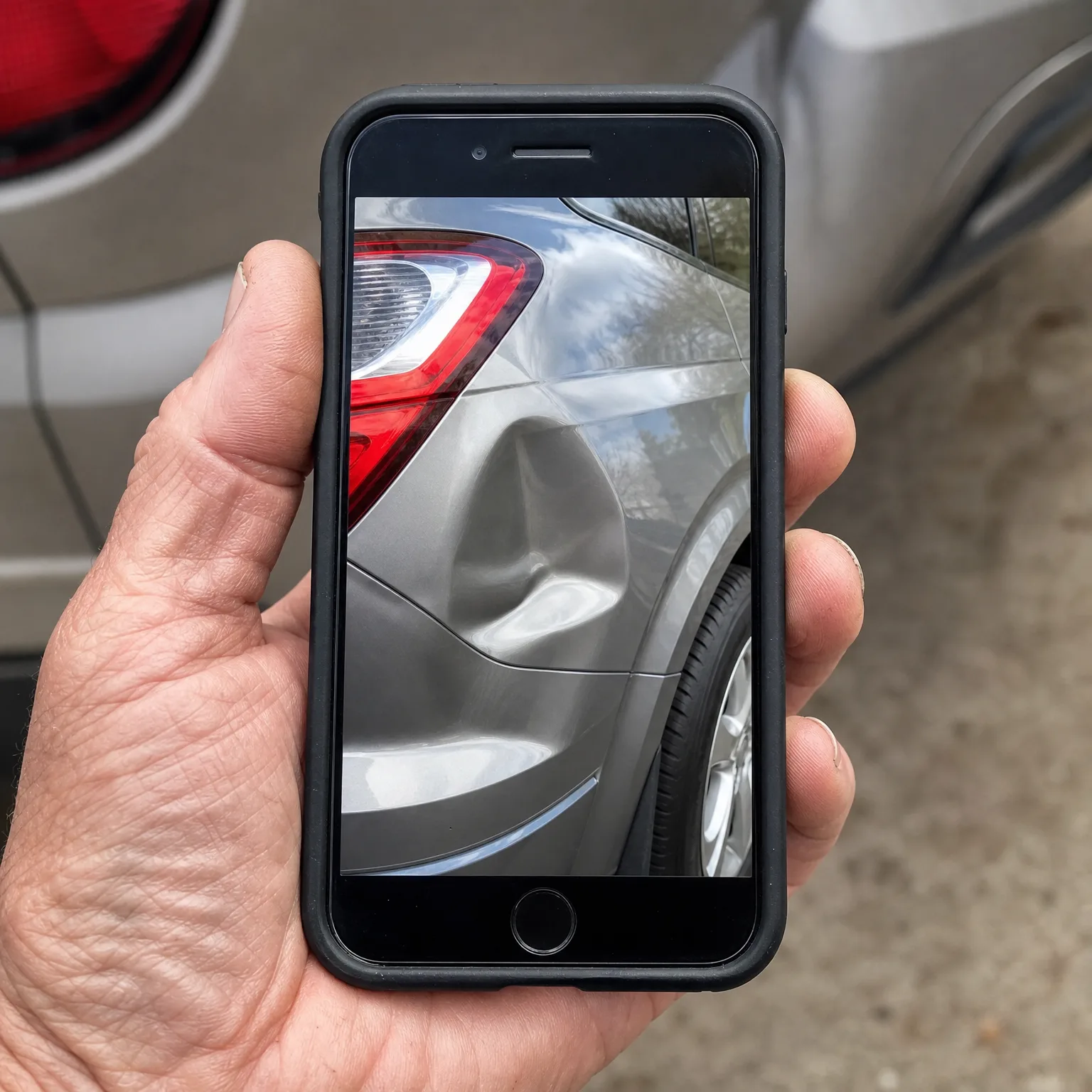
What happens when you actually file a claim
You pay your deductible first, and the insurer covers the rest of the repair cost up to the car's value. If the repair costs more than the car is worth, the insurer will usually declare it a total loss and pay you the car's value instead of fixing it, again minus your deductible. That number can come as a surprise if you haven't checked your car's value in years.
A typical claim starts with reporting the accident and getting an estimate, either through a shop the insurer suggests or one you choose yourself. Someone will inspect the damage, in person or digitally, before the repair is approved. Keep your policy number, a description of what happened, and any photos from the scene handy, since that speeds things along.
The payout covers the physical damage to your car only. It won't cover a rental car unless you've added that separately, and it won't cover anything you were hauling in the trunk or back seat. If another driver was clearly at fault, your insurer may pursue reimbursement from their insurer afterward, which can eventually refund part or all of your deductible.
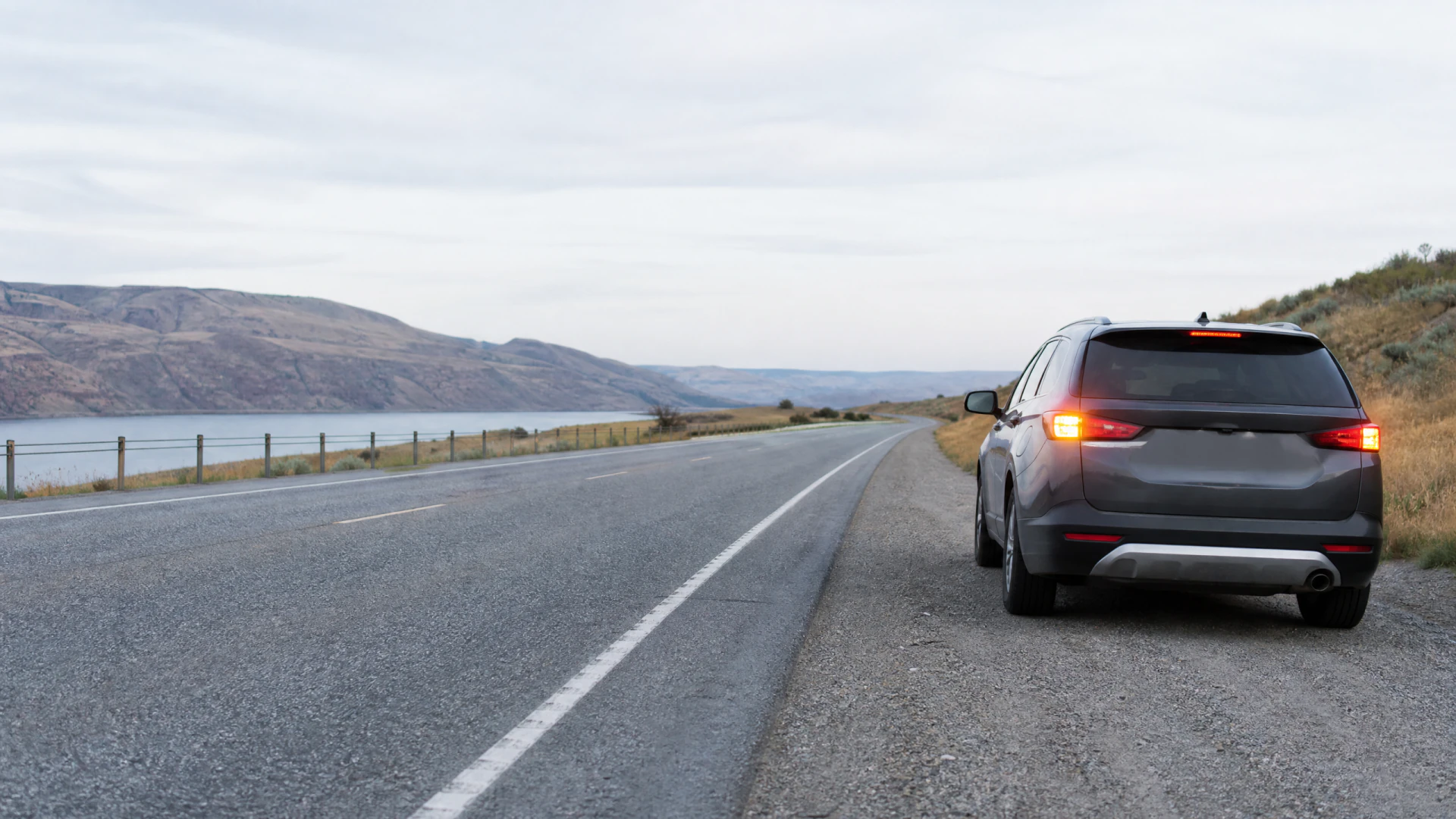
Collision versus comprehensive coverage
Collision coverage
This pays for damage from a crash with another vehicle or object, or from your car rolling over, regardless of fault. It's about impacts you're involved in while driving.
Comprehensive coverage
This pays for damage from things other than a collision, like hail, fire, theft, vandalism, or hitting an animal. It covers your car even when it's parked and you're nowhere near it.
If you drive rarely but park outside in weather or near wildlife, comprehensive may matter more to you than collision does.
Real situations
You're driving home at dusk on a county road and a deer runs out in front of you, and you can't stop in time.
Collision doesn't pay here, since hitting an animal falls under comprehensive coverage instead.
You're pulling out of a parking space at the grocery store and misjudge the distance, backing into a concrete pillar.
Collision pays for this, since it's damage from hitting a fixed object while driving.
A hailstorm rolls through while your car is parked at church and dents the hood and roof.
Collision doesn't pay here either, since weather damage is handled under comprehensive coverage.
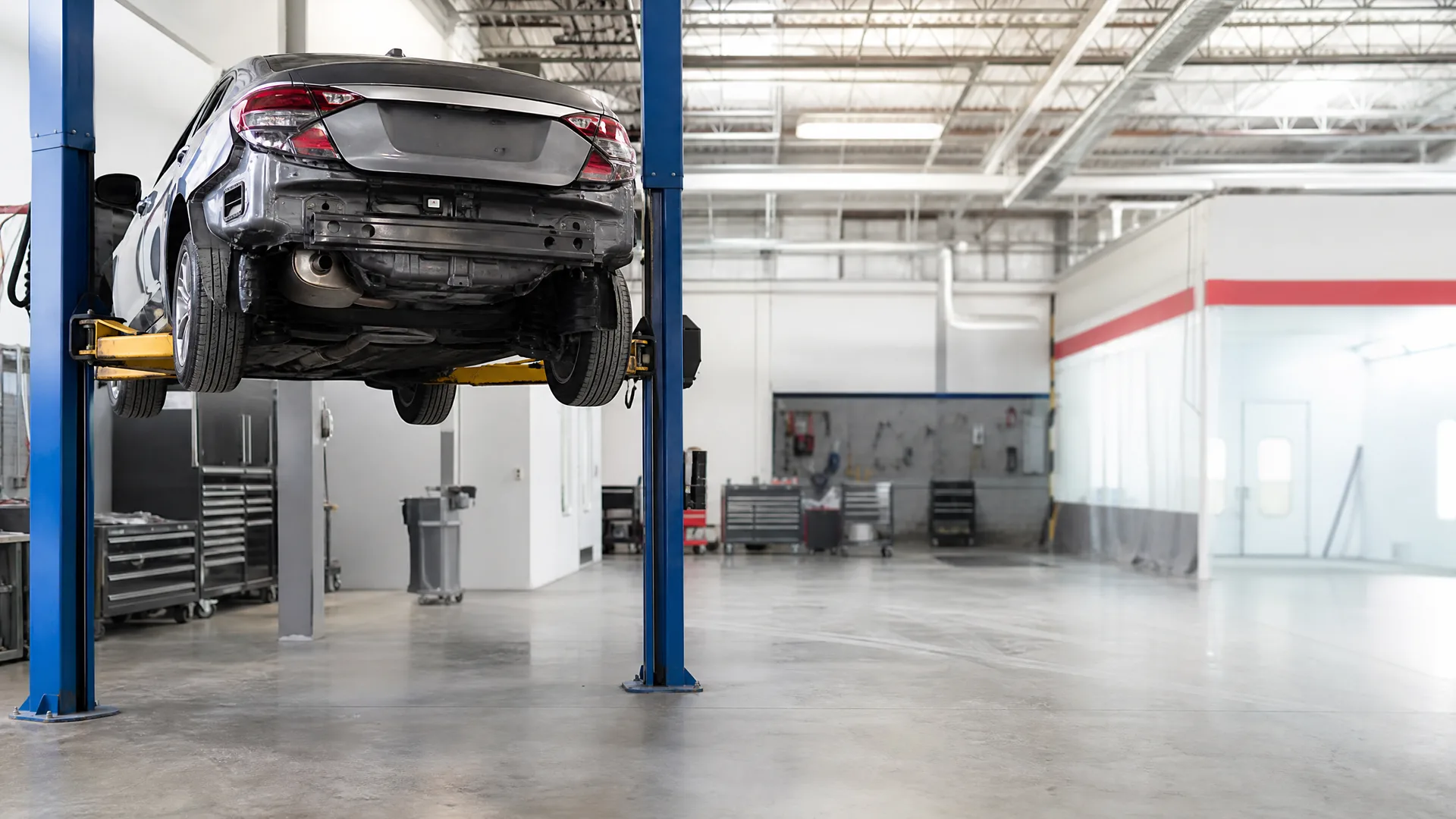
Once you know whether collision coverage fits your car and how you drive, you're ready to compare quotes with that decision already made.
Questions people ask about this
What is my deductible supposed to be for collision coverage?
It's the amount you agreed to pay out of pocket before the coverage pays the rest, and it's listed right on your policy. A higher deductible usually lowers what you pay for the coverage, while a lower one raises it. Check your declarations page if you're not sure what yours is currently set to.
Can I drop collision coverage if my car is paid off?
Yes, once there's no lender requiring it, the choice is yours. Whether it makes sense depends on the car's current value and whether you could cover a full loss from savings. Some drivers keep it anyway for peace of mind even after the loan is gone.
Does collision coverage follow me if I drive someone else's car?
Often yes, but it depends on your policy's specific language and whether the other person has their own coverage too. This varies enough that it's worth checking your policy directly or asking your agent before you assume you're covered. Borrowed car situations are one of the more commonly misunderstood parts of a policy.
Will my rates go up after a collision claim?
That depends on your insurer's rules and whether the accident was your fault, and it can vary by state as well. A not-at-fault claim often has less impact than one where you were responsible. Ask your agent directly how your specific policy handles this before you file, if you have the option to wait.
Is collision coverage required by law in Oklahoma?
Whether any specific coverage is required or optional varies by state, so check your own policy or your state's requirements directly. Liability coverage is the one most commonly required, while collision is often optional unless a lender requires it. Your policy documents will spell out exactly what you're carrying and why.