Collision Coverage for Seniors in Ohio
Collision coverage pays to repair or replace your car when it hits another vehicle or object, or flips, no matter who caused it.
What collision coverage pays for
Covers
- Hitting another vehicle If you're at fault in a crash with another car, it pays to fix yours.
- Hitting a fixed object A mailbox, a guardrail, a garage door, a tree, any of these are covered if you hit them while driving.
- Single-car rollovers If you lose control and the car flips or rolls, the damage is covered even with no other car involved.
- Potholes and road damage Striking a pothole hard enough to damage the car's body or undercarriage falls under this coverage.
- Hit-and-run collisions If someone hits you and drives off, this coverage pays to repair your car since there's no other driver to collect from.
Doesn't cover
- Hitting a deer Animal strikes are handled by comprehensive coverage, not collision, since there's no crash with a vehicle or fixed object in the usual sense.
- Hail or storm damage Weather damage while the car is parked is a comprehensive claim, not a collision one.
- Theft of the car If the car is stolen, that loss falls under comprehensive coverage instead.
- Medical bills from the crash Your own injuries are handled by medical payments or personal injury protection, and the other driver's by liability.
- Mechanical breakdown A transmission failure or engine trouble isn't a collision, so this coverage doesn't apply to ordinary wear or mechanical failure.
Worth it if the car is worth enough to make it worth it
The honest test is simple. Take what your car would sell for today and compare it to what you'd pay out of pocket to drop this coverage. If the car is older and worth little, you may be paying a steady cost to protect a small payout, and that math doesn't improve with age, only with the car's value.
If the car is paid off, you get to make this choice freely. A lender usually requires collision coverage while there's a loan or lease, but once it's yours outright, you can decide based on what you can actually absorb if something happens. Some drivers in their seventies and eighties with older, paid-off cars choose to drop it and self-insure that risk.
How much you drive matters too. A car that mostly sits in the garage and makes occasional trips to the store or church carries less risk than one driven daily on the highway. Less time on the road means fewer chances for a collision, which is worth weighing against what the coverage costs you every year regardless of how little you drive.
Where the car spends its time matters as well. A car kept in a garage overnight and driven mostly on familiar local roads faces a different risk than one parked on the street or driven often after dark, when reaction times and visibility work against any driver.

What happens when you actually use it
You pay a deductible, and the coverage pays the rest, up to what your car is worth. You choose that deductible when you set up the policy, and a higher one lowers what you pay for the coverage but means you cover more of any claim yourself. After a crash, you report the damage, and the insurer or an appraiser looks at the car to decide whether it can be repaired or whether it's a total loss.
If it can be repaired, the payment covers the shop's cost to fix it, minus your deductible. If the cost to repair is close to or more than the car's value, the insurer will usually declare it a total loss and pay you that value instead, again minus the deductible. That payout is based on the car's actual worth right before the crash, not what you paid for it or what it would cost to replace with something newer.
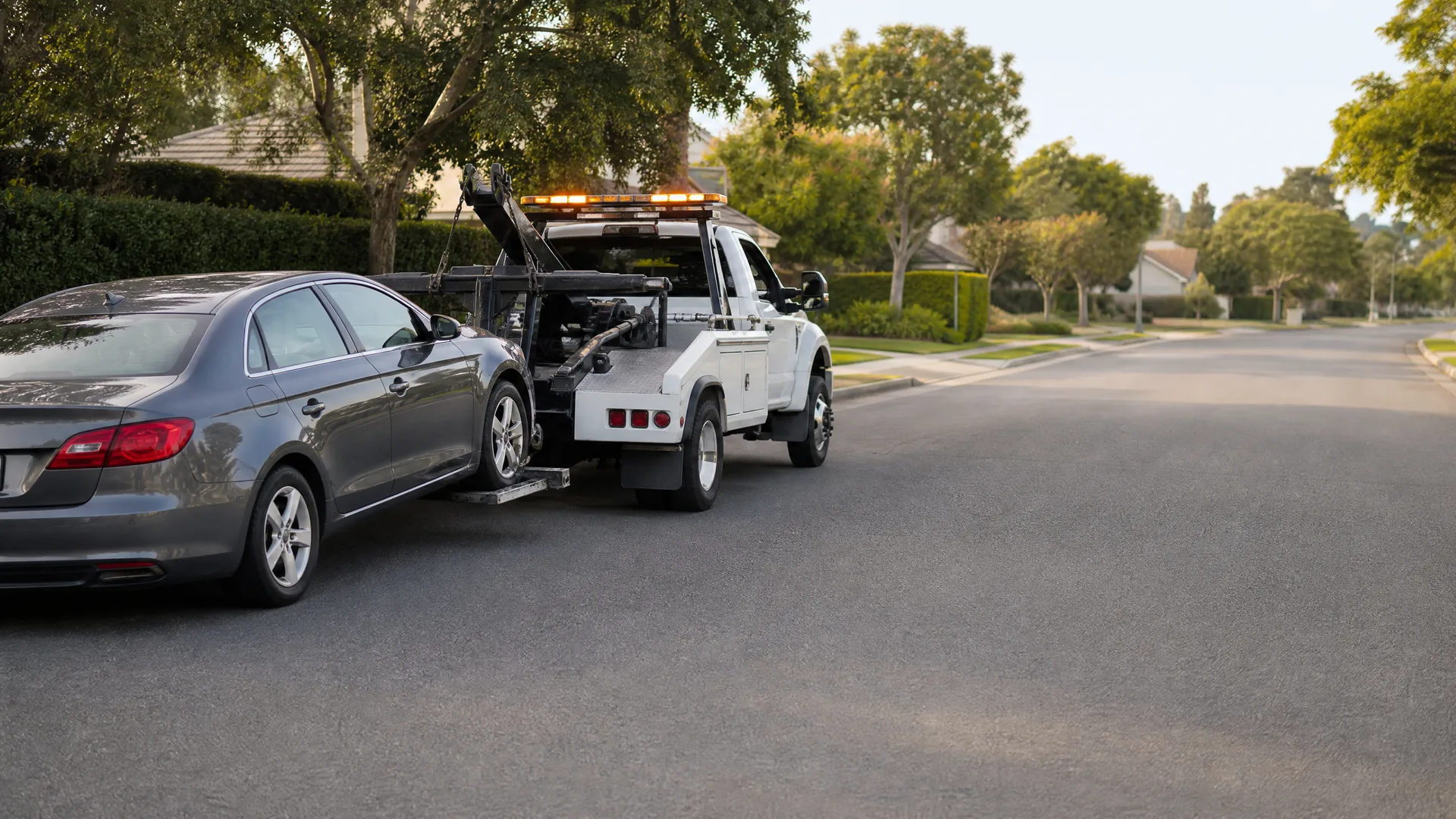
Have your policy information, the other driver's details if there was one, and photos of the damage and the scene ready when you report it. If the car isn't safe to drive, ask about towing and a replacement vehicle, since both are sometimes handled through other parts of your policy rather than this one.
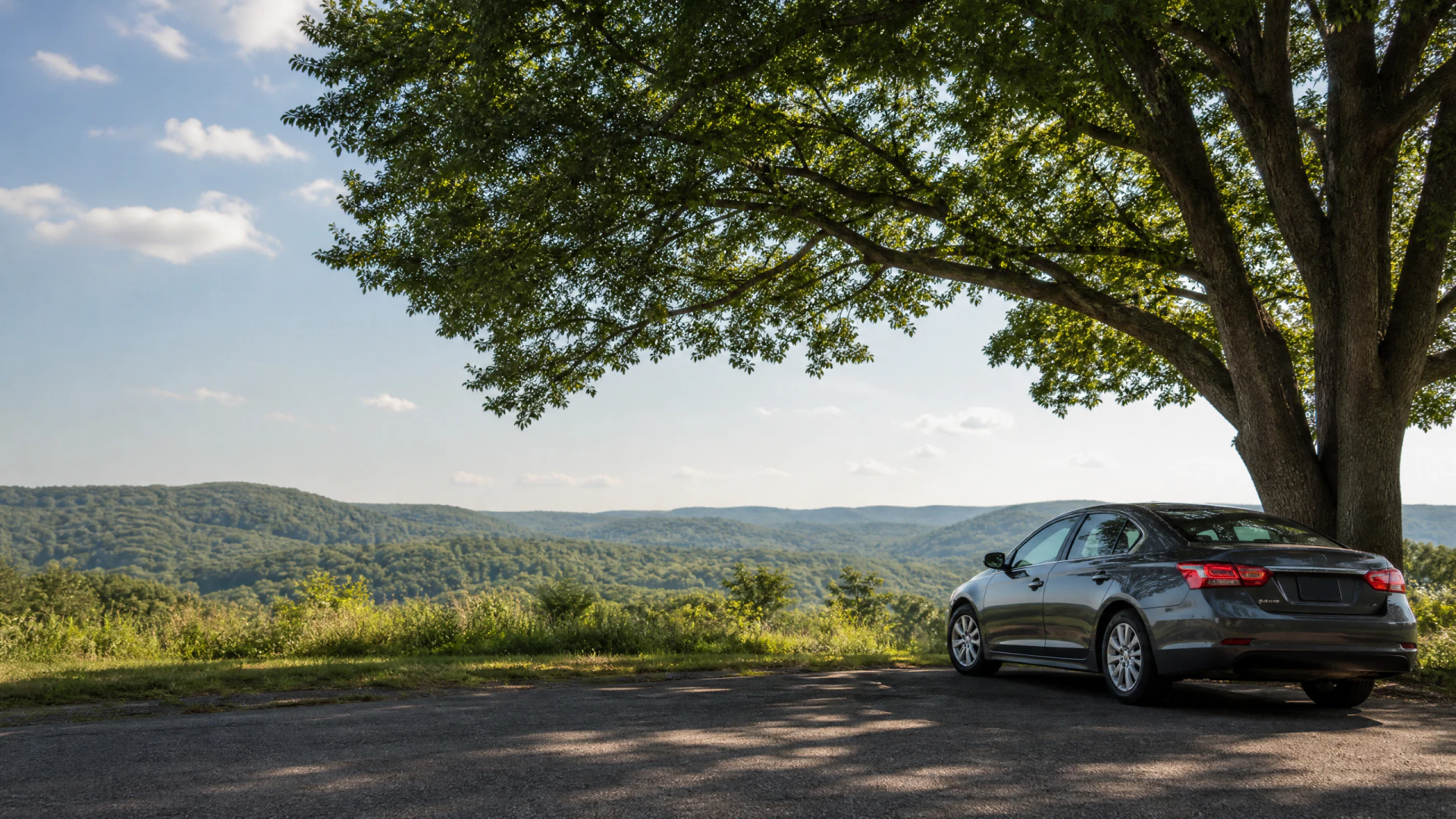
Collision vs. comprehensive coverage
Collision coverage
This pays for damage from hitting another car or object, or from flipping over, regardless of fault. It's the coverage for crashes you're involved in while driving.
Comprehensive coverage
This pays for damage that happens to the car when you're not driving it into something, like theft, fire, falling branches, hail, or hitting an animal. The two are usually sold together but are priced and triggered separately.
If you're deciding whether to carry both, think about which risk worries you more, crashes on the road or damage while the car just sits there, since dropping one doesn't affect the other.
Real situations
You're pulling out of a parking lot after church and clip a parked car that you didn't see.
This coverage pays for the damage to your car, minus your deductible, since you were driving and hit another vehicle.
A deer runs into the road at dusk on a county highway and you can't avoid it.
This coverage doesn't pay here, since an animal strike falls under comprehensive coverage instead.
Hail hits your car while it's parked in the driveway overnight during a storm.
This coverage doesn't pay for this either, since the car wasn't in motion and nothing was struck by driving.
Once you know whether you're keeping, adding, or dropping this coverage, you can compare quotes with that decision already settled.
Questions people ask about this
Do I need collision coverage if my car is paid off?
No, once a car is paid off you're free to drop collision coverage if you choose. The decision then comes down to what the car is worth and whether you could cover a repair or replacement yourself. Many drivers keep it anyway for the peace of mind, even without a lender requiring it.
What is my car actually worth for a collision claim?
It's based on the car's market value right before the damage happened, not what you paid for it originally. Insurers look at comparable sales of similar age, mileage, and condition in your area. You can get a rough sense yourself by checking what similar used cars are selling for nearby.
Can I choose a higher deductible to lower my payment?
Yes, raising your deductible is one of the most direct ways to lower what you pay for this coverage. The tradeoff is that you'll cover more of the cost yourself if you ever file a claim. It's worth picking a deductible you could actually afford to pay out of pocket without strain.
What happens if the repair costs more than the car is worth?
The insurer will typically declare it a total loss and pay you the car's value instead of paying for the repair. You keep that payout minus your deductible, and the insurer usually takes the damaged car. At that point you decide whether to replace it or go without.
Should I drop collision coverage on an older second car?
It depends on the car's value and how often it's driven, not its age alone. A second car driven rarely and worth little may not be worth the steady cost of carrying this coverage. Check what the car would sell for today before deciding either way.