Collision Coverage for Seniors in North Dakota
Collision coverage pays to repair or replace your car after it hits another vehicle or object, or rolls over, no matter who caused the accident.
What collision coverage pays for
Covers
- Hitting another vehicle If you're at fault in a crash, this pays to fix your own car regardless of the other driver's insurance.
- Hitting a fixed object A mailbox, a guardrail, a fence post, or a tree you backed into are all covered the same way.
- Single car rollovers If you lose control and flip or roll the car without hitting anything else, this coverage still applies.
- Potholes and road damage Damage from hitting a pothole or a piece of road debris falls under collision, not comprehensive.
- Hit and run damage If another driver hits you and leaves, this coverage pays for your car since there's no one else to collect from.
Doesn't cover
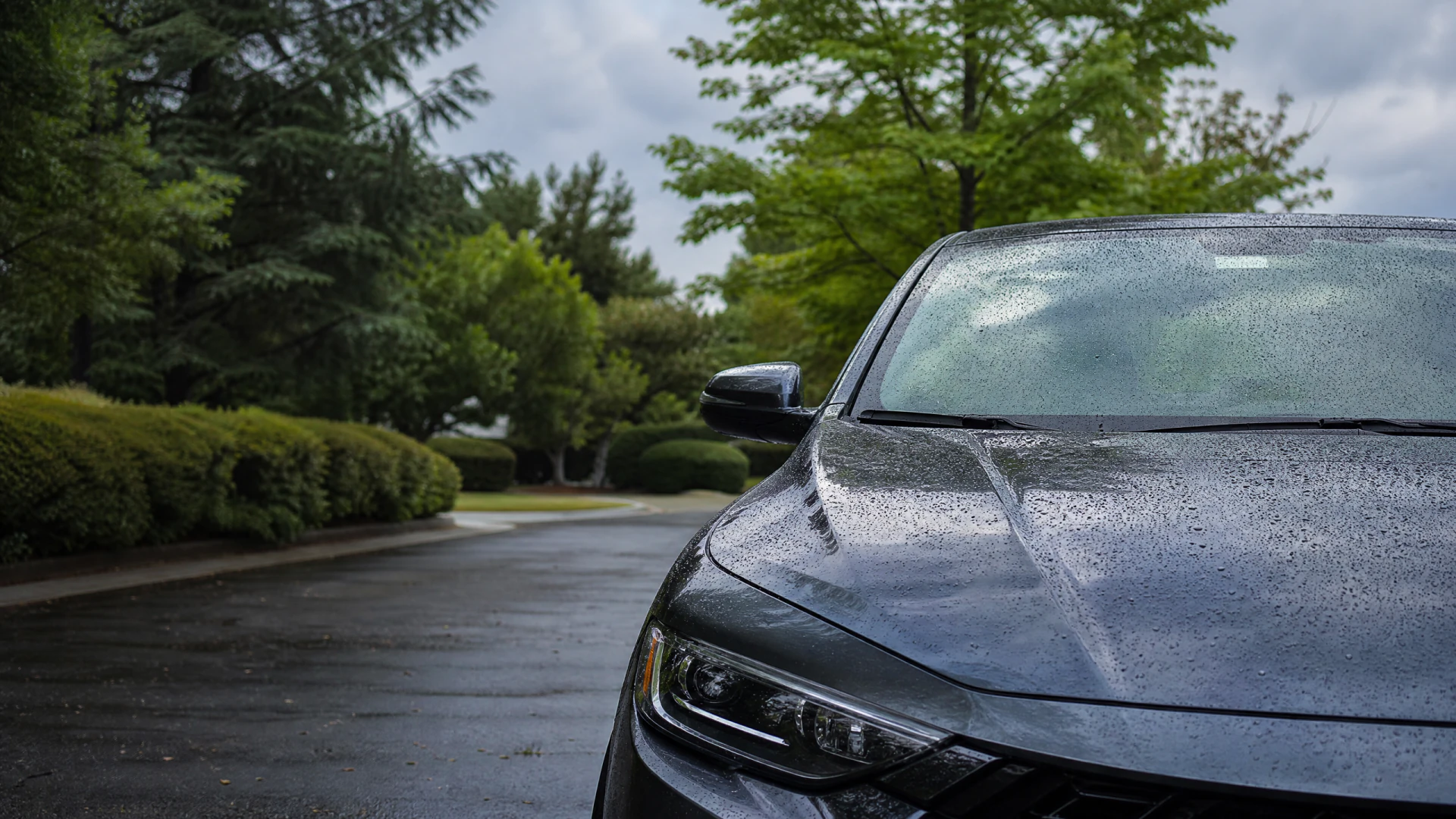
- Hail and storm damage Weather damage falls under comprehensive coverage, not collision, even though people often mix the two up.
- A deer or other animal strike Hitting an animal is treated as comprehensive, since you didn't collide with another vehicle through normal driving.
- Theft of the vehicle If the car is stolen, that loss is handled by comprehensive coverage instead.
- Mechanical breakdown A failed transmission or a dead engine isn't an accident, so collision coverage doesn't apply.
- Injuries to you or passengers Medical costs from a crash are handled by medical payments coverage, personal injury protection, or health insurance.
Whether you need it depends mostly on what the car is worth
If your car is paid off and worth very little, collision coverage may cost more over time than it would ever pay out. Insurers won't pay more than the car's value, so an old car with high mileage might not be worth insuring this way at all. Check what your car is actually worth before deciding, not just what you paid for it years ago.
If the car still has a loan against it, the lender almost certainly requires collision coverage, so this isn't a choice you get to make yet. Once it's paid off, the decision becomes yours.
Think about what you could cover out of pocket if the car were totaled tomorrow. If replacing it wouldn't strain your savings, you may be comfortable carrying less coverage or none at all. If it would, keeping the coverage protects you from a bigger loss than the premium.
How much you drive and where the car sits matter too. A car that mostly stays in the garage and takes short trips to church or the grocery store carries less risk than one driven daily on highways. A lower-mileage life doesn't eliminate risk, but it does change the math.
How a claim actually works
When you file a collision claim, you pay your deductible first and the insurer covers the rest of the repair or replacement cost, up to the car's value. If the cost to fix the car exceeds what it's worth, the insurer will declare it a total loss and pay you that value instead of repairing it.
After an accident, you'll typically get the car inspected or appraised, choose a repair shop, and get a written estimate. Keep photos of the damage, your police report if one was filed, and any paperwork from the other driver if someone else was involved.
The payment covers the vehicle itself. It won't cover a rental car unless you added that coverage separately, and it won't cover anything you were carrying in the car at the time.
If the accident wasn't your fault, your insurer may pursue the other driver's insurance afterward to recover what they paid, which can sometimes reduce or refund your deductible.
Collision versus comprehensive coverage
Collision coverage
This pays for damage from hitting another vehicle or object, or from a rollover. It applies regardless of who caused the accident.
Comprehensive coverage
This pays for damage that isn't a collision, like hail, fire, theft, vandalism, or hitting an animal. The two coverages are usually sold together but protect against different events.
If you're deciding whether to keep coverage on an older car, think about both together, since dropping one without the other can leave gaps you didn't intend.
Real situations
You're driving home at dusk on a county road and a deer runs into your path, damaging the front of your car.
This doesn't pay, since animal strikes fall under comprehensive coverage instead.
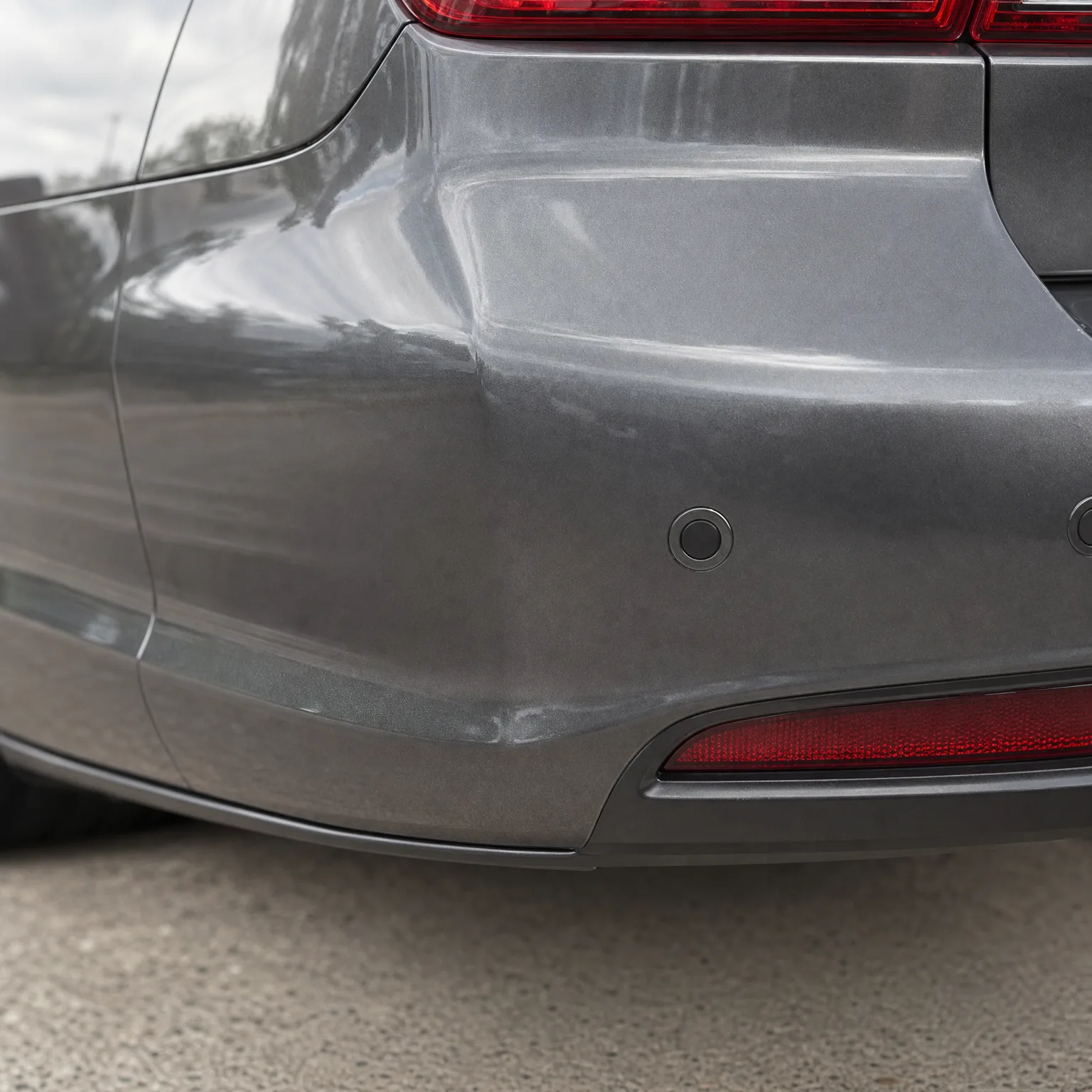
You back out of a parking space at the pharmacy and clip a concrete post, denting the rear bumper.
This pays, since hitting a fixed object is a collision claim regardless of fault.
Another car runs a stop sign and hits you, then drives off before you can get a license plate.
This pays, since hit and run damage to your own car is covered under collision.
Once you know whether you want to keep, add, or drop collision coverage, compare quotes with that decision already settled so you're only shopping for the right price.
Questions people ask about this
Is collision coverage required by law?
No, collision coverage is not required by law anywhere, though a lender may require it while you're still paying off the car. Whether it's offered and how it's packaged can vary by state, so check your own policy for the details. Once the loan is paid off, carrying it becomes optional.
Does collision coverage go down as my car gets older?
The premium often drops as a car's value declines, since the most the insurer would ever pay is tied to that value. Some people lower their coverage or drop it entirely once the car is worth very little. Ask your agent to show you the car's current valuation so you can judge whether the premium still makes sense.
Can I add collision coverage back after dropping it?
Yes, in most cases you can add it back at your next renewal or anytime you contact your insurer. There may be a brief gap where the car isn't covered for collision until the new coverage takes effect. If you're unsure, ask the insurer when coverage actually starts before you cancel anything else.
Will my rates go up if I use collision coverage after an at fault accident?
Often yes, since insurers price future premiums partly based on accident history. How much it increases and for how long varies by insurer and by state, so ask your agent directly. Some policies offer accident forgiveness for a first claim, which is worth asking about if you've had a long clean record.
Does collision coverage pay for a rental car while mine is repaired?
No, not by itself. Rental car reimbursement is a separate add on that pays for a replacement vehicle while yours is in the shop. If being without a car for repairs would be a real hardship, it's worth asking your agent what that add on costs.