Collision Coverage for Seniors in North Carolina
Collision coverage pays to repair or replace your own car after it hits another vehicle or object, or flips over, no matter who caused it.
What this coverage pays for
Covers
- Hitting another vehicle If you're at fault in a crash, this pays to fix or replace your car even though your own mistake caused it.
- Hitting a fixed object A mailbox, a guardrail, a fence post, a garage door, any of these are covered if your car does the hitting.
- Single car rollovers If you lose control and your car flips or lands in a ditch with no other vehicle involved, this still applies.
- Potholes and road damage Hitting a pothole hard enough to damage the car counts as a collision even though the road itself didn't hit back.
- Parking lot mishaps Backing into a post or clipping a cart corral in a lot is treated the same as any other collision.
Doesn't cover
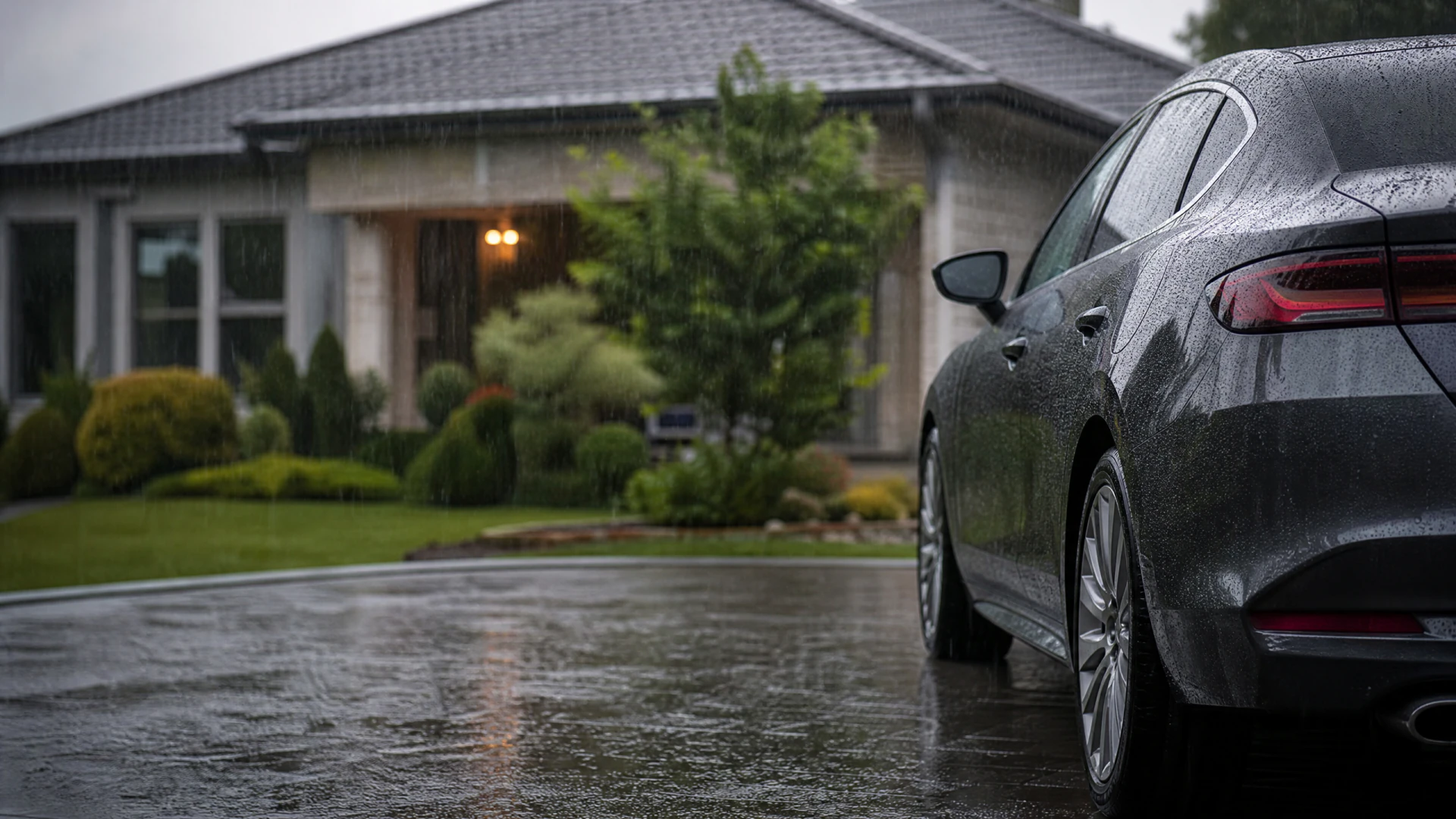
- Hail or storm damage Weather damage falls under comprehensive coverage, not collision, even though people often expect the opposite.
- A deer or animal strike Hitting an animal is also a comprehensive claim, since there's no other vehicle and it isn't a crash you caused by driving.
- Theft of the car If the car is stolen outright, that loss is handled by comprehensive coverage instead.
- Medical bills from the crash Your own injuries or a passenger's are handled by medical payments or personal injury protection, not this coverage.
- The other driver's car Damage to the other person's vehicle is paid through your liability coverage, a separate part of the policy.
- Mechanical breakdowns A failed transmission or a dead battery isn't a collision, so it isn't covered here at all.
Whether it's worth keeping depends on the car, not your age
The decision really comes down to what the car is worth. If you could sell it today for a modest amount, the payout after a claim may not be much more than what you've paid in premiums over a few years. A car that's paid off and worth very little is the clearest case for dropping this coverage.
Think about what you could absorb from savings without much strain. If a totaled car wouldn't change your financial footing, carrying this coverage is more of a convenience than a necessity. If replacing the car would be a real hardship, that's a strong reason to keep it, regardless of how old you are.
How much you drive matters too. Someone who still commutes daily or takes long highway trips faces more exposure than someone who mostly drives to church, the pharmacy and a few regular stops nearby. Less time on the road means fewer chances for a claim, which shifts the math toward dropping it on an older car.
Where the car spends its time also plays a part. A car that sits in a garage most of the week has less exposure than one parked on a busy street or driven often in unfamiliar traffic. None of this is about being an older driver specifically. It's about the car's value and your own ability to absorb a loss.

What happens when you actually use it
You'll owe a deductible, an amount you agreed to when you set up the policy, and the insurer covers the repair or replacement cost above that. If the car is declared a total loss, the payout is based on what the car was worth right before the crash, not what you originally paid for it or what you owe on a loan.
After a crash, you report the claim, and an adjuster evaluates the damage, either in person or through photos and a repair estimate from a shop. If the repair costs less than the car is worth, they'll authorize the repair. If it costs more, they'll typically total the car and pay you its value instead.
Have your policy information, the other driver's information if there was one, and photos of the damage and the scene ready when you call. A police report helps if one was filed, though it isn't always required for a single car incident.
Keep in mind that the payout doesn't include a rental car or towing unless you've added those separately. It also won't stretch to cover anything beyond the car itself, like a fence or mailbox you damaged, since that's handled under a different part of your policy.
Collision versus comprehensive
Collision Coverage
Collision pays for damage from hitting another car or object, or from flipping over. It applies whether the crash was your fault or not. It's specifically about impact.
Comprehensive Coverage
Comprehensive pays for damage that isn't from a collision, like hail, fire, theft, vandalism, or hitting an animal. The two are often bought together but they answer different situations.
If you're deciding whether to keep one but not the other, think about which risk worries you more: a crash you cause, or weather and theft you can't control.
Real situations
You're pulling out of a church parking lot and clip a concrete planter, denting the bumper.
This pays, since hitting a fixed object counts as a collision regardless of fault.
A hailstorm passes through while your car is parked outside overnight and leaves dents across the hood.
This doesn't pay, since hail damage falls under comprehensive coverage instead.
A deer runs into the road at dusk on a county highway and you're unable to avoid hitting it.
This doesn't pay, since animal strikes are handled under comprehensive coverage even though it feels like a collision.
Once you know whether you want to keep, adjust, or drop this coverage, you can compare quotes with that decision already settled.
Questions people ask about this
Can I drop collision coverage on a car that's paid off?
Yes, nothing requires you to carry collision coverage once there's no loan or lease tied to the car. The decision then comes down to what you could afford to replace the car with out of pocket. Some drivers keep it anyway for peace of mind, especially if they drive often or the car still holds real value.
Does collision coverage follow the car or the driver?
It follows the car listed on the policy, not a specific driver. If someone else you've permitted to drive is behind the wheel during a crash, the coverage still applies. Check your policy for any listed exclusions on who's allowed to drive the car.
Will my rates go up after a collision claim?
That depends on your insurer and state rules, so it varies and is worth checking directly with your policy or agent. Some policies offer forgiveness for a first claim, while others adjust rates after any at fault accident. It's worth asking before you file if you're unsure how it will affect your premium.
Is collision coverage required by law?
No state requires collision coverage the way liability coverage is often required, but a lender or leasing company may require it while you owe money on the car. Whether it's offered and how it's packaged can vary by state, so check your own policy for how it's structured where you live.
What's my car actually worth for a collision payout?
It's based on the car's market value right before the crash, using comparable sales for similar cars of the same age, mileage and condition. This isn't the same as what you paid for it or what you still owe. You can ask your insurer how they calculate this before you ever need to file a claim.