Collision Coverage for Seniors in Nevada
Collision coverage pays to repair or replace your own car after it hits another vehicle or object, or rolls over, no matter who caused it.
What collision coverage pays for
Covers
- Hitting another vehicle If you're found at fault in a crash, this pays to fix your own car.
- Hitting a fixed object A mailbox, a guardrail, a parked car in a lot, a fence you backed into, all of it counts.
- Single-car rollovers If you lose control and the car rolls or flips with no other vehicle involved, this still applies.
- Potholes and road damage Collision covers the impact damage even when the other party is a road, not a driver.
- Hit-and-run damage to your car When the other driver can't be found, collision covers your car since there's no one else's insurance to go after.
Doesn't cover
- Hail, flooding, or fire Weather and non-collision events are paid by comprehensive coverage, not collision.
- Hitting a deer or animal Animal strikes are treated as comprehensive claims in almost every policy, even though it feels like a collision.
- Medical bills from the crash Your own injuries are handled by medical payments coverage or personal injury protection, depending on what you carry.
- The other driver's car Damage to someone else's vehicle is paid by your liability coverage, not collision.
- Mechanical breakdown A part that simply fails or wears out isn't a collision event, so this coverage doesn't apply.
- A rental car while yours is repaired That's a separate add-on, often called rental reimbursement, and collision doesn't include it automatically.
Whether it's worth it depends on the car, not your age
For a car that's older, paid off, and worth modestly, the math often doesn't favor this coverage. If the car is damaged badly, the payout is based on what the car is worth right now, which can be surprisingly small once you subtract the deductible. People sometimes pay this premium for years and the most it would ever hand back is a few thousand dollars.
If the loan is still being paid off, the lender almost certainly requires this coverage, so the decision isn't really yours to make yet. Once the loan is gone, the choice opens back up and it's worth looking at again rather than just letting it ride on the policy out of habit.
Think about what you could absorb from savings without real strain. If replacing the car outright wouldn't disrupt your finances, self-insuring against collision damage is a reasonable path. If a total loss would mean scrambling or going without a car for a while, keeping the coverage buys you out of that situation.
How much and where you drive matters too. A car that mostly sits in a garage and makes short trips to familiar places carries less risk than one driven often on unfamiliar roads or at night. Less driving doesn't eliminate risk, but it does shift the odds, and that's worth weighing alongside what the car is worth.
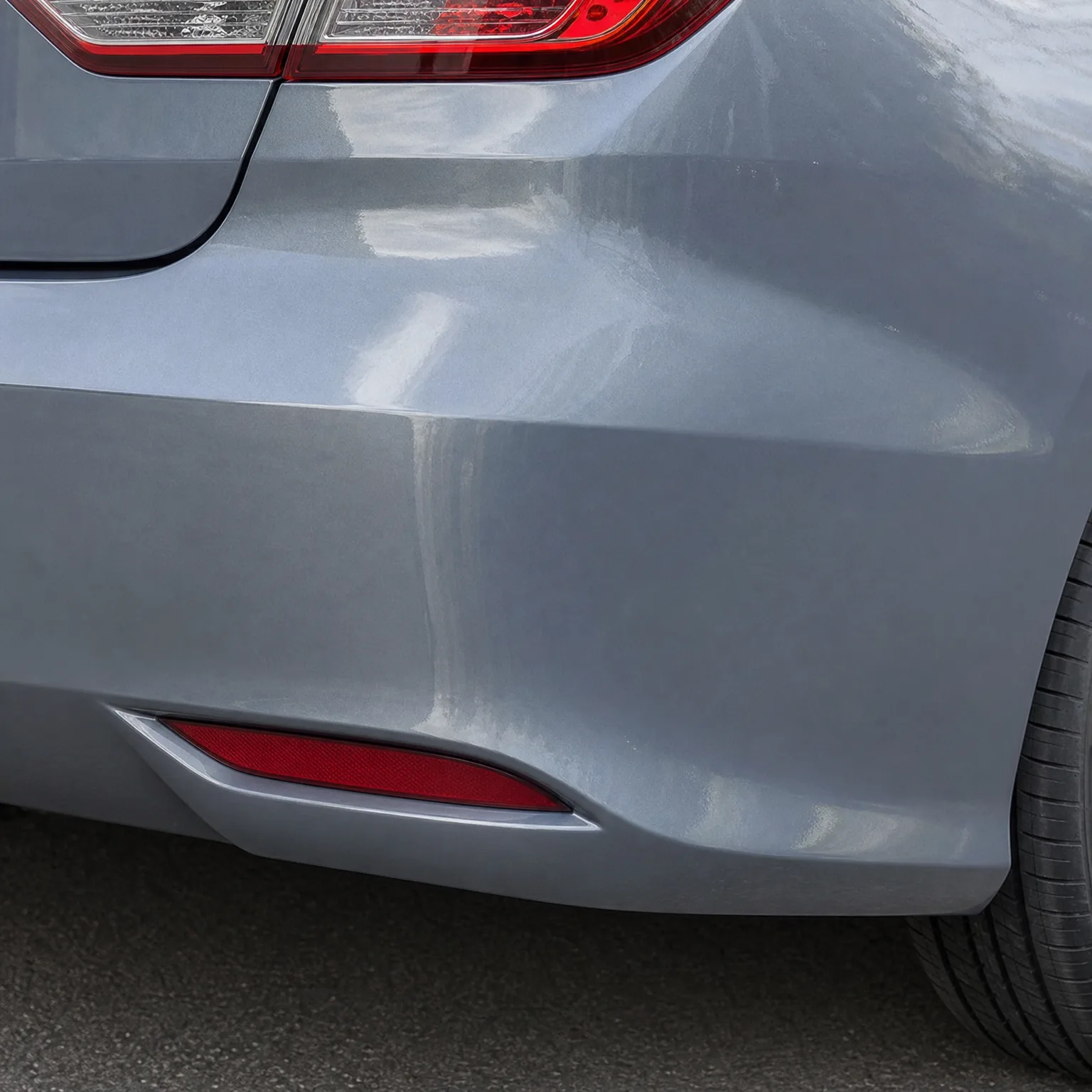
What happens when you actually use it
You choose a deductible when you set up the policy, and that amount comes out of whatever the claim pays. A higher deductible means a lower premium but more out of pocket at the time of a claim, so it's worth knowing that number cold rather than discovering it after a crash.
After an accident, you report the claim, the insurer sends someone to inspect the damage or directs you to a shop that will, and they determine whether to repair the car or call it a total loss. A total loss happens when repair costs run close to or above what the car is worth, in which case you're paid that value minus your deductible rather than getting the car fixed.
The payment covers the vehicle's value or the repair cost, not any upgrades or aftermarket additions that weren't factored into the car's value. It also doesn't include a rental car unless you added that separately.
Have your policy information, photos of the damage, a police report if one was filed, and a general account of what happened ready when you call. The more specific you can be, the faster the claim moves.
Collision vs. comprehensive coverage
Collision coverage
This pays for damage to your car from hitting another vehicle or object, or from rolling over. It applies regardless of who's at fault.
Comprehensive coverage
This pays for damage to your car from almost everything else, including weather, fire, theft, vandalism, and animal strikes. The two are usually sold as a pair, not separately.
If you're deciding whether to drop one, look at them separately, since a car parked outside in a hail-prone area may call for keeping comprehensive even if you drop collision.
Real situations
You're pulling out of a grocery store parking lot and clip a shopping cart corral, denting your rear panel.
Collision pays for this, since it's damage from hitting an object, minus your deductible.
A hailstorm hits while your car is parked at church during a Sunday service, leaving dozens of small dents across the hood and roof.
Collision does not pay for this, since hail is a weather event covered under comprehensive instead.
A deer runs into the road at dusk on a county highway and you can't stop in time.
Collision does not pay for this either, since animal strikes fall under comprehensive even though it feels like a crash.

Once you know whether you're keeping, dropping, or adjusting this coverage, you're ready to compare quotes built around that choice.
Questions people ask about this
What is my car actually worth for insurance purposes?
Insurers base payouts on the car's actual cash value, which reflects its age, mileage, and condition rather than what you paid for it or what it would cost to replace with a new model. You can get a rough sense of this by looking at recent sale prices for similar cars in similar condition. Your insurer will also do its own valuation at claim time, and that number is the one that counts.
Can I drop collision coverage if my car loan is paid off?
Yes, once there's no lender requiring it, the decision belongs entirely to you. At that point it becomes a question of what the car is worth versus what you'd be comfortable covering yourself if it were totaled. It varies by state whether there are any other requirements tied to this, so it's worth checking your own policy before changing anything.
Does collision coverage follow the car or the driver?
It follows the car, since the policy is attached to the vehicle listed on it rather than to a specific driver. If someone else you've allowed to drive the car causes a collision, your policy typically responds the same way it would if you were driving. Letting an unlisted or excluded driver use the car can complicate this, so it's worth checking who's listed on your policy.
Will my premium go up after a collision claim?
Often yes, though how much depends on the circumstances of the claim and your overall driving history. A single claim after years of none tends to have a smaller effect than repeated claims in a short period. It varies by company and by state how this is calculated, so asking your agent directly about your situation is the most reliable way to know.
What happens to collision coverage if I stop driving regularly?
The coverage itself doesn't change just because you drive less, but your premium might, since some policies adjust rates based on how much you drive. If you've stopped driving altogether, it's worth asking whether a lower-mileage designation or a different type of policy fits better. Letting your agent know about a real change in how the car is used is usually worthwhile either way.