Collision Coverage for Seniors in Nebraska
Collision coverage pays to repair or replace your car when it's damaged in a crash, no matter who caused it.
What collision coverage pays for
Covers
- Hitting another vehicle If you're at fault in a crash, it pays to fix your own car.
- Single-car accidents Sliding on ice, hitting a guardrail or rolling into a ditch is covered even with no one else involved.
- Hitting an object A mailbox, a fence, a parked car you back into, all of it counts.
- Potholes and road damage Damage from hitting a pothole or piece of debris in the road is treated as a collision.
- Rollovers If the car flips or rolls, the coverage applies regardless of what caused it.
Doesn't cover
- Hail and weather damage That falls under comprehensive coverage, not collision.
- A deer or other animal Animal strikes are also handled by comprehensive coverage, since there's no other vehicle involved in the collision sense insurers use.
- Theft or vandalism Those losses are comprehensive claims too, not collision ones.
- Your medical bills Collision only pays for the car. Injuries are handled through medical payments, personal injury protection, or health insurance.
- Mechanical breakdown A failed transmission or dead battery isn't a collision, so this coverage doesn't apply.
Whether it's worth keeping depends more on the car than on your age
The math here is simple once you know the car's value. If the car is older and worth little, the most collision coverage can ever pay you is that small amount, minus your deductible. At some point the premium you pay every year starts to rival what you'd actually collect.
If the car is paid off, no lender is requiring this coverage anymore, so keeping it becomes entirely your call. The question is whether you could cover a full repair or replacement out of savings without much strain. If you could write that check without worry, dropping collision frees up money for a car that's losing value every year anyway.
How much you drive matters too. A car that mostly sits in the garage and makes short trips to church, the store and the doctor has fewer chances to be in a crash than one driven daily on the interstate. Less driving is a real reason to reconsider, though it's not the only one.
Where the car spends its nights counts as well. A car kept in a garage is somewhat better protected from the kind of random damage that leads to claims, though collision specifically is about crashes, so this matters less here than it does for comprehensive coverage.
How a claim actually plays out
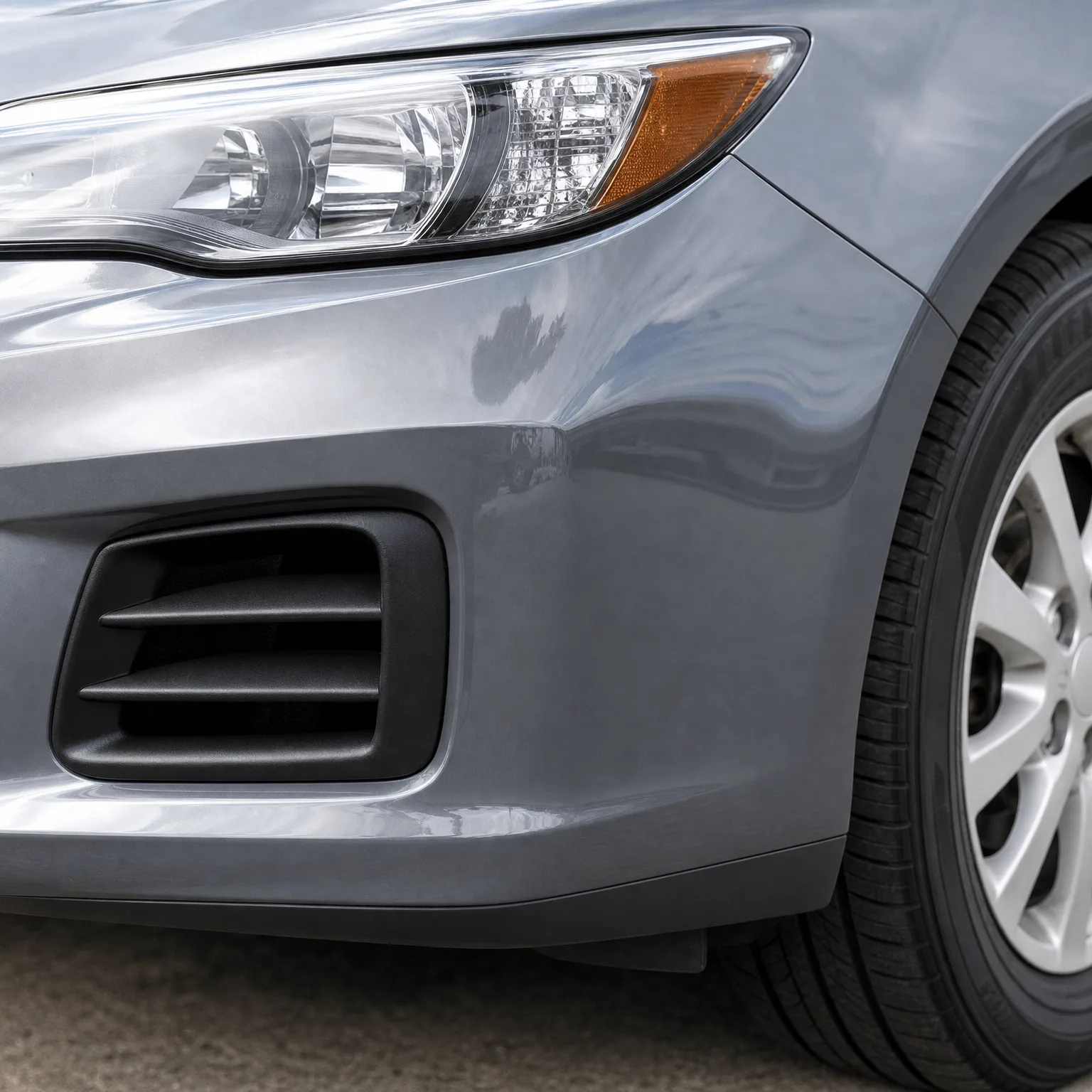
You choose a deductible when you set up the policy, and that's the amount you pay before the insurer pays anything. After a crash, you report the damage, the car gets inspected or estimated, and the insurer pays out based on either the cost to repair it or its value if it's totaled.
If the car is declared a total loss, you don't get the sticker price or what you paid years ago. You get what the car was worth right before the crash, and the insurer subtracts your deductible from that. This is often where older drivers are caught off guard, since a car can be in fine running shape and still be worth little on paper.
Have your registration, the other driver's information if there is one, and photos of the damage and the scene ready when you call in a claim. A clear account of what happened speeds things along and avoids back and forth later.
Repairs are usually paid directly to the shop once the work is approved, with you responsible only for the deductible. If you're still making payments on the car, your lender will likely be listed on the payout as well.
Collision versus comprehensive coverage
Collision coverage
This pays for damage from crashes, whether you hit another car, an object, or just lose control on your own. It applies no matter who's at fault.
Comprehensive coverage
This pays for damage that isn't a collision, like hail, fire, theft, vandalism, or hitting an animal. The two coverages are often sold together but they answer different questions.
If you're trying to decide whether to keep one and drop the other, think about which risk worries you more: crashes on the road, or the car sitting exposed to weather and theft.
Real situations
You're driving home at dusk on a county road and a deer runs out in front of you, and you hit it.
This is a comprehensive claim, not collision, since an animal strike is treated separately.
Your car is parked in the lot during a service at church and a hailstorm moves through, leaving dents across the hood and roof.
Hail damage falls under comprehensive coverage, so collision doesn't apply here.
You're pulling out of a parking space and misjudge the distance, backing into a concrete post and denting the bumper.
This is exactly what collision coverage is for, since it pays regardless of fault.
Once you know whether you're keeping, dropping or adjusting this coverage, you can compare quotes with that decision already settled.
Questions people ask about this
What deductible should I choose for collision coverage?
Choose an amount you could pay out of pocket without strain if you needed to use it tomorrow. A higher deductible lowers what you pay for the policy but means more comes out of your own pocket at claim time, so it should match what your savings can comfortably absorb.
Does collision coverage follow the car or the driver?
It generally follows the car, so if you lend your vehicle to a family member and they're in a crash, your coverage is what responds. Check your own policy for how it defines permitted drivers, since this can affect a claim.
Can I add collision coverage back after dropping it?
Yes, in most cases you can add it back at your next renewal or even mid term. There may be a gap where the car isn't covered for a crash in the meantime, so time the change carefully if you're planning to drop and later restore it.
Does collision coverage pay if I'm at fault for the accident?
Yes, that's the main reason it exists. Unlike liability coverage, which pays for damage you cause to someone else, collision pays to fix your own car regardless of who caused the crash.
Is collision coverage required by law?
Whether any coverage is required varies by state and by whether you have a loan or lease on the car. Check your own policy or loan agreement, since a lender can require it even where the state does not.