Collision Coverage for Seniors in Minnesota
Collision coverage pays to repair or replace your car when it hits another vehicle or object, or flips over, no matter who caused it.
What collision coverage pays for
Covers
- Hitting another vehicle If you're at fault in a crash, this pays to fix your own car.
- Hitting a fixed object A mailbox, a guardrail, a garage door, a tree, any of those are covered if your car hits them.
- Single-car rollovers If you lose control and roll the car without hitting anything else, this still applies.
- Potholes and road damage Damage from hitting a pothole or a rough patch of road falls under collision, not comprehensive.
- Hit-and-run collisions If someone hits you and drives off, collision coverage can pay for your car's damage while the other driver is sorted out or never found.
Doesn't cover
- Deer and animal strikes Hitting an animal is handled under comprehensive coverage, not collision, even though it feels like a collision.
- Hail and weather damage Storm damage, falling branches and flooding are comprehensive claims instead.
- Theft of the vehicle If the car is stolen, that loss is paid through comprehensive coverage.
- Injuries to you or others Medical costs are handled by medical payments, personal injury protection, or liability coverage, not collision.
- Mechanical breakdown A failed transmission or a dead battery isn't a collision loss, since nothing struck the car.
Whether it's worth paying for depends mostly on the car, not your age
The first question is simple: what is the car worth, and would the payout even be meaningful after the deductible is subtracted. On an older car with modest value, the math can stop making sense, since you might be paying a steady premium for a payout that's small by comparison.
Whether the car is paid off matters too. A lender normally requires this coverage as long as there's a loan on the vehicle. Once it's paid off, keeping or dropping the coverage becomes entirely your call.
Think about what you could absorb from savings if the car were totaled tomorrow. Some drivers have enough set aside that replacing a car outright wouldn't strain them, and for those drivers, this coverage is optional protection rather than a necessity. Others would be in real trouble without it, and that changes the answer.
How much you drive and where the car sits overnight matter as well. A car that mostly sits in a garage and only goes out for errands carries less collision risk than one driven daily on highways. Less driving doesn't eliminate risk, but it does shift how much this coverage is likely to be used.
What actually happens when you file a claim
You choose a deductible when you set up the policy, and that amount is subtracted from whatever the insurer decides your claim is worth. A higher deductible lowers your ongoing premium but means you pay more out of pocket before the coverage kicks in.
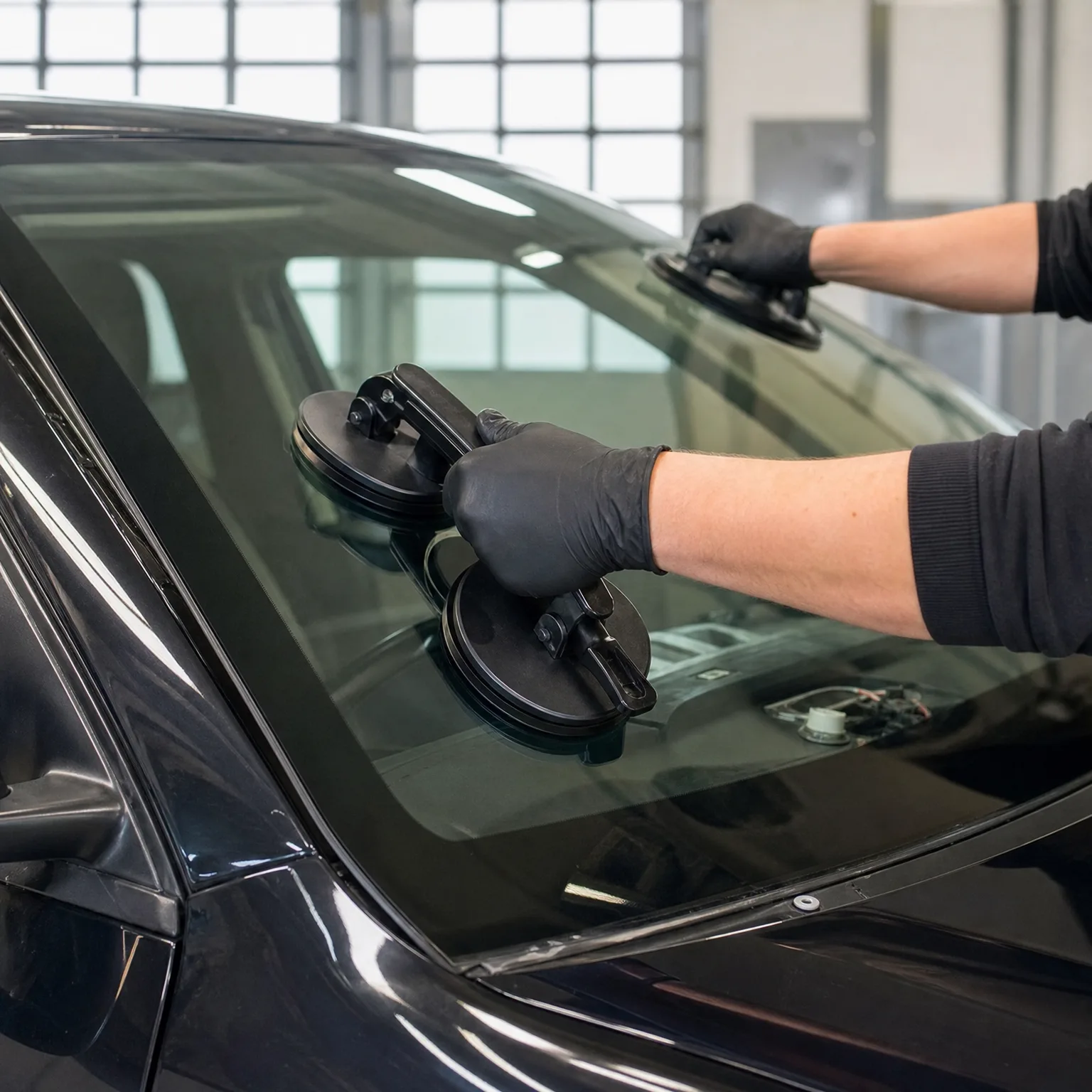
After a crash, you report the claim and an adjuster evaluates the damage, either in person or through photos from a repair shop. If the car can be fixed for less than its value, the insurer pays for repairs minus your deductible. If repair costs exceed the car's value, the insurer declares it a total loss and pays you the car's value instead, again minus the deductible.
Have your policy number, the other driver's information if there is one, and photos of the damage and the scene ready when you call. A police report helps too, especially if fault is disputed or the other driver left the scene.
The payout is based on what the car was worth right before the crash, not what you paid for it years ago or what it would cost to replace it new. On an older vehicle, that number is often lower than people expect.
Collision coverage versus comprehensive coverage
Collision coverage
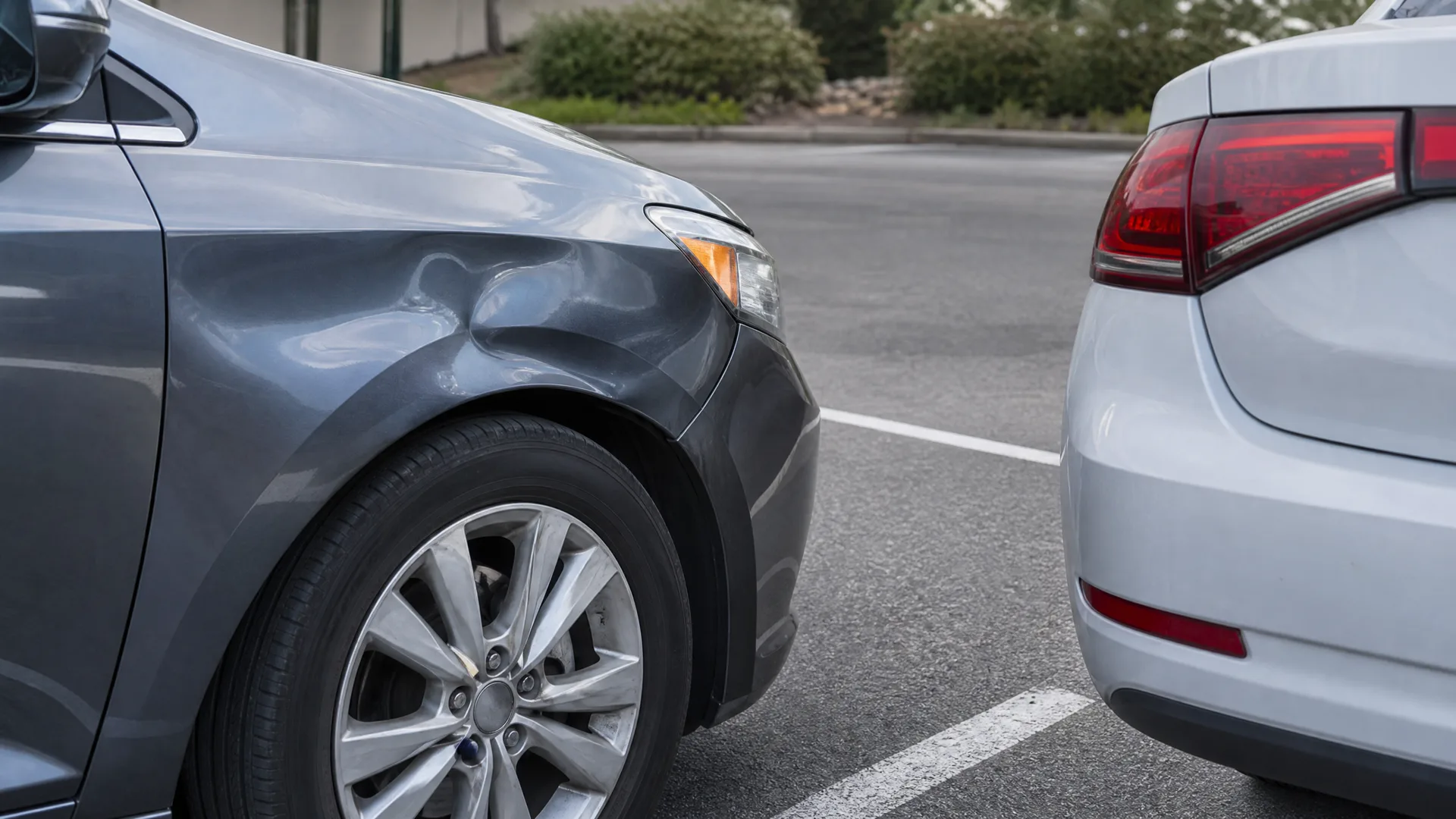
This pays for damage from hitting another vehicle or object, or from flipping the car, regardless of who's at fault. It only applies when your car physically collides with something.
Comprehensive coverage
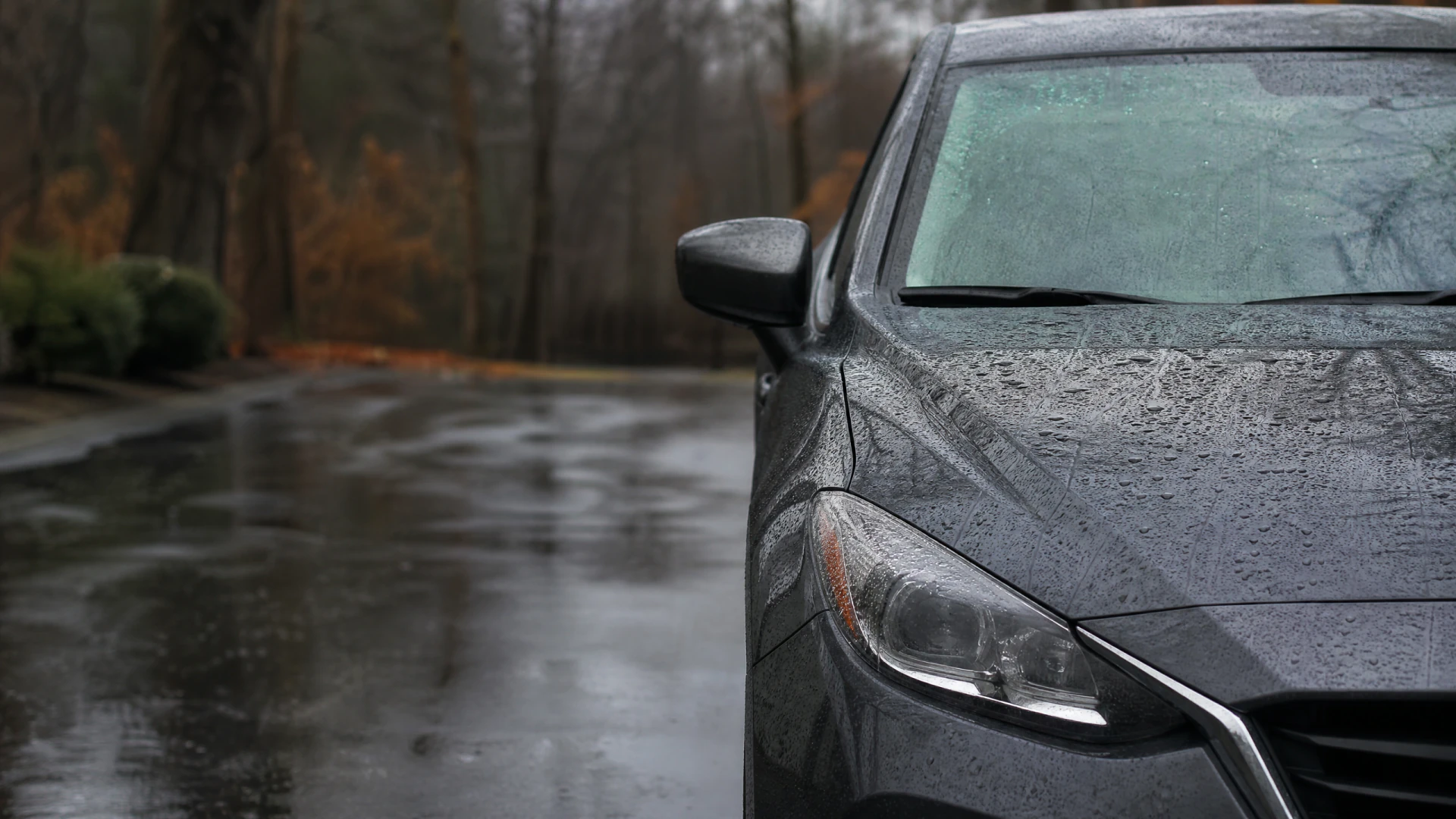
Comprehensive pays for damage that isn't caused by a collision, like animal strikes, theft, vandalism, fire, falling objects and weather. The two are usually sold together but cover different kinds of losses.
If you're deciding whether to drop coverage on an older, low-value car, consider both together rather than one alone, since dropping one without the other can leave an odd gap.
Real situations
You're pulling out of a grocery store parking lot and back into a shopping cart corral, denting your bumper.
This pays, since it's a collision with a fixed object, minus your deductible.
A deer runs into the road at dusk on a county highway and you can't avoid hitting it.
This doesn't pay for that, since animal strikes fall under comprehensive coverage instead.
Your car is parked at church during a hailstorm and comes out with dented panels.
This doesn't pay for that either, since hail and weather damage are comprehensive claims.
Once you know whether you want to keep, adjust or drop this coverage, you're ready to compare quotes with that decision already settled.
Questions people ask about this
Do I need collision coverage if my car is paid off?
No, once a car is paid off you're no longer required to carry it, though you can still choose to. The decision then comes down to the car's value, how much you drive, and what you could cover yourself if it were totaled.
What happens if my car is totaled and I still owe money on it?
The insurer pays the car's current value, and that payment goes toward your loan balance first. If you owe more than the car is worth, you'd be responsible for the difference unless you also carry gap coverage.
Can I drop collision coverage on an old car?
Yes, as long as there's no loan requiring it, dropping collision on an older car is a common choice. Many drivers weigh the premium they're paying against what the car would actually pay out and decide it isn't worth keeping.
How is the value of my car decided after an accident?
The insurer looks at your car's condition, mileage, age and local market prices for similar vehicles right before the crash. You can usually ask questions or provide evidence like maintenance records if you think the valuation is too low.
Does collision coverage affect my rates after a claim?
It can, since filing a collision claim where you're at fault may raise your premium at renewal. Rules about how much and for how long vary by insurer and by state, so it's worth checking your own policy or asking your agent directly.