Collision Coverage for Seniors in Louisiana
Collision coverage pays to repair or replace your own car after it hits another vehicle or object, or flips over, no matter who caused it.
What collision coverage pays for
Covers
- Hitting another vehicle If you cause a crash with another car, this pays to fix your own car regardless of fault.
- Hitting a fixed object A mailbox, a guardrail, a fence post, a tree in a parking lot, any of these are covered if you run into them.
- Single car rollovers If you lose control and the car rolls or flips, the damage to your car is covered.
- Potholes and road damage Collision with the road surface itself, like a deep pothole that damages the undercarriage, falls under this coverage.
- Hit and run damage to your car If someone hits you and drives off, this pays to repair your car while the other driver is being sorted out.
- Total loss payout If the car is damaged beyond what it's worth to repair, this pays out its value instead of fixing it.
Doesn't cover
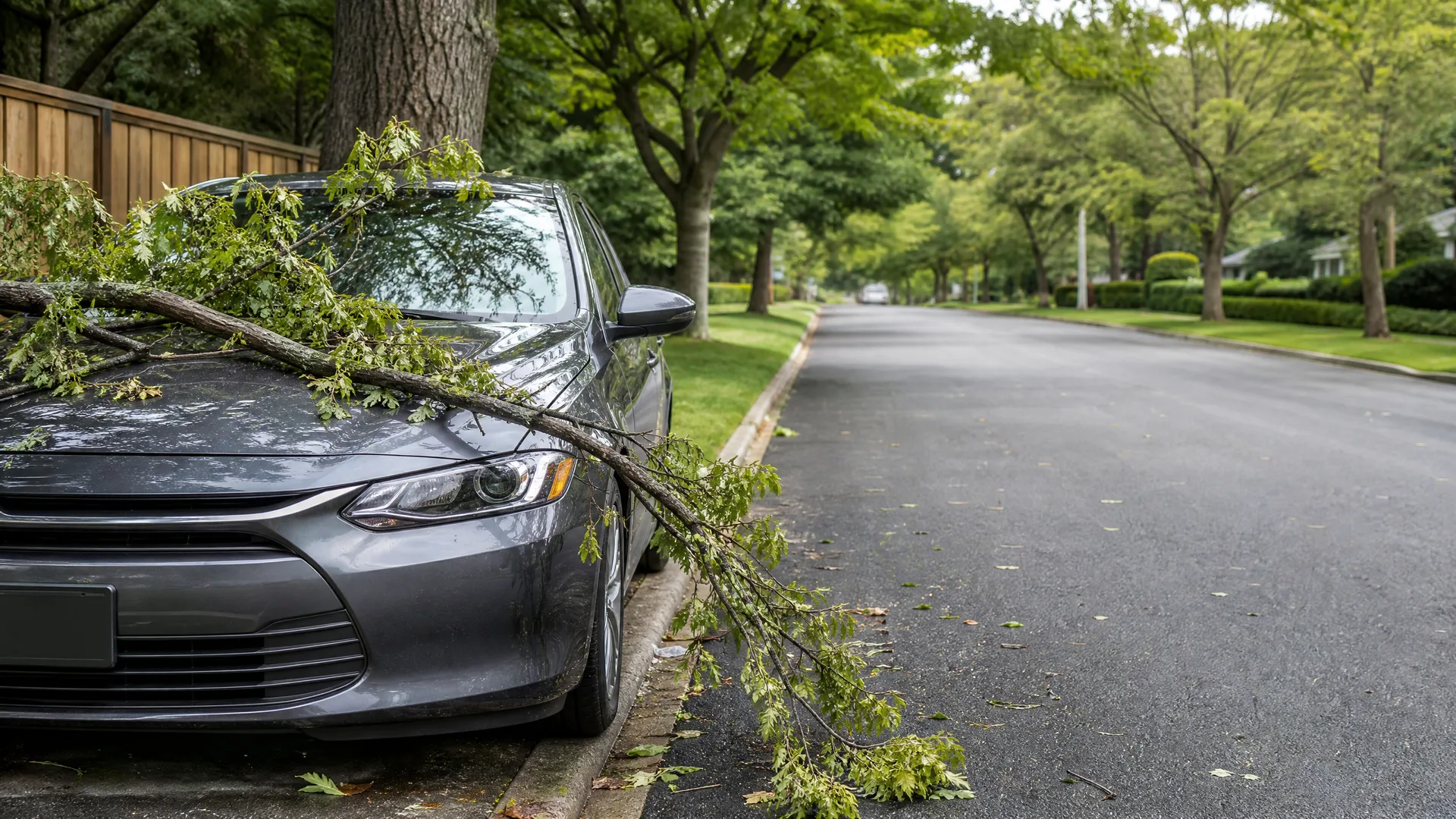
- Weather and falling objects Hail, flooding, a tree limb falling on a parked car, these fall under comprehensive coverage instead.
- Theft of the vehicle If the car is stolen, that loss is handled by comprehensive coverage, not collision.
- Mechanical breakdown A failed transmission or a dead battery isn't a collision and isn't covered by any part of a standard auto policy.
- Injuries to you or passengers Medical costs from a crash are handled by medical payments coverage or health insurance, not collision.
- Damage to the other driver's car That's what liability coverage pays for, collision only covers your own vehicle.
- Normal wear and tear Worn brakes, aging tires, or rust aren't the result of a specific impact, so they aren't a collision claim.
Whether it's worth paying for depends almost entirely on what your car is worth
If your car is paid off and worth very little, collision coverage can end up costing more over the years than the car itself. At some point the math stops making sense, and that point comes earlier than most people expect once a car is older and has real miles on it.
If you still owe money on the car, or it's leased, you likely don't have a choice, the lender requires this coverage until the loan is paid off. Once it's paid off, the decision becomes yours.
Think about what you could cover out of savings without much trouble. If a major repair or replacing the car outright wouldn't strain your finances, you're self insuring whether you realize it or not, and you may be paying for coverage you don't need. If a surprise repair bill would be a real problem, that's the strongest reason to keep it.
How much you drive and where the car spends its time matters too. A car that sits in a garage and only goes to church and the grocery store carries less risk than one driven daily on the highway. That doesn't mean you're safe from a crash, but it does change the odds you're weighing against the cost.

How a collision claim actually goes
You pay a deductible before the coverage pays anything, and that amount is something you chose when you set up the policy. The insurer pays the repair cost above that deductible, up to what your car is worth.
After a crash, you report the claim, an adjuster looks at the damage or reviews an estimate from a repair shop, and you're told whether it's cheaper to repair the car or pay you its value instead. If it's declared a total loss, you get a payout based on what the car was worth right before the crash, not what you paid for it originally or what you think it's worth now.
Have your policy details, photos of the damage, and a police report if one was made. If another driver was involved, their information helps too, even though fault doesn't determine whether collision pays.
The payout covers the vehicle itself. It doesn't cover a rental car while yours is in the shop unless you added that separately, and it doesn't cover anything you had loaded in the car at the time.
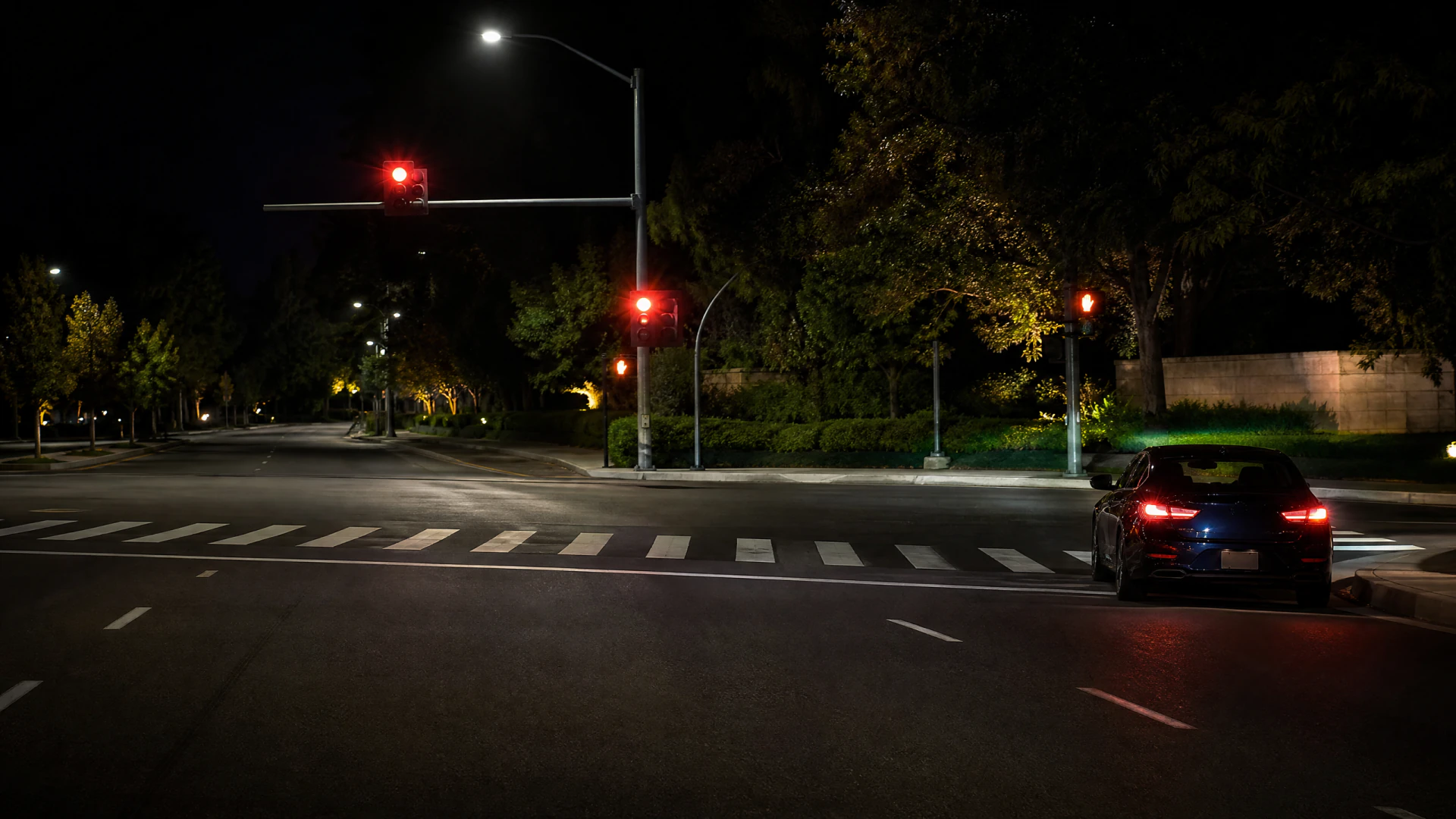
Collision versus comprehensive coverage
Collision Coverage
This pays for damage from hitting something, another car, a fence, a guardrail, or from rolling the vehicle. It applies no matter who's at fault.
Comprehensive Coverage
This pays for damage that isn't a collision, like hail, a falling branch, theft, fire, or an animal running into the road ahead of you. The two are often sold together but they cover different kinds of events.
If you're deciding between the two because of cost, think about which kind of loss worries you more, a crash you cause or everything else that can happen to a parked or driven car.
Real situations
You're driving home at dusk on a rural road and a deer runs into your path, causing you to swerve into a ditch.
Collision pays for the ditch damage from the swerve, since hitting an object counts even without hitting the deer itself.
Hail hits your car while it's parked in the lot during church on a Sunday morning.
This isn't a collision claim, hail damage falls under comprehensive coverage instead.
You back out of your driveway and clip the brick mailbox post you've passed a thousand times without issue.
Collision pays for this, hitting a fixed object is exactly what the coverage is built for.
Once you know whether you want to keep, drop, or adjust this coverage, you can compare quotes built around that decision.
Questions people ask about this
Can I drop collision coverage on an older car?
Yes, once the car is paid off, you can drop collision coverage at any time. The main thing to check is whether your lender required it, since that requirement disappears along with the loan. After that, it's a personal decision based on what the car is worth and what you could afford to replace it.
Does collision coverage follow the driver or the car?
It follows the car listed on the policy, not the person driving it. If you lend your car to an adult child or a friend and they have an accident, your collision coverage is what responds, not theirs. This is worth knowing if you regularly let someone else drive your vehicle.
What happens to collision coverage if I stop driving regularly?
The coverage itself doesn't change just because you drive less, but your insurer may offer a different rate or policy type for a car that's rarely driven. It's worth asking directly rather than assuming a lower mileage lowers your cost automatically. Whether this coverage is required or optional in your situation can also vary, so check your own policy.
Is collision coverage required by law?
Whether any coverage is legally required varies by state, so check your own policy or state requirements rather than assuming. What's consistent is that lenders, not laws, are usually the reason someone is required to carry collision coverage on a financed or leased vehicle.
How is the payout amount decided after a total loss?
The payout is based on what your specific car was worth right before the crash, considering its age, mileage, and condition. It isn't based on what you originally paid or what a similar new car costs today. If you disagree with the number offered, you can ask how it was calculated and provide your own evidence of the car's condition and value.