Collision Coverage for Seniors in Kentucky
Collision coverage pays to repair or replace your car when it hits another vehicle or object, or flips over, no matter who caused it.
What this coverage pays for
Covers
- Hitting another vehicle If you're at fault in a crash with another car, this pays to fix or replace yours.
- Hitting an object A mailbox, a guardrail, a garage door, a tree, this covers the damage to your car when you're the one who hit it.
- Single car rollovers If you lose control and roll or flip, the damage to your own car is covered under this part of the policy.
- Potholes and road damage Running into a pothole or piece of debris in the road counts as a collision for claim purposes.
- Hit and run damage to your car If someone hits you and drives off, this covers your car even though you can't collect from the other driver.
Doesn't cover
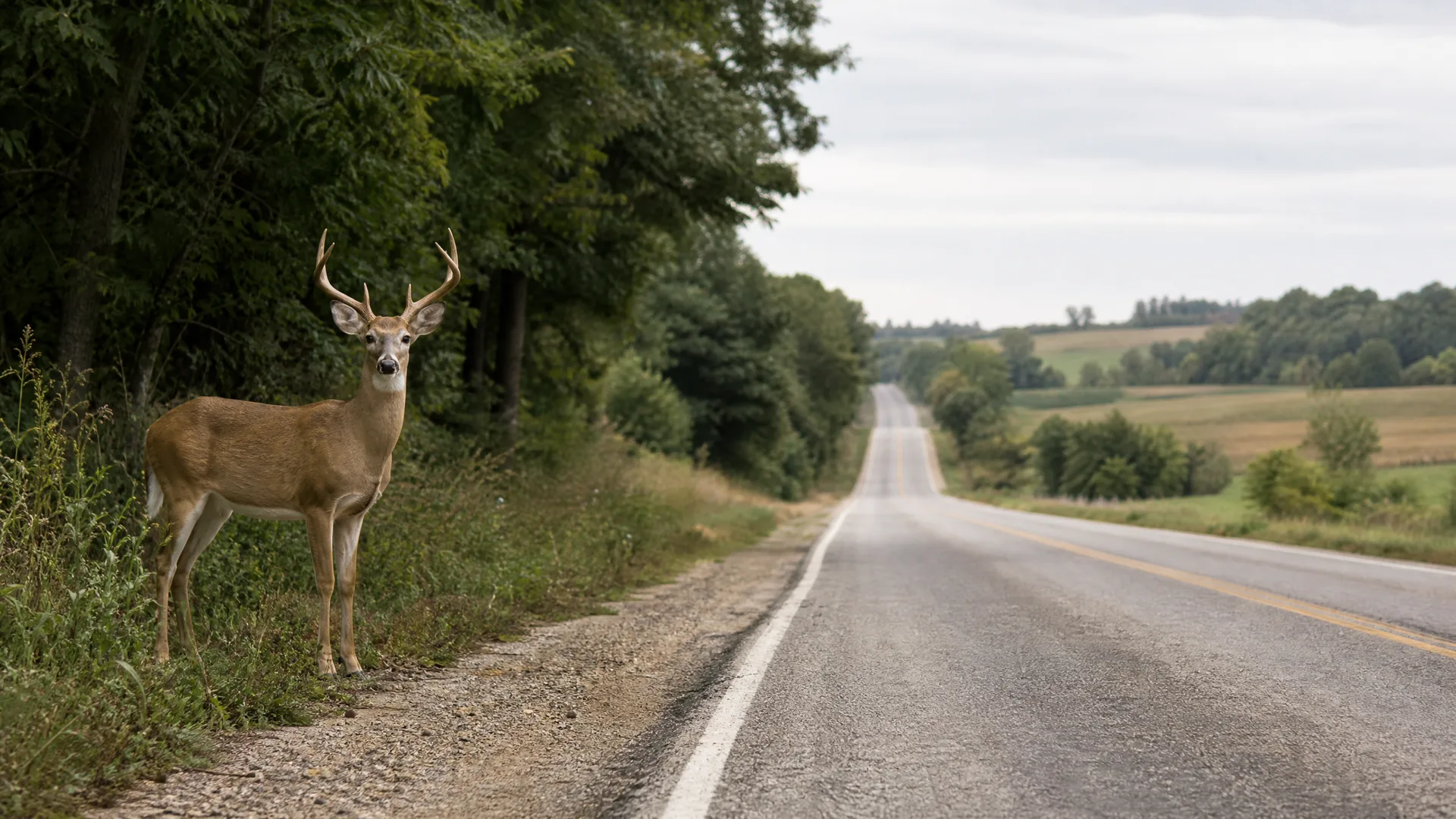
- A deer or animal strike Hitting an animal is handled under comprehensive coverage, not collision, since there's no other vehicle or fixed object involved in the way the policy defines it.
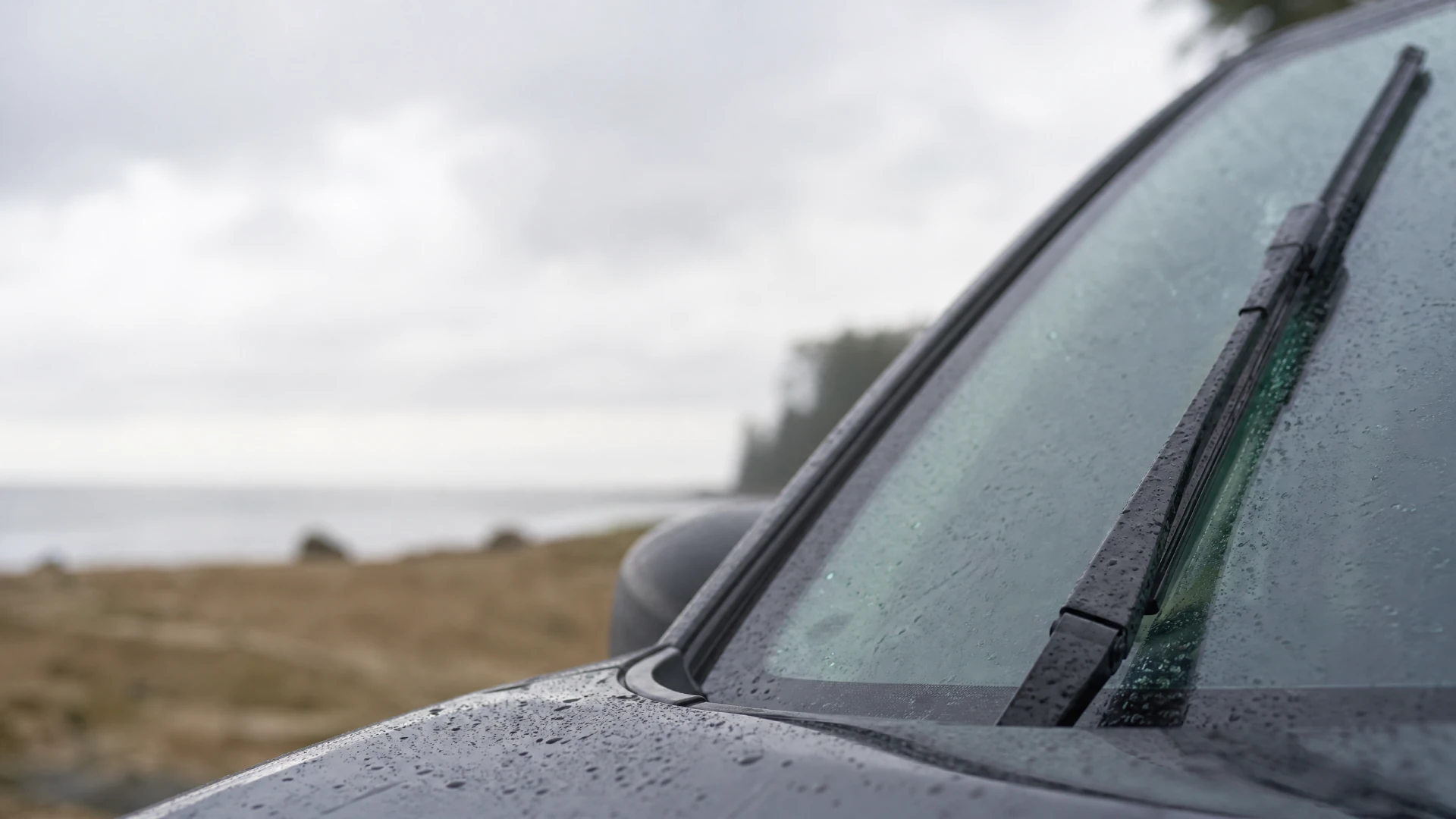
- Hail or storm damage Weather damage falls under comprehensive coverage as well, even though it feels like the same kind of repair bill.
- Theft of the car If the car is stolen, that loss is paid through comprehensive coverage, not this one.
- Your medical bills after a crash This pays for the car, not for injuries to you or your passengers, which is why medical payments or personal injury protection exists separately.
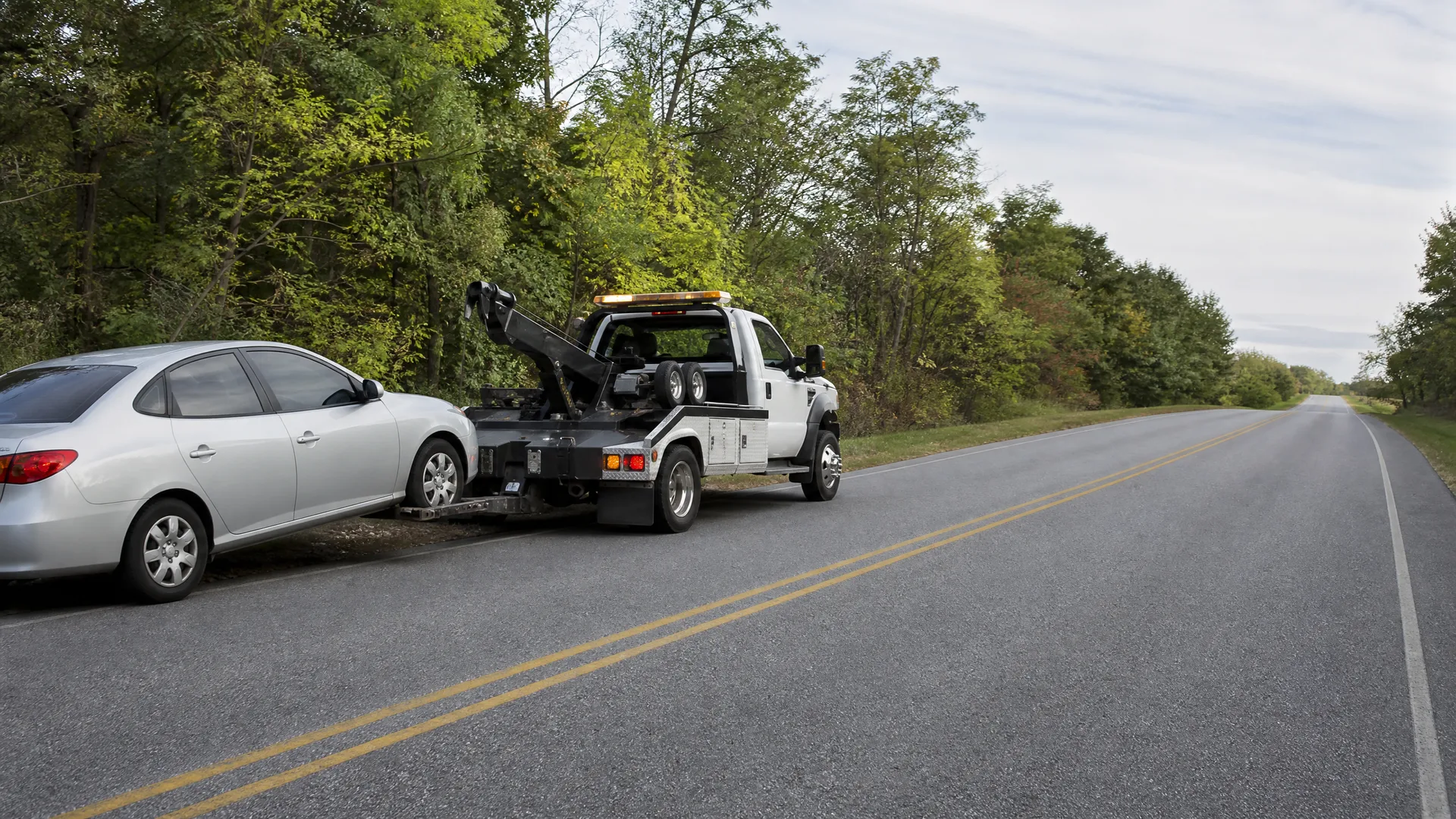
- Mechanical breakdowns A failed transmission or worn out brakes aren't a collision, so repairs like that are never covered here regardless of how sudden they feel.
For a lot of older drivers, this comes down to one number: what the car is worth
If your car is paid off and worth modestly little, you're the one deciding whether to pay for this coverage year after year to protect a car that wouldn't bring back much in a payout. That math is worth doing honestly instead of just renewing out of habit.
If you could cover the cost of a totaled car from savings without real strain, dropping collision and keeping that money is a reasonable choice. If replacing the car would be a genuine hardship, the coverage is doing real work for you even on an older vehicle.
How much you drive matters too. A car that mostly sits in the garage and makes short trips to church or the store carries less risk than one driven daily on the interstate. Less driving is a real reason to reconsider, though it isn't the whole decision by itself.
Where the car spends its time matters as well. A car parked on the street in town overnight faces different odds than one parked in a garage out in the county. None of this tells you what to do on its own, but together these answer it.
How a collision claim actually goes
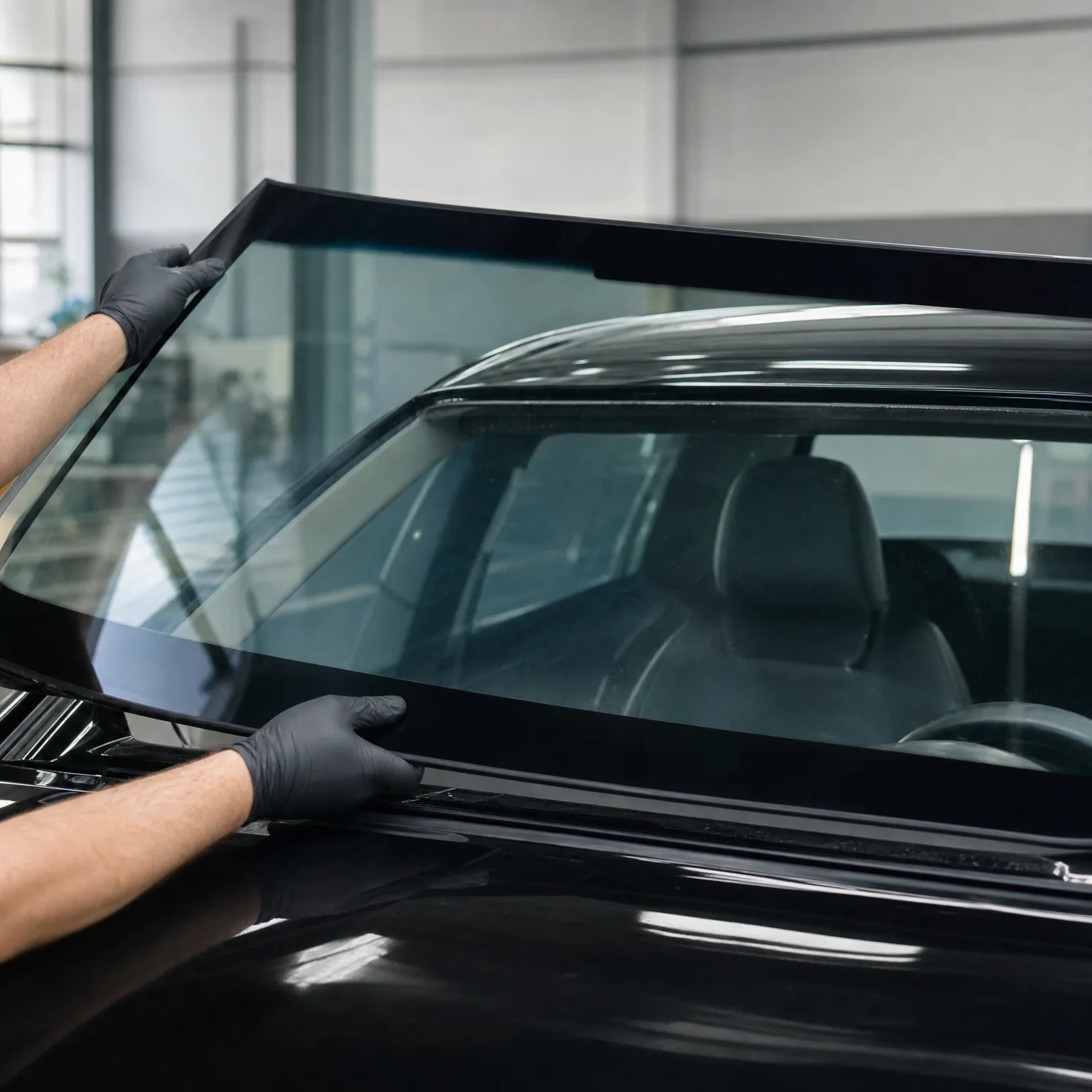
You pay a deductible out of pocket and the coverage pays the rest, up to what your car is worth. If the repair costs less than your deductible, there's no point filing a claim at all, since you'd just be paying the full bill yourself anyway.
After an accident, you report the claim, an adjuster looks at the damage or reviews an estimate from a shop, and the insurer decides whether to repair the car or declare it a total loss. A total loss happens when repairs would cost more than the car is worth, and in that case you're paid the car's value instead of getting it fixed.
The payout covers the vehicle itself, not a rental car or your medical bills, unless you've added separate coverage for those. Have your policy number, photos of the damage, and a repair estimate or two ready, since that speeds things along considerably.
If the car is older, ask what it's actually valued at before you count on a certain payout. The number the insurer uses may be lower than what you'd expect to get selling it yourself.
Collision versus comprehensive
Collision coverage
This pays for damage from hitting another car or object, or from rolling over, regardless of who's at fault. It's the coverage that applies to most everyday crashes and fender benders.
Comprehensive coverage
This pays for damage that isn't from a crash, like hail, fire, theft, vandalism, or hitting an animal. The two are often sold together but they answer different questions.
If you're worried about crashes, lean toward collision; if you're worried about a deer on a dark road or a hailstorm, that's comprehensive doing the work.
Real situations
You're driving home at dusk on a county road and a deer runs into your path, damaging the front of your car.
This is a comprehensive claim, not collision, since it involves an animal rather than another vehicle or object you struck.
You back into a pole in a parking lot while pulling out of a space after a doctor's appointment.
This pays for the damage to your car, since hitting a fixed object is exactly what collision coverage is for.
A hailstorm hits while your car is parked at church and dents the hood and roof.
This is a comprehensive claim rather than collision, since there's no impact with another vehicle or object.
Once you know whether you're keeping, adjusting, or dropping this coverage, you can compare quotes with that decision already made.
Questions people ask about this
What is my car actually worth for insurance purposes?
Insurers use the car's current market value, not what you paid for it or what you think it's worth sentimentally. Ask your agent how they calculate it, since the figure used in a claim can be lower than private sale prices you'd see listed online. It's worth checking this number before you decide whether to keep or drop coverage.
Can I drop collision coverage on a car with a loan still on it?
Usually not, since the lender requires it until the loan is paid off. Once the car is paid off, the choice becomes yours, and that's often the point when people reconsider keeping it. Check your loan or lease terms directly if you're unsure.
Does my rate go up after a collision claim?
It can, depending on who was at fault and your insurer's rules. Ask your agent how a claim like this would affect your specific policy before you file, especially if the repair cost is close to your deductible. Some policies offer forgiveness for a first claim, so it's worth asking about that too.
What happens if my car is declared a total loss?
You're paid the car's determined value rather than having it repaired, and the insurer typically keeps the vehicle afterward. You can usually keep the car yourself for a reduced payout if you'd rather do that. Ask how the payout is calculated so you know what to expect.
Should I keep collision coverage if I don't drive much anymore?
Driving less lowers your risk but doesn't eliminate it, since parked cars and short trips can still end in a claim. It's one factor to weigh alongside the car's value and how easily you could replace it. Ask whether your insurer offers a lower rate for low mileage before you decide to drop coverage entirely.