Collision Coverage for Seniors in Indiana
Collision coverage pays to repair or replace your own car after it hits another vehicle or object, or flips, no matter who caused it.
What collision coverage pays for
Covers
- Hitting another vehicle If you're at fault in an accident with another car, this pays to fix or replace yours.
- Hitting an object A mailbox, a guardrail, a parked car, a tree at the end of a long driveway, all count.
- Single-car rollovers If you lose control and the car rolls or flips with no one else involved, this still applies.
- Potholes and road damage Collision covers the kind of sudden impact damage a bad road can cause, not gradual wear.
- Hit-and-run damage to your car If the other driver takes off and can't be found, this pays for your car's damage either way.
Doesn't cover
- Deer and animal strikes That falls under comprehensive coverage, not collision, since there's no collision with another vehicle in the usual sense.
- Hail, flood or fire damage Weather and other non-collision events are also comprehensive's job, not this coverage's.
- Theft of the car If the car is stolen outright, comprehensive coverage pays, not collision.
- Mechanical breakdown A transmission failure or engine trouble isn't an impact, so it isn't covered here.
- Injuries to you or passengers Medical costs from a crash are handled by medical payments coverage, personal injury protection, or health insurance, depending on your policy.
Whether it's worth it depends on the car, not your age
Age itself doesn't decide this. What decides it is what the car is worth and what you'd do if it were totaled tomorrow. If the car has a low value, the most this coverage can ever pay is that value minus your deductible, which can make the premium a poor trade.
If the car is paid off and you have enough set aside to replace it outright, you're essentially insuring yourself when you buy this coverage. Some drivers in that position choose to carry the savings instead and drop the coverage. Others keep it because they'd rather not touch savings at all, even if the math says they could.
How much you drive matters too. A car that mostly sits in the garage and makes short trips to church, the pharmacy, and a few neighbors' houses carries less risk than one driven daily on highways. Less time on the road means fewer chances to need this coverage, though it never reaches zero.
Where the car is kept overnight plays a role as well. A car parked in a garage behind a locked gate faces different risks than one left on a street or in a shared lot. None of this is about being an older driver specifically. It's about what you're protecting and what you can afford to lose.
How a claim actually works
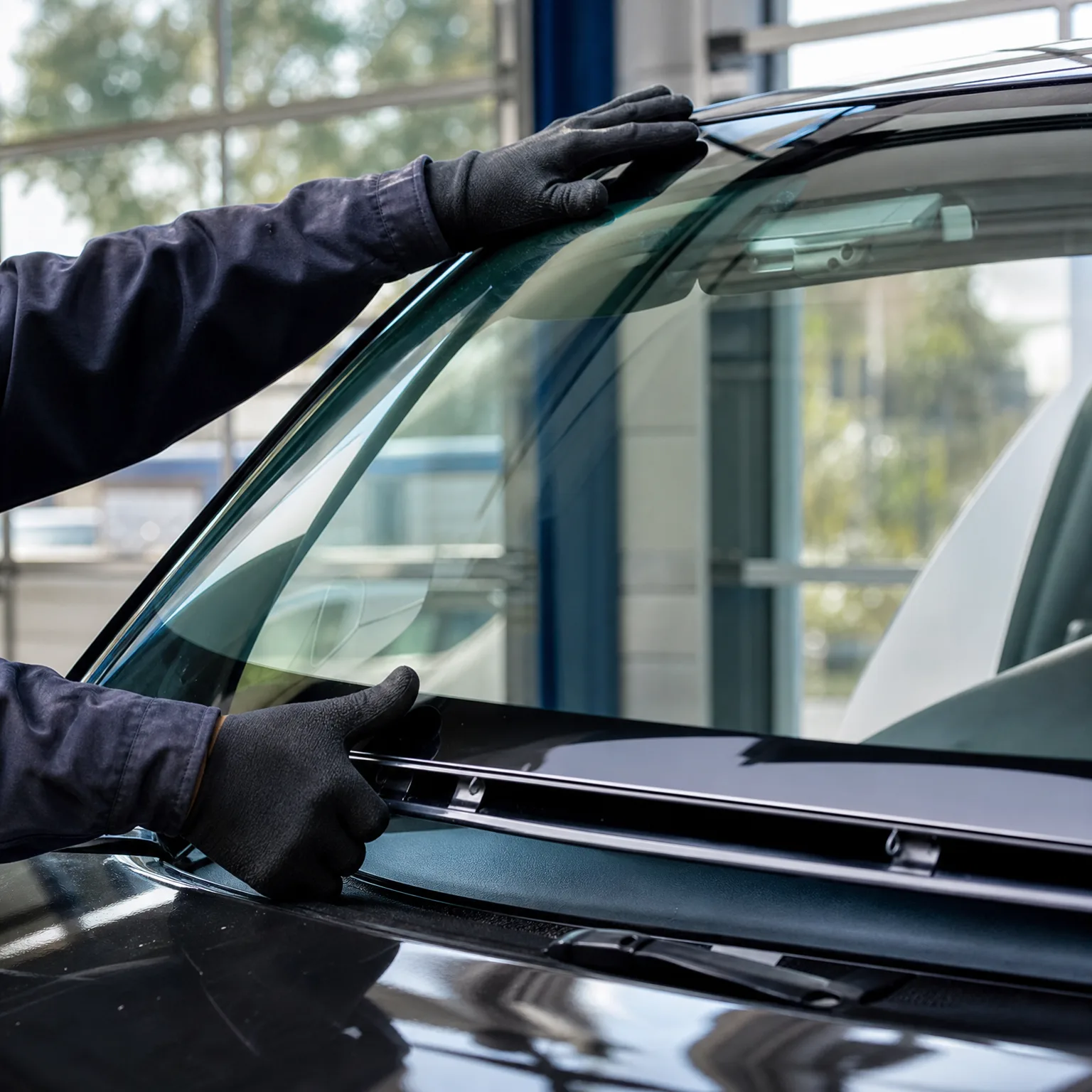
You pick a deductible when you set up the coverage, and that amount comes out of whatever the claim pays. If repairs cost more than your car is worth, the insurer pays the car's value instead of the repair bill, minus the deductible.
After an accident, you report the claim, an adjuster looks at the damage or reviews photos, and you get an estimate for repair or a payout for a total loss. You can usually choose your own repair shop, though the insurer may have one it recommends.
The payment covers your vehicle's damage only. It doesn't cover anything in the other driver's car, their medical bills, or your own injuries, those come from other parts of a policy. Have your registration, a description of what happened, and any photos from the scene ready when you call.
If the car is older, ask what the insurer considers its value before you file, since that number determines whether repair or payout makes more sense.
Collision vs. comprehensive coverage
Collision coverage
This pays for damage from hitting another vehicle or object, or from rolling over, regardless of fault. It only applies to impacts.
Comprehensive coverage
This pays for damage from almost everything else: animal strikes, weather, fire, theft, and vandalism. The two are often sold together but handle separate kinds of damage.
If you drive mostly in town and rarely encounter wildlife or severe weather, collision matters more to you; if your car sits outside in a storm-prone or rural area, comprehensive carries more weight.
Real situations
You're pulling out of a church parking lot and clip a stone pillar, denting the front fender.
This pays for the fender damage, since it was an impact with a fixed object, minus your deductible.
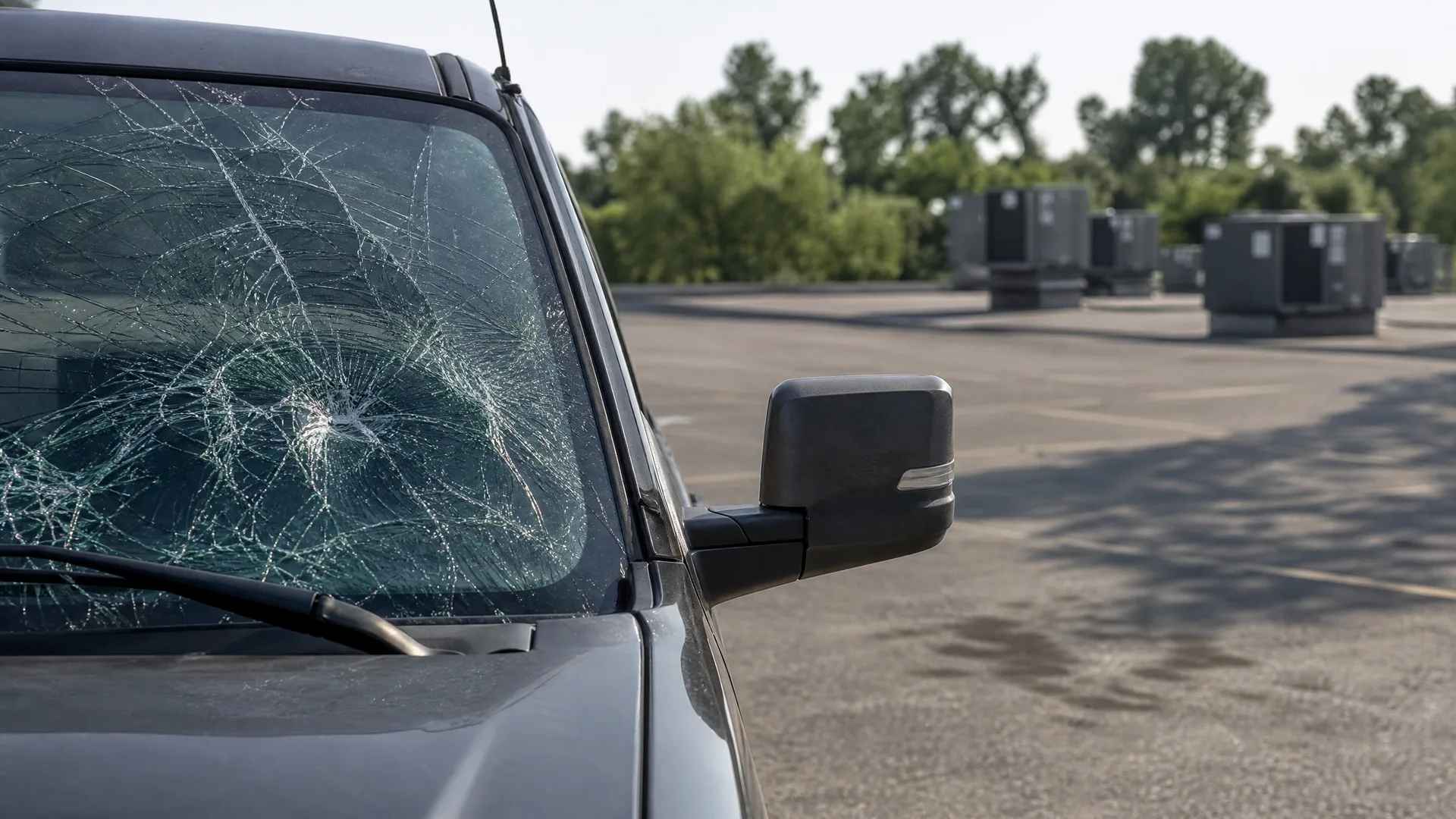
A hailstorm passes through overnight while your car sits in the driveway and leaves dents across the hood and roof.
This doesn't pay, since hail is a weather event handled by comprehensive coverage instead.
A deer crosses a county road at dusk and your car strikes it, damaging the bumper and headlight.
This doesn't pay either, since an animal strike also falls under comprehensive coverage.
Once you know whether you want to keep, drop, or adjust this coverage, you're ready to compare quotes with that decision already made.
Questions people ask about this
Can I drop collision coverage on an older car?
Yes, you can drop it on a car you own outright, since lenders are the ones who typically require it, not the law. Before you do, check what the car is actually worth and whether you could replace it from savings if it were totaled. Some drivers keep it anyway for peace of mind, even on an older car.
Does collision coverage follow the car or the driver?
It follows the car, since it's tied to the vehicle listed on the policy. If you drive a different car, like a rental or a family member's, your own collision coverage may extend to it temporarily, but check your policy's terms on this. Borrowed or rented cars can have different rules than your own vehicle.
Do I need collision coverage if I have aaa or roadside assistance?
No, roadside assistance and collision coverage do different jobs entirely. Roadside assistance handles things like towing, jump starts, and flat tires, not repair costs from an accident. You can have one without the other, and most drivers who carry both see them as separate protections.
What happens to collision coverage if I stop driving regularly?
It still applies whenever the car is on the road, but some insurers offer lower rates for low-mileage drivers, so ask about that if your driving has dropped. If the car is parked long-term and rarely driven, you might also ask about adjusting other parts of the policy. Collision itself doesn't change based on mileage alone, only the price might.
Can my family add collision coverage to my policy for me?
Yes, an adult child or family member can usually help set up or adjust coverage if they're listed on the policy or have permission to manage it. Many insurers allow a named driver or policyholder to make changes on someone else's behalf with the right authorization. Check with the insurer directly on what they require to allow this.