Collision Coverage for Seniors in Illinois
Collision coverage pays to repair or replace your car when it hits, or is hit by, another vehicle or object, no matter who caused the crash.
What collision coverage actually pays for
Covers
- Crashes with another car If you hit another vehicle or another vehicle hits you, your own car's damage is covered under this part of your policy.
- Hitting a fixed object Running into a mailbox, a fence, a garage door or a guardrail is covered the same way a crash with another car would be.
- Single car rollovers If you lose control and roll or flip the car without hitting anything else, the damage is still covered.
- Potholes and road damage Collision coverage usually pays for the kind of underbody or wheel damage a bad pothole can cause.
- Damage from a hit and run If the other driver leaves the scene, your own collision coverage can pay since there's no other insurance to collect from.
Doesn't cover
- Hail, wind or falling trees Weather damage and falling objects are covered by comprehensive coverage, not collision, even though people often mix the two up.
- A deer or other animal strike Hitting an animal is treated as a comprehensive claim, not a collision, which surprises a lot of drivers.
- Theft of the car If the car is stolen, that loss falls under comprehensive coverage instead of this one.
- Mechanical breakdown A failed transmission, a dead battery or normal wear isn't a collision, so it isn't covered here at all.
- Injuries to you or your passengers Medical costs from a crash are handled by medical payments, personal injury protection, or health insurance, not collision coverage.
- Damage to someone else's car That's what liability coverage is for, and it's a separate part of your policy from collision.
Whether to keep it depends mostly on the car's value, not your age
Age itself doesn't decide this. What decides it is what the car is worth and whether you could absorb the cost of replacing it yourself. If the car is older and worth only a modest amount, the payout in a bad claim may be small enough that carrying this coverage for years costs more than it would ever pay out.
A paid off car changes the math less than people think. Once there's no loan, nobody requires you to carry collision coverage, but that doesn't mean dropping it is automatically smart. It just means the decision is entirely about what you can afford to lose.
How much you drive and where the car sits matter too. A car that mostly sits in a garage and makes short trips to church, the store and family visits carries less risk than one driven daily on highways in heavy traffic. Lower mileage doesn't eliminate risk, but it does lower it.
The honest test is simple. Look at what your car is worth today, then ask whether losing that amount all at once would strain your savings. If it wouldn't, dropping this coverage is a reasonable choice. If it would, keeping it is worth the cost.

How a collision claim actually goes
You first pay a deductible, which is the amount you agreed to cover yourself, and the insurer pays the rest up to what your car is worth. After a crash, you report the damage, the car is inspected or appraised, and the insurer decides whether to repair it or declare it a total loss if repairs would cost more than the car is worth.
If it's repaired, the payment covers the shop's cost to fix it, minus your deductible. If it's totaled, you're paid the car's value at the time of the crash, minus your deductible, and the car becomes the insurer's property.
Have your policy number, photos of the damage, a description of how it happened, and any police report ready when you file. The more clearly you can describe what happened, the faster the claim tends to move.
Keep in mind the payout is based on what the car was worth right before the crash, not what you originally paid for it or what it would cost to replace with something newer.

Collision coverage versus comprehensive coverage
Collision coverage
This pays for damage from a crash, whether you hit another car, a fixed object, or roll the car on your own. It applies regardless of who's at fault.
Comprehensive coverage
This pays for damage that isn't a crash, like hail, fire, theft, vandalism or hitting an animal. The two are usually sold together but cover different kinds of events.
If your car is old enough that you're questioning collision, ask the same question about comprehensive, since the value of the car affects both the same way.
Real situations
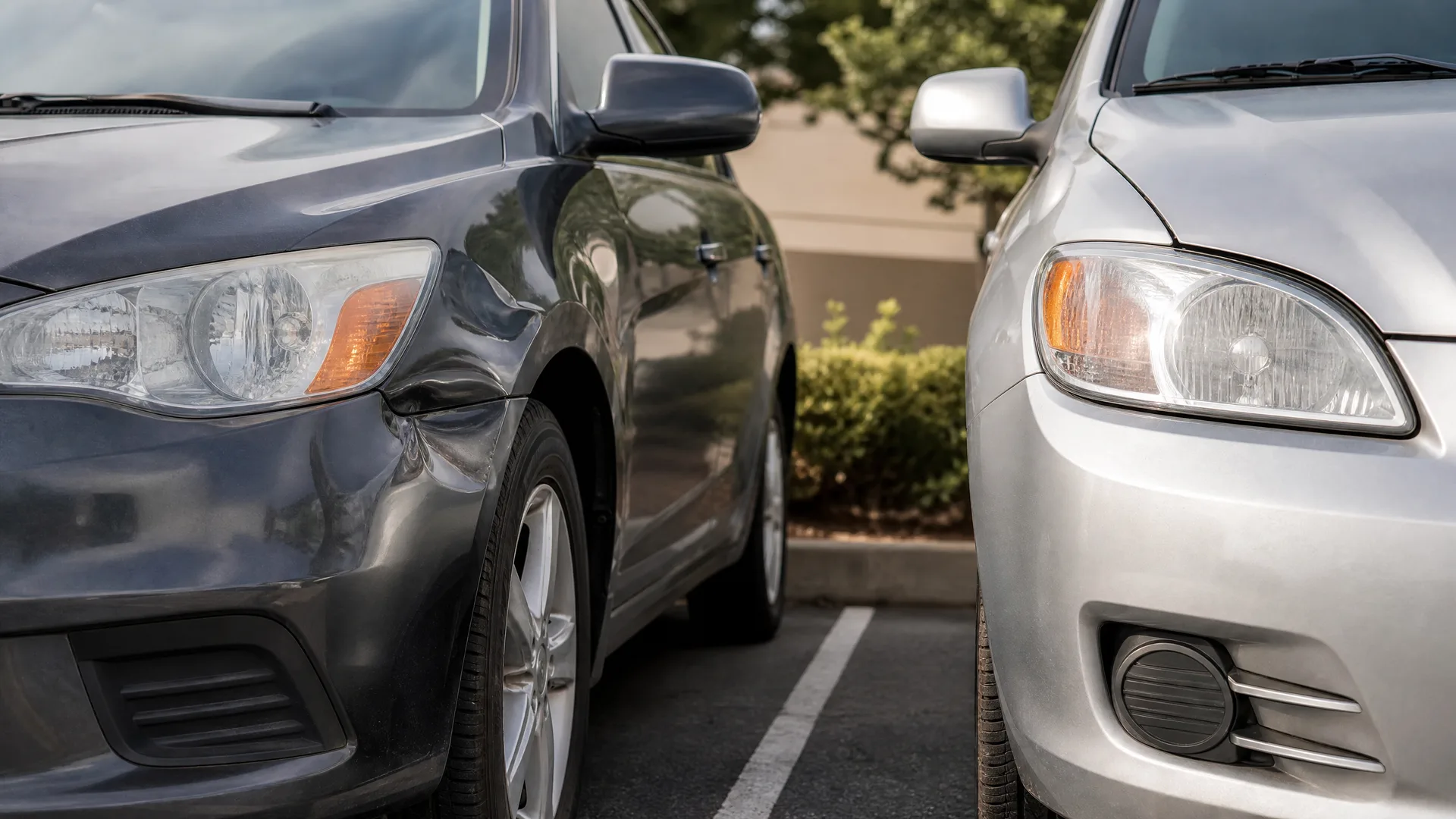
You're pulling out of a parking lot after church and clip a parked car, denting both bumpers.
Collision coverage pays for your car's damage after your deductible, and your liability coverage pays for the other car.
A hailstorm passes through while your car is parked in the driveway overnight and leaves dents across the hood and roof.
This is a comprehensive claim, not collision, since no crash was involved.
A deer runs into the road at dusk on a county highway and you can't stop in time.
Animal strikes fall under comprehensive coverage, not collision, even though it feels like a crash.
Once you know whether you want to keep, drop or adjust this coverage, you can compare quotes with that decision already settled.
Questions people ask about this
Can I drop collision coverage if my car loan is paid off?
Yes, once there's no loan, nothing requires you to carry collision coverage. Whether you should depends on what the car is worth and whether you could cover a full loss yourself. Check your policy to see what you're currently paying for it before deciding.
Does collision coverage follow the driver or the car?
It follows the car listed on the policy, not a specific driver. That means if you lend your car to a family member and they crash it, your collision coverage still applies. Always check your policy's rules about who's considered a permitted driver.
What happens to collision coverage if I stop driving regularly?
Driving less doesn't remove the coverage automatically, but it may be worth telling your insurer, since lower mileage can sometimes change your cost. The coverage itself still works the same way whether you drive daily or rarely. Ask your insurer how mileage is factored into your policy.
Is collision coverage required by law?
Collision coverage is not required the way liability coverage often is, and whether it's required in any situation depends on things like loan or lease agreements rather than state law. Requirements vary by state, so check your own policy or agreement. A lender or leasing company can also require it independent of state rules.
What happens to collision coverage after a car is declared a total loss?
Once a car is totaled and paid out, the policy's collision coverage on that vehicle ends, since there's no car left to cover. If you buy another car, you'd set up collision coverage again on the new one. Check with your insurer about how to move coverage to a replacement vehicle.