Collision Coverage for Seniors in Hawaii
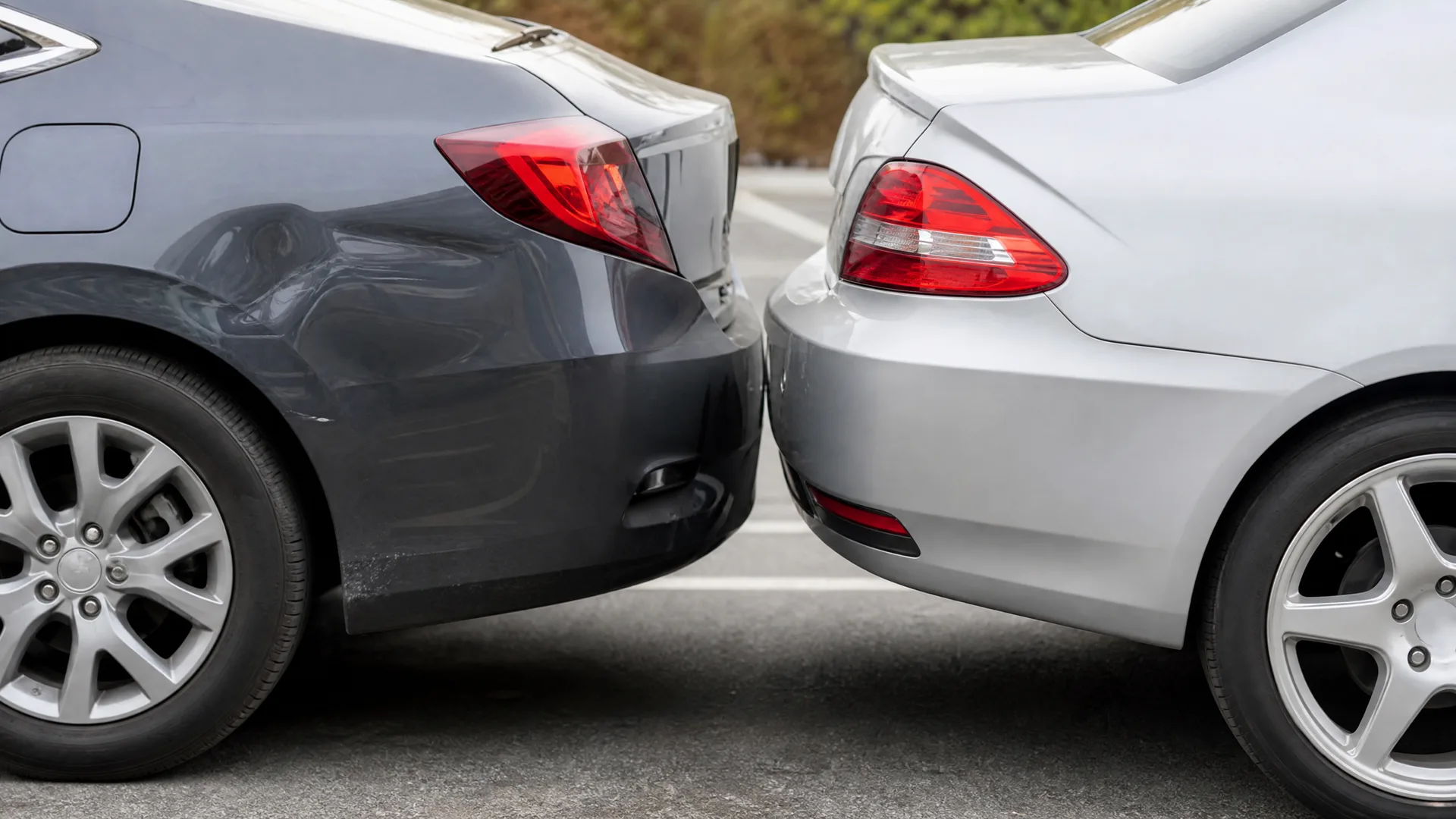
Collision coverage pays to repair or replace your own car after it hits another vehicle or object, or flips over, no matter who caused it.
What collision coverage pays for
Covers
- Hitting another vehicle If you're at fault in a crash with another car, this pays to fix your own vehicle.
- Hitting an object A fence, a guardrail, a light pole, a garage door, any fixed object your car strikes is covered.
- Single-vehicle rollovers If you lose control and the car rolls or flips with no other vehicle involved, this still applies.
- Potholes and road damage from a collision If hitting a pothole causes a crash-type impact that damages the car, this coverage responds.
- Collisions regardless of fault It pays out whether the accident was your fault, the other driver's, or never resolved either way.
Doesn't cover
- Theft of the vehicle A stolen car falls under comprehensive coverage, not collision.
- Storm or flood damage Wind, falling branches, flooding and volcanic activity are handled by comprehensive coverage instead.
- Hitting an animal Most insurers treat an animal strike as comprehensive, even though it feels like a collision.
- Your medical bills after a crash Injuries to you or your passengers are handled under medical payments or personal injury protection, not this coverage.
- Damage to someone else's car That's paid by your liability coverage, which is a separate part of your policy.
- Mechanical breakdown A transmission failure or engine problem isn't a collision and isn't covered here at all.
Whether to keep it depends mostly on what the car is worth
If your car is paid off and worth a modest amount, the math changes. A car worth very little may cost more to insure for collision each year than it would take to simply replace it after a bad wreck, especially once you add in the deductible you'd pay first.
If you could comfortably cover the cost of totaling the car out of savings without it changing your life, dropping collision is a reasonable choice. If losing the car would be a real financial blow, keeping the coverage makes sense even if the premium feels like a lot for an older vehicle.
How much you drive matters too. Someone who mostly makes short trips around town faces less exposure than someone who regularly drives longer distances on highways, but low mileage doesn't eliminate risk, since many crashes happen close to home.
Where the car sits overnight and during the day plays a role as well. A car parked on the street or in a shared lot has more exposure to dings and incidental impacts than one parked in a locked garage, though this matters more for comprehensive than for collision itself.

What happens when you actually use it
You choose a deductible when you set up the policy, and that amount comes out of any payment first. If repairs cost more than your deductible, the insurer pays the rest up to the car's value. If repairs cost less than the deductible, you're paying for it yourself regardless of the coverage.
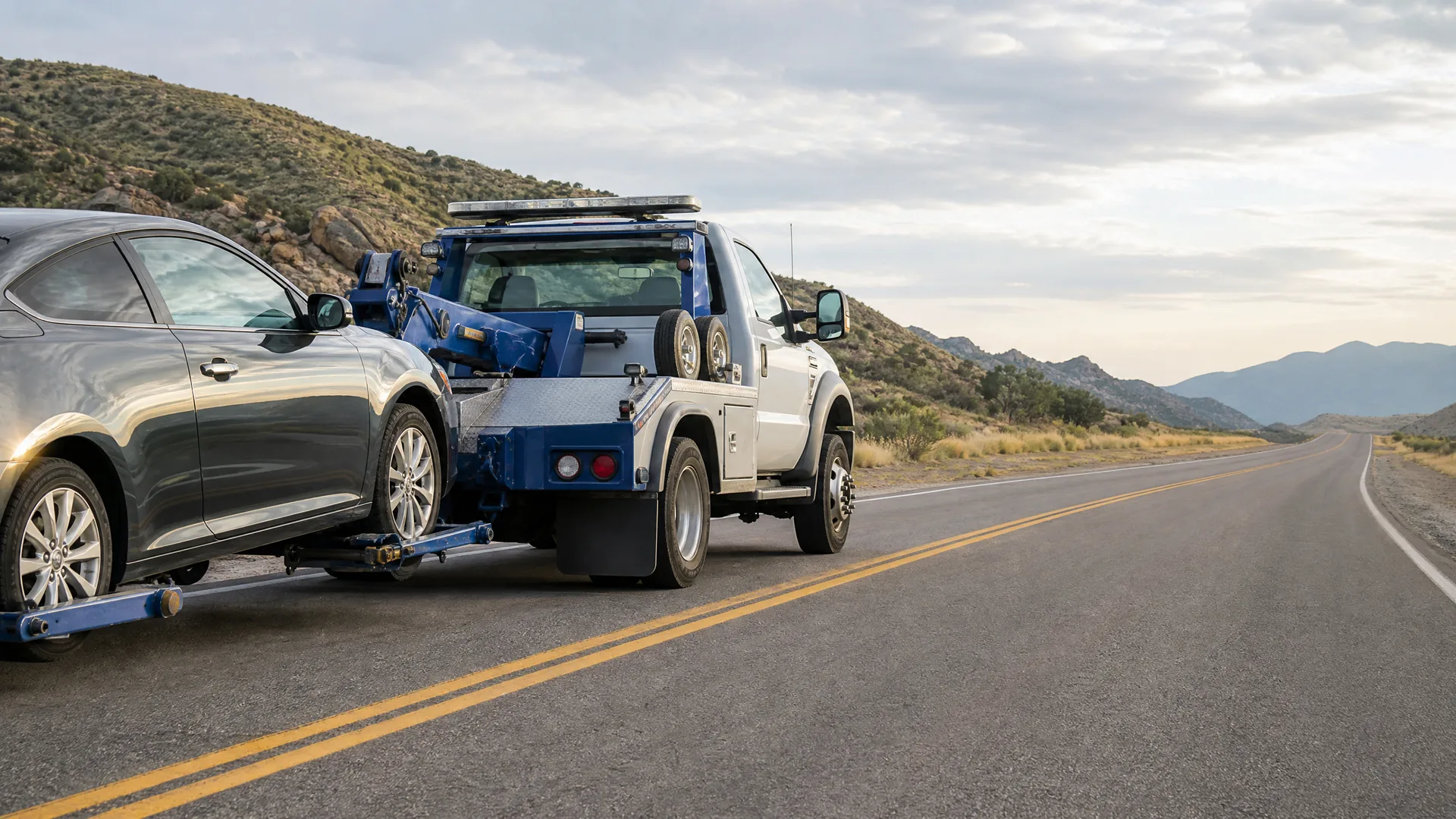
After a crash, you report it, get the car assessed by the insurer or a shop they approve, and get an estimate. If the cost to repair comes in higher than what the car is worth, the insurer will likely declare it a total loss and pay you the car's value instead of paying for repairs.
The payment covers the vehicle's damage only. It doesn't include a rental car unless you added that separately, and it doesn't include anything for your time, your inconvenience, or injuries.
Have your policy number, the other driver's information if there was another vehicle involved, photos of the damage, and a police report if one was filed. The more documentation you have ready, the faster the claim moves.
Collision versus comprehensive
Collision coverage
This pays for damage from hitting another vehicle or object, or from a rollover. It applies regardless of who was at fault.
Comprehensive coverage
This pays for damage that isn't a collision, like theft, storms, falling objects, fire, vandalism, or hitting an animal. The two coverages are often sold together but handle different kinds of events.
If you're deciding between the two, think about which risks worry you more: crashes point toward collision, and everything else points toward comprehensive.
Real situations
You're pulling out of a parking lot at a shopping center and clip a concrete pillar, denting the fender and cracking a light.
This pays, since it's a collision with a fixed object regardless of fault.
A heavy rainstorm floods the street while your car is parked outside your house, and water gets into the engine.
This doesn't pay, since flood damage falls under comprehensive coverage instead.
Driving home at dusk on a rural road, a deer runs into your path and you can't avoid it.
This doesn't pay, since an animal strike is treated as comprehensive even though it feels like a crash.
Once you know whether you're keeping, adjusting, or dropping collision coverage, you're ready to compare quotes with that decision already settled.
Questions people ask about this
How much collision coverage should I carry on an older car?
It should roughly match what the car is actually worth, not an arbitrary amount. Carrying coverage that exceeds the car's value means you're paying for protection you can never fully collect on, since the payout is capped at the car's worth. Check your car's current value and compare it against what you're paying before renewing.
Can I drop collision coverage and keep comprehensive?
Yes, the two are sold separately and you can carry one without the other. Many older drivers with low-value, paid-off cars keep comprehensive for theft and weather risk while dropping collision. If your car still has a loan or lease against it, though, the lender may require both.
Does collision coverage follow the car or the driver?
It follows the car listed on the policy, not a specific person. If someone else drives your car with your permission and causes a crash, the coverage still applies. If you drive a different car not listed on your policy, the coverage generally doesn't transfer with you.
Will my collision claim go up if I wasn't at fault?
It depends on whether the other driver is identified and their insurer accepts responsibility. If fault is clearly assigned to someone else, your insurer may seek reimbursement from their insurer and your record may be affected less. If fault is unclear or the other driver can't be identified, it may be treated more like an at-fault claim.
Is collision coverage required by law?
This varies by state, so check your own policy or your state's requirements. In many places it isn't legally required but may be required by a lender if you're still financing or leasing the car. Once a car is paid off, the decision is usually yours to make.