Collision Coverage for Seniors in Wisconsin
Collision coverage pays to repair or replace your own car after it hits another vehicle or object, or rolls over, no matter who caused it.
What collision coverage pays for
Covers
- Hitting another vehicle If you cause a crash, this pays to fix your own car regardless of fault.
- Hitting a fixed object Running into a mailbox, guardrail, garage door or fence is covered the same way a crash with another car would be.
- Single car rollovers If you lose control and the car rolls or flips with no other vehicle involved, this coverage still applies.
- Potholes and road damage Striking a pothole hard enough to damage the car is treated as a collision claim.
- Parking lot mishaps Backing into a post or clipping a cart corral at a store falls under this coverage.
Doesn't cover
- Deer and animal strikes Hitting an animal is handled by comprehensive coverage, not collision, since there's no other vehicle or driver fault involved.
- Hail and storm damage Weather damage to a parked or moving car falls under comprehensive coverage instead.
- Theft of the vehicle A stolen car is a comprehensive claim, since nothing collided with anything.
- Medical bills from the crash Your own injuries or a passenger's injuries are handled by medical payments or health coverage, not this.
- Mechanical breakdowns A transmission failure or engine trouble isn't a collision and isn't covered here at all.
It's often not worth keeping on an older, paid off car
The math on this coverage comes down to what your car is worth. If the car would only bring a modest amount at trade in, a claim check could come back lower than what you expected, and sometimes close to what the next few years of premium would cost anyway.
If the car is paid off, nobody is requiring you to carry this. Lenders require it while there's a loan, but once that loan is gone, it becomes entirely your call.
How much you drive matters too. Someone who still commutes daily or takes regular highway trips has more exposure than someone who drives to church, the pharmacy and a grandchild's house a few times a week.
Where the car sits overnight matters less for this coverage than for comprehensive, but it's still worth asking whether you could absorb a full loss from savings without much strain. If you could write that check without it changing your life, dropping this coverage is a reasonable way to save money every single month.

How a collision claim actually goes
You pay a deductible first, and the coverage pays the rest of the repair cost up to the car's value. You choose that deductible amount when you set up the policy, and a higher one lowers what you pay for the coverage but raises what comes out of your pocket at claim time.
After an accident, you report it, the car gets inspected or taken to a shop for an estimate, and the insurer decides whether to repair it or declare it a total loss. If it's a total loss, the payout is based on what the car was worth right before the accident, not what you paid for it years ago or what you'd need to buy a similar replacement today.
Have your policy number, the other driver's information if there was one, and photos of the damage ready when you call. A police report helps too, even for a minor incident, since it gives the insurer an official record of what happened.
The payment covers the vehicle itself. It doesn't cover a rental car unless you added that separately, and it doesn't cover anything you were carrying in the car at the time.
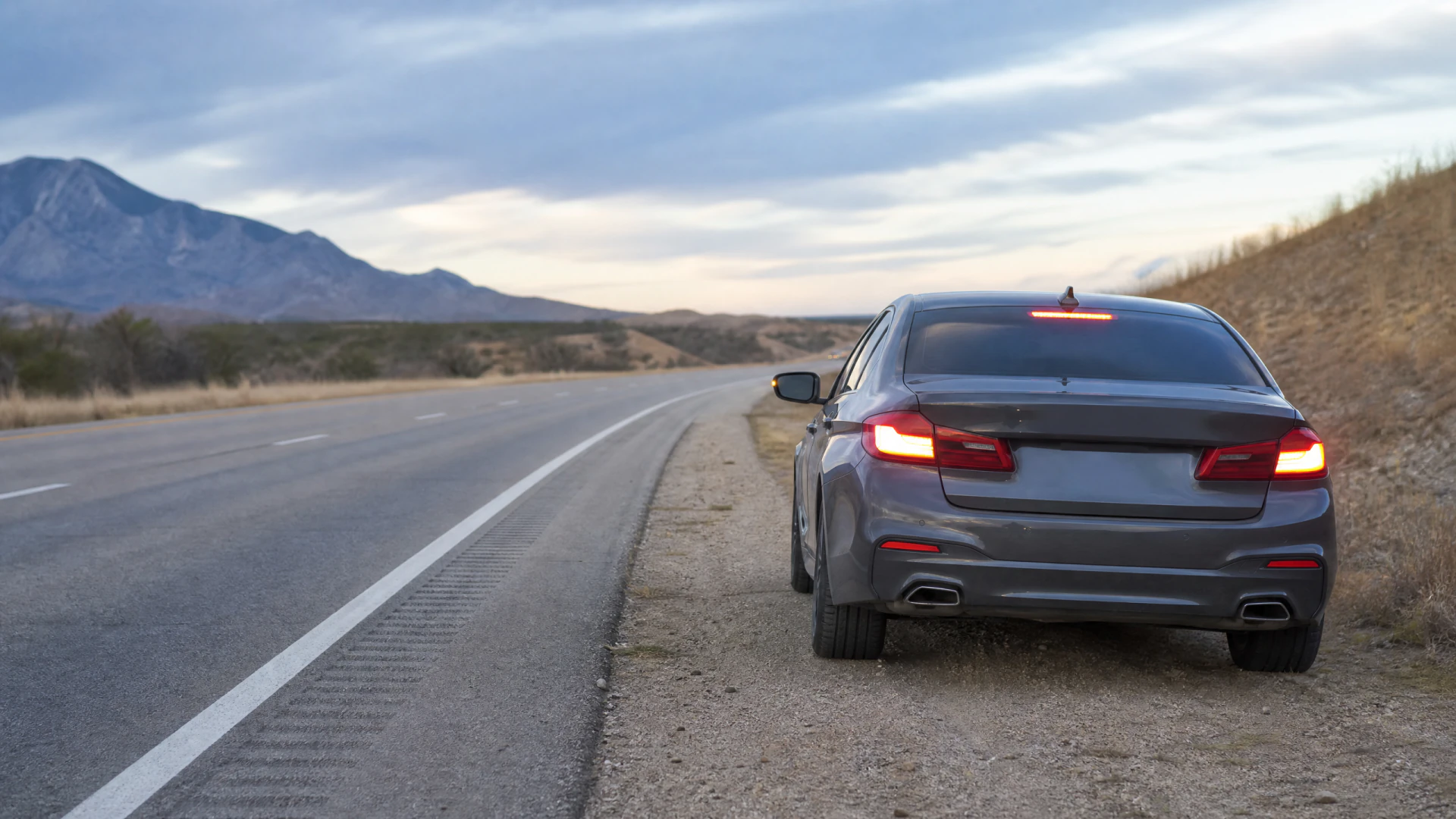
Collision versus comprehensive
Collision Coverage
This pays for damage from a crash with another vehicle or object, or from a rollover. It applies whether or not anyone else was involved and regardless of fault.
Comprehensive Coverage
This pays for damage that isn't from a crash, like hitting a deer, hail, fire, theft or a cracked windshield from a rock. It's the coverage for things that happen to the car rather than collisions the driver is part of.
Someone who drives often on rural roads with deer or lives somewhere with frequent hail may value comprehensive more, while someone worried about fender benders in parking lots or traffic leans more on collision.
Real situations
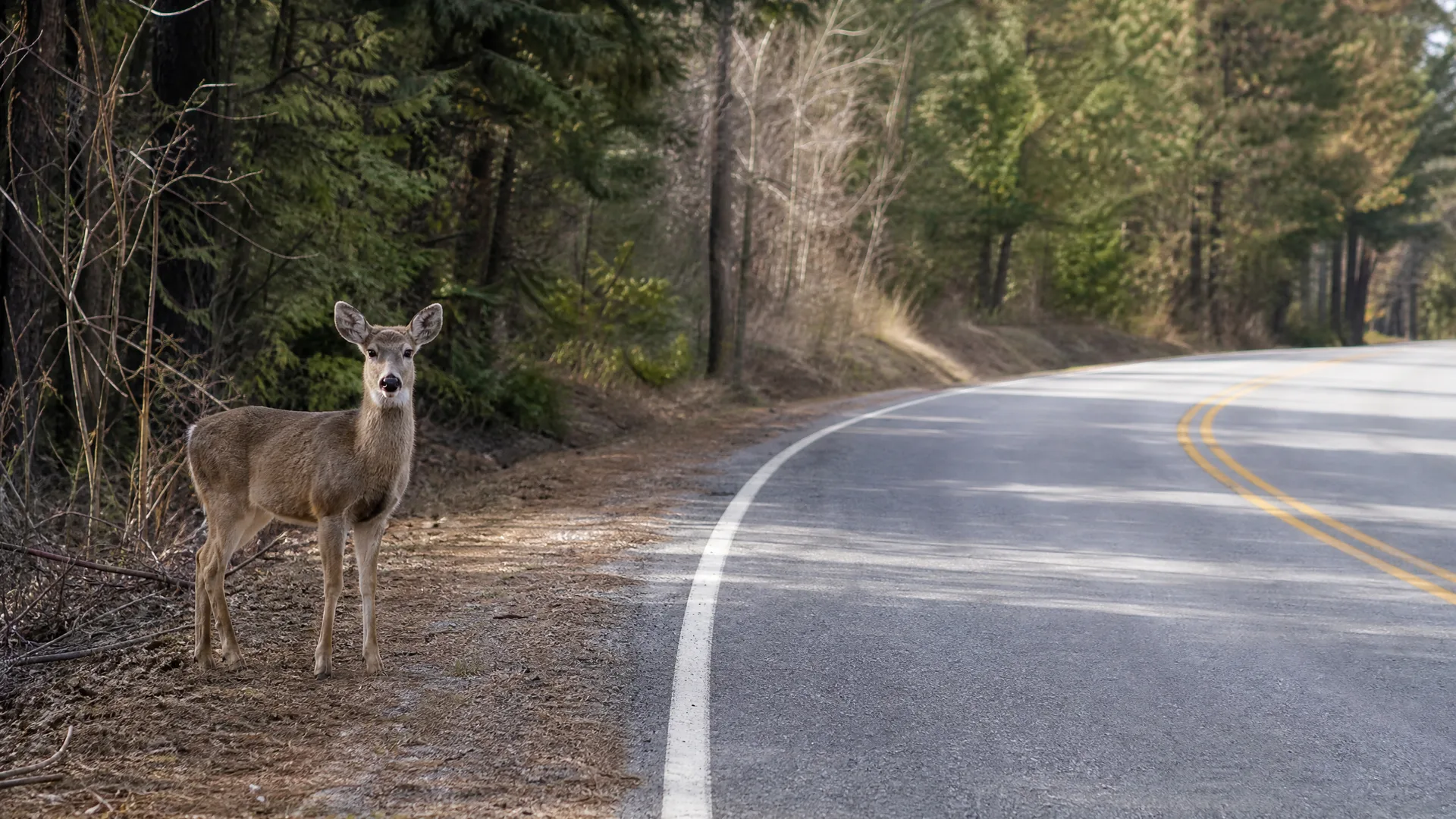
You're driving home from the grocery store and a deer runs out in front of you at dusk on a county road.
Collision doesn't pay here, since this is an animal strike handled by comprehensive coverage.
A hailstorm rolls through while your car is parked in the lot during a church service.
Collision doesn't pay for this either, since hail damage falls under comprehensive coverage.
You misjudge the distance while backing out of a parking space and hit a concrete post.
Collision pays for this, since it's damage from striking a fixed object, minus your deductible.
Once you know whether you want to keep, drop or adjust this coverage, you can compare quotes with that decision already settled.
Questions people ask about this
Does collision coverage cover a rental car while mine is being repaired?
No, collision coverage only pays for damage to your own vehicle, not a replacement car while it's in the shop. You'd need rental reimbursement coverage added separately for that. Check your policy's declarations page to see if you already have it.
Can I drop collision coverage and keep comprehensive?
Yes, these are separate coverages and you can carry one without the other once your car is paid off. Many older drivers with low value, paid off cars keep comprehensive for animal strikes and weather but drop collision. Whether that makes sense depends on what the car is worth and how often you drive.
What happens if my car is declared a total loss?
The insurer pays you what the car was worth right before the accident, minus your deductible. This amount is based on comparable vehicles in your area, not on what you originally paid or what you'd need to replace it today. You can ask for the valuation report if the number seems low.
Does collision coverage follow the car or the driver?
It follows the specific vehicle listed on your policy, not you personally. If you drive someone else's car with permission, their policy's collision coverage would typically apply first. Whether you need to list a car at all varies by state and policy, so check with your own insurer.
Will my rates go up after a collision claim?
That depends on your insurer's rules and your claims history, and it varies quite a bit. Some policies offer accident forgiveness for a first claim after a long clean record. It's worth asking your agent directly what a claim would do to your renewal before you file one for minor damage.