Collision Coverage for Seniors in Georgia
Collision coverage pays to repair or replace your car after it hits another vehicle or object, or flips over, no matter who caused it.
What collision coverage actually pays for
Covers
- Hitting another vehicle If you cause the crash, this pays for damage to your own car, not the other driver's.
- Hitting a fixed object A mailbox, guardrail, fence post or light pole all count, even on your own property.
- Single car rollovers If the car flips without another vehicle involved, the damage is still covered.
- Potholes and road damage Hitting a deep pothole or a chunk of broken pavement falls under collision, not comprehensive.
- Hit and run damage If the other driver takes off and can't be identified, collision pays as if you'd hit an object.
Doesn't cover
- Deer and animal strikes That falls under comprehensive coverage, since there's no collision with another vehicle involved in the way the policy defines it.
- Hail and storm damage Weather damage to a parked or moving car is comprehensive, not collision.
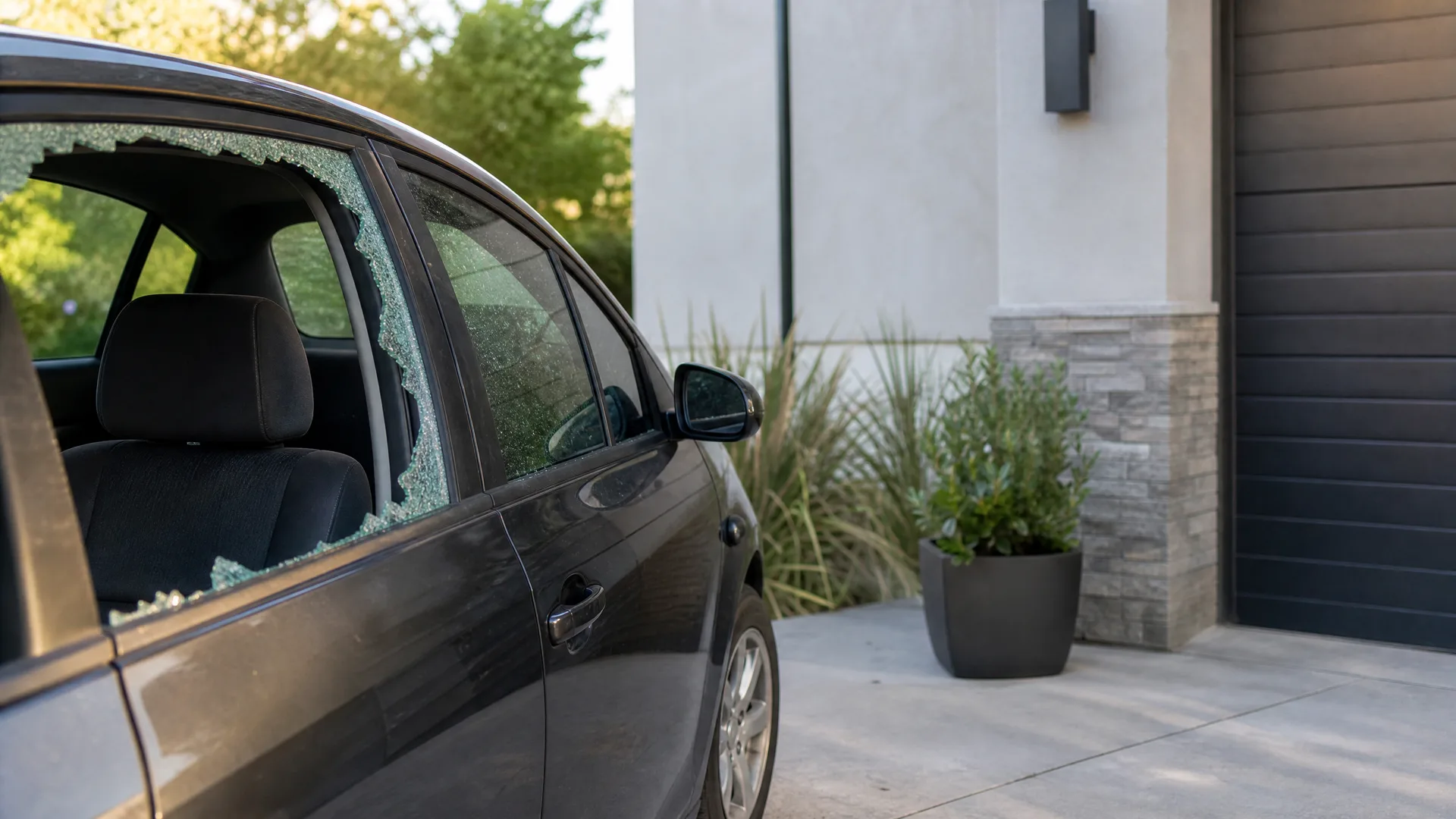
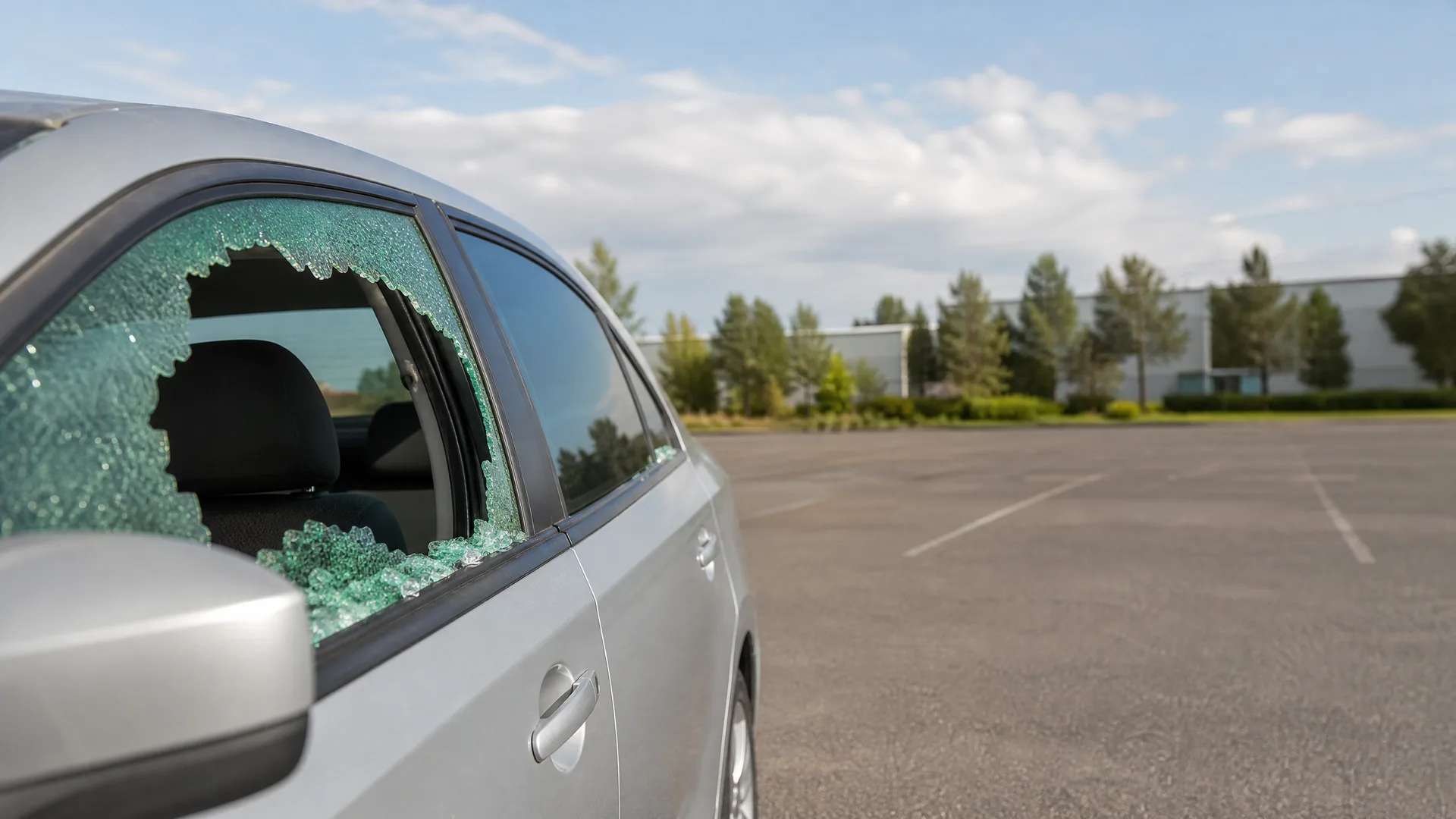
- Theft of the car If the car is stolen outright, that's a comprehensive claim, not a collision one.
- Mechanical breakdown A failed transmission or worn out brakes aren't a collision, they're wear and tear, and no auto policy covers that.
- Injuries to you or passengers Medical costs are handled by medical payments coverage, personal injury protection, or health insurance, depending on what you carry.
It's often not worth keeping on an older paid off car
The math on this coverage depends almost entirely on what the car is worth right now, not what you paid for it years ago. If the car is older and its value has dropped a good deal, the most this coverage will ever pay you is that lower value, minus your deductible. At some point the yearly cost of carrying it gets close to what the payout would be, and that's when it stops making sense.
If there's still a loan or lease on the car, this isn't really your choice. Lenders require it, and you keep it until the loan is paid off. Once the car is paid off free and clear, the decision becomes yours alone.
Think about what you could absorb from savings without much strain. Someone who could write a check to replace the car outright, or repair it, without changing their month to month life has less need for this coverage. Someone who couldn't cover that cost easily still benefits from having it, regardless of age.
How much and where you drive matters too. A car that mostly sits in a garage and makes short trips to church, the pharmacy and a grandchild's house carries less risk than one driven daily on the highway. Less time on the road is less exposure to the kind of crash this coverage is built for.

How a claim actually works
You pay a deductible first, and the coverage pays the rest of the repair cost, up to what the car is worth. If the repair costs more than the car is worth, the insurer will instead pay you the car's value and consider it a total loss, rather than fixing it.
After a crash, you'll typically get the car looked at by an adjuster or an approved shop, and they'll put a number on both the damage and the car's current value. If you disagree with that value, you can push back and provide your own evidence, like recent repair receipts or comparable local listings.
Have your policy information, photos of the damage, and a basic account of what happened ready when you call. If another driver was involved, their information helps too, even though fault doesn't determine whether this coverage pays.
One thing worth knowing ahead of time is that using this coverage, even when it clearly applies, can affect what you pay going forward. That's part of weighing whether a repair is worth filing a claim for at all, versus just paying for it yourself.
Collision versus comprehensive coverage
Collision coverage
This pays for damage from hitting another vehicle or object, or from flipping over. It applies no matter who's at fault.
Comprehensive coverage
This pays for damage that isn't from a collision, like weather, fire, theft, vandalism or an animal strike. The two coverages are usually sold together but they answer to different kinds of damage.
If you mostly worry about an accident on the road, lean toward keeping collision, and if you worry more about a deer or a hailstorm, comprehensive is the one doing the work.
Real situations
You're pulling out of the grocery store parking lot and clip another car's bumper, denting your own front fender.
This pays, since it covers damage from a collision with another vehicle regardless of who caused it.
A hailstorm hits while your car is parked in the church lot during a Sunday service.
This doesn't pay, since hail is weather damage and falls under comprehensive coverage instead.
Driving home at dusk on a county road, a deer runs out and you can't avoid it.
This doesn't pay, since an animal strike is a comprehensive claim even though it feels like a collision.
Once you've decided whether to keep, drop or adjust this coverage, you're ready to compare quotes with that answer already settled.
Questions people ask about this
What happens if my car is totaled and I still owe money on it?
Collision coverage only pays what the car is worth, which may be less than what you still owe. A separate coverage, often called loan or lease payoff coverage, covers that gap, and you'd need to check whether your policy includes it.
Does collision coverage follow the driver or the car?
It follows the car, so whoever is driving it with permission is generally covered under the same terms. If you regularly let someone else drive your car, it's still protected, but check your policy for any listed driver restrictions.
Can I choose a different deductible for collision than for comprehensive?
Yes, these are usually set separately, and many people choose a higher one for collision and lower one for comprehensive or the other way around. It's worth asking directly rather than assuming they're tied together.
Will my rate go up if I file a collision claim that wasn't my fault?
It depends on your insurer and whether the other driver's insurance reimburses yours. Ask specifically how not at fault claims are treated before you file, since it varies by company and situation.
Is collision coverage required to register a car?
No, registration doesn't require it, though a lender or leasing company will require it as a condition of the loan. Whether any other coverage is required varies by state, so check what your state and your policy actually require.