Collision Coverage for Seniors in Florida
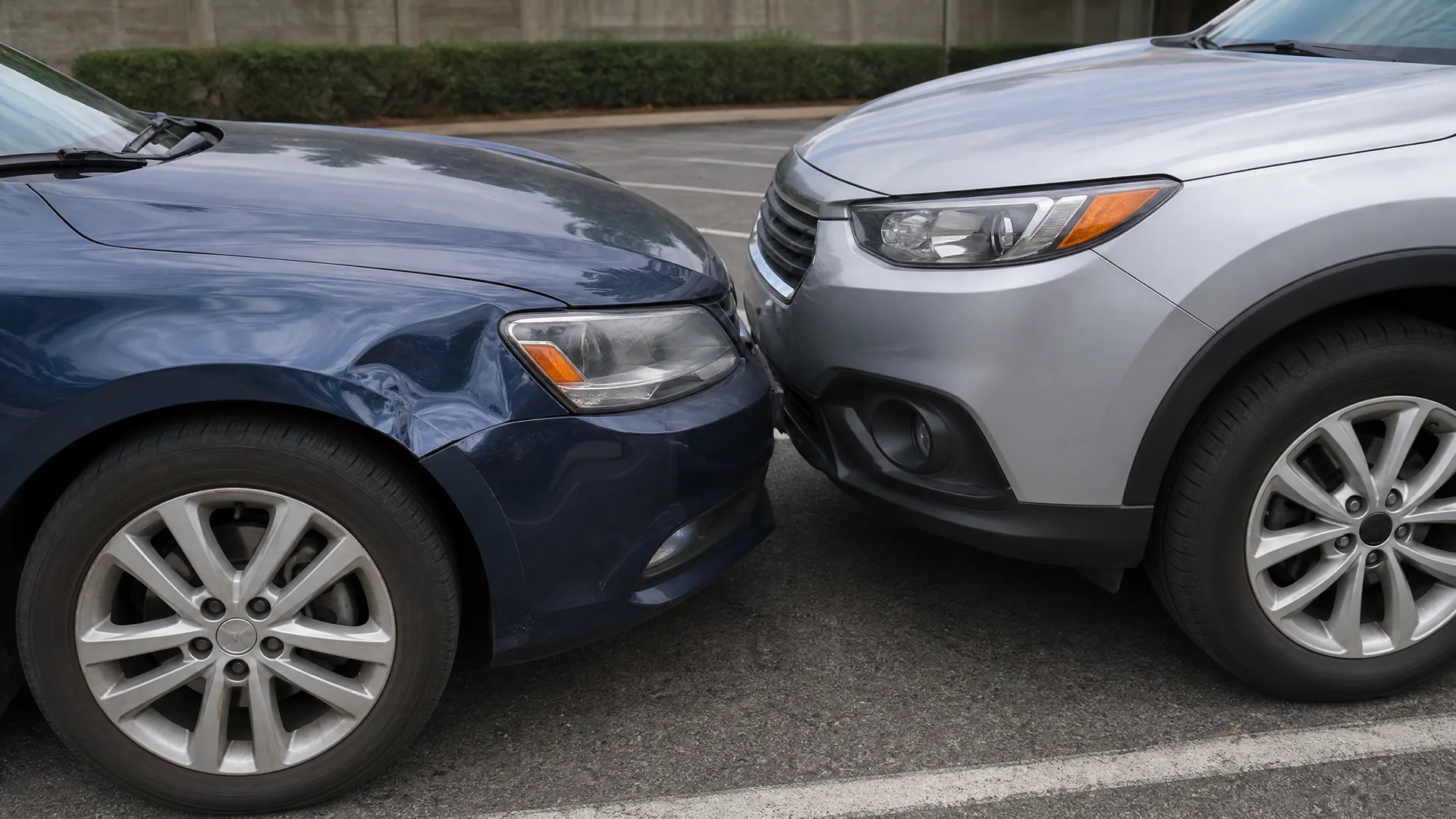
Collision coverage pays to repair or replace your own car after it hits another vehicle or object, or rolls over, no matter who caused it.
What collision coverage actually pays for
Covers
- Hitting another vehicle If you cause a crash, this pays to fix your car even though it was your fault.
- Hitting a fixed object A mailbox, a guardrail, a light pole in a parking lot, all of it falls under this coverage.
- Single car accidents Running off the road or sliding into a ditch on your own counts as a covered collision.
- Rollovers If the car flips, repair or replacement cost is handled the same way as any other collision claim.
- Hit and run damage When the other driver takes off and can't be identified, this coverage steps in to pay for your car.
- Parking lot collisions Backing into a post or getting hit by someone pulling out too fast is still a collision claim.
Doesn't cover
- Storm and hail damage Weather damage falls under comprehensive coverage, not collision, even though people often mix the two up.
- A cracked windshield from road debris A rock chip or crack from debris is also a comprehensive claim since nothing was struck on purpose or by another vehicle.
- Theft of the car If the car is stolen, that loss is paid under comprehensive coverage instead.
- Mechanical breakdown A failed transmission or a dead battery isn't a collision and isn't covered here at all.
- Medical bills from the crash Your own injuries and the other driver's injuries are handled under separate medical or liability coverage.
- Damage to someone else's car Paying for the other driver's vehicle when you're at fault comes out of your property damage liability, not this.
Whether it's worth paying for depends mostly on the car, not your age
Age itself doesn't decide this. What decides it is what the car is worth, whether you could absorb the cost of replacing it yourself, and how much you actually drive it these days.
If the car is older and worth little, the payout after a claim may be small enough that carrying this coverage barely makes sense. A car that's been paid off for years and has lost most of its value is the clearest case for dropping it.
If you have enough set aside that losing the car entirely wouldn't strain your finances, that's another reason to consider dropping it and keeping the money instead. The coverage exists to protect people who couldn't otherwise replace the car.
On the other hand, if you still owe money on the car, or you'd struggle to come up with the cash to replace it, keeping this coverage still makes sense regardless of how many birthdays you've had. Mileage and where the car is parked overnight matter too. A car that sits in a garage and only goes to church and the grocery store carries a different risk than one driven daily on the highway.
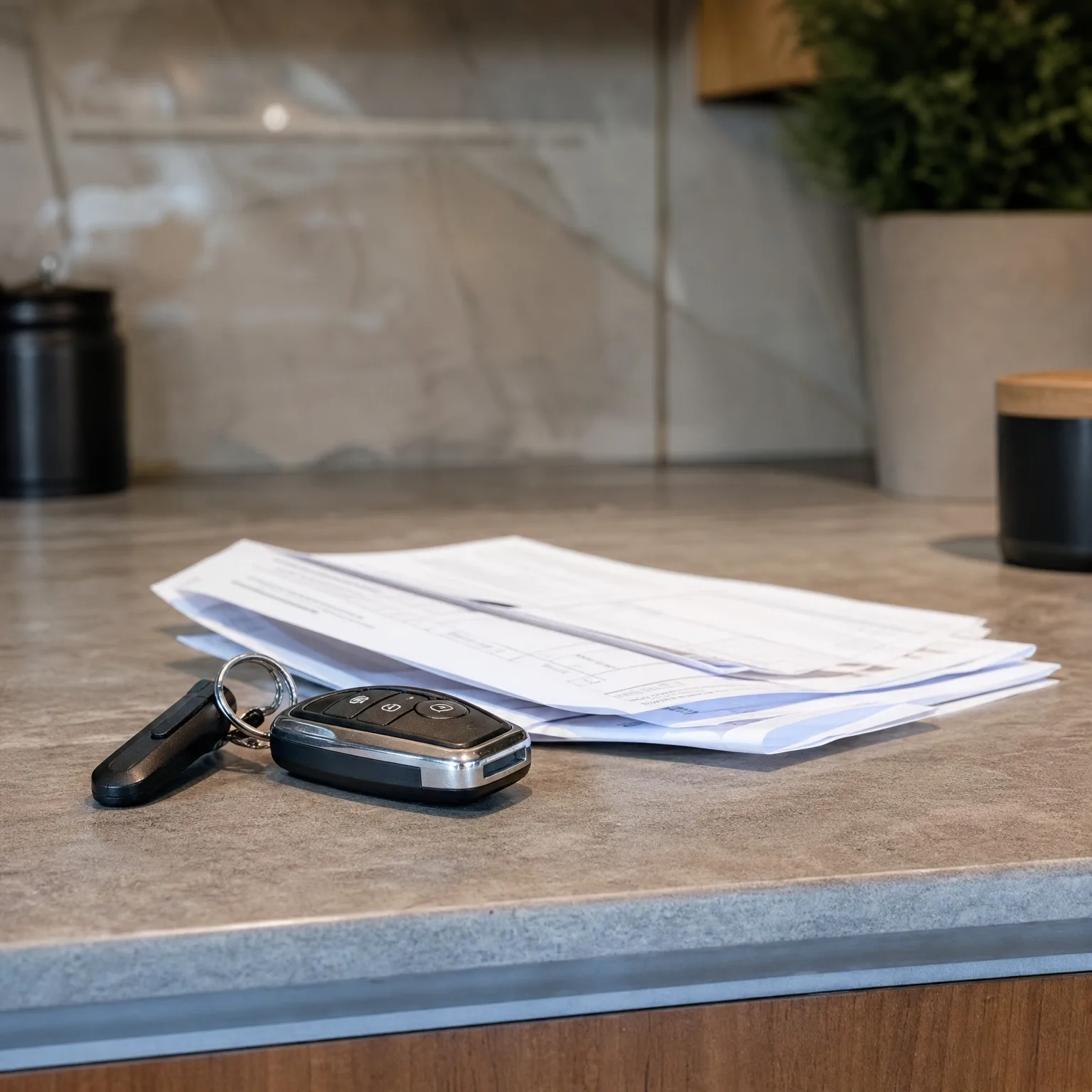
What happens when you actually file a claim
You pay a deductible first, and the coverage pays the rest of the repair cost up to what the car is worth. If the repair would cost more than the car's value, the insurer typically pays you that value instead and takes the car.
After an accident, you report the claim, an adjuster looks at the damage or reviews an estimate from a shop, and a repair amount gets approved. You pay your deductible either up front at the shop or it gets subtracted from the payout if the car is declared a total loss.
Have your policy information, photos of the damage, and a police report if one was filed. If another driver was involved, their information helps the claim move faster, even though your coverage pays regardless of fault.
What this payment doesn't cover is any damage that existed before the accident, or wear and tear the adjuster rules out as unrelated. It also doesn't cover a rental car unless you've added that separately.
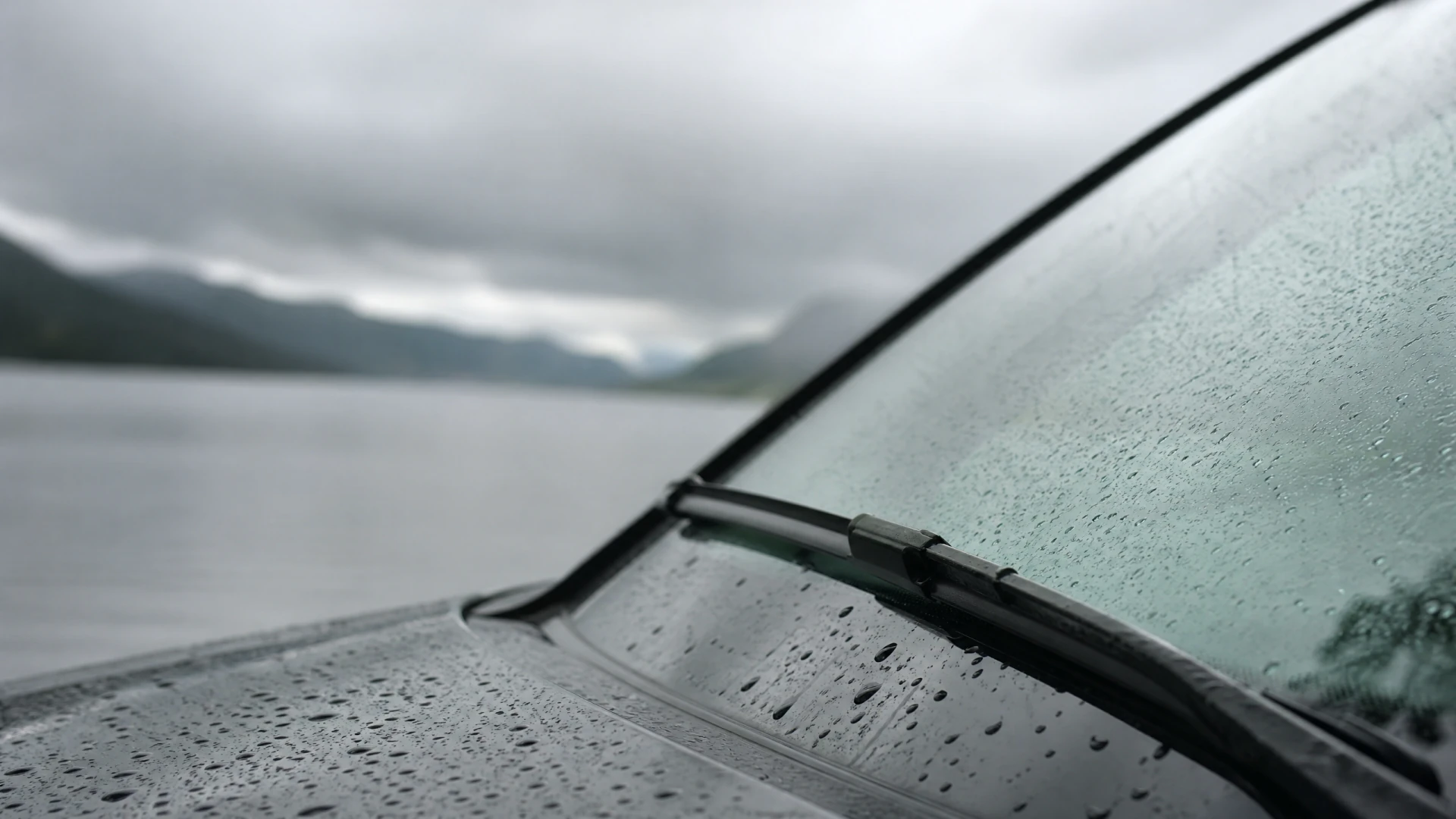
Collision versus comprehensive coverage
Collision coverage
This pays for damage from hitting something, whether that's another car, a fence, or the ground after a rollover. Fault doesn't matter. It only applies when your car physically collides with something.
Comprehensive coverage
This pays for damage that isn't a collision, like hail, fire, theft, a fallen tree branch, or an animal running into the road. Many people carry both together since they cover different kinds of losses.
If most of your worry is about storms, theft, or deer at dusk, comprehensive matters more. If you're worried about fender benders or losing control of the car, collision is the one doing the work.
Real situations
You're pulling out of a parking space after church and clip a concrete post, denting the back of your car.
This pays for the repair since hitting a fixed object is a covered collision.
A hailstorm hits while your car sits in the driveway overnight and leaves dents across the hood and roof.
This doesn't pay, since hail damage falls under comprehensive coverage instead.
A deer crosses a county road at dusk and your car hits it, causing serious front end damage.
This doesn't pay either, since hitting an animal is treated as a comprehensive claim, not a collision.
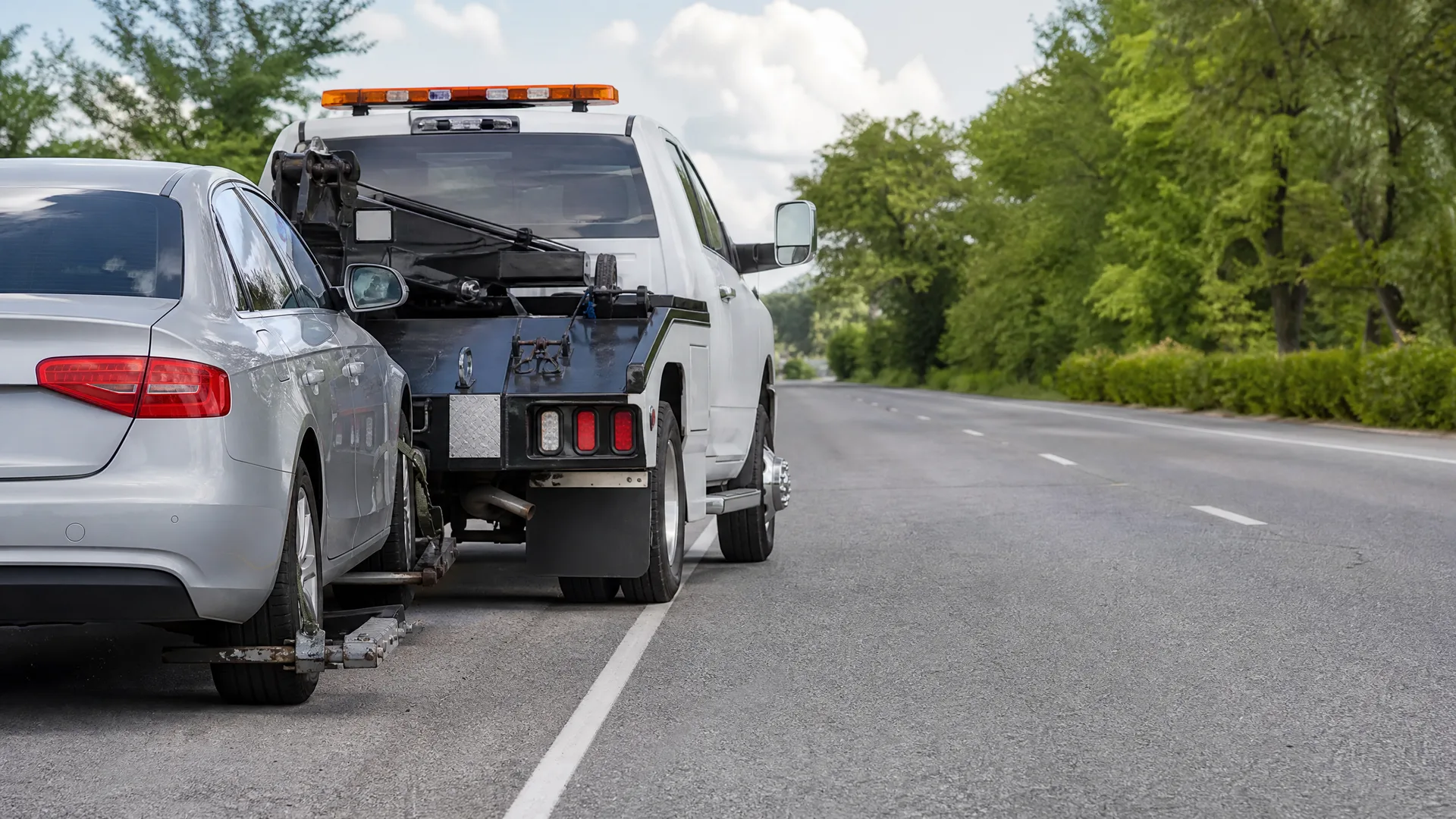
Once you know whether you want to keep, drop, or adjust this coverage, you can compare quotes with that choice already settled.
Questions people ask about this
Can I drop collision coverage on a car I still owe money on?
Usually not on your own. Lenders generally require you to carry collision and comprehensive coverage until the loan is paid off, so check your loan agreement before considering a change.
Does collision coverage follow the car or the driver?
It follows the car on the policy, not any one driver. If someone else is driving with your permission and causes damage, the coverage on that vehicle typically still applies.
What's gap insurance and do I need it alongside collision?
Gap insurance covers the difference between what you still owe on a car and what it's actually worth if it's totaled. It matters most for newer cars financed with little money down, and becomes less relevant as a loan gets paid down.
Does my credit or driving record affect collision coverage cost?
It can, along with other factors like where you live and how the car is used. Check with your insurer directly since these rules vary by company and by state.
Should I raise my deductible to lower the cost of collision coverage?
It depends on how much cash you could comfortably pay out of pocket if you filed a claim. A higher deductible generally lowers the ongoing cost but means more money due upfront after an accident.