Collision Coverage for Seniors in California
Collision coverage pays to repair or replace your own car after it hits another car or object, or flips over, no matter who caused it.
What collision coverage actually pays for
Covers
- Hitting another vehicle If you cause a crash with another car, this pays to fix or replace yours.
- Hitting a fixed object Guardrails, poles, fences, a mailbox, a garage door, any solid thing your car runs into is covered.
- Single car rollovers If your car rolls or flips without another vehicle involved, the damage is still covered.
- Potholes and road damage Hitting a deep pothole hard enough to damage the car counts as a collision.
- Hit and run damage to your car If someone hits you and drives off, this pays for your car since you can't collect from the other driver.
- Animal collisions in some cases Hitting a deer is usually handled under comprehensive, but how your policy classifies it is worth checking.
Doesn't cover
- Your medical bills Injuries to you or your passengers fall under medical payments or health insurance, not collision.
- The other driver's car Liability coverage pays for damage you cause to someone else's vehicle, not this coverage.
- Mechanical breakdown A transmission failure or dead battery isn't a collision and isn't covered here at all.
- Weather and falling objects Hail, flooding, or a tree branch landing on your car falls under comprehensive coverage instead.
- Theft of the vehicle If the car is stolen rather than crashed, that's a comprehensive claim, not a collision one.
- A rental car while yours is repaired You need separate rental reimbursement coverage for that, it isn't bundled into collision.
Whether it's worth keeping depends mostly on what the car is worth
The first question is simple. What would it cost to replace your car with one like it today, and could you cover that loss yourself without much trouble. If the car is older and worth little, this coverage may pay out far less than you'd expect, since payment is based on the car's value, not what you paid for it or what repairs cost. If you own the car outright and could afford to replace it from savings, dropping this coverage is a real option, not a risk you're pretending away. If a loan or lease still requires it, you don't get a choice until that's paid off. How much you actually drive matters too. Someone who mostly makes short trips to the store, church, or a doctor's office is on the road far less than someone commuting daily, and that lowers the odds of ever needing this coverage at all. Where the car sits overnight matters less for this coverage specifically, since collision is about movement and impact, not a parked car being broken into or vandalized. If you drive a car that's several years old, already paid off, and you have enough set aside to replace it without strain, it's fair to ask whether you're paying every year for a payout you're unlikely to ever collect.
What happens when you actually file a claim
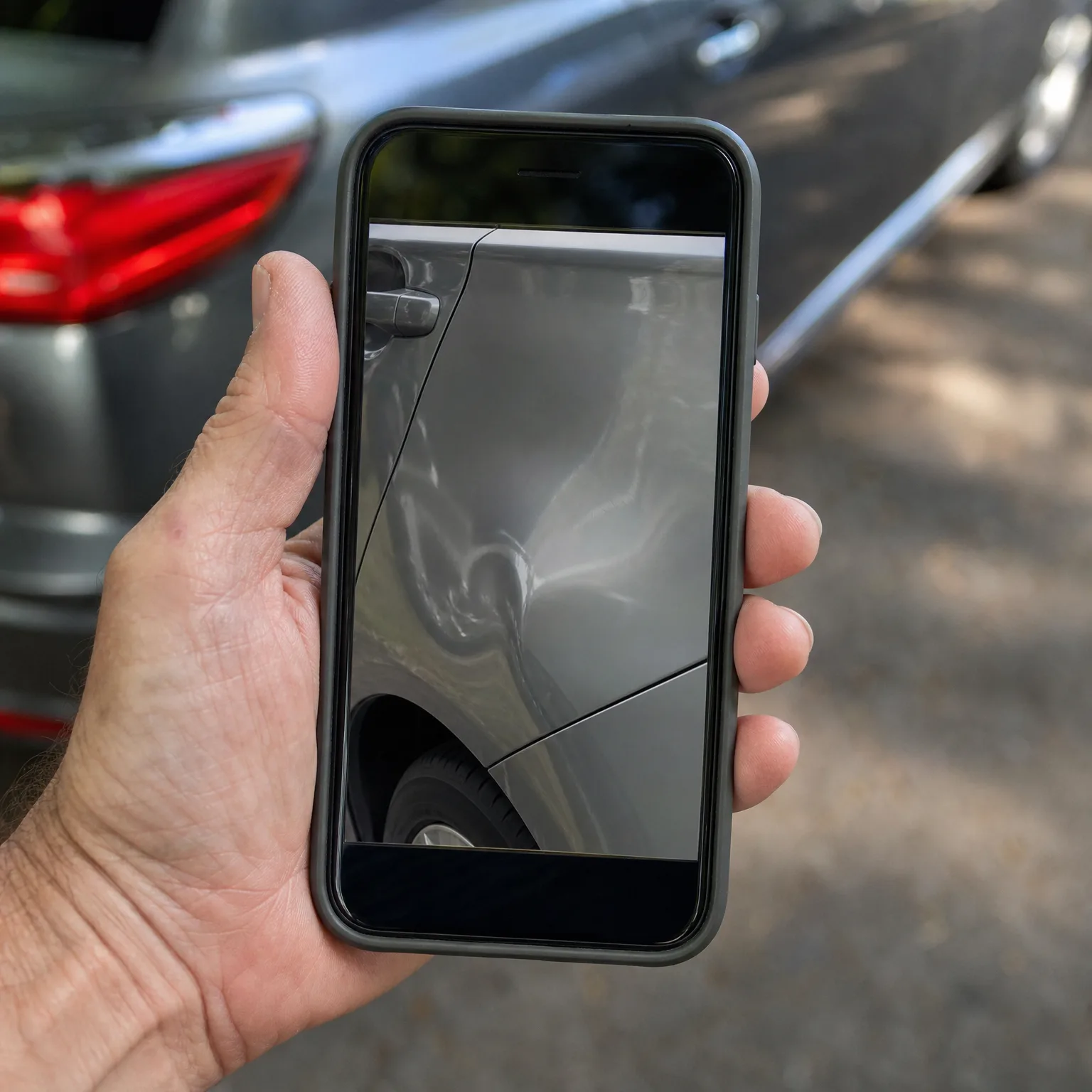
You pay your deductible first, and the insurer covers the rest of the repair cost or the car's value, whichever applies. If the car can be fixed for less than it's worth, they'll pay for repairs minus your deductible. If the damage costs more to fix than the car is worth, they'll declare it a total loss and pay you the car's value instead, again minus your deductible. Have your policy information, photos of the damage, and a description of how it happened ready when you call, along with a police report if one was filed. The payout is based on your car's value right before the crash, not on what you originally paid or what a replacement costs today, which surprises people who've driven the same car a long time and assumed it was worth more.
Collision versus comprehensive coverage
Collision coverage
This pays for damage from a crash, a rollover, or hitting an object, regardless of who's at fault. It only applies to impacts involving your car in motion.
Comprehensive coverage
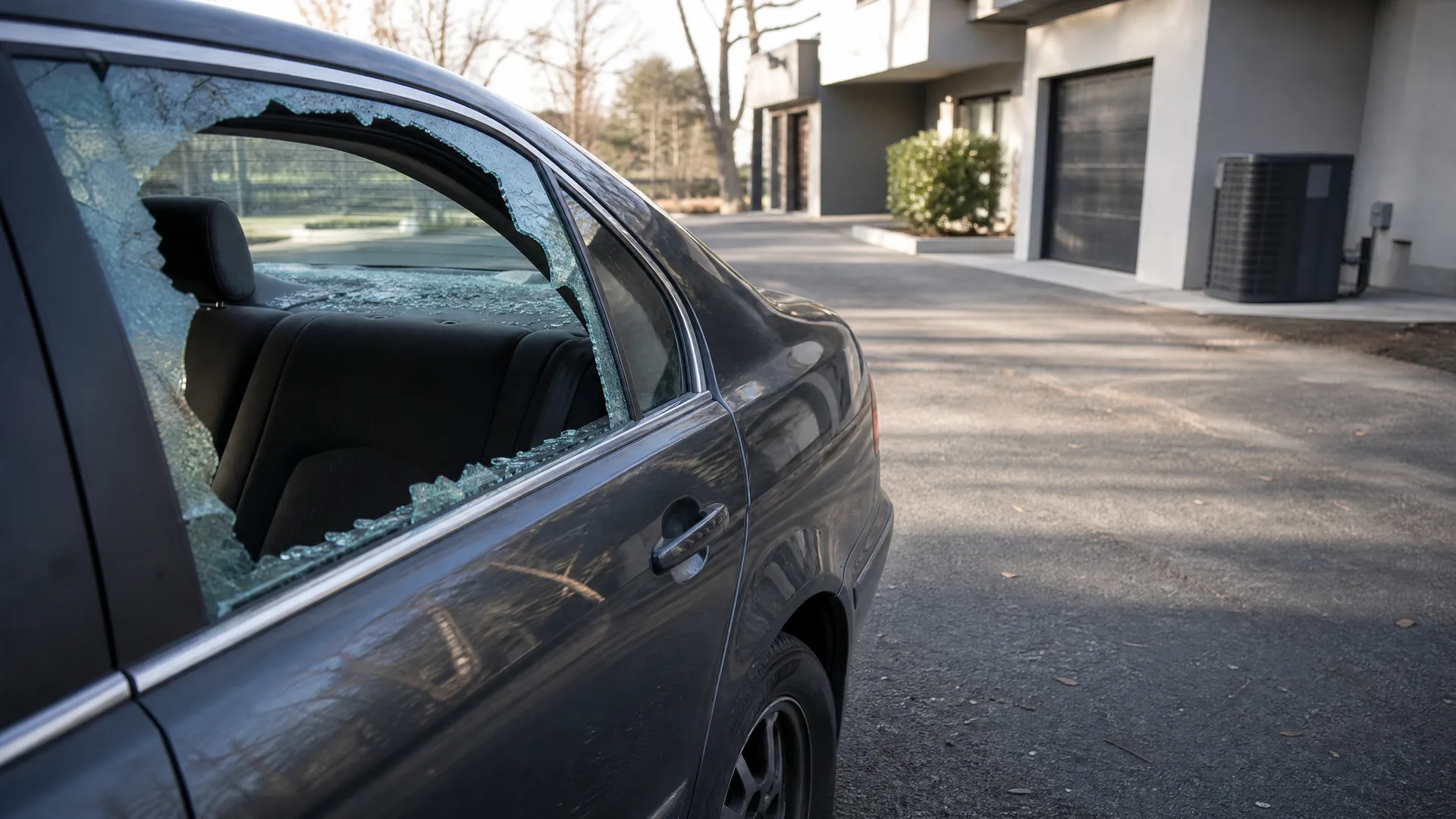
This pays for damage that isn't a collision, like theft, vandalism, fire, falling objects, flooding, or an animal strike. Many insurers sell the two together but they answer different situations.
If you drive often and worry about crashes, lean toward keeping collision; if your car mostly sits and your worry is theft or weather, comprehensive matters more.
Real situations
You're pulling out of a church parking lot and clip a concrete planter, denting the fender and cracking a headlight.
Collision pays for this, since it's damage from your car hitting an object, minus your deductible.
A hailstorm hits while your car is parked outside, leaving small dents across the hood and roof.
This isn't a collision claim, hail damage falls under comprehensive coverage instead.
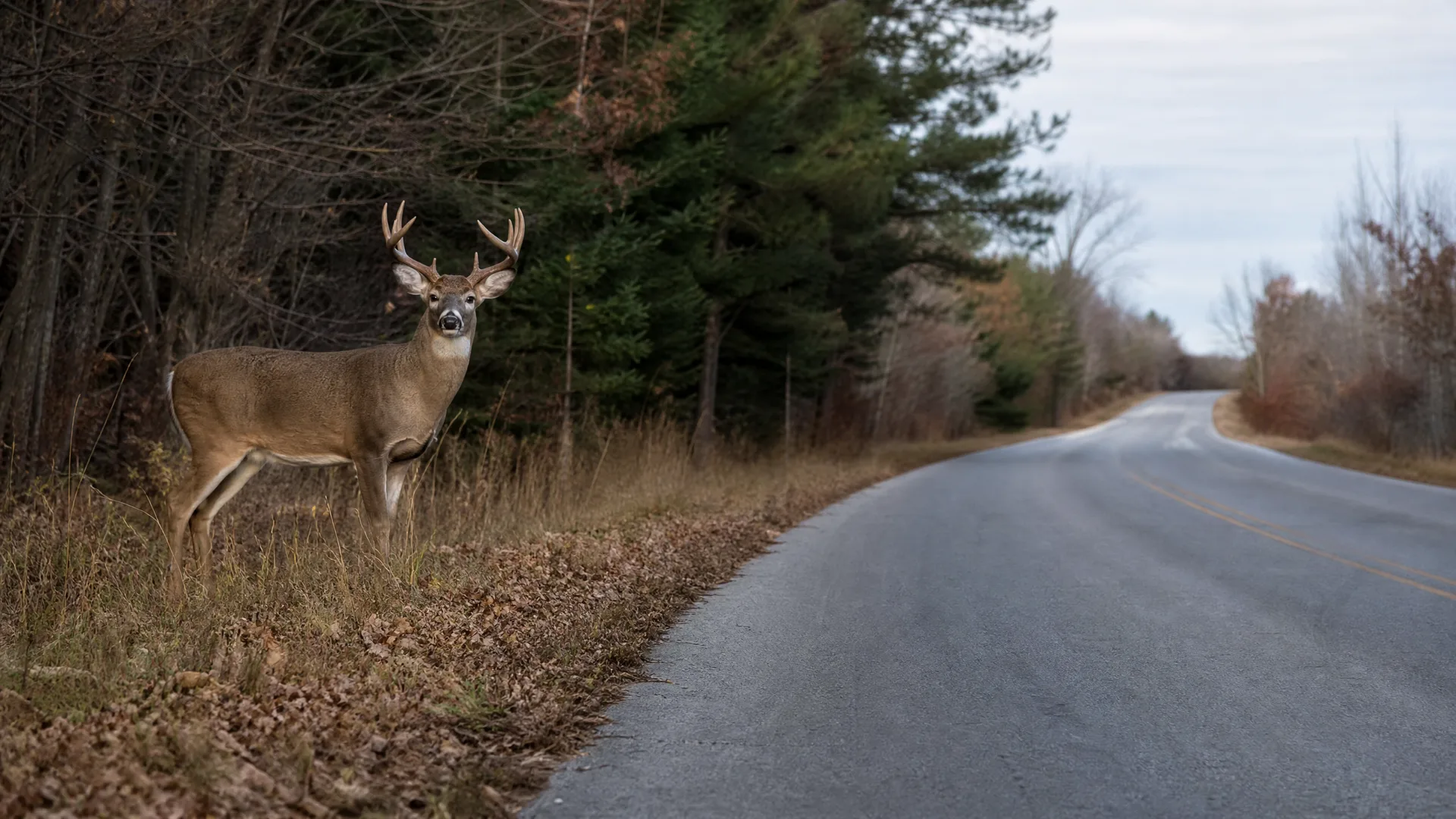
Driving home at dusk on a rural road, a deer runs into your path and you can't avoid it.
Most insurers treat animal strikes as comprehensive claims, not collision, so check how your policy classifies it.
Once you know whether you want to keep, add, or drop collision coverage, compare quotes with that decision already settled.
Questions people ask about this
Do I need collision coverage if my car is paid off?
No, once a car is paid off you're free to drop collision coverage if you choose to. The decision then comes down to whether you could afford to replace the car yourself and how much you still drive it. Many people with older, paid off cars decide the premium isn't worth it.
How is my car's value calculated for a collision payout?
Insurers base it on what similar cars in similar condition are selling for in your area right before the crash. They look at mileage, condition, and comparable local listings rather than what you paid or what a replacement costs today. You can ask for the valuation report if the number seems low.
Can I still get collision coverage on an older car?
Yes, most insurers will still offer it on an older car as long as it's insurable and registered. The question is less about availability and more about whether the payout would be worth the ongoing premium. Some insurers do set age or condition limits, so it's worth checking directly.
Does collision coverage follow the car or the driver?
It generally follows the car, so if you lend your car to someone and they crash it, your collision coverage typically applies. This can vary depending on who was driving and whether they had permission, so check your policy's specific language. It's worth confirming before you hand someone else the keys.
Will using collision coverage raise my rates?
It can, since filing a claim where you're at fault is often treated differently than one where another driver was responsible. How much it affects your rate varies by insurer and by your history. Ask your agent directly how a claim would affect your specific policy before you file.